

The weather starts changing, but your home still feels stuck in the previous season. Summer clothes fill the closets, fans and outdoor items are still sitting around, the pantry contains foods you bought months ago, and the entryway has nowhere to put the coats and shoes you’ll soon need.
I used to approach fall decluttering as one large cleaning project, which usually meant spending hours moving things around without actually finishing much. I find it much easier to treat fall as a transition: put away what you no longer need, bring forward what you will use, and check the parts of the home that need seasonal maintenance.
This fall decluttering checklist follows that approach, so you can prepare your home systematically without turning the process into an exhausting weekend.
Why Fall Decluttering Is Different From Spring Cleaning
Spring usually encourages a broad reset after winter. Fall is more about preparing the home for a change in routines.
You may soon spend more time indoors, use warmer bedding, wear different clothing, cook different meals, and prepare for holidays or gatherings. That means you need to make room for these things before they start taking over the house.
I also think fall is the right time to combine decluttering with basic home maintenance. There is little benefit in organizing a closet for colder weather if you discover later that your storage is damp, your windows have obvious drafts, or your heating system needs attention.
You don’t need to inspect every part of your home in one session. Focus on the areas affected by the seasonal change and make a separate note for anything that requires professional attention.
Also read: 5 Decluttering Methods Compared: Which One Works Best for You?
How to Start Your Fall Home Declutter without Wasting Time
Before you begin, gather four things: a donation bag, a trash bag, a laundry basket for items that belong elsewhere, and a few reusable storage containers.
I recommend keeping these with you as you move through the house. That way, you don’t repeatedly stop to carry individual items away.
Work in one direction through the house rather than jumping between rooms. For example, finish the entryway, then bedrooms, then living spaces, then the kitchen and utility areas.
Your goal isn’t to make every room perfect. Your goal is to prepare the home for the way you’ll use it during the coming season.

1. Start with the Entryway
The entryway will become more important as the weather changes.
Before bringing out coats, boots, scarves, umbrellas, and other fall essentials, clear away items that don’t belong there. Return summer shoes to their storage area and move rarely used bags or accessories elsewhere.
Then check the storage itself.
Make sure hooks are secure, shoe racks aren’t overcrowded, and the floor has enough space for the footwear you’ll actually use. A simple basket can keep smaller accessories together rather than allowing them to collect on a bench or console.
This is also a good time to check exterior doors for obvious gaps or damaged weather-stripping. The U.S. Department of Energy identifies weather-stripping and sealing air leaks around doors and windows as common weatherization measures.
Also read: 10 Brilliant Entryway Organization Ideas for Small Spaces
2. Move Through the Bedrooms Next
Bedrooms usually require one of the biggest seasonal changes.
Start with clothing. Don’t begin by pulling every item from the closet. Instead, bring warmer clothing forward and move summer-specific pieces toward their storage location.
As you handle clothing, look for pieces that need washing, repair, or a different storage solution.
Then change your bedding. Bring out heavier blankets and colder-weather sheets if you use them, and wash or air out anything that has been stored.
A labeled storage bin makes this transition much easier next year because you won’t have to remember which container holds winter bedding.
Also read: Small Room, Big Potential: Bedroom Organization Ideas That Cost Almost Nothing
Give the Closet a Practical Fall Reset
This isn’t the time for a full closet declutter if you’ve already covered that elsewhere.
Instead, focus on seasonal accessibility. Put sweaters, jackets, long-sleeved tops, and warmer sleepwear where you can reach them easily.
Move summer items that you won’t use for several months to higher shelves, under-bed containers, or another suitable storage area.
If something needs repair before you can wear it, create one small repair pile rather than returning it to the closet and forgetting about it.
Also read: Decluttering Tips: How to Declutter Your Closet in Just One Weekend

3. Check the Living Room for Seasonal Clutter
As people spend more time indoors, the living room often needs to accommodate blankets, books, games, and other indoor activities.
Before adding those things, remove summer-specific items that no longer serve a purpose.
Put away outdoor cushions, lightweight throws, picnic supplies, or other seasonal belongings that have been living in the room.
Then check the storage you already have. If blankets tend to end up on the sofa, place a basket nearby. If books and magazines accumulate on the coffee table, give them a specific location.
The goal isn’t to decorate for fall. It’s to make the room easier to use when you naturally spend more time there.
Also read: Living Room Decor: Accessories That Make It Modern and Cultured Without Trying Too Hard
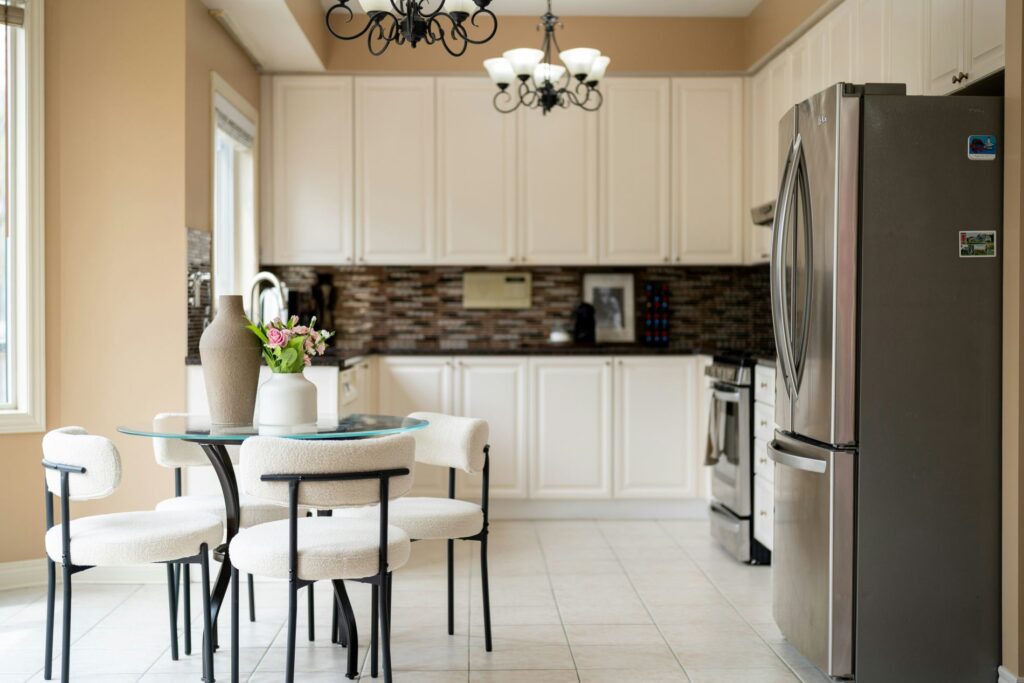
4. Prepare the Kitchen for Colder-Weather Cooking
Fall often changes what happens in the kitchen.
You may use the oven more frequently, bake more often, or start preparing larger meals for family and guests. Before that happens, check the areas that support those activities.
Look through your pantry and refrigerator first. Remove expired food and anything you clearly won’t use.
Then check baking supplies, roasting pans, slow cookers, serving dishes, and other equipment you expect to use more often.
Move frequently used items somewhere accessible rather than keeping them behind things you rarely use.
You don’t need to reorganize every cabinet. Concentrate on the areas that will actually change during the season.
Also read: Kitchen Organization Ideas That Make Everyday Cooking Feel Easier
5. Give the Bathroom a Quick Seasonal Check
Bathrooms don’t require a major seasonal overhaul, but fall provides a useful opportunity to check supplies.
Look through toiletries, cleaning products, medicines, and personal-care items. Remove empty or expired products and make sure frequently used items are easy to reach.
Then check towels and bath linens. Bring warmer or heavier towels into regular rotation if your household prefers them during cooler weather, and store extras neatly.
If your bathroom tends to develop condensation or damp areas, pay attention to those problems before the weather changes further. Excess moisture can contribute to mold and building damage, so persistent moisture deserves more than simple cosmetic cleaning.
Also read: 10 Bathroom Organization Ideas for a Spa-Like Space

6. Check the Laundry and Utility Areas
These spaces are easy to ignore because guests rarely see them.
Start with laundry supplies. Get rid of empty containers, old cleaning products, and items you no longer use.
Then check around the washing machine and dryer for accumulated lint, dust, or items that have fallen behind the machines.
Clean the dryer lint filter every time you use the dryer, and check the venting according to your appliance manufacturer’s guidance.
Use a small labeled basket for miscellaneous laundry supplies so the area doesn’t become a collection point for random household objects.
Also read: Laundry Room Organization Ideas: Simple Ways to Create a Calm, Functional Space
7. Move to the Pantry and Food Storage
Fall is a good time to make your food storage easier to manage before holiday shopping begins.
Group similar foods together and bring older products toward the front so you use them first.
Check expiration dates, but don’t automatically throw away every product approaching its date without considering the specific food and the manufacturer’s guidance.
If you use airtight containers for dry goods, check that the containers still seal properly. Clear containers can make it easier to see what you have and reduce duplicate purchases.
This small reset can save both cabinet space and grocery money during the busier part of the year.
Also read: 15 Pantry Organization Hacks That Actually Work
8. Check Windows, Doors, and Drafty Areas
Once you start using the home differently, small maintenance problems become more noticeable.
Walk through the house and check for obvious drafts around windows and exterior doors. Look for damaged seals, loose weather-stripping, or gaps that you already know cause problems.
You can use simple weather-stripping or caulk for appropriate minor repairs, but don’t treat every gap as a DIY project. Structural, electrical, gas, roof, or significant moisture problems deserve the appropriate professional assessment.
The Department of Energy recommends identifying and addressing major air leaks as part of whole-house weatherization.

9. Check Your Heating and Air System
If your home uses heating, don’t wait until the first cold day to discover that something isn’t working properly.
Check your HVAC filter and replace or clean it according to the equipment manufacturer’s instructions. The Department of Energy notes that filters affect airflow and that clogged filters can increase system strain and energy use.
If your system needs professional seasonal maintenance, schedule it before you need it.
Also make sure vents, radiators, or other heating outlets aren’t blocked by furniture or storage.
10. Check Smoke and Carbon Monoxide Alarms
Fall is a useful reminder to check household safety equipment.
Test smoke alarms and carbon monoxide alarms according to the manufacturer’s instructions. Check batteries where applicable and make sure alarms haven’t been covered, blocked, or removed during previous repairs.
If you use fireplaces, wood stoves, gas appliances, or other combustion equipment, make sure vents and flues receive the appropriate inspection and maintenance.
Don’t try to solve suspected gas, combustion, or electrical problems with a decluttering project. Those issues need qualified attention.
11. Finish with Storage Areas
Now check closets, garages, basements, attics, and other storage areas.
You don’t need to empty them.
Instead, look specifically for summer items that need to move into storage and fall or winter items that need to come out.
Use sturdy containers and large labels. I prefer labels that describe the contents clearly, such as “Summer outdoor supplies” rather than simply “Summer.”
Leave frequently needed items accessible and avoid placing heavy containers where you’ll need to climb or reach awkwardly to retrieve them.
Also read: 13 Brilliant Storage Ideas for Small Spaces That Work in Every Room

A Fall Decluttering Trick That Saves Me Time
I keep a “seasonal transition box” available while I work. Anything that needs to move from one part of the house to another goes inside it.
For example, a summer tablecloth might go in the box while a winter blanket comes out. At the end of the session, I make one trip around the house and return everything to its proper location.
This prevents the constant back-and-forth that makes seasonal decluttering take much longer than necessary.
Don’t Try to Finish Everything in One Day
One mistake I made repeatedly was treating fall decluttering as a challenge to complete the entire house in one exhausting session.
You don’t need to.
If your home is large, divide the work across several shorter sessions. Start with the areas that experience the biggest seasonal change, then move toward less important spaces.
The purpose of a fall home declutter is to make the transition easier, not to create another deadline that makes you feel behind.
Also read: How to Declutter Your Home in 30 Days: A Realistic Plan That Actually Feels Manageable
Your Final Fall Walk-Through
Once you’ve finished the main work, walk through your home one more time.
Ask yourself:
- Can I easily reach the things I’ll use this season?
- Did I store summer items somewhere I can find later?
- Did I remove obvious trash and expired products?
- Are the entryway and closets ready for heavier clothing?
- Did I notice any maintenance problems that need attention?
- Are safety alarms working according to their instructions?
Don’t start another project during this final walk-through. Write down anything that needs attention and schedule it separately.
A Few Last Words
A fall decluttering checklist works best when it helps you prepare rather than simply clean. Move seasonal belongings, reset the rooms you’ll use differently, check food and household supplies, and handle basic maintenance before colder weather arrives. By working through the home in a logical order, you can finish with less wasted time and start the season with a house that’s easier to manage.











Leave a Reply