

Your home feels cluttered. You’ve told yourself you’ll deal with it “this weekend” for the past three months. You open a closet and something falls on you. Sound familiar? You are absolutely not alone in this. The good news is there are real, proven decluttering methods that have helped millions of people get their homes under control. The tricky part is that not every approach works for every person. Some of us need a slow and gentle start. Others want to rip the bandage off all at once. That’s why understanding your options first makes such a big difference.
So let’s walk through the five best decluttering methods out there and help you figure out which one actually fits your life.
1. The KonMari Method (Marie Kondo)
Best for: People who want a deep, emotional reset with their belongings.
You’ve probably heard of Marie Kondo. She wrote the bestselling book The Life-Changing Magic of Tidying Up and later starred in her own Netflix show. Her approach, called the KonMari Method, is one of the most famous decluttering methods in the world, and for good reason.
Here’s how it works. Instead of going room by room, you sort by category. You start with clothing, then books, then papers, then miscellaneous items, and finally sentimental things. For every item, you pick it up and ask yourself one simple question: does this spark joy? If yes, you keep it. If no, you thank it and let it go.
This method is powerful because it forces you to think about why you own something. Imagine dumping every piece of clothing you own onto your bed at once. Suddenly you realize you have twelve black t-shirts. That’s the kind of clarity KonMari delivers.
Who it works best for: If you’re someone who craves a thorough, once-and-done overhaul and you like a mindful, intentional approach to life, this one could be transformative. However, it does take significant time and energy since you’re sorting through everything in your home, not just one room.
Also read: Decluttering Tips: How to Declutter Your Closet in Just One Weekend
2. The Four Box Method
Best for: People who want a simple, no-fuss system they can use anywhere.
This is one of the most straightforward decluttering ideas out there, and it works exactly how it sounds. You grab four boxes or bags and label them: Keep, Donate, Trash, and Relocate (or Sell). Then you go through a room and place every single item into one of the four boxes.
That’s it. No complicated philosophy. No deep emotional questioning. Just clear decisions, one item at a time.
Say you’re tackling your kitchen. You pick up that ancient pasta maker you’ve used twice. Does it go in Keep, Donate, or Trash? Making that call right then and there, rather than putting it back in the cabinet, is the whole point. The four boxes keep you honest.
What’s great about this method is its flexibility. You can do it for twenty minutes or all day. You can start in the junk drawer or the garage. There are no rules about where to begin. Joshua Becker of the popular home organization blog Becoming Minimalist recommends a version of this approach, suggesting you start with the easy stuff first to build momentum before tackling harder areas.
Who it works best for: This is one of the best decluttering methods for people who feel overwhelmed and just need to start somewhere. It’s practical, fast, and satisfying.
3. The 20/20 Rule
Best for: People who hold onto things “just in case.”
Be honest. Do you have a drawer full of random batteries, expired coupons, and a USB cable for a phone you no longer own? Most of us do. We keep things because we think, “What if I need this someday?”
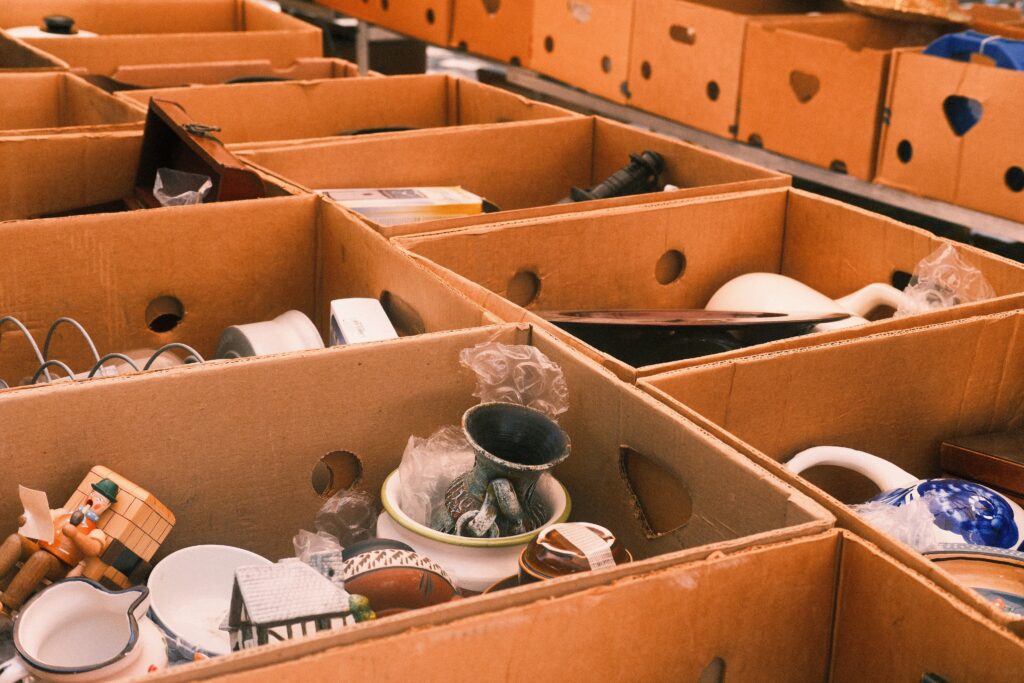
The 20/20 Rule is one of the most useful decluttering hacks for breaking that habit. The rule is simple: if you can replace an item for less than $20 and within 20 minutes of where you live, you can safely get rid of it.
Think about those extra plastic bags stuffed under your sink, or the random kitchen gadget still in its box. Could you get a replacement at Target or Amazon for under $20 if you ever truly needed it? Almost certainly. So why keep it around, taking up space and creating mental clutter?
This rule is especially helpful for people who grew up in households where saving everything was normal. It gives you a logical, guilt-free way to let go. Furthermore, it challenges the “just in case” mindset head-on, which is often what holds people back from making real progress.
Who it works best for: If anxiety around getting rid of things is your main barrier, this rule gives your brain the logical permission it needs. It works well as a companion to other methods too, not just on its own.
Also read: Decluttering Garage: 10 Steps to Finally Take Back Your Space (Without Spending a Fortune)
4. The Minimalist Game (30-Day Challenge)
Best for: People who need structure, accountability, and a little fun.
This one was created by Joshua Fields Millburn and Ryan Nicodemus, known as The Minimalists. They turned decluttering into a game, and honestly, it’s genius.
Here’s how it works. On Day 1 of the month, you get rid of one item. On Day 2, two items. Day 3, three items. And so on. By the end of a 31-day month, if you go all the way through, you will have removed nearly 500 items from your home.
What makes this approach different from other decluttering tips is the social element. The game was designed to be played with a friend, family member, or coworker. You keep each other accountable, share photos, and cheer each other on. There’s even a hashtag, #MinsGame, with thousands of people on social media doing it together every month.
The early days are easy. Getting rid of one old phone charger or two expired spice jars is no big deal. But as the numbers climb, you start making more meaningful decisions. By Day 20, you’re digging into bookshelves and closets and really evaluating what you own.
Who it works best for: This is one of the most motivating decluttering methods for people who respond well to challenges and community. If you’re competitive or just need a push to get started, this game can genuinely make it fun.
5. The One-In-One-Out Rule
Best for: People who have already decluttered and want to stay that way.
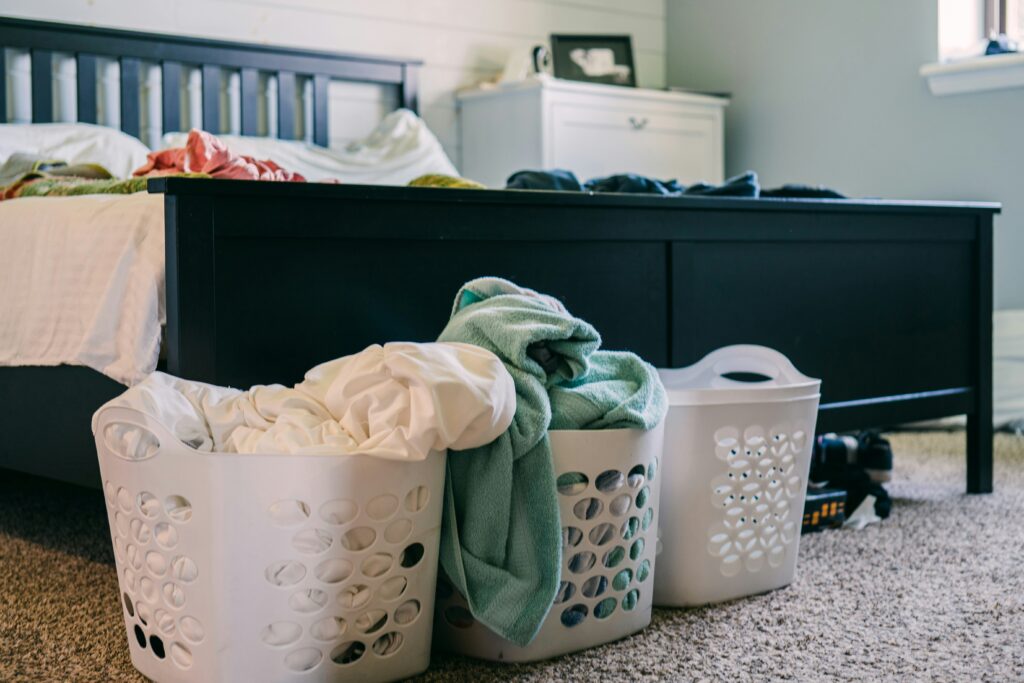
This last method is less about a one-time purge and more about a lifestyle habit. The rule is simple: before any new item comes into your home, one similar item must leave. Buy a new pair of sneakers? An old pair gets donated. Get a new coffee mug? One goes to Goodwill.
This is one of the most underrated decluttering hacks because it stops the problem at the source. Rather than spending every few years doing a massive cleanout, you maintain balance on a rolling basis. It applies to clothing, books, kitchen tools, kids’ toys, basically anything that tends to pile up over time.
Think of it this way. If your kitchen cabinet can comfortably hold twelve mugs and you currently have twelve, buying a new one without removing an old one means something won’t fit. The One-In-One-Out Rule keeps your space from creeping back toward chaos after you’ve done the hard work of clearing it out.
Who it works best for: This method works best as a maintenance system after you’ve used one of the other methods above. It’s also great for people who are prone to impulse buying or live in smaller homes and apartments where space is already tight.
Also read: Minimalist Nightstand Organization: What to Keep & What to Toss
So Which Method Is Right for You?
Here’s a quick way to think about it. If you want to completely overhaul your entire home and you love a mindful approach, start with KonMari. If you just need to get moving and want something simple and flexible, try the Four Box Method. If anxiety and indecision are your biggest enemies, use the 20/20 Rule to clear the fog. If you need fun and accountability to stay motivated, the Minimalist Game might be your best bet. And once you’ve done the heavy lifting, adopt the One-In-One-Out Rule so you never have to start from scratch again.
The truth is, the best decluttering methods are the ones you’ll actually do. You don’t need to pick perfectly. You just need to pick something and start. Even clearing out one junk drawer this weekend is a real win.Your home doesn’t have to be a source of stress. With the right approach and a little patience, it can genuinely become a place that feels calm, easy to manage, and like yours again. You’ve got this.
Featured image credit: Photo by Nicolas J Leclercq on Unsplash
Leave a Reply