
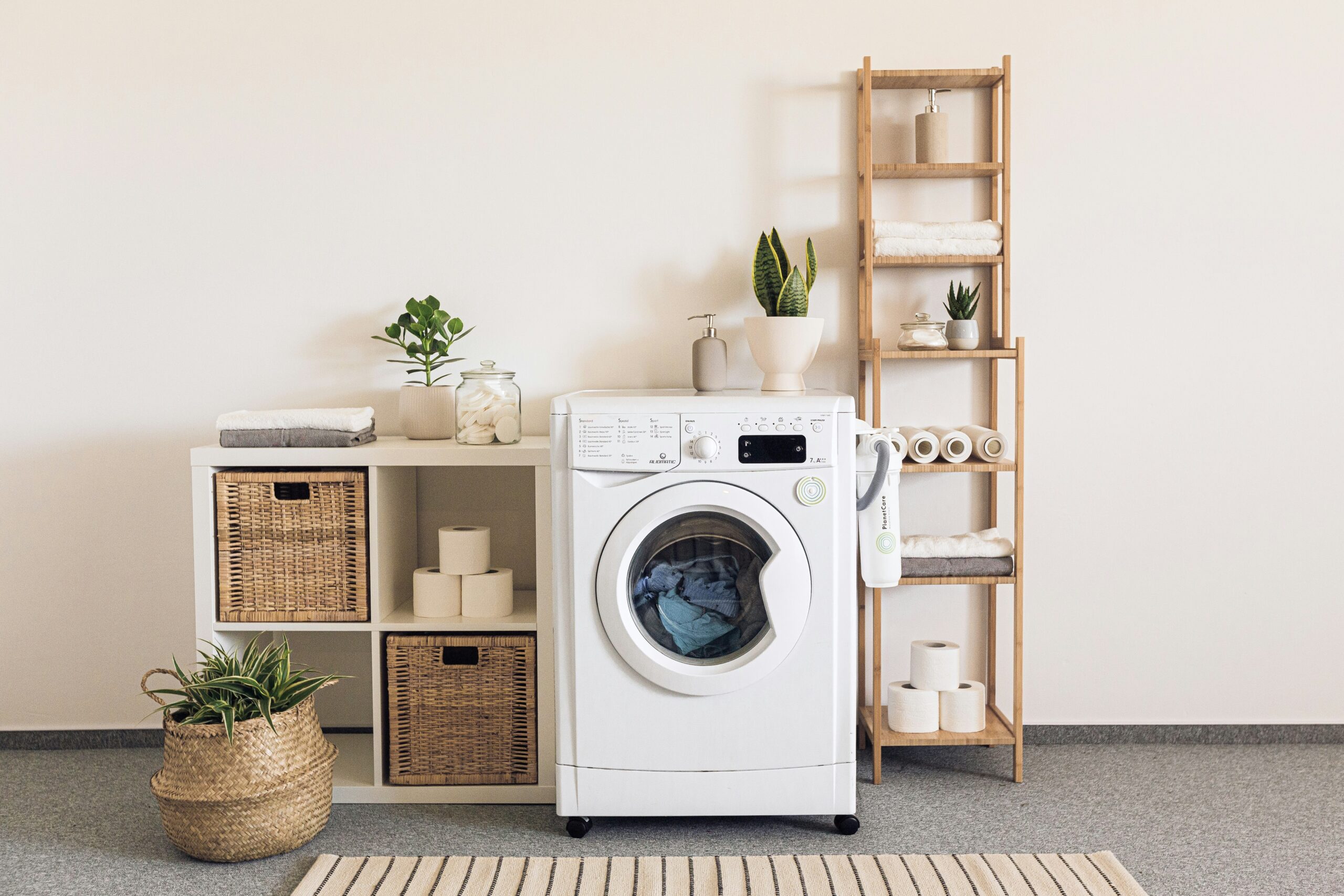
Laundry rooms often carry more emotional weight than people expect. Clothes pile up quickly, detergent bottles multiply, and the space starts feeling harder to manage than it should. Over time, this can also affect hygiene habits, because clutter makes it easier to delay washing, folding, or sorting. A study on household routines has shown that cluttered environments can increase perceived stress in daily tasks, especially repetitive ones like laundry.
This is where practical laundry room organization ideas become useful. You do not need a perfect or expensive setup. What matters is building a simple system that keeps things visible, reachable, and easy to reset after each laundry cycle. Once that structure is in place, the room starts working with you instead of against you.
Why laundry room order matters more than it seems
A laundry room is not just a utility corner. It directly affects how smoothly your household routine runs. When detergent spills, mismatched socks, and random cleaning supplies build up, you spend extra time searching instead of doing the task itself.
From my own experience, the biggest change happens when you reduce “decision fatigue.” If everything has a place, you stop thinking so much about where things are. That alone makes laundry feel lighter and less delayed. It also reduces waste because you stop overbuying items you already own but cannot find.
Step-by-step laundry room organization process
1. Start by removing everything from the space
Before improving anything, you should empty shelves, counters, and floor areas. This step feels slightly overwhelming at first, but it helps you see the real capacity of your room.
As you take items out, group them loosely: detergents, cleaning tools, stain removers, laundry accessories, and “unknown items.” You will often find half-empty bottles and expired products you forgot about.
At this stage, do not organize. Just observe what you actually use.
2. Remove items you do not need anymore
This step has the biggest impact on space. You should consider letting go of:
- Expired detergents or fabric softeners
- Stain removers that did not work for you
- Broken clips, hangers, or baskets
- Duplicate products you never reach for
- Old rags that no longer clean properly
I usually notice that nearly 20–30% of laundry items in a typical home are unnecessary. This is a general observation, not a fixed rule, but it often holds true in small households. Keeping fewer products makes your shelves visually lighter and easier to maintain.
Also read: How to Declutter Your Home in 30 Days: A Realistic Plan That Actually Feels Manageable
3. Divide your laundry room into clear zones
Instead of treating the room as one storage area, split it into simple zones:
- Washing zone: detergent, softener, stain spray
- Drying zone: clothespins, drying rack, mesh bags
- Folding zone: clean surface or counter
- Storage zone: extra supplies, seasonal items
This structure reduces confusion. When each zone has a purpose, you stop mixing clean and dirty workflows.
If you have a small space, even two zones are enough. The idea is clarity, not perfection.
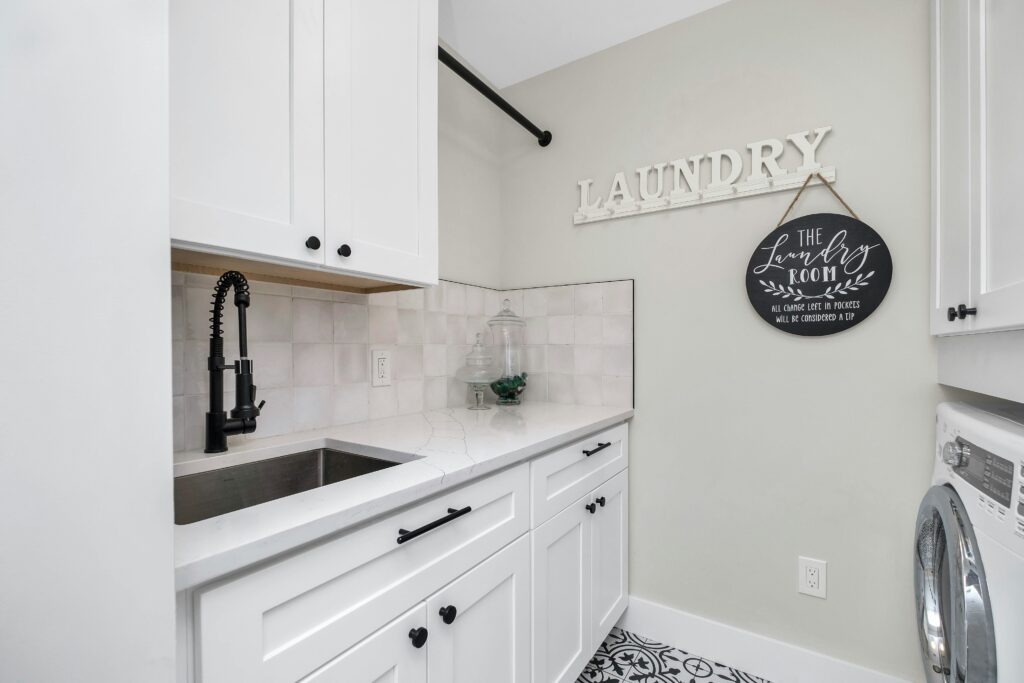
4. Use vertical space before adding more furniture
Most laundry rooms feel small because wall space is unused. You can fix this with simple additions:
- Wall-mounted shelves for detergents
- Hanging rods for freshly ironed clothes
- Over-the-door organizers for small items
- Stackable bins for bulk storage
These are often more effective than buying larger cabinets. In my experience, vertical storage increases usable space without making the room feel crowded.
If you are considering a laundry room organization cabinets setup, choose open or semi-open designs so you can see items quickly.
5. Group items using simple storage containers
Once zones are ready, place items into containers based on function. You do not need expensive products. Even basic baskets or labeled bins work well.
Helpful options include:
- Clear plastic bins for visibility
- Fabric baskets for soft storage
- Drawer dividers for small items
- Glass jars for pegs or powders
- Rolling carts for flexible storage
Many people prefer a laundry room organization baskets system because it allows easy movement and quick cleaning.
Labeling is important here. Even simple handwritten labels help maintain order over time.
6. Add a simple folding and sorting system
One of the most common issues in laundry rooms is “temporary dumping.” Clean clothes sit on chairs or machines because there is no folding system.
You can solve this by:
- Adding a small folding table or wall-mounted drop shelf
- Keeping two bins: “to fold” and “to store”
- Folding clothes immediately after drying when possible
This step prevents clean laundry from becoming clutter again.
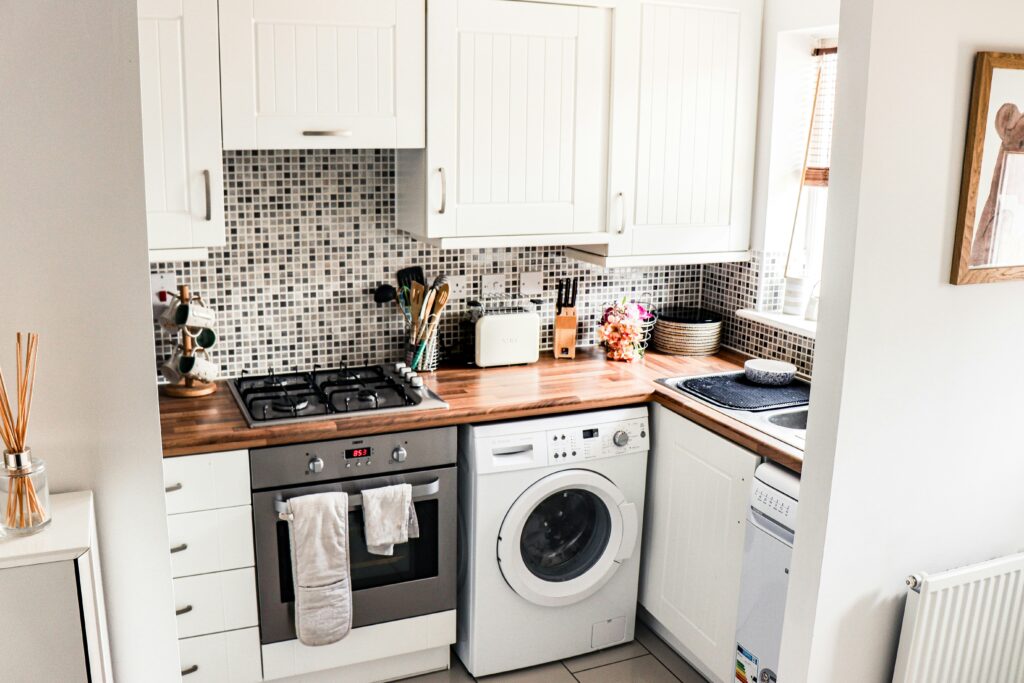
Laundry room storage ideas for different household needs
Different households need different setups. A single system does not fit everyone.
- For families with kids: use low bins so children can help sort clothes
- For couples: separate labeled baskets for each person’s laundry
- For men-focused households: simpler layouts with fewer categories work better
- For women’s clothing storage: add divided sections for delicate fabrics and accessories
These adjustments make the system easier to follow in real life, not just in theory.
Also read: 13 Brilliant Storage Ideas for Small Spaces That Work in Every Room
Small changes that improve everyday use
From my own experience, small adjustments matter more than large redesigns. Consider adding:
- Wall hooks for reusable laundry bags
- Scented sachets for freshness
- A small trash bin for lint and packaging
- Measuring cup holder for detergent
These items seem small, but they reduce friction during daily use.
Practical 7-day organization plan
If your laundry room feels overwhelming, you can spread the work:
Day 1: Empty and clean the space
Day 2: Sort and discard unused items
Day 3: Install shelves or hooks
Day 4: Add baskets and bins
Day 5: Assign zones
Day 6: Label everything
Day 7: Test and adjust system
This gradual approach prevents burnout and makes the process easier to complete.
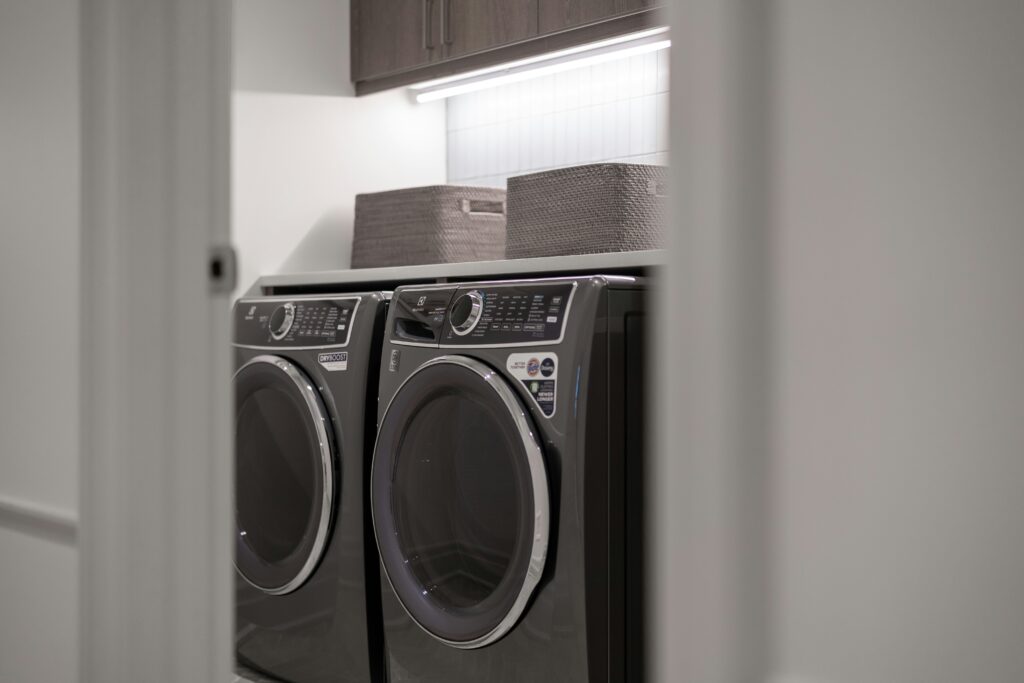
Small storage hack that saves space
A useful but often ignored trick is using flat wall-mounted file holders for cleaning cloths and laundry sheets. They take almost no space and keep thin items from getting lost. Another simple idea is storing dryer sheets inside pillowcases to keep them contained and easy to grab.
What to be careful about
Try not to overbuy storage containers before you sort your items. This often leads to mismatched sizes and wasted money. Also, avoid storing open detergents near moisture or direct heat, as it can affect their texture and effectiveness over time. Keep airflow in mind so the room stays dry and safe.
A few last words
Good laundry room organization ideas are not about making the space look perfect. They are about reducing effort in small daily tasks so laundry does not feel like a constant burden.
If your system stays simple, flexible, and easy to reset, it will naturally hold up over time. You do not need a perfect setup to feel a real difference. Even small changes can make your routine noticeably smoother and more manageable.
Featured image: Photo by PlanetCare on Unsplash
Leave a Reply