
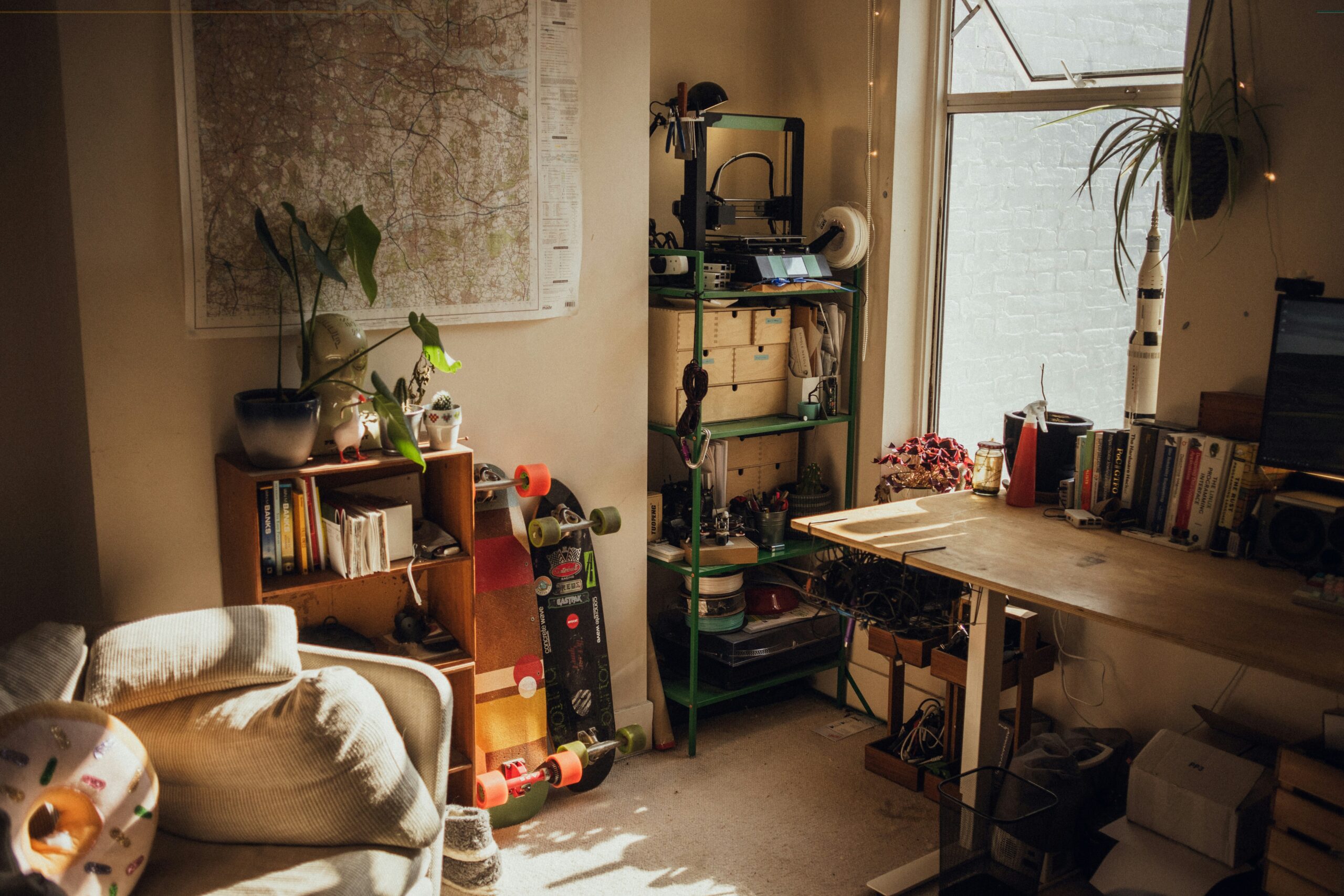
You clean a room, fold everything, and put things back where they belong. But somehow, the space still feels messy again within a day or two. That slow frustration of “why is my room always messy even after I just cleaned it” can feel confusing, especially when you are trying your best.
The truth is, most homes do not stay cluttered because of lack of effort. They stay cluttered because of small organization mistakes that repeat across rooms. Once you see the pattern, it becomes easier to fix. In this guide on organization mistakes to avoid, I will walk you through those patterns in a calm, practical way so your space starts staying organized for longer, not just looking good for a moment.
Why your home still looks cluttered despite decluttering: the real pattern underneath
Most people assume clutter is only about “too many things.” That is only partly true. In many homes, the real issue is that items do not have a clear system, so they slowly spread back into visible areas.
A common example is the living room table. You clear it completely, but within hours it holds remotes, chargers, cups, and mail again. This happens because there is no fixed home for “in-between items.” Research on habit formation shows that visual cues strongly influence behavior patterns, meaning if a surface is easy to drop things on, it becomes a default landing spot over time (general behavioral studies, see https://www.ncbi.nlm.nih.gov/).
The first correction is simple: every item needs a “return place” that is easier than leaving it out. Without that, decluttering only resets the mess temporarily.
Also read: 50 Tiny Things to Declutter That Quietly Make Your Home Feel Messy
1. Entryway clutter that spreads into the whole house
The entryway often becomes the “temporary storage zone.” Shoes, bags, keys, and unopened mail collect here because it feels like a quick drop zone after a long day.
The problem is not the entryway itself, but the lack of boundaries. When everything enters without structure, the rest of the house absorbs that chaos slowly.
To fix this, you should create three fixed zones near the entrance:
- A small tray or bowl for keys and small items
- A closed basket for bags and daily carry items
- A shoe rack or low shelf for footwear
A simple wall hook system also helps, especially in small homes where floor space is limited. Once these zones exist, clutter stops traveling deeper into the house.
Also read: 10 Brilliant Entryway Organization Ideas for Small Spaces
2. Living room surfaces that collect “everything in transit”
The living room often looks messy even after cleaning because it becomes a temporary waiting area for things that belong elsewhere.
This includes folded laundry, snacks, documents, and random household items. You might notice that even after tidying, the space feels “not settled.” That is usually because there is no containment system for temporary items.
A better approach is to introduce soft containment:
- One decorative storage box for remotes and chargers
- A tray system on tables for small daily items
- A basket under the coffee table for quick resets
These are not decorative extras. They act like boundaries. Without them, surfaces naturally attract clutter again because they remain open and undefined.
A limitation here is that open baskets can look messy if overfilled. The key is to keep them intentionally half-filled so they stay visually calm.
Also read: Living Room Decor: Accessories That Make It Modern and Cultured Without Trying Too Hard
3. Kitchen clutter caused by poor grouping, not lack of cleaning
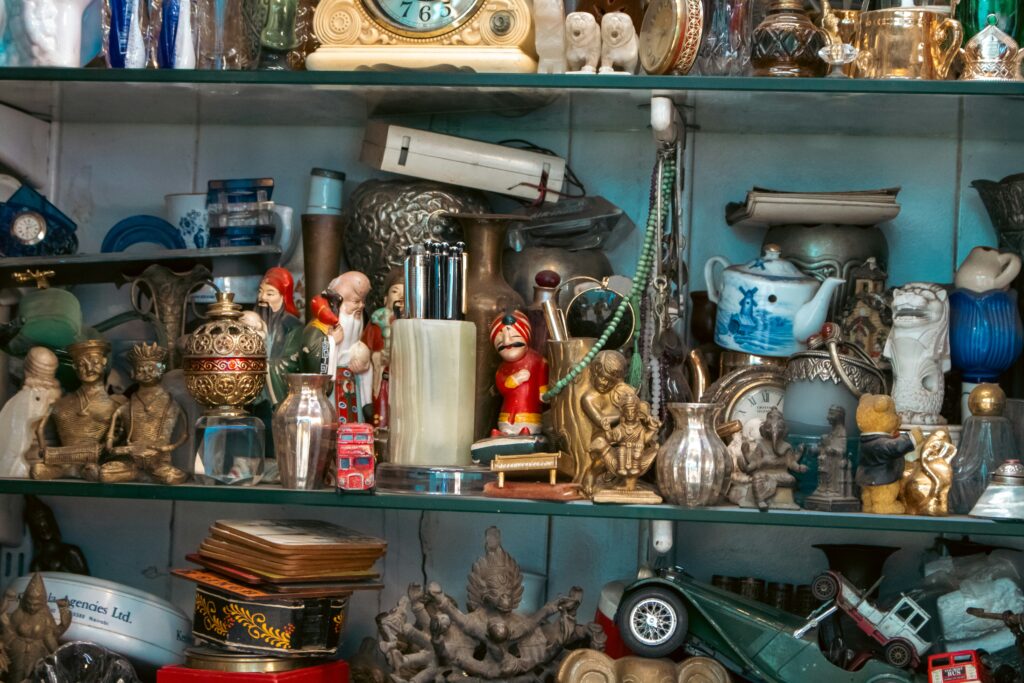
Kitchens often feel chaotic even when clean because similar items are scattered. Spices in one corner, utensils in another, and cooking tools mixed with storage containers.
This creates visual noise. Your brain reads it as disorder even when everything is technically “clean.”
To fix this, group by function instead of category alone:
- Cooking zone: oils, spices, utensils
- Prep zone: chopping boards, knives, bowls
- Storage zone: containers, wraps, dry goods
Clear jars or labeled containers also help reduce confusion, but only when grouping is already correct. Otherwise, labeling alone will not solve the problem.
Many people think they need more space in the kitchen. In reality, they often need better grouping within existing space.
Also read: 13 Kitchen Shelving Ideas That Make Small Kitchens Feel Bigger and More Organized
4. Bedroom clutter that returns because of missing daily reset systems
Bedrooms often look cluttered again quickly because they hold mixed-purpose items: clothes, skincare, books, and personal accessories all in one space without structure.
A common mistake is relying only on a wardrobe for everything. When everything goes into one closed space without internal order, it becomes harder to maintain.
Instead, you should create small zones:
- A landing chair or hook for worn-but-not-dirty clothes
- A bedside tray for daily essentials
- A single basket for “needs sorting later” items
This reduces surface chaos and makes daily reset easier. Without this, even a clean bedroom quickly becomes visually heavy again.
Also read: Small Room, Big Potential: Bedroom Organization Ideas That Cost Almost Nothing
5. Bathroom clutter caused by overexposure
Bathrooms often look messy because too many items stay visible on counters. Moisture and daily use also make things feel more chaotic than they are.
The solution is controlled visibility:
- Keep only daily-use items on the counter
- Store backups and extras in closed cabinets or baskets
- Use vertical storage for small items like skincare or medicine
A small medicine-style organizer can help here, but it should not become a second dumping ground. If it fills up without structure, it creates the same problem in a smaller form.
Also read: 10 Bathroom Organization Ideas for a Spa-Like Space
A simple system to keep every room stable
Across all rooms, the pattern stays the same: clutter returns when items do not have defined homes or when homes are inconvenient.
A practical method you can apply is:
- Remove everything from one category (for example, all chargers or all skincare)
- Group identical items together
- Assign one fixed location per group
- Remove duplicates where possible
- Create a small “return habit” for daily use
Most people do steps 1 and 2 but skip steps 3 and 5. That is why clutter returns even after effort.
Also read: 5 Decluttering Methods Compared: Which One Works Best for You?
Small shifts that make a noticeable difference
One overlooked strategy is reducing “surface permission.” If a surface is empty, the brain treats it as available space for temporary placement.
You can gently change this by placing one intentional object on key surfaces, like a tray or a lamp. It signals that the space already has a purpose.
Another helpful shift is setting a short daily reset, even 10 minutes. Research on habit consistency shows that small daily maintenance prevents larger buildup over time (general behavioral science observations).
A quick note on what can quietly make things worse
One common mistake is buying organizers before sorting items. This often leads to fitting clutter into containers instead of reducing it. The space looks neater for a moment, but the system remains unclear.
It also helps to avoid over-labeling everything. Too many labels can make the system harder to maintain instead of easier. Keep it simple so it can survive busy days.
If your home still feels cluttered after decluttering, the issue is rarely effort. It is usually structure. Once items have clear homes, and those homes match your daily habits, the space naturally becomes easier to maintain.
You do not need a perfect system. You only need one that is simple enough to return to even on tiring days. That is usually the point where a home starts to feel calmer and more predictable, without constant re-cleaning.
If you take anything from this, let it be this: organization is less about removing things and more about giving everything a stable place to stay.
Featured image credit: Photo by Alex Russell-Saw on Unsplash
Leave a Reply