

Summer has a way of filling a home with things that seemed useful a few weeks ago. Beach bags sit by the door, water bottles collect on kitchen counters, children’s outdoor toys spread across the house, and summer clothes seem to multiply in every drawer. Then the weather starts changing, and you realize you need to put all of it away.
I find end-of-summer decluttering different from a normal whole-house cleanout. You already know which items you actually used during the season, so you have useful information to work with. Instead of pulling everything out and starting from scratch, you can review those summer-specific belongings while they’re still fresh in your mind. This summer decluttering challenge focuses on exactly that, with a practical sequence you can follow before you transition into the next season.
Why Declutter at the End of Summer?
The end of summer gives you a natural opportunity to review items that only come out during warmer weather.
You may have discovered that some beach towels never got used, a picnic basket stayed in the cabinet, or several outdoor toys were ignored while everyone’s attention went elsewhere. If you put everything straight back into storage, you’ll have to make those decisions again next year.
I prefer making those decisions while the season is still fresh. You remember what was useful, what was damaged, what was inconvenient, and what you kept reaching for.
This also makes the next seasonal transition easier because you’re not storing unnecessary items for another year.
How to Start Your Summer Decluttering Challenge
Before you begin, collect four things: a donation bag, a trash bag, a laundry basket for items that belong elsewhere, and a few reusable containers.
Don’t empty the entire house.
Instead, work through summer-specific categories one at a time. Finish one category before moving to the next. This prevents the common problem of creating several piles and then losing an entire afternoon trying to put everything away.
I also recommend taking a quick photograph of storage areas before you start. It can help you remember where seasonal items came from when you’re ready to put everything away.
Also read: Fall Decluttering Checklist: The Step-by-Step Home Reset to Prepare for Fall
1. Start with Summer Clothing
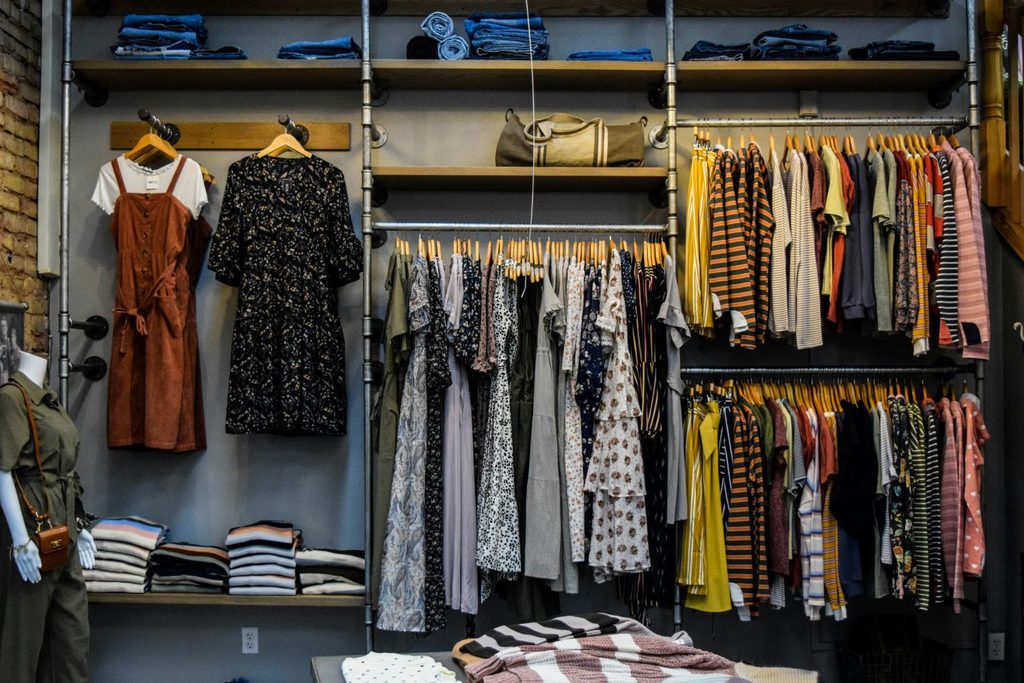
Summer clothing is one of the easiest places to see what you actually used.
Go through swimwear, shorts, lightweight dresses, sandals, beach cover-ups, sun hats, and other warm-weather pieces.
Don’t ask yourself whether you might wear something someday. Ask a more useful question: Did this item work for me this summer?
If a swimsuit no longer fits comfortably, a pair of sandals caused problems every time you wore them, or a lightweight shirt remained untouched all season, you already have useful information.
Separate items into three groups: keep for next summer, repair or wash before storage, and remove from your home.
You don’t need to turn this into a complete wardrobe declutter. Keep your attention on summer-specific clothing.
2. Check Swimwear and Beach Accessories
Summer activities often create small collections of specialized items.
Look at swimsuits, goggles, beach towels, waterproof bags, swim shoes, pool toys, and reusable water bottles.
Check for cracked plastic, broken zippers, stretched elastic, mildew, or other damage.
Wash and completely dry items you plan to store. A breathable fabric storage bag can work well for towels and fabric accessories, while a labeled plastic container can hold smaller equipment.
If something survived the summer in poor condition, don’t automatically give it another year in storage.
3. Declutter Summer Shoes
Shoes deserve their own quick review because they often get pushed into the back of a closet without being examined.
Look at sandals, flip-flops, water shoes, espadrilles, and other warm-weather footwear.
Check the soles and straps for damage. If you kept avoiding a particular pair because they were uncomfortable, that is useful information too.
Clean the shoes you plan to keep before storing them. Use a simple shoe box or breathable shoe bag if appropriate, and avoid putting damp footwear into closed storage.
Also read: 7 Space-Saving Shoe Storage Ideas for Any Home
4. Go Through Outdoor Toys and Games
Outdoor activities can create a surprising amount of clutter.
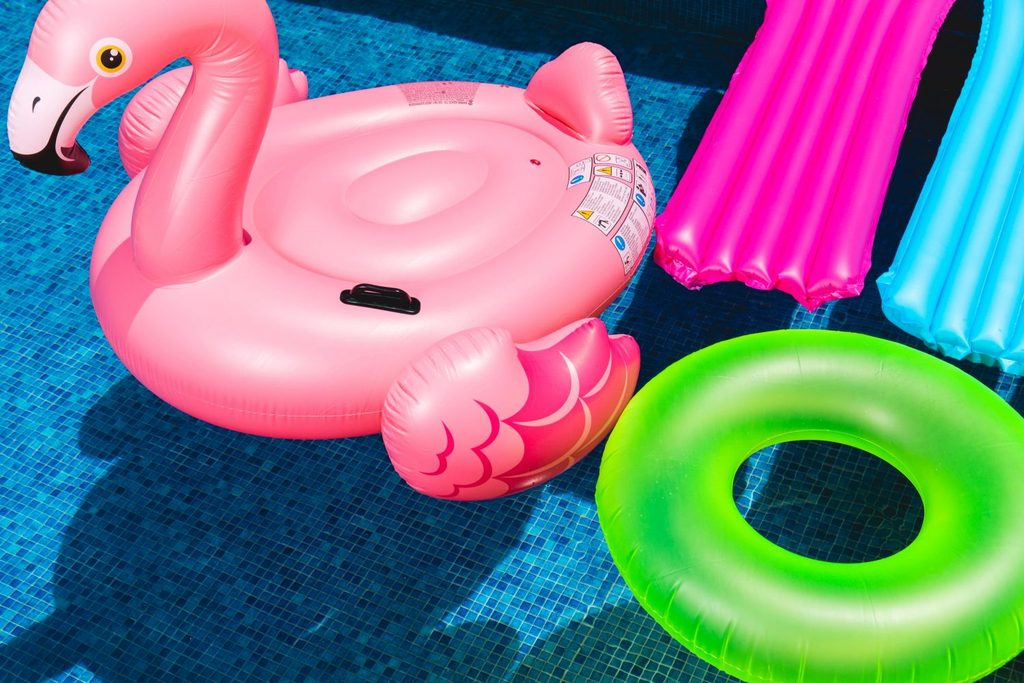
Check bicycles, scooters, balls, water toys, outdoor games, pool accessories, gardening toys, and children’s outdoor equipment.
Separate broken items from usable ones. For children’s toys, also look for pieces that belong together but have become separated.
A mesh laundry bag can be surprisingly useful for storing small outdoor toys together while allowing them to dry properly.
If your family didn’t use something throughout the summer, ask whether it realistically deserves storage space next year.
5. Review Picnic and Outdoor Dining Supplies
Summer often means picnic baskets, insulated bags, reusable plates, outdoor cups, food containers, and portable utensils.
Bring these items together and check them as one category.
Look for cracked containers, missing lids, stained insulated bags, and duplicates you rarely use.
If you have several reusable food containers without matching lids, don’t allow them to occupy an entire cabinet. Keep the useful sets together and remove the obvious problem pieces.
Then wash and dry everything before storing it.
6. Check the Kitchen for Summer-Specific Items
The kitchen may contain more seasonal belongings than you realize.
Look at ice-pop molds, specialty drinkware, ice trays, barbecue accessories, lemonade pitchers, picnic equipment, and other warm-weather supplies.
You don’t need to reorganize the whole kitchen. Simply gather the items you associate specifically with summer and assess them together.
This is also a good time to check the freezer for forgotten frozen foods, freezer-burned items, and ingredients you bought for a recipe you never made.
A small freezer inventory written on paper or stored on your phone can help you use what remains instead of buying duplicates.

7. Review Outdoor Entertaining Items
If you hosted people outdoors during the summer, you may have accumulated extra serving pieces, tablecloths, cushions, lanterns, or outdoor entertaining supplies.
Check each category before returning it to storage.
Ask whether the item worked well enough to justify keeping it. A tablecloth that constantly slipped or an outdoor cushion that became difficult to clean may not deserve another season.
Wash appropriate textiles before storage and make sure everything is completely dry.
A clear storage bin can help protect smaller outdoor entertaining items while making the contents easy to identify later.
8. Check Summer Travel Supplies
Travel creates temporary clutter that often stays around long after the trip.
Look at luggage, packing cubes, toiletry bags, travel bottles, neck pillows, beach bags, and other travel accessories.
Empty every bag before storing it. Check the small pockets too. You may find receipts, old tickets, sunscreen, snacks, or toiletries that you forgot about.
Wash travel bags if needed and allow them to dry completely.
If a travel accessory made packing easier this summer, keep it with your luggage. If you carried it everywhere but never actually used it, consider whether you need it for future trips.
9. Go Through Sunscreen and Summer Toiletries
Summer-specific personal-care products deserve attention before storage.
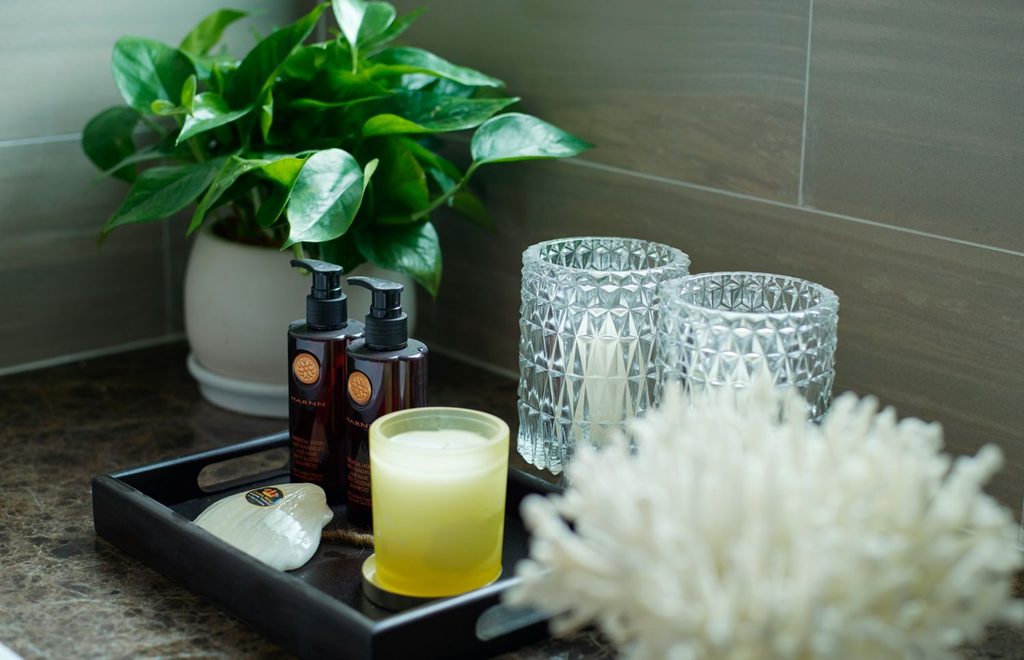
Check sunscreen, insect repellent, after-sun products, cooling sprays, and other seasonal toiletries.
Look at expiration information and follow the manufacturer’s instructions for each product. Don’t keep products simply because there is a small amount left if they’re no longer suitable for use.
Keep products you expect to use again in an appropriate storage location rather than scattering them across several bathroom cabinets.
10. Review Summer Bedding and Linens
If you use lightweight quilts, summer blankets, seasonal sheets, or special guest linens, check them before putting them away.
Wash and dry everything thoroughly.
Look for stains, tears, worn elastic, or fabric that no longer feels usable.
Fold textiles neatly and store them in breathable bags or suitable containers. Add a simple label if you have several seasonal bedding sets.
That small step saves you from opening every container next year just to find one set of sheets.
11. Check Summer Decor
This isn’t a fall decorating exercise. It’s simply a review of decorations you used specifically during summer.
Look at seasonal signs, table decorations, outdoor decorations, artificial flowers, themed textiles, and other warm-weather pieces.
If something broke during the season, deal with it now.
If you consistently left a particular decoration in its storage box because you didn’t like using it, you have useful information. You don’t need to store it again simply because you bought it for a previous summer.
12. Review Gardening and Outdoor Supplies
If you spent more time gardening during summer, this category can become surprisingly large.
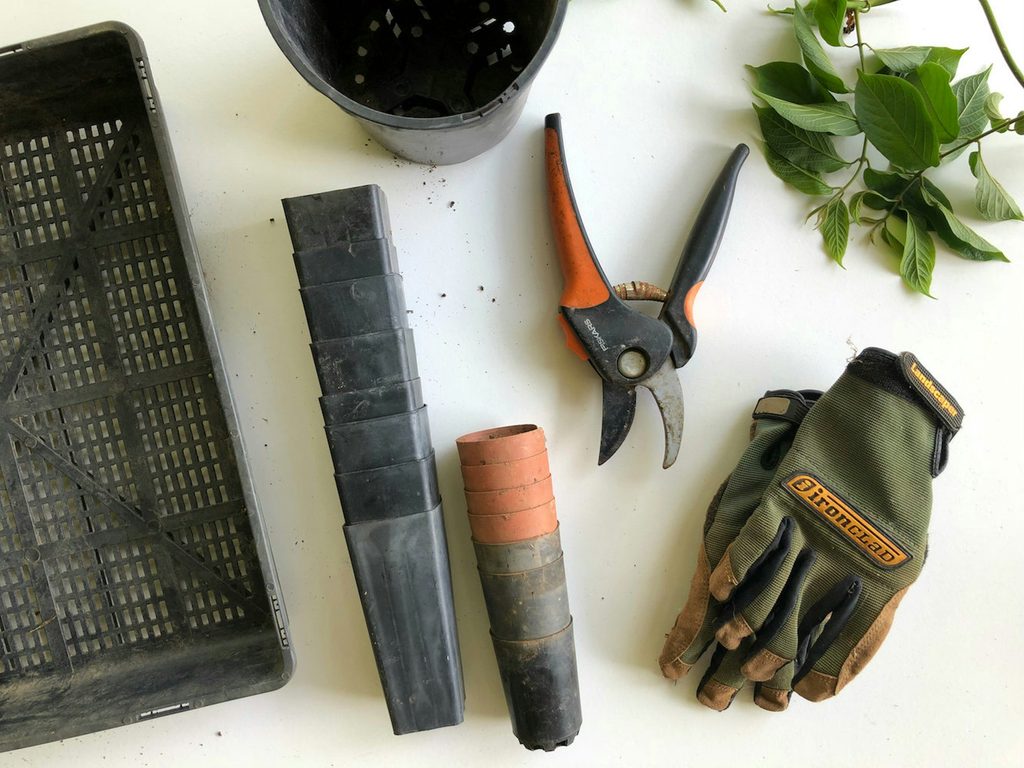
Check gardening gloves, plant supports, pots, watering accessories, tools, outdoor containers, and seasonal equipment.
Clean dirt from tools before storing them, and make sure anything that needs drying has completely dried.
Look at damaged plastic pots and broken tools rather than automatically putting them back into the shed or garage.
For small supplies, inexpensive labeled containers can keep things such as plant ties, clips, and hand tools together.
13. Check Summer Cleaning Supplies
Some households use specific cleaning products or equipment more heavily during summer.
Think about outdoor cleaning brushes, patio supplies, pool maintenance products, car-cleaning accessories, and specialized stain removers.
Group these supplies together and check what remains.
Dispose of products according to their labels and local disposal guidance rather than pouring unknown chemicals down the drain.
The goal here is simple: know what you already have before buying more next summer.
Also read: 11 Cleaning Closet Organization Ideas That Make Cleaning Supplies Easy to Find
14. Deal With the Things You Kept “Just in Case”
This is one of the most useful parts of an end of summer declutter.
You may find things you didn’t use but kept because you thought you might need them later.
Summer gives you a helpful test period. If an item was available throughout the season and you never reached for it, that’s meaningful evidence.
You don’t need to remove every rarely used item from your home. Some things genuinely serve occasional purposes. However, seasonal storage should not become a place where every uncertain decision goes.
Also read: 50 Tiny Things to Declutter That Quietly Make Your Home Feel Messy
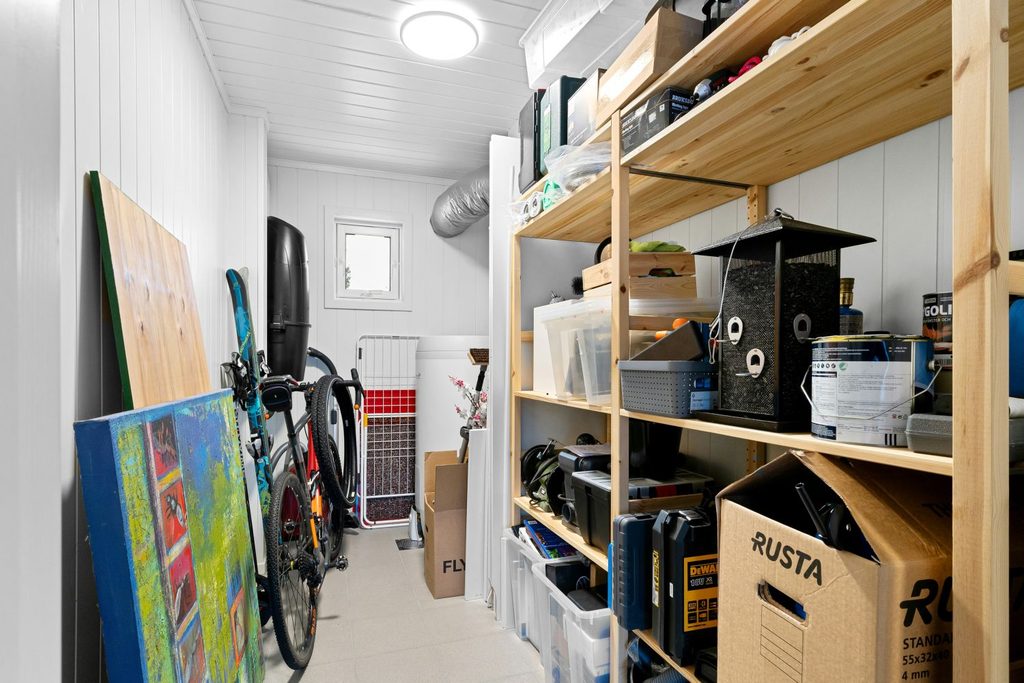
15. Finish with Your Seasonal Storage
Only after you’ve completed the categories should you put things away.
Group similar items together rather than filling boxes randomly.
For example, keep swim accessories together, outdoor games together, and picnic supplies together.
Label containers clearly. “Summer outdoor” isn’t very helpful six months later. “Beach towels and swim accessories” tells you exactly what’s inside.
Clear bins can help when you need to see the contents quickly, while inexpensive opaque bins work well when you use large, readable labels.
A Summer Decluttering Trick That Saves Time
I use a “decision box” when I get stuck on an item.
Instead of putting something back immediately or making a rushed decision, place it in the box with a note about why you’re unsure. Finish the rest of the seasonal decluttering first.
When you return to the box, you’ll often find that the decision feels easier because you have already seen how much you actually used during the season.
Another useful trick is to keep one empty container specifically for next year’s summer items. As you find something during the following months that belongs with your summer supplies, you already have somewhere to put it.
Don’t Let Storage Become a Hiding Place
The biggest mistake you can make during seasonal decluttering is putting everything into a container simply because you don’t want to decide.
Storage doesn’t eliminate clutter. It only moves it somewhere else.
However, don’t pressure yourself to discard useful items simply because you didn’t use them this summer. Weather, travel, health, family circumstances, and other factors can change how much you use certain belongings. Use your actual circumstances rather than a rigid rule.
Your Final Summer Reset
Before you finish, walk through the house once.
Check the entryway, closets, bedrooms, kitchen, bathroom, outdoor spaces, garage, and storage areas.
Ask yourself:
- Did I clean and dry seasonal items before storing them?
- Did I remove damaged summer belongings?
- Did I separate items that need repair?
- Can I find each seasonal category easily?
- Did I avoid storing things simply because I wasn’t sure what to do with them?
- Do I know what I already own for next summer?
Write down anything that requires repair or replacement instead of immediately adding it to your shopping list.
Also read: Winter Decluttering Checklist: How to Prepare Your Home for Winter, Christmas & the Holidays
A Few Last Words
A summer decluttering challenge doesn’t need to become an exhausting whole-house project. Focus on the things summer activities brought into your home, review them while you still remember how useful they were, and store only what deserves another season of space. By finishing this process before the weather changes, you make the next seasonal transition simpler and start with a home that feels easier to manage.
Leave a Reply