
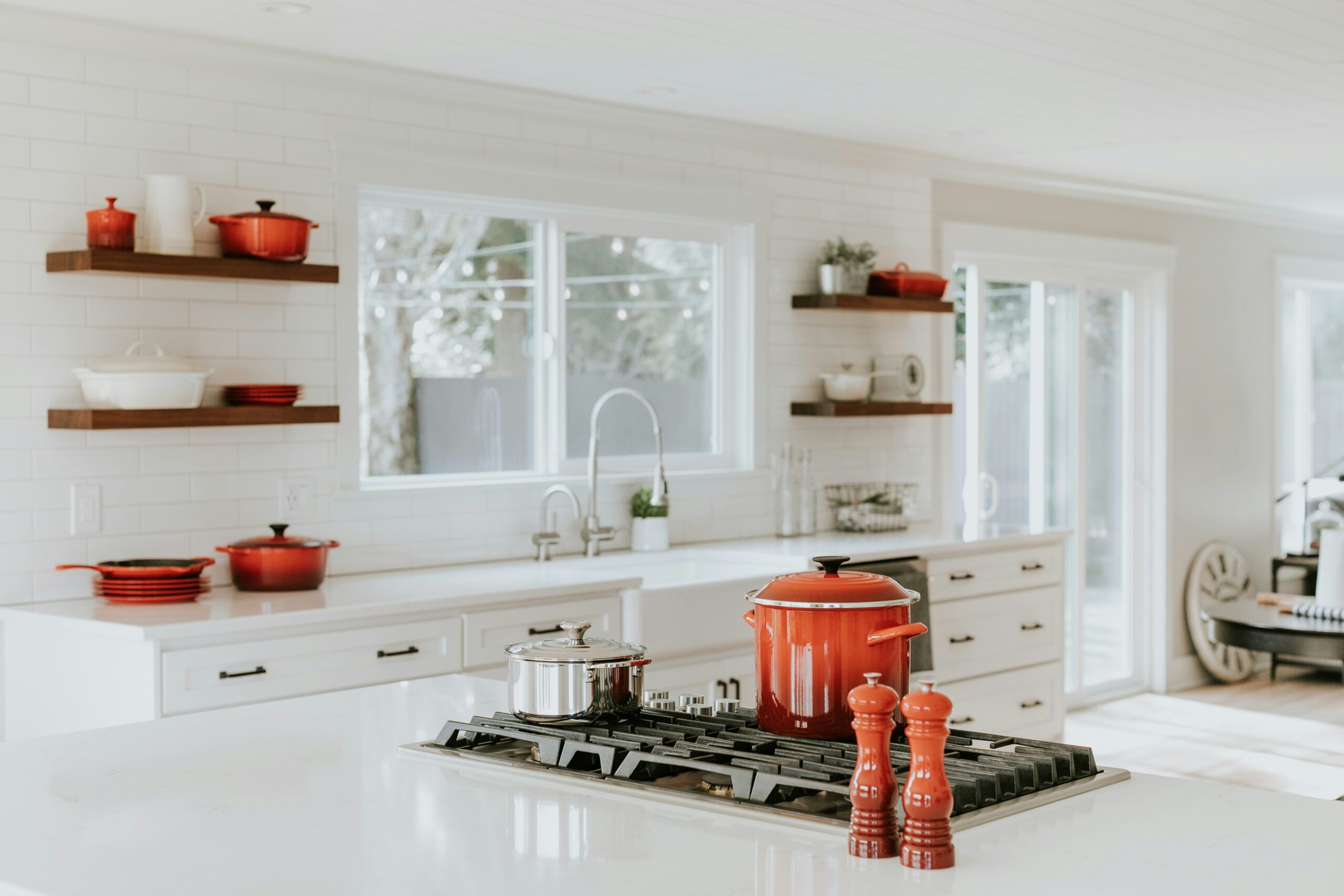
You wipe the counters, put dishes away, and fold the kitchen towels neatly. Yet somehow, the kitchen still feels busy and tiring to use. A cabinet becomes difficult to close. Pantry items disappear behind each other. You buy ingredients you already had because you could not see them properly.
Many people assume they need a larger kitchen when the real issue is usually organization. I noticed this in my own kitchen after spending too much time searching for simple things like measuring spoons or food containers during busy evenings. Once I adjusted how the kitchen worked instead of cleaning it more often, daily cooking became calmer and faster.
Good kitchen organization ideas are not about creating a perfect showroom kitchen. They are about reducing small frustrations that quietly drain your energy every day. According to organizing experts featured by Good Housekeeping Home Organization, homes stay organized more easily when storage systems match daily habits instead of ideal routines.
The good news is that you do not need to reorganize everything at once. Small changes in the right places usually create the biggest difference.
Why Most Kitchens Feel Cluttered Even After Cleaning
A kitchen can look clean and still feel stressful. This usually happens because clutter is not only about mess. It is also about friction. When everyday items feel hard to reach, when surfaces collect random objects, or when storage feels overcrowded, your brain notices the strain even if the room looks tidy.
Many kitchens slowly become storage spaces for delayed decisions:
- duplicate tools
- expired pantry foods
- unused appliances
- random containers without lids
- papers and grocery bags
Over time, these small things compete for space with the items you actually use every day.
That is why kitchen organization works best when you focus on function first. Before buying containers or labels, pay attention to how you move through the kitchen during normal routines.
Start With the Areas You Use Every Single Day
The fastest way to improve kitchen organization is to begin with the spaces you touch constantly.
Clear the Counter Before Organizing Anything Else
Countertops affect the entire feel of a kitchen. Even a few crowded corners can make cooking feel more overwhelming than it needs to.
Start by removing everything from the counters. Then return only the items you use almost daily:
- coffee machine
- cooking oils
- knife block
- kettle
- fruit bowl
Everything else should earn its place carefully.
One thing that helped me personally was creating a small tray near the stove for oils, salt, and spices I reach for constantly. Instead of spreading across the counter, those items stayed contained in one easy-to-clean area.
If your kitchen is small, consider using vertical space instead of filling counters further. Wall hooks, magnetic strips, or hanging baskets often help more than larger storage bins.
Stop Letting Drawers Become “Random Stuff” Storage
Kitchen drawers collect clutter quietly because they feel hidden.
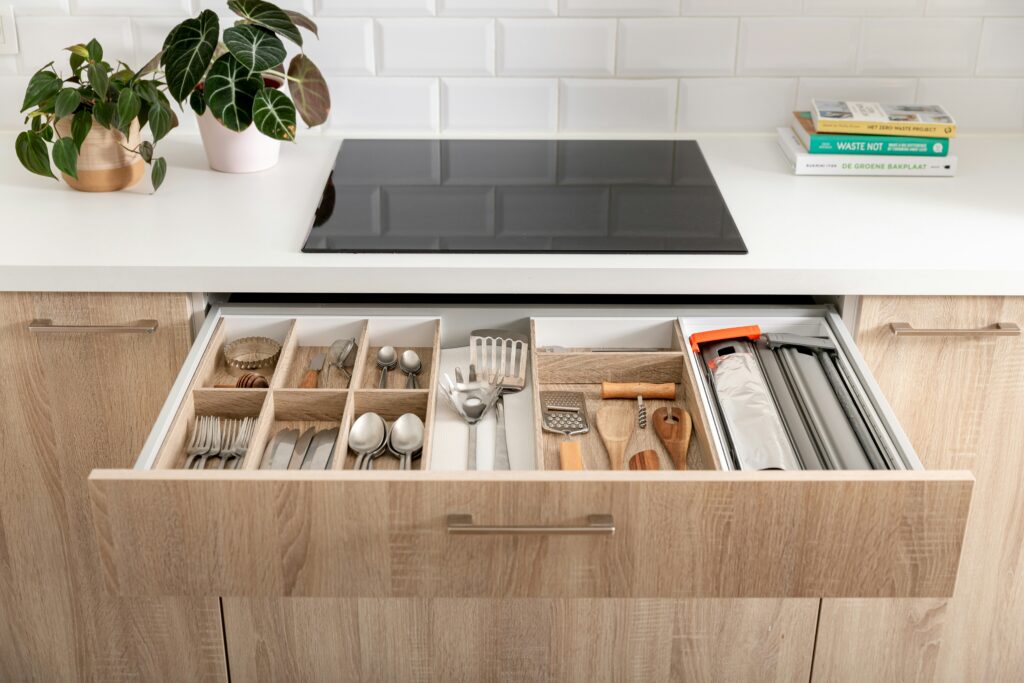
Utensils mix with batteries, takeout menus, rubber bands, and old grocery lists until opening the drawer becomes frustrating. The easiest fix is to organize drawers by purpose instead of size.
For example:
- cooking utensils together
- food wraps together
- baking tools together
- linens together
Avoid creating too many tiny categories. Highly detailed systems often become difficult to maintain during busy weeks.
Also, remove duplicate tools honestly. Most people only use one or two favorite spatulas, wooden spoons, or peelers regularly.
Make Cabinets Easier to Reach and Put Away
Cabinets usually become cluttered because items stack too deeply or disappear behind each other.
Begin by grouping similar items together:
- plates
- bowls
- glasses
- baking supplies
- storage containers
Then place the most frequently used items where your hands naturally reach first.
One of the most useful kitchen organization hacks is leaving small empty spaces inside cabinets. Completely packed shelves create frustration because putting items away becomes harder every day.
The Storage Areas That Quietly Create Stress
Some kitchen spaces stay hidden most of the time, but they affect your routines more than you realize.
The Pantry Problems That Lead to Food Waste
Pantries often become crowded because food arrives faster than it gets sorted.
Many people unknowingly buy duplicates simply because existing items disappear behind each other. I once found three open bags of rice in my pantry because none of them stayed visible long enough.
A practical pantry system should help you answer two questions quickly:
- What do I already have?
- What needs to be used soon?
Group foods into broad categories:
- snacks
- canned goods
- grains
- breakfast foods
- baking ingredients
You do not need matching containers for everything. Clear labels and visibility matter more than perfection.
One simple habit that helps a lot is creating a “use first” basket for foods nearing expiration dates.
According to the EPA guide on reducing food waste at home, households waste large amounts of food yearly, often because ingredients become forgotten in crowded storage spaces.
Also read: 15 Pantry Organization Hacks That Actually Work
Why Refrigerators Become Messy So Fast
Refrigerators collect clutter differently from cabinets because food changes constantly.
Leftovers move around shelves, vegetables disappear into drawers, and sauces multiply quietly in the door compartments.
Instead of organizing by appearance alone, organize by zones:
- dairy together
- leftovers together
- vegetables together
- sauces together
Clear containers help because visibility reduces forgotten food.
Another helpful habit is checking the refrigerator briefly before grocery shopping. This small pause prevents overbuying and makes meal planning easier.
Small Appliances Usually Take More Space Than You Think
Air fryers, mixers, blenders, rice cookers, and coffee machines can slowly take over cabinets and counters.
Keep appliances based on actual frequency of use, not guilt about spending money on them.
If an appliance only comes out once or twice a year, move it to higher storage areas instead of giving it prime kitchen space.
At the same time, avoid forcing yourself into extreme minimalism. If something genuinely supports your daily cooking habits, keeping it accessible makes sense.
Organize Around Your Cooking Habits, Not Pinterest Photos
One common mistake in kitchen organization is copying systems that do not match real life. A beautiful kitchen setup will still fail if it fights your actual habits.
Create Small Zones That Match Real Life
Think about your routines first. If your mornings revolve around coffee, create a small coffee zone with mugs, spoons, and coffee supplies together. If children regularly grab snacks, create one reachable snack shelf instead of scattering items throughout the kitchen. These zones reduce unnecessary movement and make the kitchen feel smoother to use.
Give Everyday Items a “Home”
Clutter usually returns when objects do not have clear resting places. Trays, baskets, drawer dividers, and hooks help because they create boundaries. Even simple systems make daily cleanup easier.
One surprisingly effective trick is keeping a small “temporary basket” for random items that enter the kitchen during the day. Instead of forming several clutter piles, everything stays contained until you have time to sort it properly.
What to Keep Near the Stove and What to Move Away
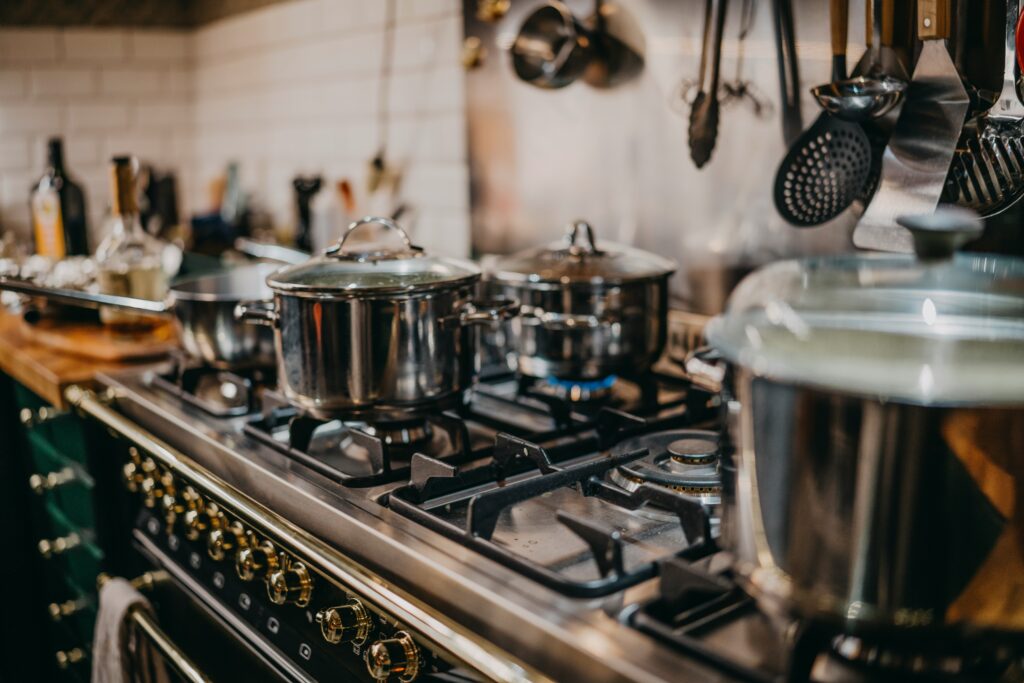
Store frequently used cooking tools close to your prep and cooking areas:
- oils
- spices
- spatulas
- tongs
- oven mitts
Move less-used items farther away.
This sounds obvious, but many kitchens become frustrating because storage does not match movement patterns. The most important part of kitchen organization is reducing repeated effort during everyday tasks.
Small Kitchens Need Different Solutions
Small kitchens require flexibility more than perfection.
Instead of trying to fit more into every inch, focus on making the space feel easier to move through.
Use vertical storage whenever possible:
- shelf risers
- hanging hooks
- stackable bins
- magnetic storage
You should also store bulky or seasonal items outside the kitchen if possible. Large serving trays or holiday cookware do not always need everyday access.
Open shelving can work well too, but only when you avoid overcrowding it. Leave visual breathing room between objects. Slightly empty shelves often make small kitchens feel larger and calmer.
Tiny Habits That Keep the Kitchen Organized Longer
Most organized kitchens stay manageable because of small repeated habits, not massive cleaning sessions.
One helpful routine is doing a quick evening reset:
- clear counters
- return items home
- check leftovers
- empty sink clutter
This usually takes less than ten minutes once systems settle into place.
Another helpful habit is shopping with storage space in mind. Before buying a new appliance, container set, or bulk grocery item, ask yourself where it will realistically live.
And finally, leave some empty space on purpose. Empty shelves and drawers are not wasted. They create flexibility for real life.
Also read: How to Declutter Your Home in 30 Days: A Realistic Plan That Actually Feels Manageable
A Kitchen Should Support Your Routine, Not Fight It
Good kitchen organization ideas are not really about containers, labels, or perfect shelves. They are about creating less friction in your daily routines.
When your kitchen supports the way you actually cook and live, small tasks become easier. Cleaning feels lighter. Meal prep becomes less stressful. Even busy mornings feel calmer because you stop searching for things constantly.
You do not need to organize everything this weekend. Start with one counter, one drawer, or one cabinet. Small systems usually last longer because they leave room for real life instead of demanding perfection.
Also read: 50 Tiny Things to Declutter That Quietly Make Your Home Feel Messy
Featured image credit: Photo by Becca Tapert on Unsplash
Leave a Reply