
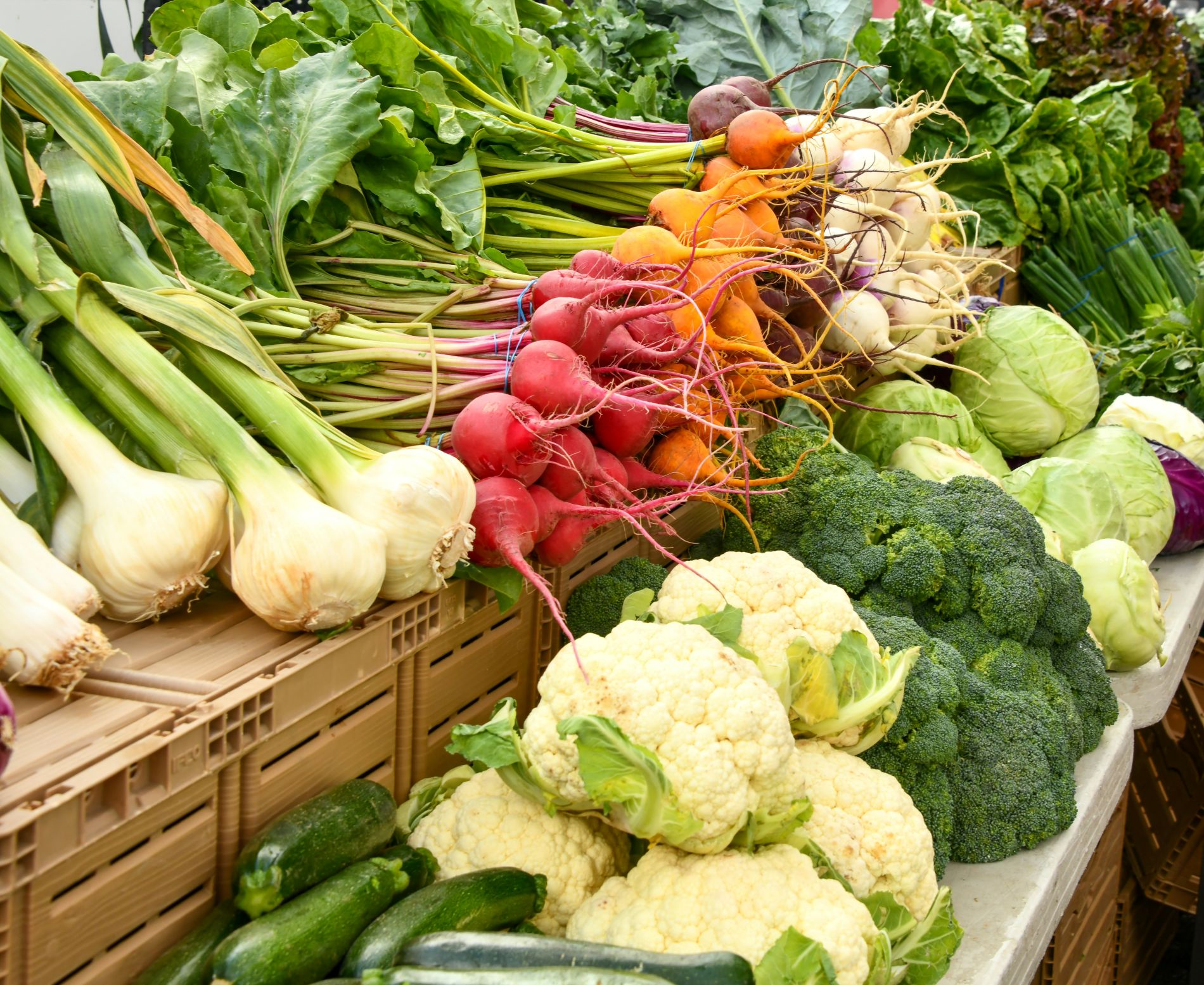
Winter can make a vegetable garden look finished before you have even started. In mild climates, you may deal with cold mornings and heavy fog. In colder areas, frost can cover the garden overnight, while places with harsh winters may have frozen soil or several inches of snow. It is easy to assume that gardening simply has to wait until spring.
Fortunately, that is not true. Many cool-season vegetables actually prefer lower temperatures, and some can tolerate frost surprisingly well. Extension gardening guides classify crops such as kale, spinach, broccoli, cabbage, radishes, and mustard greens as frost-tolerant, while carrots and beets can tolerate frost once established.
The key is choosing crops according to your winter rather than treating every cold climate the same. Here are the vegetables I would consider first.
Why Winter Can Be a Good Time to Grow Vegetables
The biggest winter gardening mistake I see is assuming that cold automatically means plants cannot grow. Temperature matters, but so does the type of vegetable. Cool-season crops often grow better when temperatures stay moderate, and some actually develop better flavor after exposure to cool weather.
Winter does create some challenges, though. Shorter days mean slower growth, fog and cloudy weather reduce available sunlight, and frozen soil can make harvesting root vegetables difficult. In snowy regions, you may also need to protect young plants from extreme cold rather than expecting them to grow normally throughout the coldest weeks.
For this reason, I prefer to think of winter gardening in three categories: vegetables that grow during mild winter, vegetables that tolerate frost and continue producing, and vegetables that you plant before winter and harvest during or after it. That distinction makes choosing your crops much easier.
15 Vegetables to Grow in Winter
1. Kale
Kale is one of the first vegetables I would choose for a cold garden because it can keep producing well after the first frosts. Plant it in late summer or early autumn for winter harvesting in cold climates, or during autumn and winter in milder regions. Give it around 6 hours of sunlight whenever possible, although it can cope with some temporary shade. Keep the soil evenly moist but avoid constantly wet roots, and add mature compost before planting. A light feed every few weeks can help if growth continues for a long season. Depending on the variety, you can start harvesting leaves around 40 to 65 days after planting. Established kale can tolerate temperatures around 20°F (-7°C), although exact hardiness varies by variety and growing conditions.
2. Spinach
Spinach is another reliable choice when you want vegetables you can grow in winter. In colder climates, sow it in late summer or early autumn so the plants establish before severe cold arrives. In milder climates, you can sow during winter. Give it around 4 to 6 hours of sunlight and use a sunny location whenever possible. Water only when the soil begins to dry because winter evaporation is much slower than summer evaporation. Add compost before planting and provide a light feed if the leaves become pale. Baby leaves may be ready in roughly 35 to 45 days, and established plants can survive light frost and overwinter in suitable conditions.
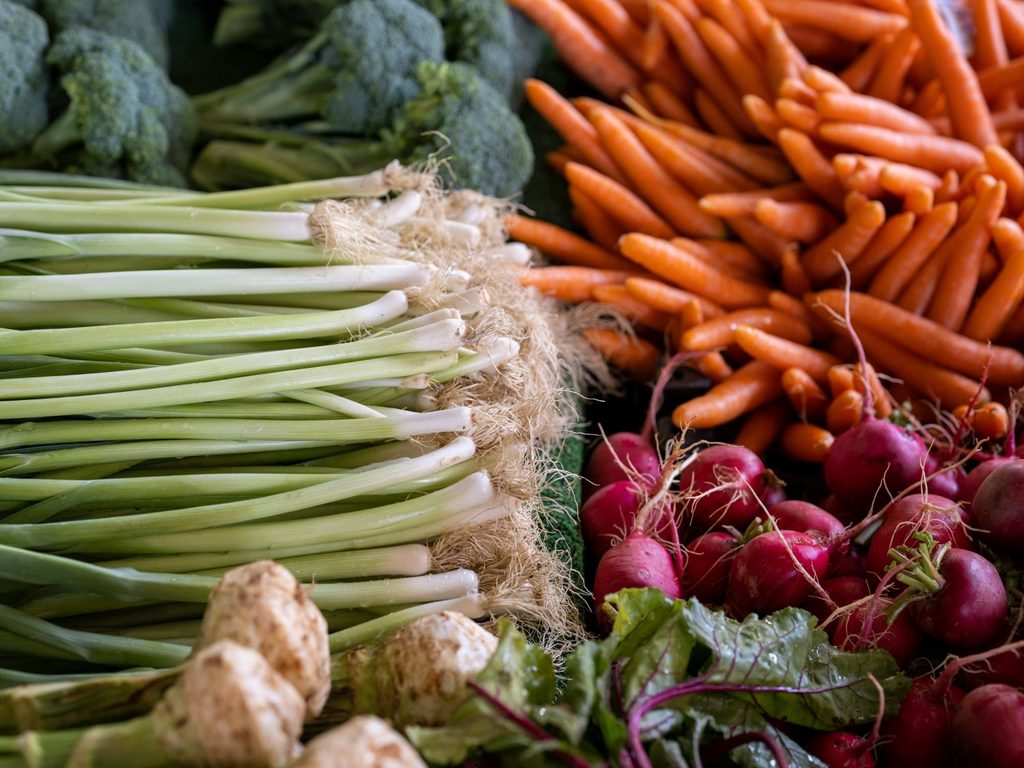
3. Carrots
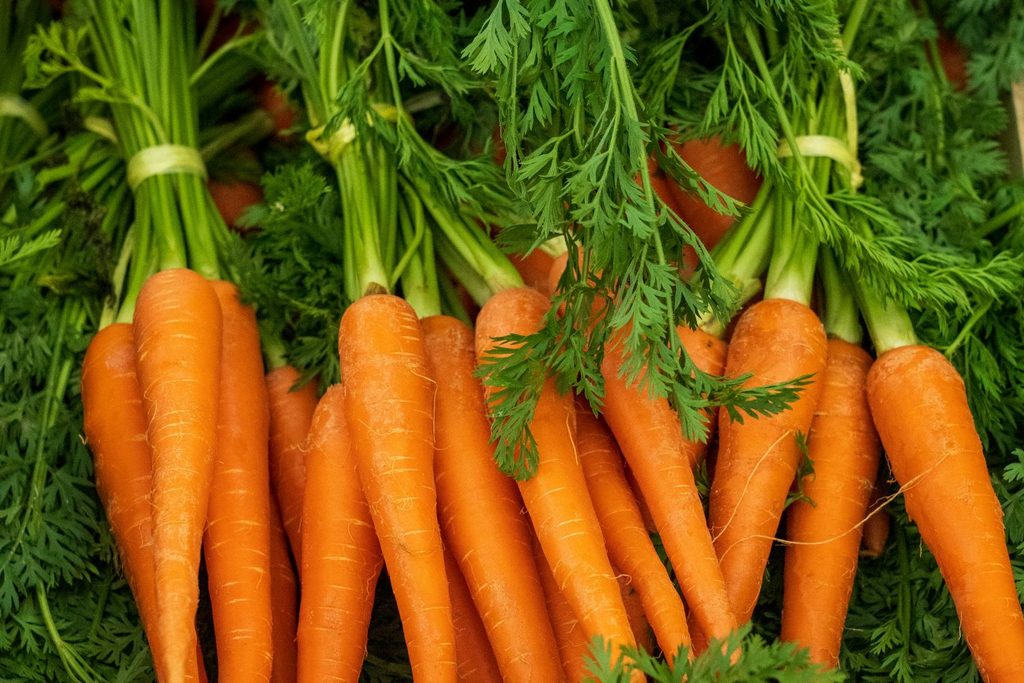
Carrots are excellent winter crops because you can leave mature roots in the ground and harvest them when needed, provided the soil does not freeze solid. Sow them in late summer or autumn for winter harvests, adjusting the timing to your climate. Give them at least 6 hours of sunlight and use loose, stone-free soil so the roots can develop properly. Water only when the soil becomes dry, particularly during a rainy or snowy winter. Mix mature compost into the soil before sowing, but avoid fresh manure. Depending on the variety, carrots can mature in about 50 to 75 days. In very cold areas, a thick layer of mulch can help protect the soil from freezing deeply.
4. Radishes
Radishes are useful when you want a quick winter harvest rather than a crop that occupies the garden for months. Sow them during autumn or in winter when your local temperatures remain suitable for germination. Give them around 4 to 6 hours of sunlight, although more direct light encourages stronger growth. Keep the soil lightly moist, but do not water automatically after rainfall. Mix a small amount of mature compost into the soil before sowing and avoid heavy feeding. Many varieties mature in approximately 30 to 60 days, although cold temperatures can slow growth. If the ground freezes, harvest before it becomes impossible to dig.
5. Broccoli
Broccoli prefers cool weather and can tolerate light frost, making it one of the better choices for a winter vegetable garden. In colder regions, plant transplants in late summer or early autumn so they mature before the harshest part of winter. In mild climates, you may be able to grow it through winter. Give it at least 6 hours of sunlight and leave enough space around each plant for airflow. Water deeply when the soil starts to dry, rather than giving frequent shallow watering. Add compost before planting and feed once the plants establish, following the fertilizer instructions. Depending on the variety, you can expect the main head around 50 to 70 days after transplanting, followed by smaller side shoots after the main harvest.
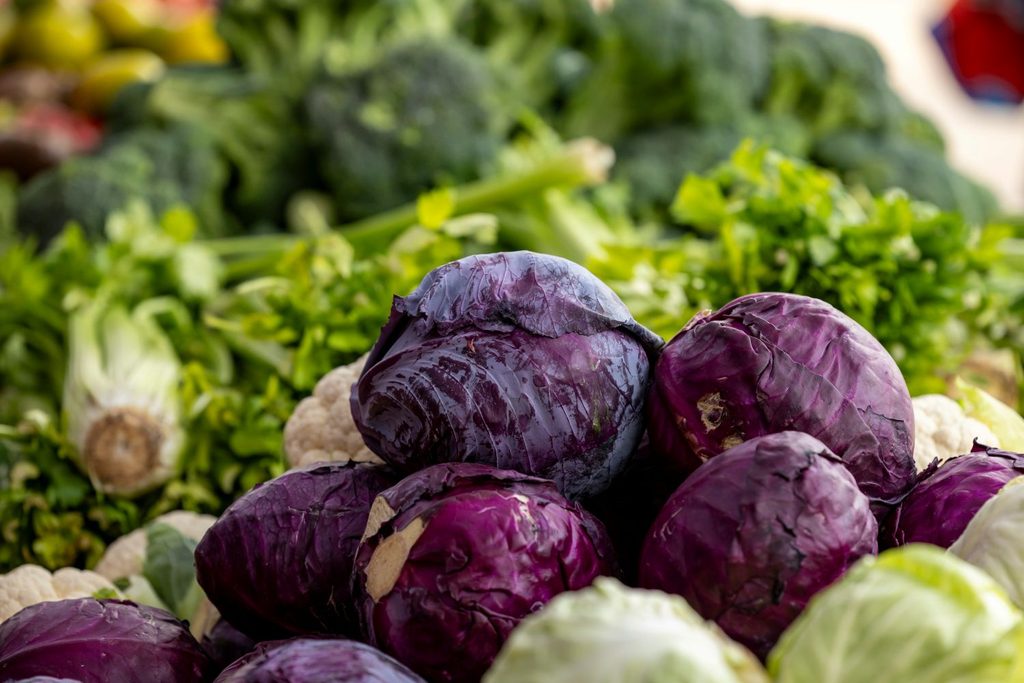
6. Cabbage
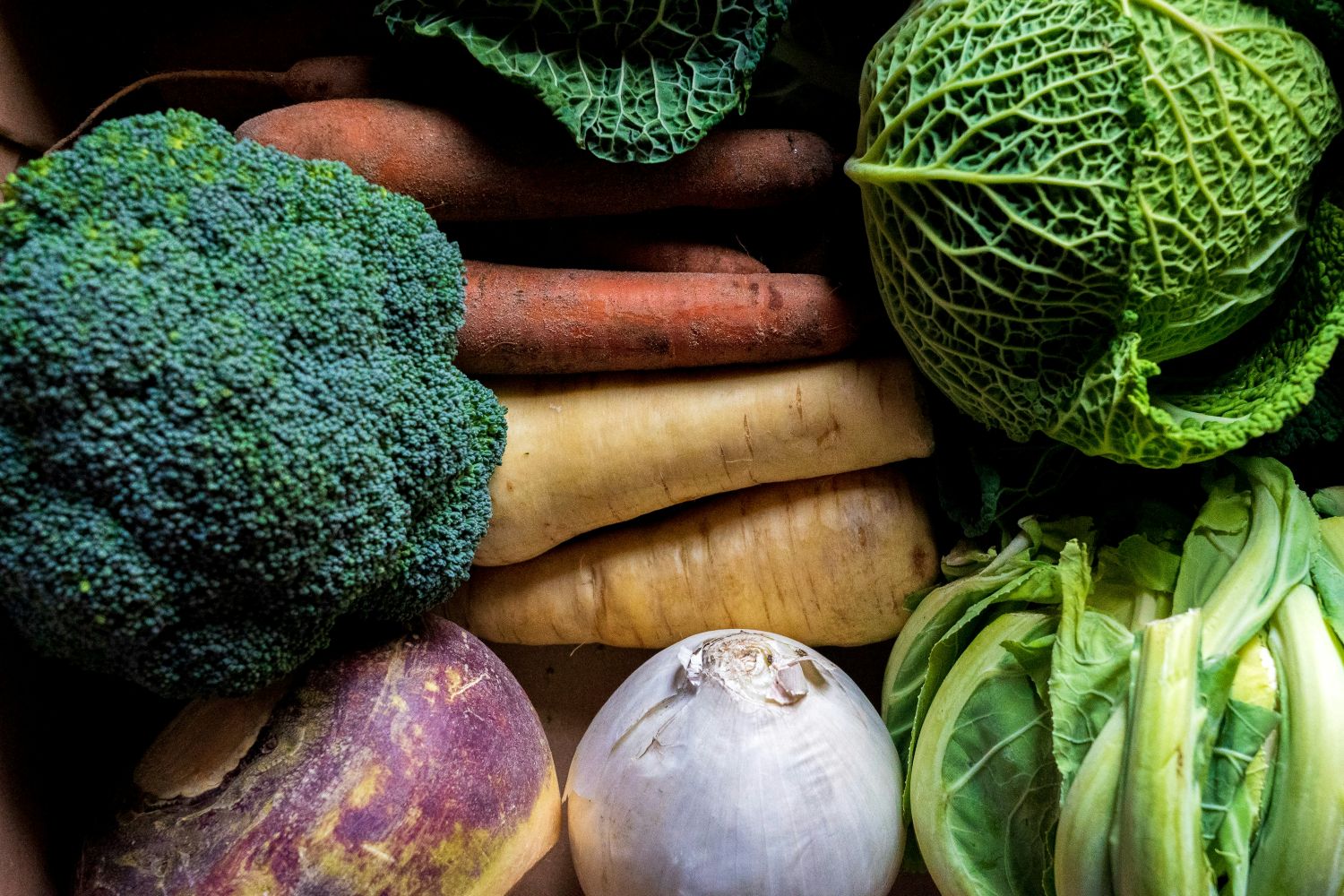
Cabbage is particularly useful for gardeners who experience frost and cold nights. Plant young transplants in late summer or autumn for winter harvesting, or plant according to your local cool-season calendar in mild climates. Give plants 6 or more hours of sunlight and water deeply when the soil begins to dry. Winter rainfall may provide enough moisture, so check the soil before watering. Mix compost into the planting bed before transplanting and provide additional fertilizer during active growth if needed. Depending on the variety, cabbage can take roughly 50 to 90 days to mature. Cold-hardy varieties can remain productive through surprisingly low temperatures.
7. Brussels Sprouts
Brussels sprouts take patience, but they are one of the vegetables I would choose if you want a crop specifically suited to a cold climate. In areas with harsh winters, start them early enough in the year for the plants to become established before severe cold arrives. Give them at least 6 hours of sunlight and keep the soil evenly moist. Add compost before planting and feed during the growing season according to your soil conditions. Harvest often begins around 90 to 100 days after planting, although timing varies. Some varieties can remain in the garden after snow arrives, and their flavor can improve as temperatures cool.
8. Peas
Peas prefer cool weather and can make a productive winter or early-spring crop in mild climates. In colder regions, plant them early enough in autumn to establish before the ground freezes, or use them as an early spring crop. Give them 5 to 6 hours of sunlight and provide a small trellis for climbing varieties. Water only when the soil becomes dry because winter rain may already provide sufficient moisture. Add compost before planting, but avoid excessive nitrogen fertilizer. Depending on the variety and temperature, harvesting may begin around 50 to 80 days after planting. Peas tolerate light frost but do not handle extreme cold as well as kale or cabbage.
9. Turnips
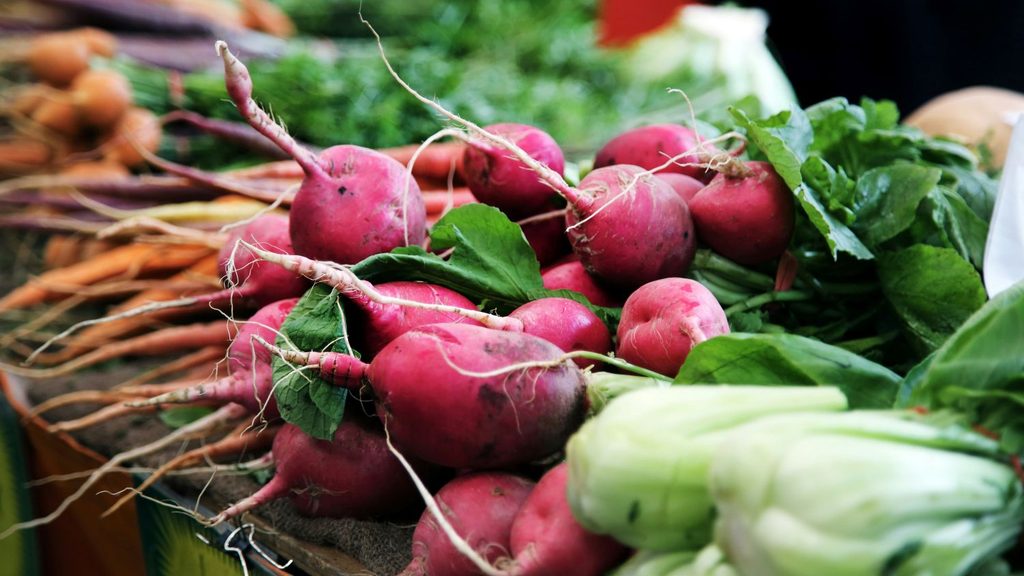
Turnips grow well during cool weather and provide both edible roots and greens. Sow them in late summer or autumn for winter harvests, or during winter in mild climates. Give them around 5 to 6 hours of sunlight and keep the soil evenly moist. You generally will not need frequent watering during a wet winter. Mix mature compost into the soil before sowing and avoid excessive nitrogen. Baby turnips can be ready in roughly 30 to 40 days, while larger roots may take around 50 to 60 days. Harvest them while they remain tender rather than leaving them to become oversized and woody.
10. Beets
Beets can tolerate cool conditions and light frost, making them useful for an autumn-to-winter garden. Sow them several weeks before the harshest cold arrives so the roots have time to develop. Give them around 5 to 6 hours of sunlight and keep the soil lightly moist. Winter rain may reduce the need for additional irrigation considerably. Add compost before planting and give the plants a light feed if growth becomes weak. Many varieties mature in approximately 50 to 60 days. You can harvest young beet greens along the way, but leave enough leaves for the root to continue developing.
11. Lettuce
Lettuce works especially well in mild winters or protected areas where temperatures rarely fall far below freezing. Plant it during autumn or winter depending on your climate, and choose cold-tolerant varieties where available. Give it 4 to 6 hours of sunlight and protect it from strong afternoon exposure if your winter occasionally becomes warm. Keep the soil slightly moist, but avoid leaving it saturated. Add compost before planting and use a light fertilizer if needed. Leaf lettuce can provide baby leaves in around 30 to 40 days, while mature heads may take roughly 45 to 60 days. In colder regions, use a row cover or small cold frame to protect plants.
12. Mustard Greens
Mustard greens are fast-growing cool-season vegetables that can be particularly useful when winter sunlight is limited. Sow them in autumn or during mild winter weather and provide around 4 to 6 hours of sunlight. Keep the soil evenly moist without allowing water to sit around the roots. Add compost before planting and feed lightly if the crop stays productive for an extended period. You may begin harvesting young leaves in approximately 30 to 40 days. Pick outer leaves gradually so the plants can continue producing. Mustard greens tolerate light frost, although severe freezes can damage unprotected plants.
13. Swiss Chard
Swiss chard can provide a longer harvest than many other leafy winter vegetables, especially in mild climates. Plant it in autumn or during a mild winter period and give it around 4 to 6 hours of sunlight. Water only when the soil begins to dry, and add compost before planting. A light feed every few weeks can support continued leaf production if your plants remain active. You can begin harvesting individual leaves around 40 to 60 days after planting. In areas with frequent hard freezes, use a row cover or grow it in a protected container.
14. Kohlrabi
Kohlrabi is a compact vegetable that suits winter gardens particularly well because it matures relatively quickly. Plant it in late summer or autumn for winter harvests, depending on your climate. Give it around 5 to 6 hours of sunlight and keep the soil evenly moist. Add mature compost before planting and provide a light fertilizer application during active growth if necessary. Harvest usually begins around 50 to 60 days after planting. Pick the swollen stems while they remain relatively small and tender. Kohlrabi can tolerate light frost, but you should protect young plants during severe freezes.
15. Collard Greens
Collards are among the hardier leafy vegetables and can continue producing through repeated frosts. Plant them in late summer or early autumn for winter harvests in cold climates, or during winter in mild regions. Give them around 6 hours of sunlight and leave enough space for good airflow. Keep moisture relatively consistent, but reduce watering when the soil remains wet from rain or snow. Add compost before planting and provide additional feeding during a long growing period. You can begin harvesting outer leaves around 40 to 65 days after planting. Like kale, collards can continue producing well after the first frost.
How to Protect Winter Vegetables From Cold and Snow
Once you choose your crops, the next question becomes how to keep them growing when temperatures fall further.
1. Find your local frost dates.
Do not use a generic winter planting calendar. Your winter could mean cool rain at 45°F (7°C), or frozen soil at temperatures well below 20°F (-7°C). Check your local first and last frost dates and count backward from the expected harvest period. Your seed packet can then help you estimate when to sow.
2. Plant before the coldest weather arrives.
This is especially important for areas with snow or hard freezes. Plants need time to establish roots before temperatures drop sharply. A small, healthy plant entering winter often handles cold better than a newly germinated seedling.
3. Maximize winter sunlight.
Choose the sunniest part of your garden because shorter winter days already limit photosynthesis. Keep nearby weeds and overgrown plants trimmed so they do not shade your vegetables.
4. Use mulch around established plants.
A layer of straw, shredded leaves, or another suitable mulch can help moderate soil temperature and reduce rapid temperature changes. Keep mulch slightly away from plant stems to reduce moisture-related problems.
5. Keep row covers ready.
A lightweight floating row cover can provide several degrees of frost protection. Utah State University notes that row covers can protect crops from early and late frost while also improving growth and productivity.
Use inexpensive garden hoops and clips to hold the fabric above your plants rather than placing it directly on delicate foliage.
6. Reduce watering as temperatures fall.
Plants generally use water more slowly during cold weather. Check the soil before watering, especially after rain or snow. A basic moisture meter can help if you are unsure whether the soil is actually dry below the surface.
7. Make harvesting easier.
Keep a small garden caddy beside your beds with pruning scissors, gloves, plant labels, and garden ties. In snowy areas, a simple cold-frame lid or low tunnel can make winter harvesting much easier because you do not have to dig through snow every time you want a few leaves.
Can You Grow Vegetables Indoors During Winter?
If outdoor conditions become too severe, you can move some crops indoors, but you should adjust your expectations. Leafy greens and herbs are generally more practical indoors than large fruiting vegetables because they need less space and less intense light.
A bright south-facing window can work in some homes, but short winter days may still leave plants light-starved. If your plants become tall and pale, a basic LED grow light on a timer can provide more consistent light. You can also grow winter vegetables in an unheated greenhouse or cold frame, but remember that an unheated structure does not magically become warm during a hard freeze.
Also read: 9 Easy Vegetables to Grow Indoors (Fresh Food Without a Garden)
A Winter Gardening Routine That Saves Time
I find that winter gardening becomes much easier when I stop checking plants according to a fixed schedule and start checking the weather instead.
Before a predicted freeze, water the soil if it has become genuinely dry, harvest anything that could suffer damage, and put row covers over vulnerable crops. After the cold spell, remove or ventilate covers when temperatures rise so the plants do not become unnecessarily warm and humid.
During snowy weather, avoid repeatedly disturbing frozen soil. Snow can actually provide insulation against extreme air temperatures, although its effect varies with conditions.
A Simple Winter Garden Hack
Keep a few empty plastic plant pots upside down near your garden. When a sudden frost warning arrives, you can place them over small plants overnight, then remove them the next morning. For larger beds, lightweight hoops with row-cover fabric work better. I also like marking planting dates on weatherproof labels because winter growth can be slow enough that it becomes difficult to remember when everything went into the ground.
One Winter Mistake I Would Avoid
Do not plant a vegetable simply because someone calls it a “winter vegetable.” Winter means very different conditions in different regions. A crop that grows outdoors through winter in a mild climate may need a greenhouse, cold frame, or substantial protection where the ground freezes. Match the crop to your actual minimum temperatures and daylight.
Also read: 8 Gardening Hacks That Save Busy People Real Time and Money
What Should You Grow First?
If your winter is mild, start with spinach, lettuce, radishes, peas, carrots, beets, and mustard greens. If you regularly experience frost, add kale, cabbage, broccoli, collards, and Brussels sprouts. For snow and prolonged freezing, focus on established cold-hardy crops and use row covers, mulch, cold frames, or other protection.
The best vegetables to grow in winter are the ones that match your local cold, sunlight, and planting window. Once you stop expecting summer vegetables to perform in winter, the cold season can become one of the most productive and satisfying parts of your garden.
Featured image credit: Photo by Shelley Pauls on Unsplash
Leave a Reply