
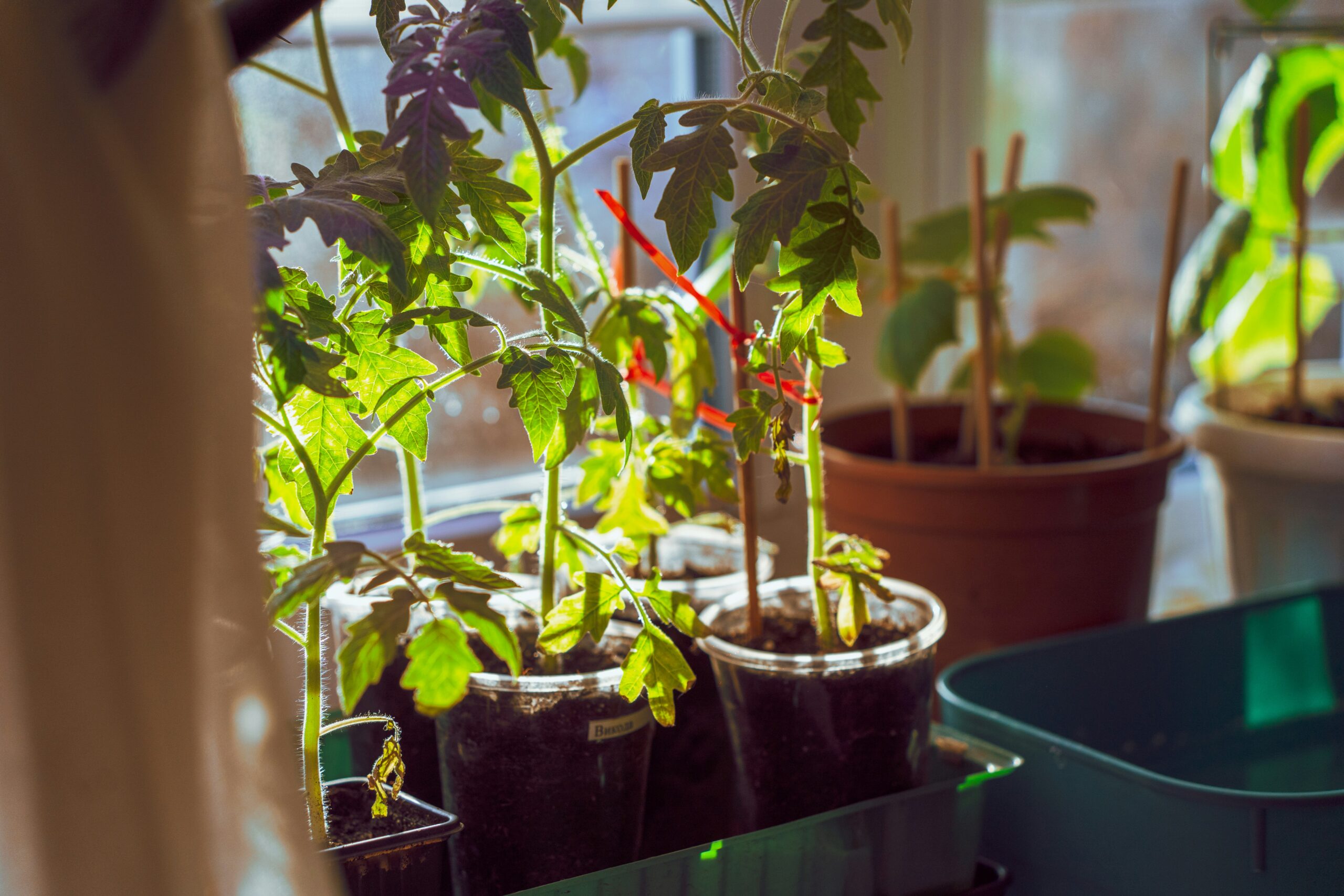
There is something satisfying about picking fresh vegetables from your own home, especially when you do not have a backyard. Many people assume indoor gardening only works if you own a greenhouse or expensive equipment, but that is rarely true. A bright window, a few containers, and the right vegetables can produce a surprising amount of fresh food.
The biggest mistake I see is choosing plants that naturally want full sun and lots of space. Instead, I have had much better success by growing vegetables that stay compact and adapt well to indoor conditions. Once you understand what each plant needs, keeping an indoor vegetable garden feels much less intimidating.
Let’s start with the vegetables that consistently perform well inside the home.
Best Vegetables to Grow Indoors
1. Lettuce
Lettuce is one of the easiest vegetables to grow indoors because it grows quickly and tolerates lower light better than many fruiting crops. A sunny windowsill that receives four to six hours of light usually works well, although a simple LED grow light can speed up growth during winter.
Keep the soil evenly moist but never soggy. Most loose-leaf varieties are ready for harvesting in about 30 to 45 days, and you can harvest a few leaves at a time instead of removing the whole plant. A shallow planter about 6 inches deep is enough. I also find that kitchens and dining rooms with bright windows make excellent locations because temperatures stay fairly steady.
2. Spinach
Spinach enjoys cool temperatures, making it one of my favorite vegetables for indoor growing during fall and winter. Try to keep room temperatures between 55°F and 70°F (13°C to 21°C). If your home becomes very warm, spinach may bolt earlier than expected.
Use a container at least 6 inches deep and place it near your brightest window. Water whenever the top inch of soil begins to dry. Most varieties produce harvestable leaves within 35 to 50 days.
3. Green Onions
If you are new to indoor gardening, green onions offer one of the quickest rewards. Even the root ends from store-bought onions often regrow in water before moving into soil.
Green onions need very little space and grow happily in narrow pots on a windowsill. Six hours of sunlight produces stronger growth, although they tolerate partial shade. Harvest individual leaves as needed, and the plant will continue producing for several weeks.
4. Radishes
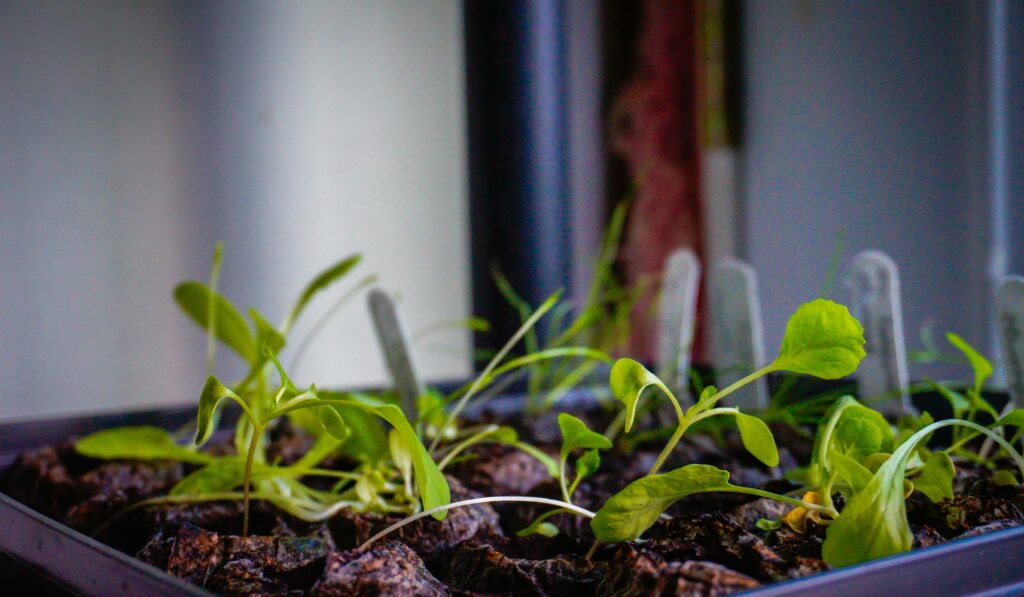
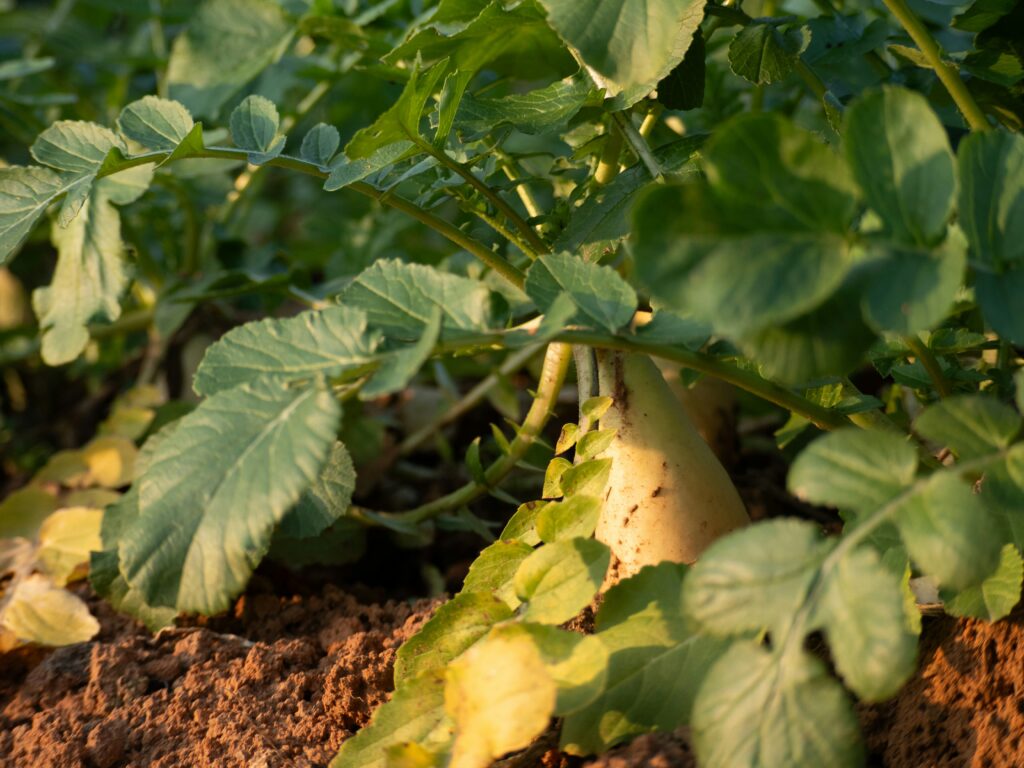
Many people forget that radishes also grow well indoors. Since they mature quickly, they provide an encouraging first harvest for beginners.
Choose small round varieties rather than large storage radishes. Use a container at least 8 inches deep because healthy root development depends on enough soil underneath. Keep the soil consistently moist, and expect harvests in about 25 to 35 days. Good airflow around the plants also helps prevent fungal problems.
5. Microgreens
Microgreens probably give the fastest results of any indoor vegetable crop. Many varieties, including broccoli, mustard, sunflower, pea shoots, and radish, are ready within one to three weeks.
A shallow growing tray filled with seed-starting mix works perfectly. Bright indirect light or an inexpensive grow light keeps them growing evenly. Since you harvest the young stems and leaves, you do not need deep containers or large amounts of space.
6. Baby Carrots
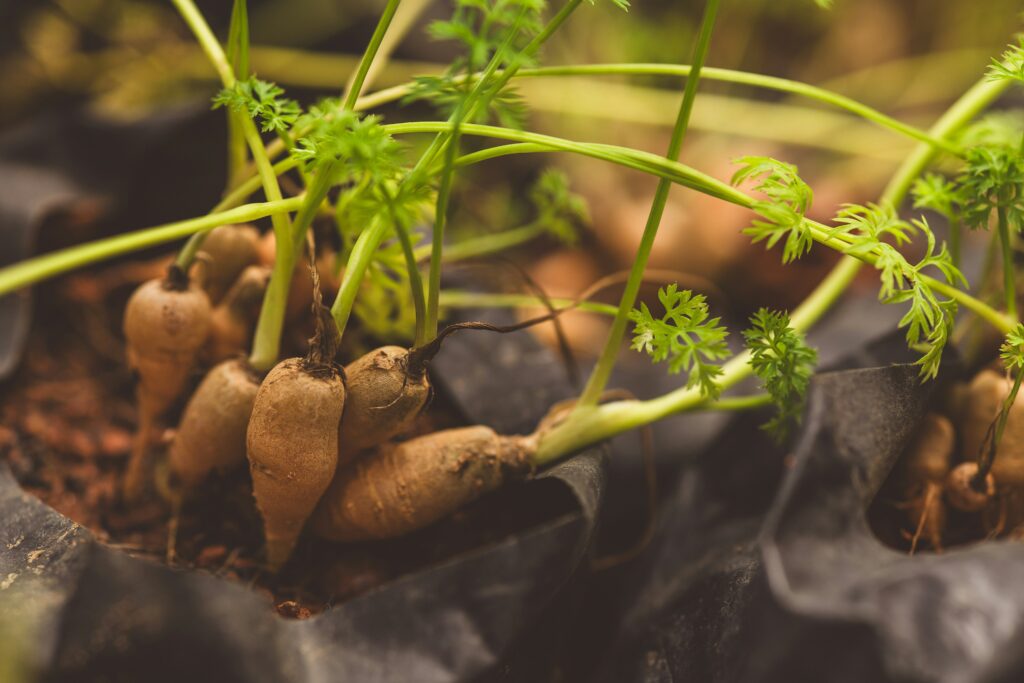
Full-sized carrots need deep soil, but shorter varieties grow surprisingly well indoors. Look for compact cultivars such as Parisian or Little Finger.
Choose a container at least 10 to 12 inches deep with loose potting mix. Keep the soil evenly moist because dry periods often cause roots to split or become woody. Harvest usually begins around 60 to 70 days after planting.
7. Dwarf Peppers
Compact pepper varieties produce colorful fruits while taking up relatively little space. Unlike leafy vegetables, peppers need much more light, so a grow light becomes very helpful if your windows do not receive six to eight hours of direct sun.
Since indoor air limits insect activity, gently shake the flowering branches every few days or use a small soft paintbrush to move pollen between flowers. This simple step greatly improves fruit production. Small cages or bamboo stakes also help support heavier branches.
Also read: Natural Fertilizer for Peppers: 10 Organic Fertilizers That Grow Healthier, More Flavorful Plants
8. Cherry Tomatoes
Cherry tomatoes remain one of the most rewarding vegetables to grow indoors, but they also have the highest light requirements. Without supplemental lighting, most homes simply do not receive enough sunlight during much of the year.
Use an LED grow light for about 12 to 16 hours daily. Choose determinate or dwarf varieties bred specifically for containers. A pot holding at least 5 gallons provides enough room for healthy roots.
When flowers appear, gently tap each flower cluster every day or two to help release pollen. Small electric toothbrushes held against the flower stems also work surprisingly well because they mimic the vibration of visiting bees.
Also read: Natural Fertilizer for Tomatoes: 10 Organic Ways to Grow Sweeter and Healthier Tomatoes
9. Herbs Make Excellent Companions
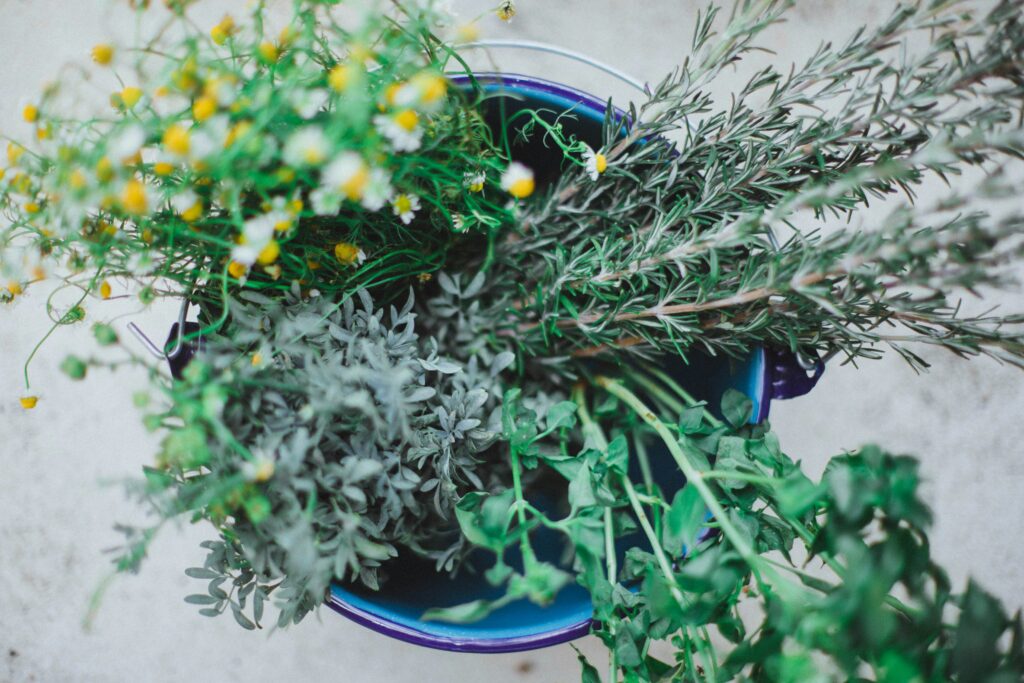
Although herbs are not vegetables, I almost always include a few alongside my indoor vegetable garden. Basil, parsley, cilantro, chives, oregano, mint, and thyme grow well indoors and make everyday cooking much easier.
Most herbs enjoy the same growing conditions as leafy vegetables, making them simple companions on the same shelf or windowsill.
Also read: Grow More With Less: The Best Herb Pairings That Actually Work (Even in Tiny Spaces)
How Much Light Do Indoor Vegetables Really Need?
Light matters more than almost anything else. Leafy vegetables such as lettuce, spinach, and microgreens often grow successfully with four to six hours of bright sunlight each day.
Fruiting vegetables such as tomatoes and peppers usually need six to eight hours of direct sunlight or a quality LED grow light. If seedlings become tall and thin, they are usually asking for more light rather than more fertilizer.
Choose the Right Room
Not every room supports healthy plant growth equally well. South-facing windows usually provide the strongest natural light. East-facing windows work nicely for leafy vegetables because they receive gentle morning sun.
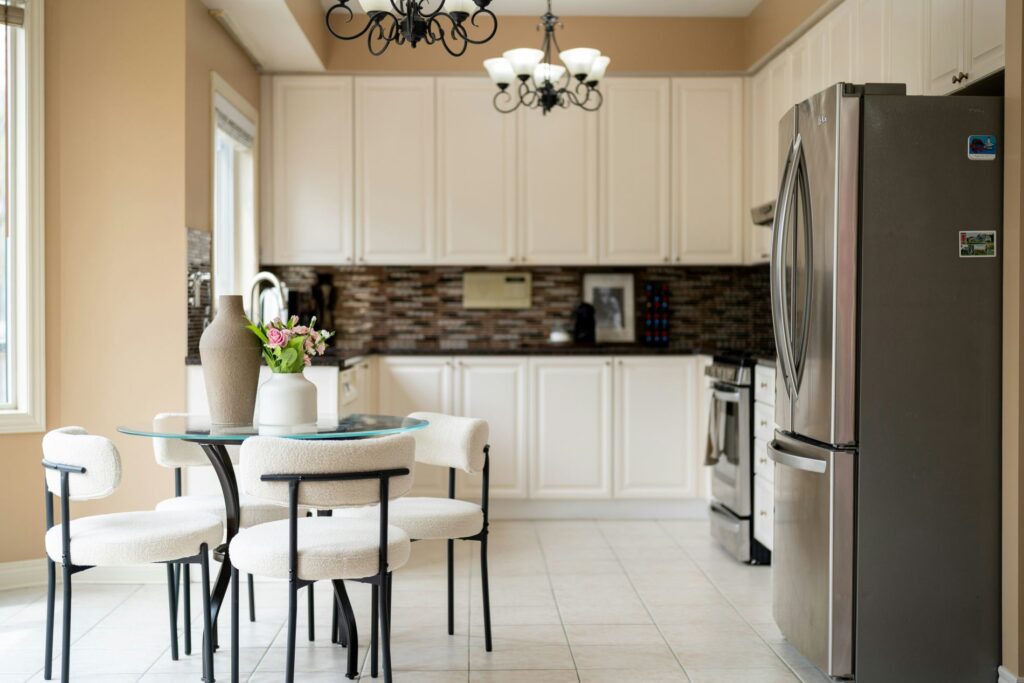
Kitchens often maintain steady temperatures and convenient access for watering. Sunrooms perform even better if they stay above 60°F (16°C). Heated garages, enclosed balconies, and bright home offices can also become productive growing spaces if temperatures remain stable.
Avoid placing vegetables directly beside heating vents, fireplaces, or constantly opened exterior doors because sudden temperature changes stress young plants.
Temperature and Humidity Matter More Than You Think
Most indoor vegetables grow best between 65°F and 75°F (18°C to 24°C).
Winter heating often reduces indoor humidity below what vegetables prefer. If leaf edges begin turning brown, placing several plants together or setting pots on pebble trays filled with water can slightly increase local humidity without making the room uncomfortable.
Good air circulation is equally important. A small oscillating fan running on low speed for a few hours each day strengthens stems and discourages fungal diseases.
Also read: 11 Signs of Overwatering Plants Every Gardener Should Know Before It’s Too Late
Common Indoor Problems and Simple Solutions
Indoor gardens experience fewer pests than outdoor gardens, but they are not completely protected.
Fungus gnats often appear when soil stays wet for too long. Let the top inch of soil dry slightly before watering again.
Aphids occasionally arrive on newly purchased plants. Inspect leaves every week, especially underneath. Washing leaves with water or using insecticidal soap usually solves small infestations.
Powdery mildew becomes more likely when humidity stays high and airflow remains poor. Give plants enough space and avoid overcrowding shelves.
One important reminder is that not every vegetable belongs indoors. Large pumpkins, corn, melons, and sprawling squash generally require far more space and sunlight than most homes can provide. Focusing on naturally compact vegetables almost always produces better results.
Also read: 8 Gardening Hacks That Save Busy People Real Time and Money
A Few Helpful Tools
You do not need expensive equipment to build a productive indoor vegetable garden.
A simple LED grow light helps during darker months. Seed trays make starting young plants easier, while self-watering pots reduce watering mistakes. A moisture meter can also prevent overwatering, which remains one of the most common reasons indoor vegetables struggle.
A Simple Way to Get Started
If you are setting up your first indoor vegetable garden, keep the process simple.
- Choose your brightest window.
- Start with two or three easy vegetables such as lettuce, green onions, and microgreens.
- Use quality potting mix instead of garden soil.
- Water only when the top layer of soil begins to dry.
- Add a grow light if natural sunlight becomes limited.
Growing indoors does not require perfection. It simply requires choosing vegetables that naturally fit the conditions inside your home.
A Few Last Words
Growing vegetables indoors is much more achievable than many people expect. By choosing compact crops, providing enough light, and maintaining steady temperatures, you can enjoy fresh harvests throughout the year without a greenhouse or backyard. Start with a few reliable vegetables, learn how they respond to your home, and expand your indoor garden as your confidence grows.

Leave a Reply