
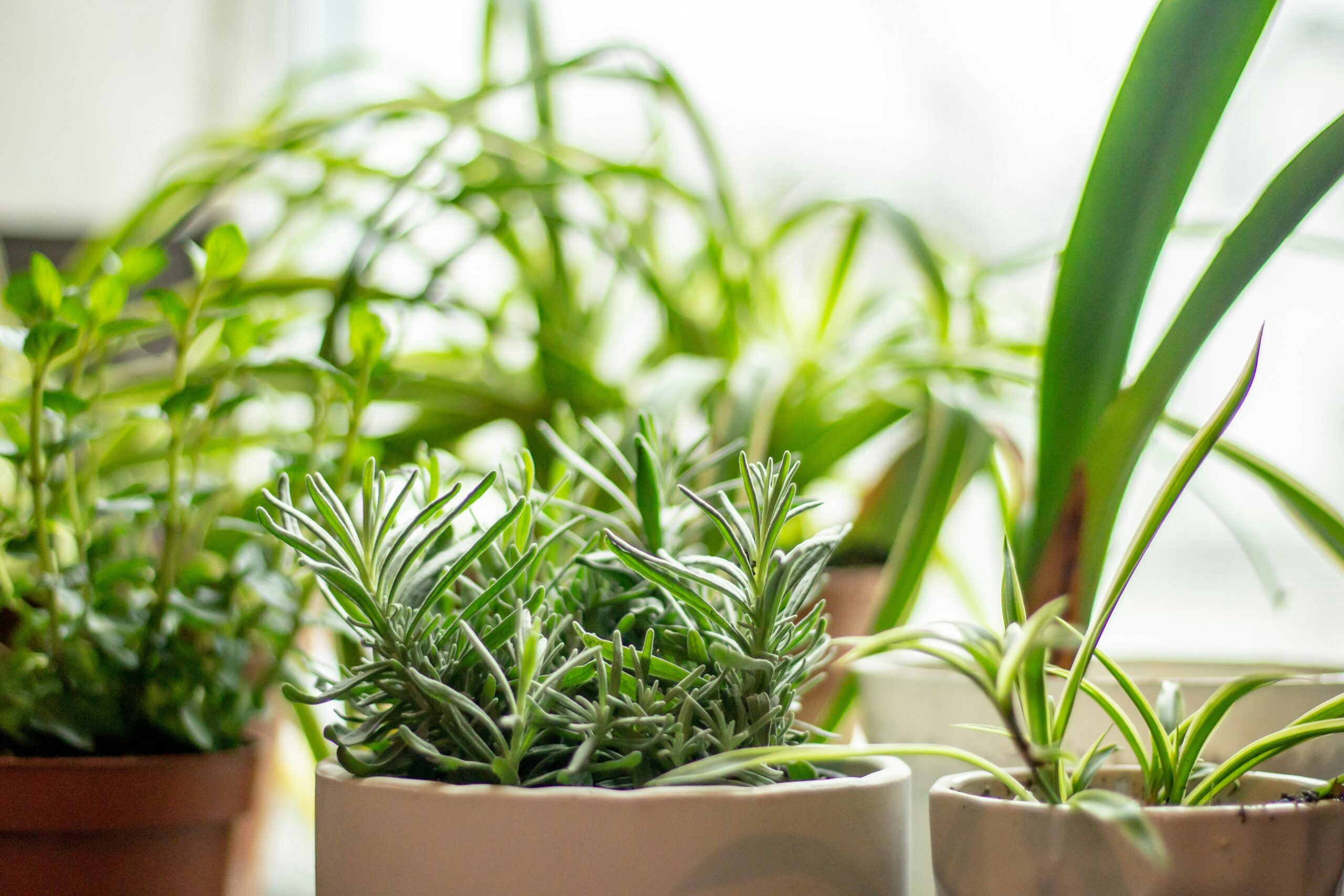
If you have ever planted herbs only to watch them struggle, bolt too fast, or just look sad in their pots, you are not alone. A lot of beginners make one quiet mistake: they plant herbs without thinking about who their neighbors will be. The good news? Pairing the right herbs together can completely change your results. So let’s walk through the best herb pairings, why they work, and how you can get started, even if your garden is a balcony or a windowsill.
Why Herb Pairing Matters
Some herbs are great friends. They share water needs, attract the same helpful insects, or even protect each other from pests. Others are not so friendly and can stunt each other’s growth if planted too close. When you learn the best herbs to plant together, you stop working harder and start working smarter. And honestly, it is one of those things that makes gardening feel genuinely exciting.
Also read: The Beginner’s Companion Planting Guide for Raised Beds (That Actually Works)
1. Basil + Chives
This is one of the best herb pairings for beginners because both are easy to grow and genuinely help each other out. Chives naturally repel aphids, which are one of basil’s biggest enemies. Meanwhile, basil’s strong scent confuses other pests that might otherwise head straight for the chives. They also share similar water and sun needs, which makes caring for them together very straightforward.
How to plant: Sow basil seeds a quarter inch deep and plant chive clumps or seeds around the edges of the same pot. Both need full sun and consistently moist soil.
Season: Spring through summer.
Time to harvest: Basil is ready in about 3 to 4 weeks. Chives can be snipped from as early as 4 to 6 weeks.
Special care tips: Pinch off basil flower buds the moment they appear to keep the leaves tasting their best. Snip chives regularly to encourage fresh growth.
Mistake to avoid: Do not let the soil dry out completely. Both herbs are thirsty and will droop quickly without steady moisture.
If you have a small space: A 10 to 12-inch container easily fits both. This pairing is one of the best herbs to plant together for a compact balcony or kitchen windowsill setup.
2. Rosemary + Sage
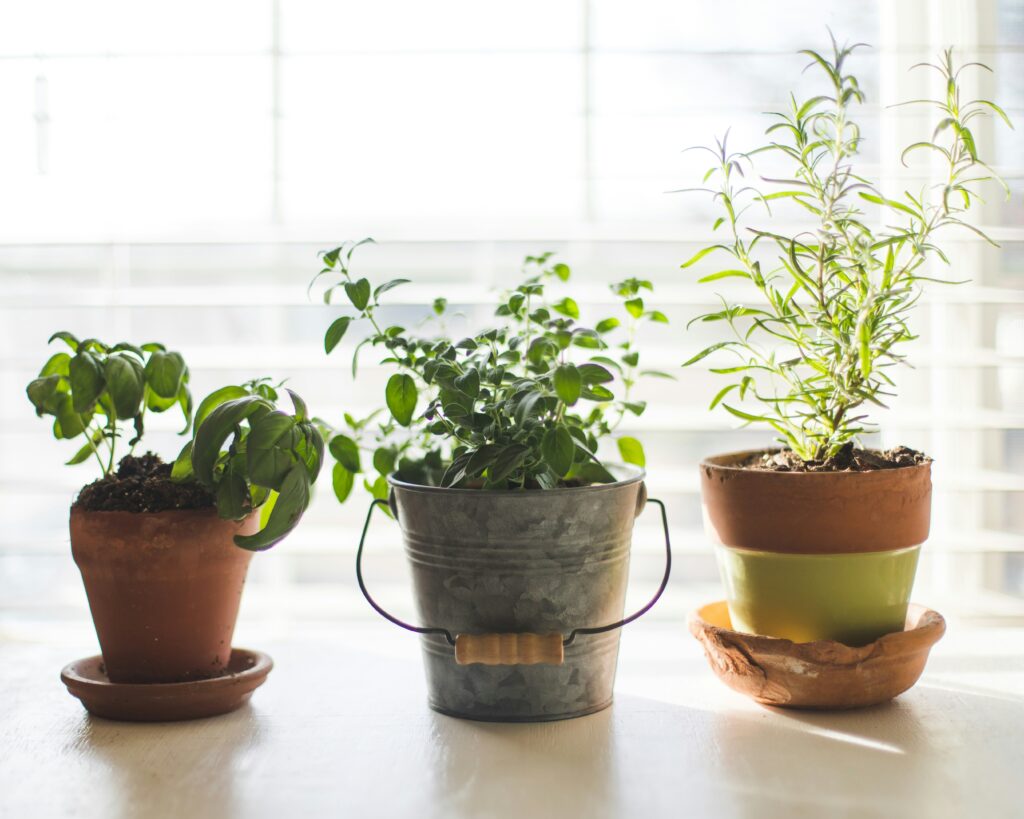
These two are a natural match. Both love dry, well-drained soil and plenty of sunshine. They have very similar water needs, which means you will not be overwatering one while trying to hydrate the other. Rosemary also has a strong scent that helps deter pests from the sage.
How to plant: Use cuttings or transplants for both. Plant in sandy or loamy soil with excellent drainage.
Season: Spring planting, they overwinter well in mild climates.
Time to harvest: Both can be lightly harvested after 8 to 10 weeks once established.
Special care tips: Do not crowd them. Both need good airflow to prevent powdery mildew.
Mistake to avoid: Avoid overwatering. This pairing is drought-tolerant and will rot in soggy soil.
If you have a small space: One medium pot works for this pair. They grow slowly, so they will not outcompete each other quickly.
3. Mint + Chamomile
Mint spreads aggressively, as most gardeners quickly find out. But chamomile can hold its own beside it, and the two actually complement each other well. Chamomile is sometimes called the “physician of the garden” because it seems to boost the health of nearby plants. It also attracts pollinators.
How to plant: Keep mint in its own inner pot or use a root barrier. Plant chamomile around it. Both prefer moist, rich soil.
Season: Early spring.
Time to harvest: Mint in 6 to 8 weeks. Chamomile flowers in about 10 weeks.
Special care tips: Harvest mint frequently to keep it from taking over.
Mistake to avoid: Never plant mint directly in the ground without containment. It will spread everywhere.
If you have a small space: A wide balcony planter works perfectly. Plant chamomile along the front, and keep mint in a smaller pot nestled behind it.
4. Chives + Tarragon
This is a pairing that does not get nearly enough attention. Chives are compact and tidy, while tarragon grows a little taller and bushier. Together, they use vertical space efficiently without crowding each other. Chives also help deter certain soft-bodied pests, which gives tarragon a calmer, less stressed growing environment. Both have strong flavors that make them kitchen favorites, so you will actually use what you grow.
How to plant: Plant chive clumps at the base and tarragon transplants slightly behind them. Use well-drained, moderately rich soil. French tarragon must be grown from cuttings or transplants, not seeds.
Season: Spring, once the last frost has passed.
Time to harvest: Chives in 4 to 6 weeks. Tarragon leaves can be lightly harvested after 8 weeks once the plant is established.
Special care tips: Do not over-fertilize tarragon. Too much nitrogen produces lush leaves with very little flavor.
Mistake to avoid: Always buy French tarragon, not Russian tarragon. Russian tarragon is nearly flavorless and not worth the pot space.
If you have a small space: A medium rectangular planter on a balcony works well. Chives at the front, tarragon at the back, and both get the airflow they need.
5. Parsley + Chervil
Both of these herbs do something that not many can do well: they thrive in partial shade. If your balcony or indoor space does not get six or more hours of sunlight, this pairing is for you. Among the best herbs to grow indoors, chervil is particularly underrated. It has a delicate anise flavor and grows reliably under grow lights or in north-facing windows.
How to plant: Direct sow both from seed into moist, rich potting mix. They do not like being transplanted.
Season: Spring or fall. They prefer cooler weather.
Time to harvest: Both are ready in about 6 to 8 weeks.
Special care tips: Keep the soil consistently moist. Both will bolt quickly in heat.
Mistake to avoid: Do not try to grow these in high summer heat. They will go to seed too fast to enjoy.
If you have a small space: A simple window box indoors or on a shaded balcony works very well for these two.
6. Oregano + Thyme
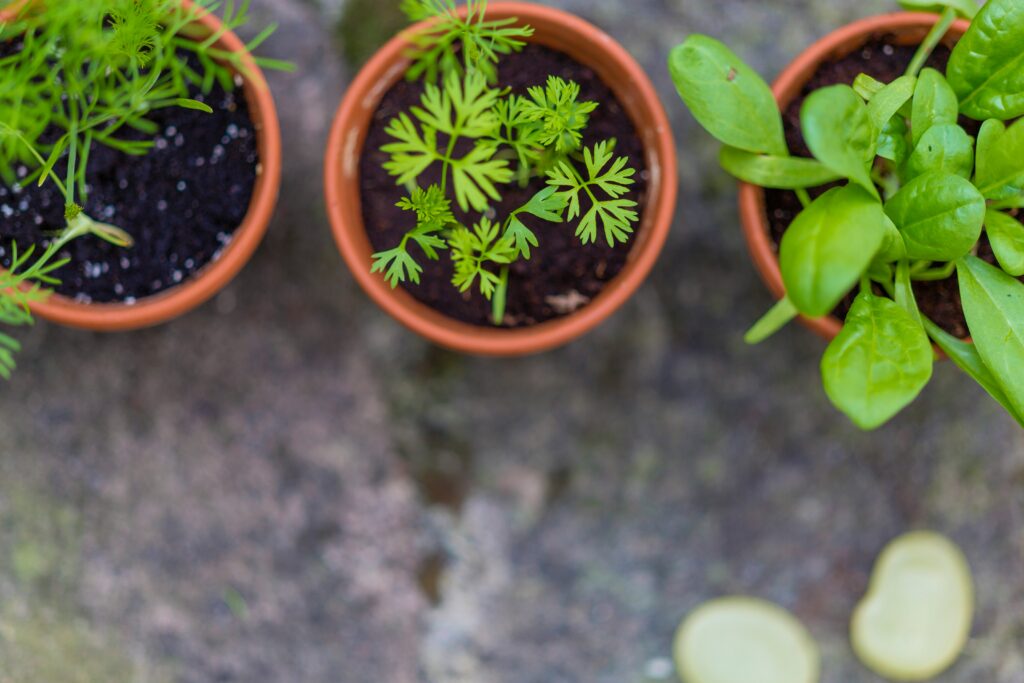
These Mediterranean herbs are practically made for each other. They share almost identical growing conditions: full sun, low water, and free-draining soil. Together, they form a lovely low-growing mat that also looks beautiful in a pot. Oregano’s strong scent is also known to repel certain insects, which benefits the thyme nearby.
How to plant: Use young transplants or divide existing clumps. Plant together in gritty or sandy soil.
Season: Spring through fall.
Time to harvest: Around 8 weeks from planting.
Special care tips: Trim both back after flowering to encourage bushy new growth.
Mistake to avoid: Avoid rich, fertilizer-heavy soil. These herbs actually taste better when the soil is a bit lean.
If you have a small space: A shallow terra cotta pot on a sunny windowsill is perfect for this pairing.
7. Lavender + Marjoram
This is one of those pairings that is as beautiful to look at as it is practical. Lavender attracts bees and beneficial insects, which helps marjoram get properly pollinated and stay healthy. Both love dry conditions and will struggle in waterlogged soil. They make a stunning combination in a window box or a sunny patio container.
How to plant: Use transplants for both. Plant in well-drained, slightly alkaline soil.
Season: Spring, once frost has passed.
Time to harvest: Marjoram in 6 to 8 weeks. Lavender takes a full season to establish before harvesting.
Special care tips: Cut lavender back by about a third after it flowers to encourage fresh growth.
Mistake to avoid: Do not plant these in deep, moisture-retaining potting mix. Add perlite or coarse sand to improve drainage.
If you have a small space: A long, sunny balcony planter with lavender at the back and marjoram in front looks lovely and grows well together.
8. Cilantro + Dill
Both of these herbs are cool-season plants that bolt in warm weather. Because of that shared timing, they grow well together and can be planted in succession every few weeks to keep a steady supply going. Cilantro also tends to attract predatory insects, which quietly benefits nearby plants including dill.
How to plant: Sow seeds directly every two to three weeks from early spring onward.
Season: Early spring and fall.
Time to harvest: Both ready in 3 to 5 weeks.
Special care tips: Let some plants go to seed. Both self-sow readily and will return next season.
Mistake to avoid: Do not try to transplant cilantro. It hates being disturbed and will bolt immediately.
If you have a small space: A simple six-inch pot or a portion of a window box works well for a few plants of each.
9. Lemon Balm + Bee Balm
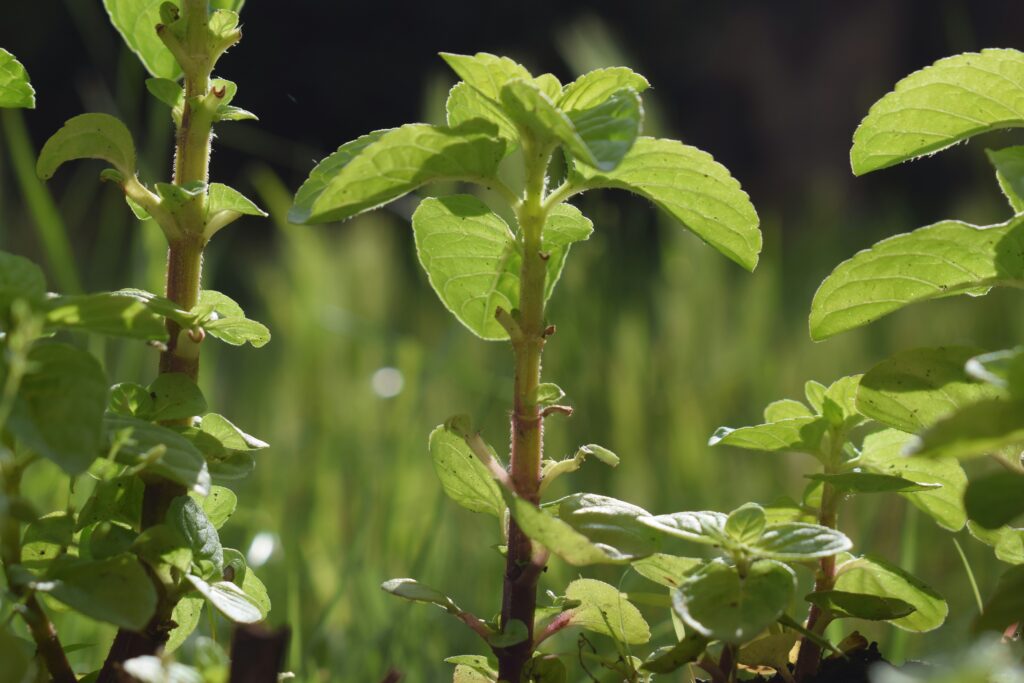
If you want to attract pollinators to your balcony or patio, this pairing is one of the best herbs to grow for that purpose. Both are in the mint family, but lemon balm is far more well-behaved. Bee balm draws hummingbirds and bees like a magnet. Together, they create a sensory corner that smells wonderful and hums with life.
How to plant: Use transplants. Both prefer rich, moist soil and can handle partial shade.
Season: Spring.
Time to harvest: Lemon balm leaves in 8 weeks. Bee balm blooms in the first or second season.
Special care tips: Divide clumps every two to three years to keep them vigorous.
Mistake to avoid: Do not let bee balm get overcrowded. It is prone to powdery mildew in poor airflow conditions.
If you have a small space: A large tub or half-barrel planter on a balcony gives both enough room to spread without overcrowding.
Beginner Mistake: Dill + Fennel (Keep Them Apart, Actually)
Here is a pairing that sounds great but needs a warning. Dill and fennel look similar and are often grouped together, but they cross-pollinate easily and produce bland, off-flavored seeds. Instead, pair dill with lettuce or cabbages, where it acts as a pest deterrent. Fennel does best grown alone or near the edge of your garden as a pollinator magnet.
How to plant: Sow dill directly in loose soil near brassicas. Plant fennel in its own container.
Season: Spring.
Time to harvest: Dill leaves in 4 to 6 weeks, fennel fronds in 8 to 10 weeks.
Special care tips: Both bolt quickly in heat. Provide afternoon shade in warmer climates.
Mistake to avoid: Do not plant dill near fennel. This is one of the most common beginner mix-ups.
If you have a small space: Grow dill in a tall pot near your salad greens, and keep fennel completely separate.
A Quick Note on Growing Indoors
Many of the herbs to grow mentioned here can absolutely thrive indoors. The best herbs to grow indoors tend to be those that do not need intense heat to thrive: chervil, parsley, chives, mint, basil (with a grow light), and lemon balm all do well on a bright windowsill. According to The Spruce, most herbs need at least four to six hours of bright light indoors and do best near a south- or west-facing window.
If natural light is limited, a basic LED grow light set to run for twelve to fourteen hours a day will serve you very well.
Learning the best herb pairings is one of the most practical things you can do as a new gardener. It saves space, reduces pests naturally, and honestly makes the whole process feel a lot more rewarding. Start with one or two of these pairs. See how it goes. Then expand from there. You do not need a big yard. You do not need fancy equipment. You just need a little curiosity and a willingness to try. That is what gardening is really about.
Featured image credit: Photo by Bonnie Kittle on Unsplash





Leave a Reply