
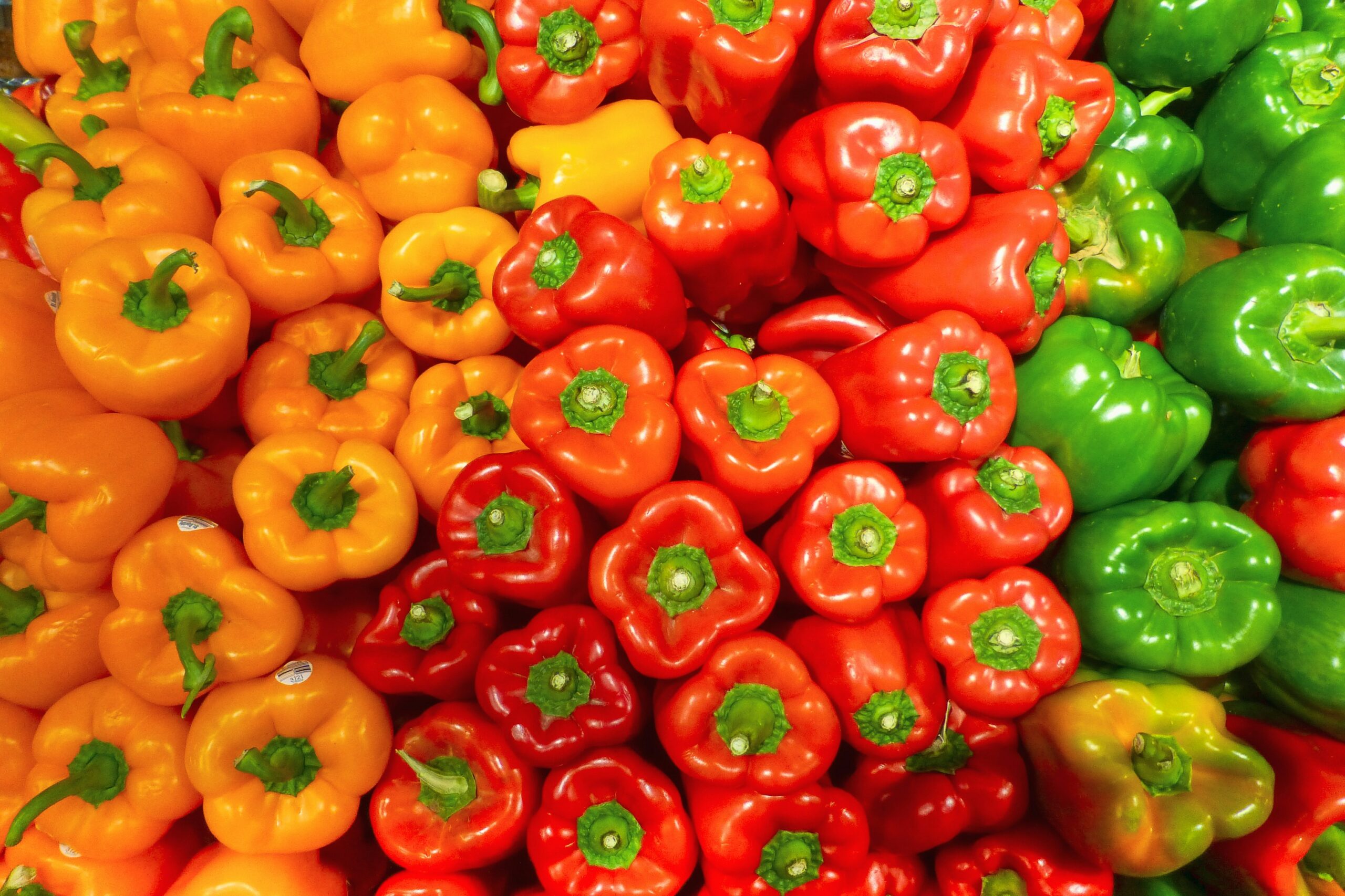
If you have ever wondered whether you really need chemical fertilizers to grow healthy peppers, you are not alone. Many gardeners want bigger harvests, but they also care about growing clean, flavorful vegetables for their family. The good news is that peppers respond very well to organic feeding when you give them the right nutrients at the right time.
I learned this after trying several feeding methods over the years. The healthiest pepper plants in my garden were rarely the ones that received the strongest fertilizer. Instead, they grew steadily because I focused on building healthy soil and feeding them consistently without overdoing it. Whether you grow bell peppers, jalapeños, cayenne peppers, banana peppers, or chili peppers, the same principles apply.
In this guide, you’ll find the best natural fertilizer for peppers, how much to use, how often to feed, what combinations to avoid, and simple ways to keep your plants productive from transplanting until harvest.
Why Organic Fertilizer Works So Well for Pepper Plants
Peppers grow best in rich, well-draining soil with a steady supply of nutrients. Unlike quick-release chemical fertilizers that deliver nutrients all at once, organic fertilizers release them slowly as soil microbes break them down. This creates steady growth, stronger roots, healthier leaves, and better fruit quality.
Research from university extension programs also shows that healthy soil rich in organic matter improves moisture retention and supports beneficial microorganisms that help plants absorb nutrients more efficiently.
1. Compost
If I could recommend only one fertilizer for peppers, it would be finished compost. Good compost improves soil structure while supplying a balanced mix of nutrients without overwhelming the plant.
Mix about 2-3 cups into a 5-gallon container before planting or spread 1 inch around in-ground plants every four to six weeks. Water afterward so nutrients move into the root zone. Compost works especially well with bell peppers and sweet peppers because it encourages steady growth instead of rapid leafy growth. A simple hand trowel and a compost sieve make application easier.
2. Worm Castings
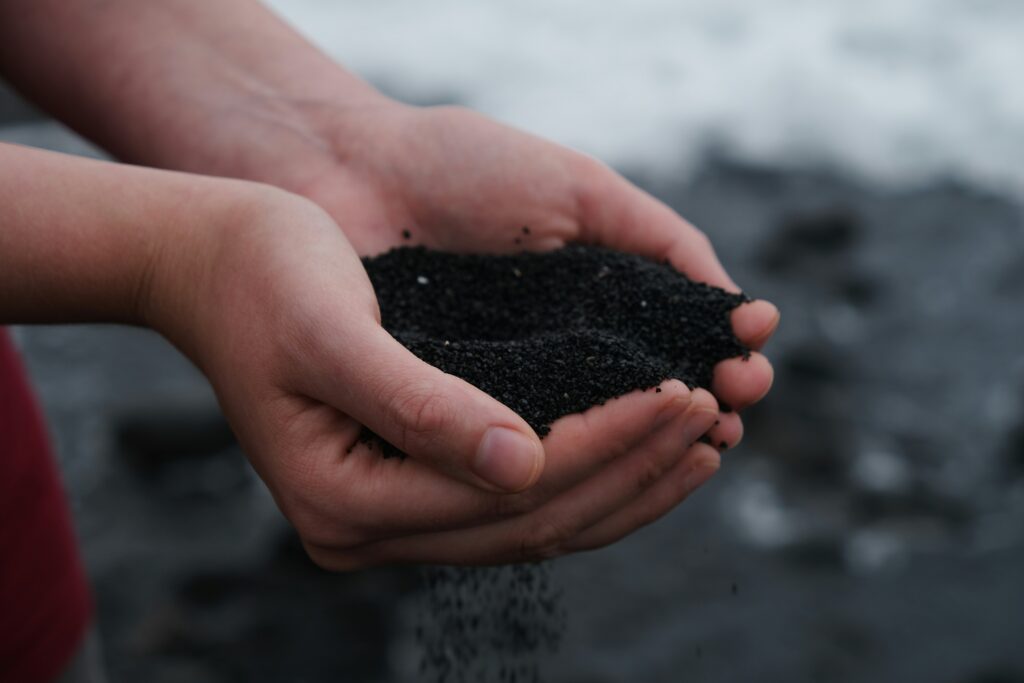
Worm castings are one of the gentlest organic fertilizers you can use. They provide small amounts of nutrients together with beneficial microbes that improve soil health.
Mix ½ to 1 cup into a 5-gallon pot at planting time or use ¼ cup every month as a top dressing. Worm castings pair beautifully with compost but rarely cause fertilizer burn. They work particularly well for young seedlings and container-grown peppers.
3. Fish Emulsion
Fish emulsion gives peppers an early boost because it contains readily available nitrogen. I usually reserve it for young plants that need help establishing healthy foliage.
Dilute according to the label, which usually equals 1 to 2 tablespoons per gallon of water, and feed every two to three weeks before flowering begins. Once peppers start producing flowers, reduce fish emulsion to avoid excessive leaf growth. A simple watering can with measurement marks helps prevent accidental overfeeding.
4. Bone Meal
Bone meal supplies phosphorus, one of the nutrients peppers need for strong roots, flowering, and fruit production.
Mix 2 to 3 tablespoons into each planting hole or blend the same amount into a 5-gallon container before transplanting. Bone meal releases nutrients slowly, so one application often lasts much of the growing season. Avoid combining large amounts of bone meal with high-phosphorus fertilizers because peppers rarely need excessive phosphorus.
5. Kelp Meal or Seaweed Fertilizer
Seaweed contains potassium along with many trace minerals that support healthy flowering and fruit development. It also helps plants handle heat and mild drought stress.
Use 2 tablespoons of kelp meal per 5-gallon container every six to eight weeks, or apply liquid seaweed every two to three weeks according to the label. Bell peppers, jalapeños, and cayenne peppers all respond well to extra potassium during fruit production.
6. Compost Tea
Compost tea does not replace solid fertilizers, but it gives peppers an excellent microbial boost throughout the season.
Water plants with compost tea every two to four weeks using about 1 quart per mature plant. You can also spray it lightly on leaves during cool mornings. A five-gallon bucket and reusable mesh brewing bag make homemade compost tea easy without spending much money.
7. Banana Peel Fertilizer
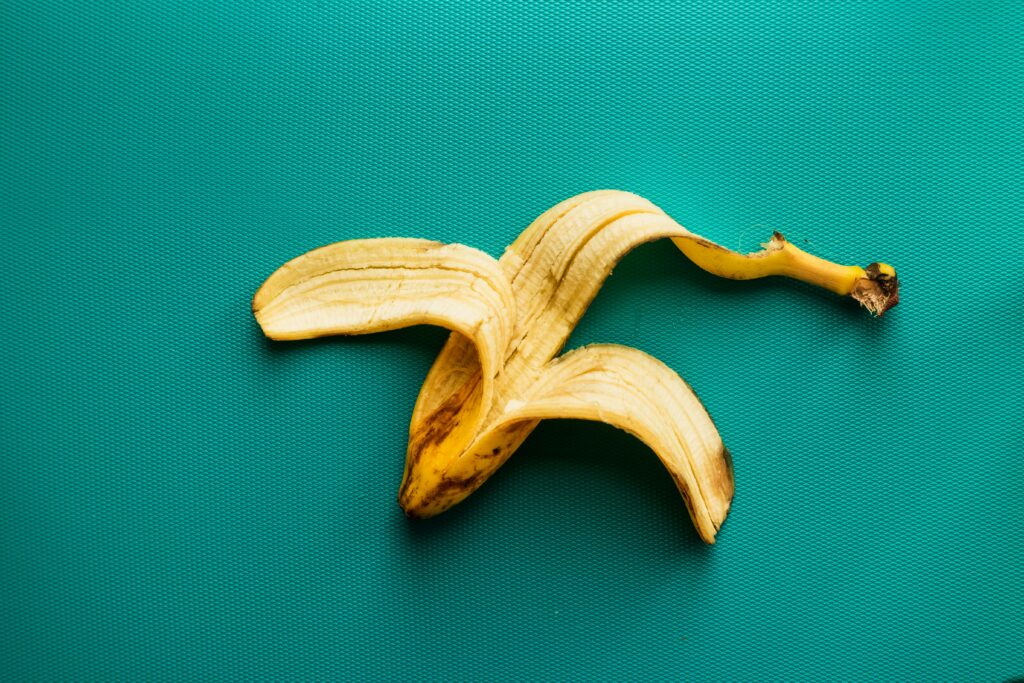
Banana peels contain potassium, although they release nutrients much more slowly than many gardeners expect.
Instead of burying fresh peels beside your peppers, chop them into small pieces and compost them first. You can also make banana peel tea by soaking chopped peels in water for several days and using the liquid occasionally. Fresh peels buried directly beside roots may attract pests before they decompose.
8. Alfalfa Meal
Alfalfa meal supplies nitrogen, potassium, calcium, and natural growth compounds that encourage vigorous plants.
Apply ¼ cup around each mature pepper plant every six weeks and water well. Because alfalfa contains nitrogen, avoid combining it with frequent fish emulsion applications. Too much nitrogen often produces beautiful leaves but disappointingly few peppers.
9. Crushed Eggshells
Eggshells provide calcium, which helps reduce blossom end rot when combined with consistent watering. Although eggshells release calcium slowly, they contribute to long-term soil health.
Wash, dry, and grind shells before mixing 2 tablespoons into the planting hole or compost pile. Do not rely on eggshells alone if your soil already has severe calcium deficiencies.
10. Organic Tomato and Vegetable Fertilizer
Many certified organic tomato fertilizers also work as an excellent organic fertilizer for pepper plants because tomatoes and peppers belong to the same plant family and have similar nutrient needs.
Choose a balanced organic formula and follow package directions carefully. Most recommend feeding every four to six weeks. A small measuring scoop helps you stay consistent instead of guessing each application.
A Simple Feeding Schedule That Works
The easiest feeding routine is also the one I have found most reliable.
Before planting, mix compost and worm castings into the soil. Add bone meal during transplanting if your soil lacks phosphorus. Feed with fish emulsion every two to three weeks until flower buds appear. Once flowering begins, reduce nitrogen and switch to compost, kelp meal, or a balanced organic vegetable fertilizer. Continue feeding lightly every four to six weeks until harvest.
This schedule works well for most peppers, including sweet peppers, chili peppers, jalapeños, serranos, banana peppers, and cayenne peppers.
One exception is very rich garden soil. If your plants already grow vigorously with dark green leaves, you may need less fertilizer than the schedule above.
Also read: Natural Fertilizer for Tomatoes: 10 Organic Ways to Grow Sweeter and Healthier Tomatoes
What Not to Use Together
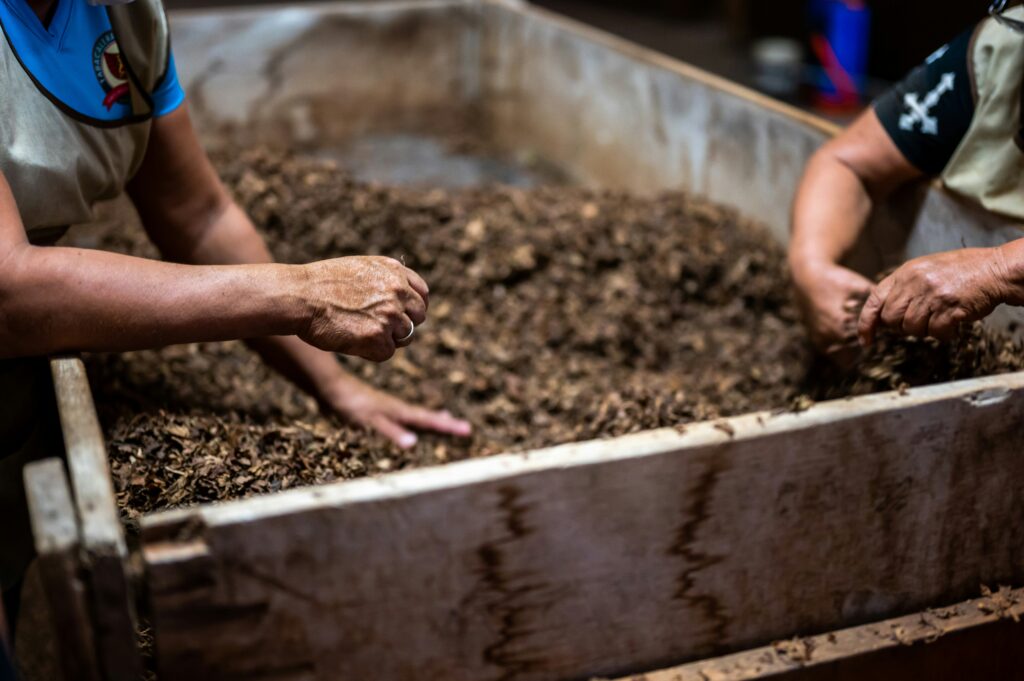
One mistake I see often is combining every organic fertilizer available because each one sounds beneficial. More is not always better.
Avoid using fish emulsion, alfalfa meal, and other nitrogen-rich fertilizers together during flowering. Skip multiple phosphorus products like bone meal plus high-phosphorus fertilizer unless a soil test shows you need both. Also avoid adding fresh manure around pepper plants because it can burn roots and introduce unwanted pathogens if not fully composted.
The most popular advice among experienced organic gardeners is surprisingly simple: feed lightly but consistently instead of heavily all at once.
How to Avoid Overfeeding and Underfeeding
Healthy pepper plants usually have medium-green leaves, steady growth, regular flowering, and firm fruit.
If leaves become extremely dark green but flowers keep dropping, you may have supplied too much nitrogen. Reduce feeding and focus on watering consistently.
If older leaves turn pale, growth slows dramatically, and fruit stays small, your plants may need additional nutrients. Add compost or a balanced organic fertilizer rather than applying large amounts of a single ingredient.
Keeping a simple garden notebook or using a free gardening app to record feeding dates helps prevent accidental double-feeding.
Also read: Organic Liquid Fertilizer for Plants: Easy Homemade Recipes for Healthy Growth
A Helpful Trick I Wish I Knew Earlier
Instead of feeding every plant on the same day, divide your peppers into two groups and fertilize them two weeks apart. This makes it much easier to notice how plants respond before applying the same fertilizer to your entire garden.
One Thing to Be Careful About
Never fertilize dry soil. Water your peppers first, then apply fertilizer, and water lightly again. Even gentle organic fertilizers can stress roots if you apply them to very dry soil, especially during hot summer weather.
A Few Last Words
Finding the best natural fertilizer for peppers is less about buying expensive products and more about creating a steady, balanced feeding routine. Compost, worm castings, fish emulsion, bone meal, kelp, and a few other organic options can grow healthy pepper plants with excellent flavor when you use them thoughtfully. Feed consistently, watch how your plants respond, and let them guide your next application.
Featured image credit: Photo by Nick Fewings on Unsplash







Leave a Reply