
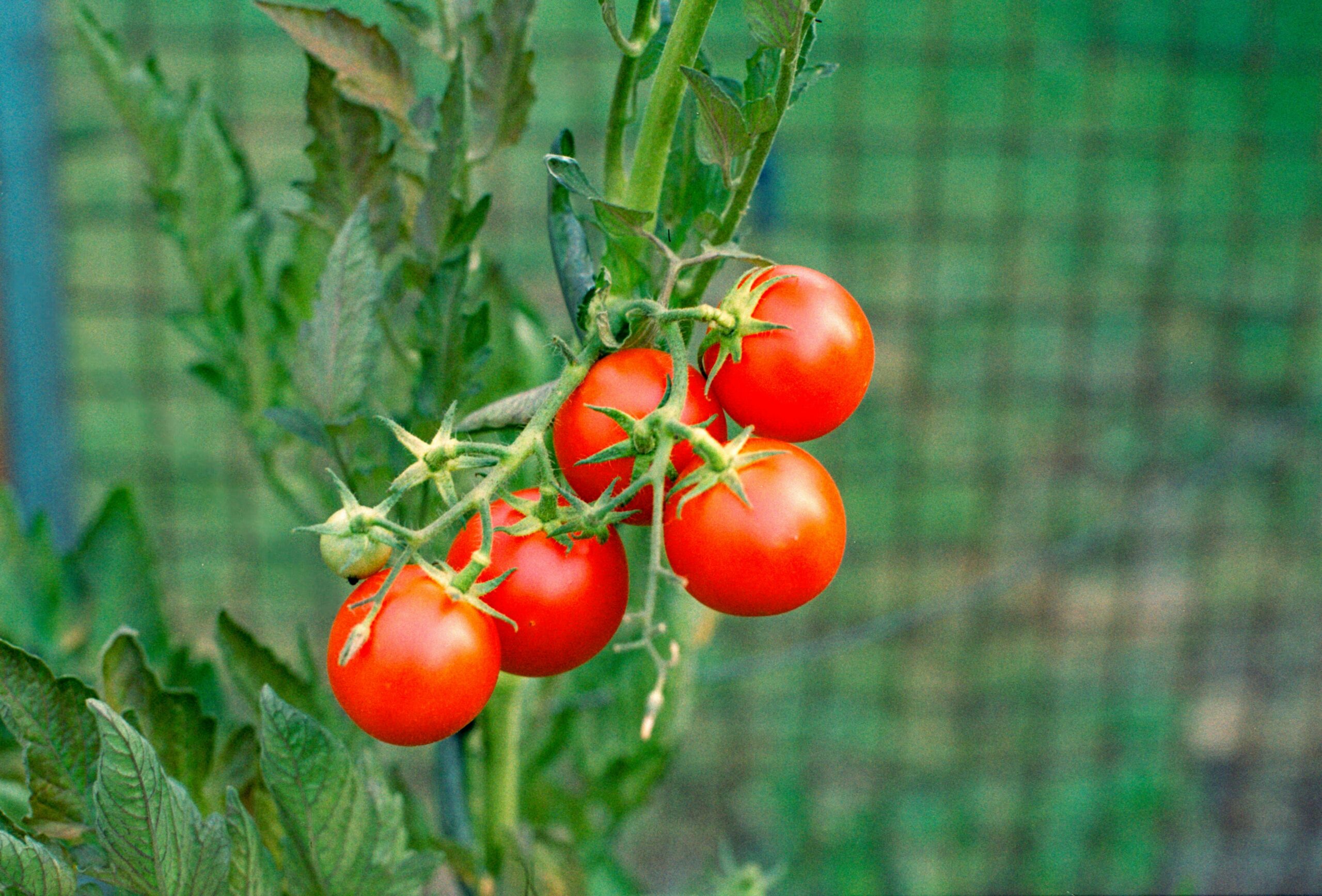
Nothing is more disappointing than waiting months for tomato plants to grow, only to end up with weak vines or bland fruit. Many gardeners reach for chemical fertilizers hoping to fix the problem quickly. Sometimes they work, but they can also encourage excessive leafy growth, upset the balance of the soil, or make feeding feel like a constant guessing game.
That is one reason I started using a natural fertilizer for tomatoes instead. Organic fertilizers feed both the plant and the soil over time, creating healthier roots and more balanced growth. You may not always get the fastest results, but you often end up with stronger plants and better-tasting tomatoes. Once you understand what tomatoes actually need at different stages of growth, choosing the right fertilizer becomes much easier. The goal is not to feed more. It is to feed smarter.
Which Natural Fertilizer Works Best for Tomatoes?
Tomatoes need nitrogen for leafy growth early in the season, but they need more phosphorus and potassium once flowers and fruits begin forming. Instead of relying on one fertilizer all season, I have found that combining a few gentle organic options produces more consistent results.
1. Compost
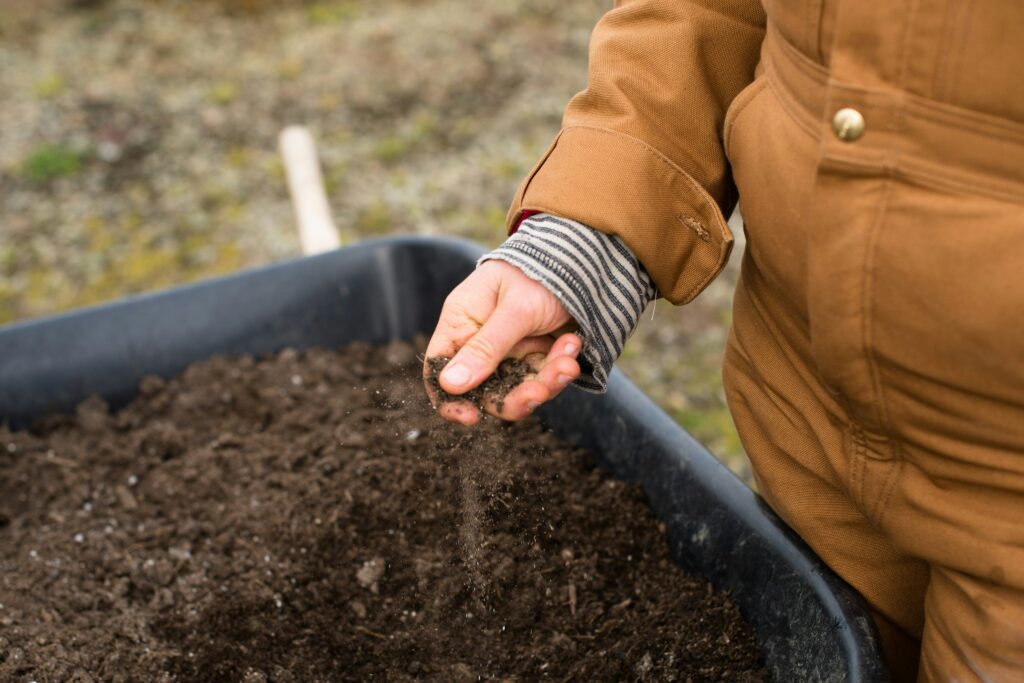
If I could choose only one organic fertilizer for tomato plants, it would be finished compost. Good compost slowly releases nutrients while improving soil structure and water retention. Mix about 20–30% compost into the potting mix before planting. For a standard 10 to 15-gallon tomato container, adding roughly 2 to 3 quarts works well. Mid-season, apply another ½ to 1 inch around the base as a top dressing every four to six weeks. Compost rarely burns plants, making it one of the safest fertilizers for beginners. A small compost sifter helps remove large pieces before mixing.
2. Worm Castings
Worm castings contain gentle nutrients and beneficial microbes that improve root health. I like mixing one to two cups into a 10-gallon container before planting, then adding another half cup every month during the growing season. Tomatoes respond with steady growth instead of sudden growth spurts. Avoid combining large amounts of worm castings with several other high-nitrogen fertilizers because excessive nitrogen encourages leaves instead of fruit. A measuring scoop makes applications quick and consistent.
3. Fish Emulsion
Fish emulsion works especially well when young tomato plants need an early boost. Dilute it according to the product directions, which usually equals about one to two tablespoons per gallon of water. Apply every two to three weeks during the vegetative stage. Once flowering begins, reduce the frequency or switch to lower-nitrogen fertilizers. Fish emulsion has a strong smell, so watering immediately afterward helps reduce odors. A dedicated watering can makes mixing much easier.
4. Compost Tea
Compost tea provides nutrients in liquid form while introducing beneficial microorganisms to the soil. Apply about one gallon to mature container tomatoes every two to three weeks. The nutrients become available quickly without overwhelming the roots. I usually water the soil rather than spraying the leaves because it simplifies the process. Use fresh compost tea within a day after brewing because beneficial microbes decline over time.
5. Bone Meal
Bone meal supplies phosphorus, which supports root development and flowering. Mix one to two tablespoons into the planting hole or blend it thoroughly into the potting mix before planting. Bone meal releases nutrients slowly, so one application often lasts most of the season. Avoid applying it together with large amounts of phosphorus-rich fertilizers because tomatoes only need moderate phosphorus. Overdoing it can interfere with the uptake of other nutrients.
6. Kelp Meal
Kelp meal contains potassium and trace minerals that support flowering, fruit quality, and overall plant health. Mix one to two tablespoons into the soil when planting or sprinkle it around the plant every four to six weeks. Kelp also contains natural plant growth compounds that help tomatoes cope with heat and mild drought stress. A small hand cultivator helps work the meal gently into the soil surface.
7. Alfalfa Meal
Alfalfa meal offers a balanced nutrient profile and slowly improves soil fertility. Mix about one-quarter cup into a 10-gallon container before planting or use a light side dressing once or twice during the season. Because alfalfa contains nitrogen, avoid combining it with frequent fish emulsion feedings unless the plants clearly need additional leafy growth. Too much nitrogen usually delays fruit production.
8. Crushed Eggshells
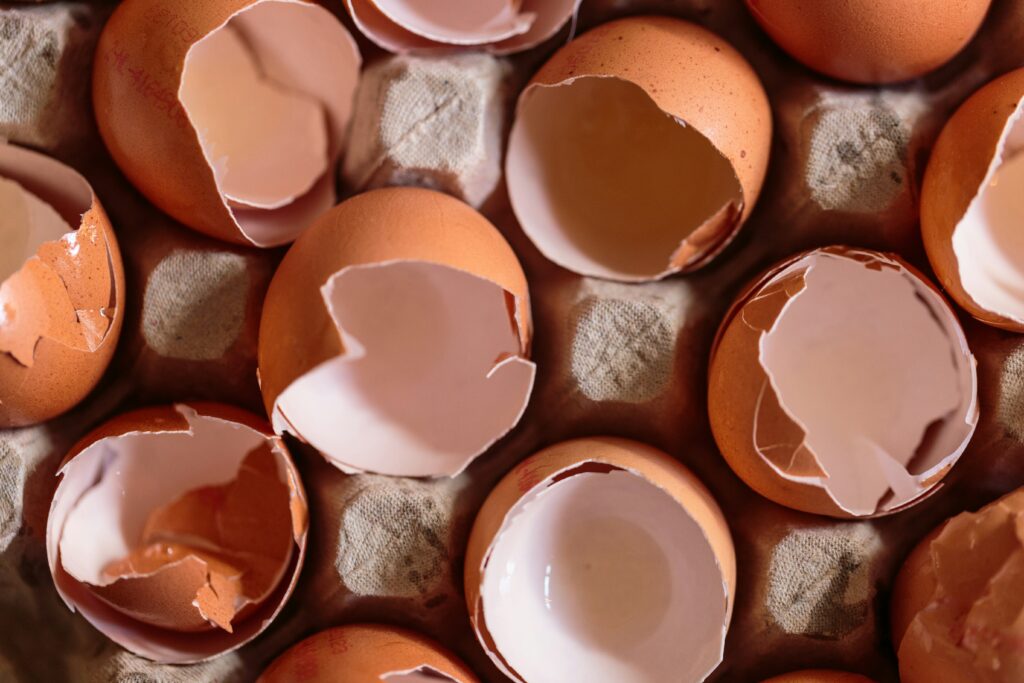
Eggshells are popular in tomato gardens because they contain calcium. While they break down slowly and should not be considered a quick calcium fix, they still contribute to long-term soil health. Crush the shells into a fine powder before mixing one or two tablespoons into the planting hole. Their biggest benefit comes when used consistently over several seasons. A small coffee grinder reserved for garden use makes the shells much finer and easier for soil microbes to break down.
9. Wood Ash
Wood ash supplies potassium while slightly raising soil pH. Tomatoes appreciate potassium during flowering and fruit production, but moderation matters. Use no more than one tablespoon around a container-grown tomato every month if your soil is slightly acidic. Avoid using wood ash alongside lime because both increase soil pH. Too much can make important nutrients harder for the plant to absorb.
10. Organic Tomato Fertilizer Blends
Sometimes convenience wins. High-quality organic tomato fertilizers combine ingredients like feather meal, bone meal, kelp meal, and beneficial microbes in balanced proportions. Follow the package recommendations carefully. For most container tomatoes, feeding every four to six weeks works well. I often recommend these blends to beginners because they remove much of the guesswork while still supporting healthy soil biology.
How Much Should You Feed Tomato Plants?
One mistake I see often is feeding tomatoes every week simply because they look healthy. Healthy plants do not always need more fertilizer.
For a standard 10 to 15-gallon container:
- Mix compost and one or two slow-release organic fertilizers before planting.
- Feed lightly every three to four weeks once the plants begin growing actively.
- Reduce nitrogen after flowering starts.
- Continue supplying potassium-rich fertilizers throughout fruit production.
- Water thoroughly after every dry fertilizer application.
Keeping a simple garden journal or fertilizer calendar helps you avoid forgetting previous feedings.
Organic Fertilizers You Should Not Mix
Some combinations create more problems than benefits.
Avoid combining fish emulsion with large amounts of alfalfa meal or fresh manure because nitrogen levels may become excessive. Likewise, avoid using bone meal together with other phosphorus-heavy fertilizers unless a soil test shows a deficiency. Wood ash should never be combined with lime because both increase soil alkalinity.
In my experience, using fewer fertilizers correctly usually produces better tomatoes than applying many different products all at once.
Most experienced gardeners agree that slow, consistent feeding creates healthier tomato plants than frequent heavy fertilizing. Tomatoes grow best when nutrients remain available gradually instead of arriving in large bursts.
One important limitation is that organic fertilizers work more slowly than synthetic ones because soil organisms must break them down first. If your soil is extremely poor or your plants already show severe nutrient deficiencies, improvements may take several weeks rather than several days.

How to Feed Tomatoes Naturally
A simple routine keeps feeding manageable.
- Mix compost into the soil before planting.
- Add bone meal and worm castings at planting time.
- Feed with fish emulsion every two to three weeks until flowering begins.
- Switch to kelp meal or balanced organic tomato fertilizer during flowering.
- Top-dress with compost every month.
- Water deeply after every feeding.
- Watch leaf color and fruit production before adding more fertilizer.
Following the plant’s growth stage instead of the calendar makes fertilizing much easier.
A Small Trick That Helps Tomatoes Produce Better Fruit
Instead of fertilizing immediately after transplanting, wait about seven to ten days. Giving roots time to settle first often leads to stronger root systems and more balanced early growth.
One Mistake That Can Reduce Your Harvest
Do not assume yellow leaves always mean your tomatoes need more fertilizer. Overwatering, cool weather, root damage, and several diseases produce similar symptoms. Check soil moisture and overall plant health before reaching for another fertilizer application.
Also read: Organic Liquid Fertilizer for Plants: Easy Homemade Recipes for Healthy Growth
A Few Last Words
Choosing a natural fertilizer for tomatoes helps build healthier soil while supporting steady plant growth throughout the season. You do not need a long list of products to grow excellent tomatoes. A combination of compost, a few carefully chosen organic fertilizers, and consistent observation usually produces healthier plants, flavorful fruit, and a garden that becomes easier to manage each year.
Featured image credit: Photo by Chris Weiher on Unsplash








Leave a Reply