
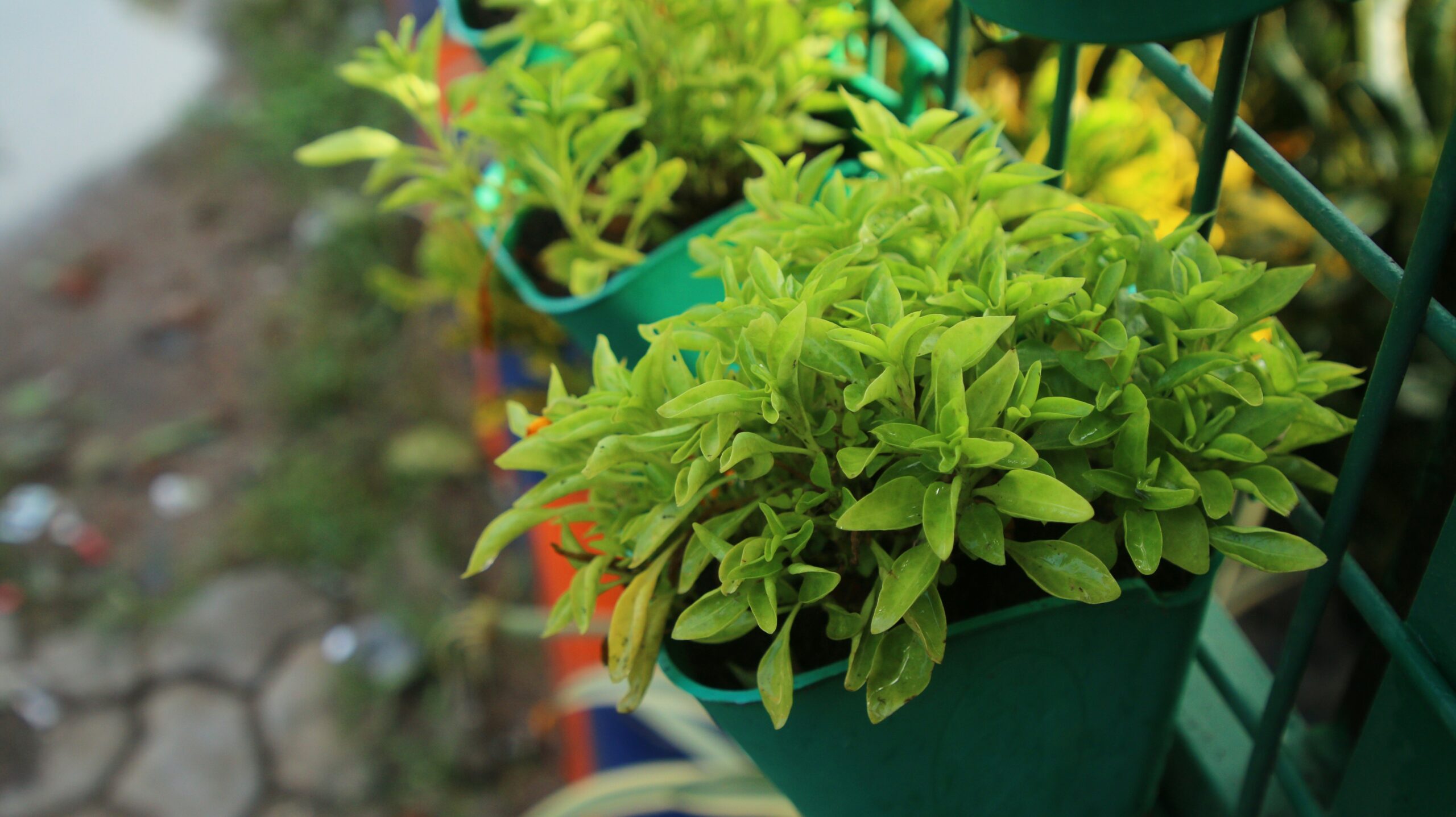
You may have a balcony, tiny patio, or backyard where every square foot already has a job. Perhaps you have tried growing vegetables in pots, only to run out of floor space before you even planted half the things you wanted. That is where hanging baskets can make a real difference. Instead of keeping every plant on the ground, you can use the vertical space above a balcony railing, porch, or sunny corner.
The trick is choosing vegetables with compact, trailing, or naturally lightweight growth. I have found that hanging baskets work best when I treat them as small vegetable containers rather than trying to squeeze ordinary garden plants into tiny pots. Once you choose suitable varieties, the space above your head can become surprisingly productive. Here are the vegetables to grow in hanging baskets that I would consider first.
The Best Vegetables to Grow in Hanging Baskets
Not every vegetable belongs in a hanging basket. A large pumpkin or full-sized tomato plant can quickly become too heavy, while compact tomatoes, greens, peppers, and radishes are much easier to manage. University extension guidance specifically recommends compact or dwarf varieties for container growing, and hanging baskets work particularly well for compact edible plants.
1. Cherry Tomatoes
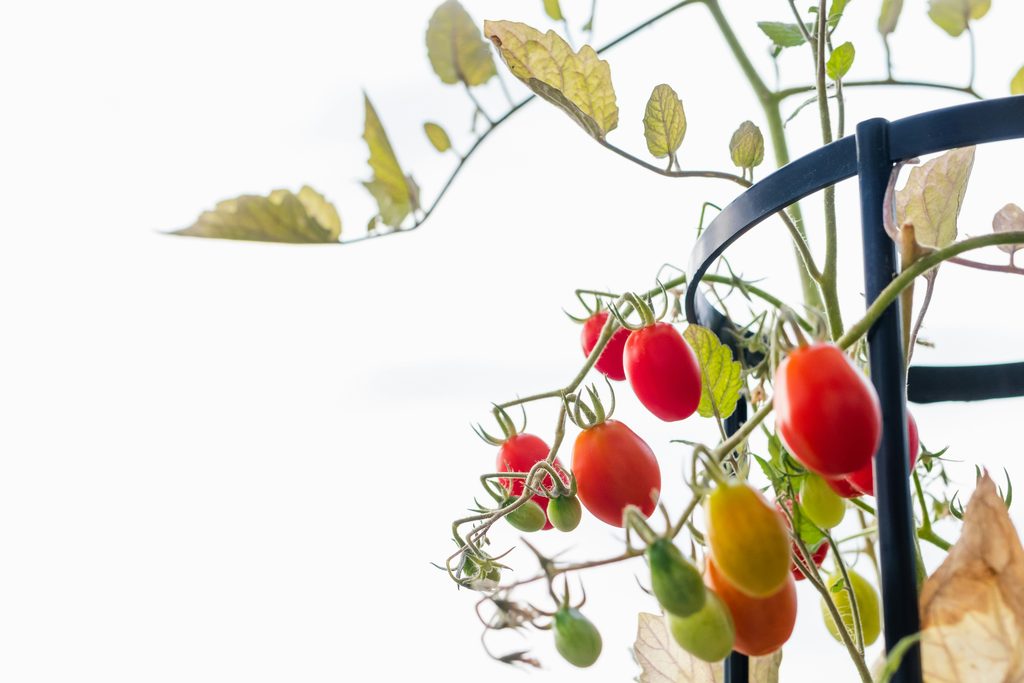
Cherry tomatoes are one of my first choices because trailing varieties can spill naturally over the sides of a basket. Plant them after the danger of cold weather has passed, or during the warm growing season in your climate. Give them 6 to 8 hours of direct sunlight and provide afternoon shade if your balcony becomes extremely hot. Water whenever the top layer begins to dry, often daily during hot weather, and mix mature compost into the potting mix before planting. Feed lightly every couple of weeks during active fruiting, following the fertilizer label. Compact varieties can begin producing roughly 55 to 80 days after transplanting, with a healthy plant potentially giving you several dozen small tomatoes over the season. A sturdy hanging basket and strong hook matter here because a basket full of wet potting mix and fruit becomes surprisingly heavy.
Also read: Natural Fertilizer for Tomatoes: 10 Organic Ways to Grow Sweeter and Healthier Tomatoes
2. Chili Peppers
Compact chili peppers are excellent hanging basket vegetables because many varieties remain relatively small while producing repeatedly. Plant them during warm weather and give them at least 6 hours of sunlight, with some afternoon protection in very hot climates. Water when the top inch of mix starts drying, but make sure excess water drains freely. Add compost before planting and use a balanced liquid fertilizer every two to three weeks during active growth if needed. Depending on the variety, you may start picking peppers around 60 to 90 days after transplanting. A compact pepper cage or small support stake can prevent the plant from becoming top-heavy once it carries a lot of fruit.
Also read: Natural Fertilizer for Peppers: 10 Organic Fertilizers That Grow Healthier, More Flavorful Plants
3. Lettuce
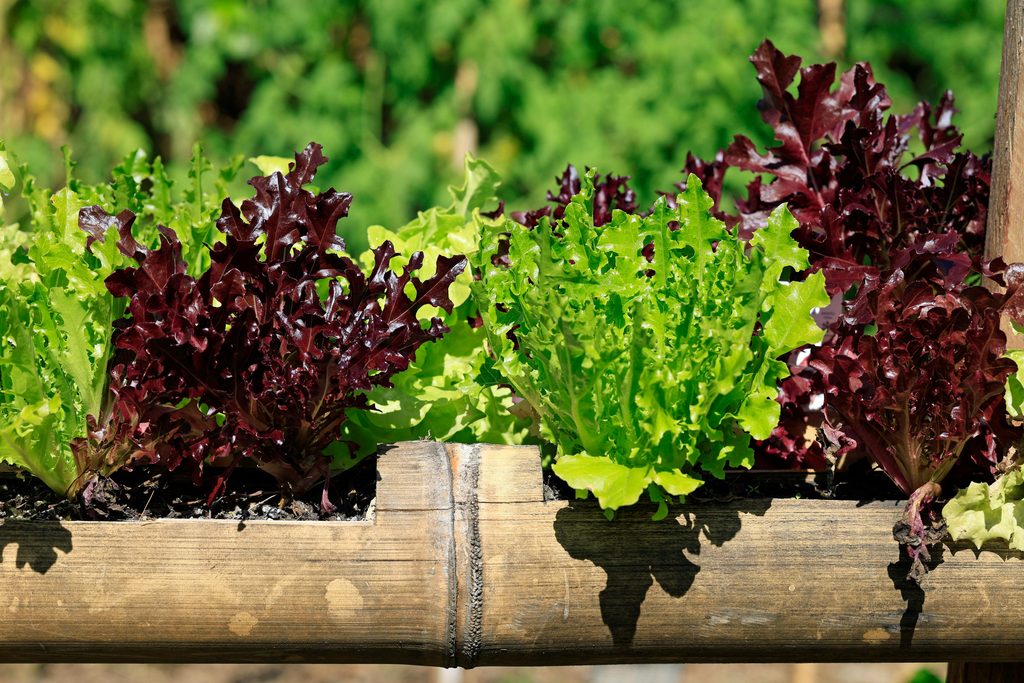
Lettuce is particularly useful if your balcony receives less intense sunlight than a sunny backyard. Plant it during cool weather, such as autumn, winter, or early spring depending on your climate. Give it around 3 to 5 hours of direct sunlight, although more light can improve growth. Keep the potting mix consistently moist because shallow roots dry quickly in a hanging container. Mix compost into the growing medium before planting and feed lightly if growth slows. You can harvest baby leaves in about 25 to 35 days and mature heads several weeks later. A lightweight plastic basket with a drainage tray underneath is easier to handle than a heavy ceramic container.
4. Spinach
Spinach is another good choice for a cooler balcony season. Sow it during autumn, winter, or early spring and give it roughly 3 to 5 hours of direct sunlight. Some afternoon shade can actually help when temperatures begin rising. Keep the mix evenly moist and add mature compost before planting. You can begin harvesting young leaves in roughly 30 to 40 days, then continue picking outer leaves as the plant grows. I prefer harvesting gradually instead of pulling out the entire plant because one basket can provide several rounds of greens.
5. Radishes
Radishes are useful when you want a quick harvest from a small container. Sow them during cool weather and give them around 4 to 6 hours of sunlight. Water consistently so the roots do not become dry and woody, and mix compost into the potting mix before sowing. You generally do not need heavy feeding because radishes mature quickly. Depending on the variety, you can start harvesting around 20 to 40 days after sowing. Choose a basket that gives the roots enough depth rather than an extremely shallow decorative basket.
6. Bush Beans
Compact bush beans can work well if you choose a container large enough to support the plants. Sow them after the weather becomes warm and give them about 6 to 8 hours of sunlight. Keep the mix consistently moist, particularly once flowers and pods appear. Add compost before planting and provide a light feed during the growing season if the plants show signs of nutrient deficiency. You may begin harvesting around 50 to 65 days after sowing. Because beans can become top-heavy, I would use a strong hanging basket with a secure mounting point rather than a lightweight decorative hook.
7. Peas
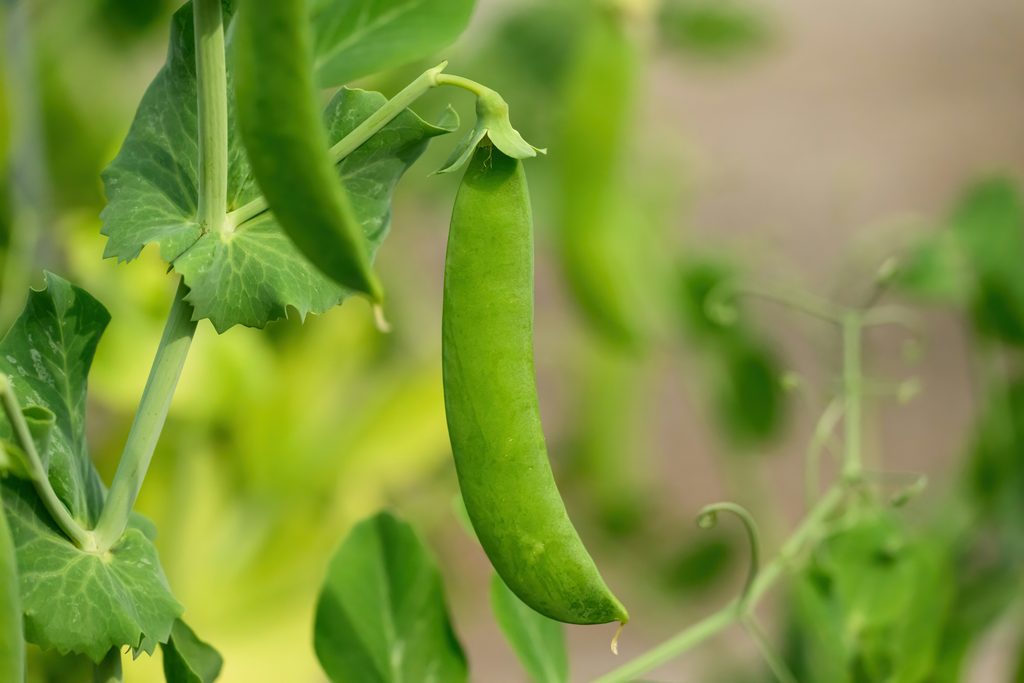
Peas make sense for hanging baskets when you choose a compact or trailing variety and provide something for the vines to climb. Plant them during cool weather, usually in early spring or autumn depending on your climate. Give them around 5 to 6 hours of sunlight and keep the potting mix evenly moist. Add compost before planting but avoid excessive nitrogen fertilizer, which can encourage leaves instead of pods. Harvesting often begins around 60 to 70 days after sowing. A small trellis, wire frame, or several pieces of garden twine can give the vines somewhere to climb without taking up floor space.
8. Swiss Chard
Swiss chard is a good option when you want a leafy crop that can tolerate a little less sunlight than fruiting vegetables. Plant it during cooler parts of the year and give it around 4 to 6 hours of sunlight. Water whenever the surface begins to dry and add compost before planting. You can start harvesting individual leaves at roughly 50 to 60 days, then continue picking the outer leaves. Keep the basket in a position where you can reach it easily because regular harvesting encourages you to keep the plant productive.
9. Kale
Compact kale varieties can grow comfortably in larger hanging baskets, particularly during cool weather. Give them around 4 to 6 hours of direct sunlight and provide afternoon shade in warmer conditions. Water when the potting mix starts drying and incorporate compost before planting. Feed lightly every few weeks if the plants remain productive for a long season. Depending on the variety, you can begin harvesting young leaves around 40 to 60 days after planting. Pick the lower outer leaves first and leave the growing center intact.
10. Arugula
Arugula is one of the easiest crops to add when you have limited space. Sow it during cool weather and provide about 3 to 5 hours of sunlight, with additional light helping it grow quickly. Keep the basket evenly moist and add compost before sowing. You can often begin cutting baby leaves within 20 to 30 days. Rather than waiting for one large harvest, cut a few leaves at a time and sow another batch every few weeks. This gives you a steady supply without needing several large containers.
11. Beets
Beets can grow in containers because they do not require a large amount of vertical space. Choose a deeper hanging basket rather than a shallow decorative one, and sow during a cool growing season. Give them around 5 to 6 hours of sunlight and keep the mix evenly moist. Add compost before planting and avoid excessive fertilizer. Baby beets can be ready in roughly 40 to 50 days, while larger roots take longer. You can also harvest some young beet greens while the roots develop.
12. Carrots
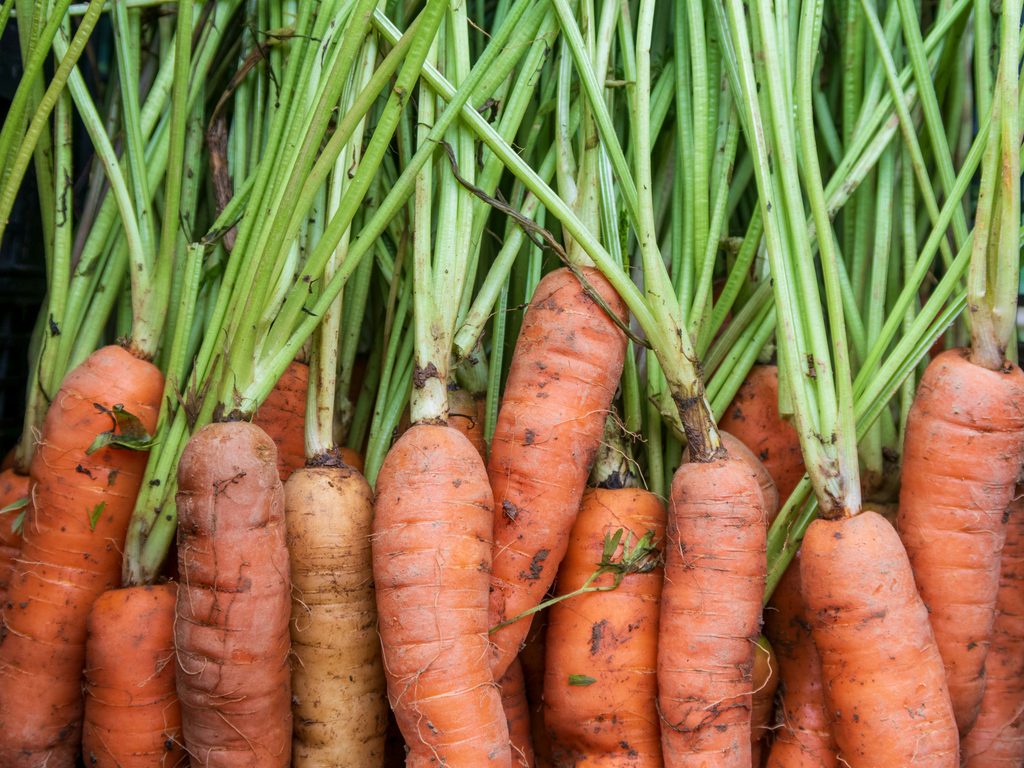
Carrots are possible in hanging baskets, but you need to choose a short or round variety and use a container deep enough for the roots. Sow them during cool weather and provide around 6 hours of sunlight. Keep the mix consistently moist during germination, which is especially important because hanging baskets can dry quickly. Mix compost into loose potting mix before sowing. Depending on the variety, expect around 60 to 80 days before harvest. A deep plastic basket is usually more practical than a shallow coir-lined decorative basket for this crop.
13. Cucumbers
Cucumbers can work in hanging baskets if you choose a compact, bush, or naturally trailing variety. Plant during warm weather and provide 6 to 8 hours of sunlight, while offering afternoon shade during extreme heat. They need regular watering, sometimes daily in hot weather, so a moisture meter or simple drip-watering setup can be very useful. Add compost before planting and feed lightly during fruit production. Harvest can begin around 50 to 70 days after planting. Letting the vines trail downward can save space, although you should still choose a strong basket because mature vines and wet soil can become heavy.
14. Dwarf Eggplant
Dwarf eggplant varieties can grow in a large hanging basket if you have a strong support point and enough root space. Plant them during warm weather and provide 6 to 8 hours of sunlight. Water deeply whenever the mix starts drying, and mix compost into the container before planting. A light feed every two weeks during fruiting can help maintain production if your potting mix does not contain slow-release fertilizer. Harvest usually begins around 60 to 90 days after transplanting. Keep an eye on the basket as fruit develops because the combined weight can become significant.
15. Turnips
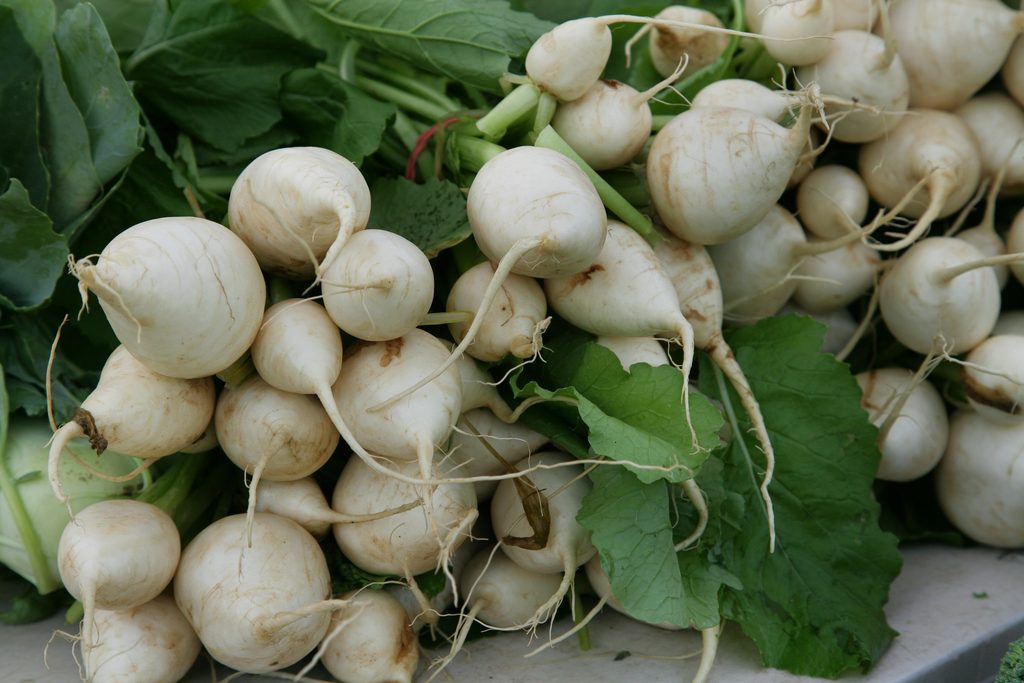
Turnips are another practical root vegetable for a deeper basket. Sow them during cool weather and provide around 5 to 6 hours of sunlight. Keep the potting mix evenly moist and mix mature compost into it before sowing. You can harvest small turnips in roughly 30 to 50 days, depending on the variety, and use the young greens as well. Because they mature relatively quickly, turnips also work nicely between slower crops in a small hanging basket garden.
How to Start Your Hanging Basket Vegetable Garden
Once you have chosen your crops, I would set up the baskets in this order.
1. Choose the location first.
Watch the area for a full day before buying plants. Note how many hours of direct sunlight reach the basket and whether nearby walls or roofs block the light. Fruiting crops such as tomatoes, peppers, cucumbers, and eggplants generally need around 6 to 8 hours of direct sun, while leafy crops can tolerate less.
2. Choose the basket according to the vegetable.
Do not choose the smallest basket simply because it looks neat. A larger container holds more growing medium and moisture, although it also becomes heavier. For most vegetables, I prefer a sturdy plastic or reinforced hanging container with several drainage holes. Coir-lined wire baskets look attractive, but they can dry faster.
3. Use potting mix instead of ordinary garden soil.
A lightweight, well-draining potting mix works better for hanging containers. Garden soil can become too heavy and compacted. You can mix mature compost into the growing medium before planting, but do not fill the basket with compost alone.
4. Secure the drainage holes.
If the holes are large, place a small piece of mesh or coffee filter over them before adding the potting mix. This keeps the mix from escaping while still allowing water to drain. You do not need a thick layer of gravel at the bottom. Extension guidance specifically recommends avoiding rocks or gravel as a routine drainage layer because they take up root space without improving drainage.
5. Plant less than you think you need.
Overcrowding is one of the easiest ways to turn a promising hanging basket into a constant watering and pest problem. Give each vegetable enough space for mature growth. If you want several plants, choose a larger basket rather than squeezing several seedlings into a small one.
6. Create a watering routine.
This is the part I would take most seriously. Hanging baskets dry faster than many ground-level containers, especially on sunny balconies. Check the mix daily during hot weather and water thoroughly until excess water drains from the bottom. Iowa State Extension notes that hanging baskets may need watering more than once a day during hot, sunny weather.
7. Feed plants regularly.
Every time you water a container, some nutrients can leave with the drainage water. Long-season vegetables such as tomatoes, cucumbers, peppers, and eggplants may benefit from light feeding about every two weeks during active production, depending on the fertilizer you use. A slow-release fertilizer can reduce the amount of feeding you need to remember.
8. Make harvesting part of the routine.
Check your baskets every day or two. Pick ripe tomatoes and peppers, harvest lettuce leaves, and remove overgrown cucumbers promptly. Regular harvesting helps you notice problems early and keeps the plants focused on continued production.
Also read: 12 Vegetables to Grow in Shade for a Productive Low-Light Garden
A Few Hanging Basket Tricks I Actually Like
If your basket dries too quickly, group several baskets together rather than scattering them around the balcony. This makes watering easier and can reduce exposure to drying winds. For coir-lined baskets, a small internal liner can slow moisture loss while still allowing drainage. You can also use a simple bottle-drip attachment for days when you know you will be away, but test the flow before relying on it.
One Mistake That Can Ruin the Setup
Never hang a vegetable basket from a weak railing, decorative hook, or aging bracket. Wet potting mix, roots, and mature vegetables can weigh much more than the empty basket. Check the support’s load rating, secure it properly, and consider where drainage water will fall. On a balcony, you should also make sure water cannot drip onto people, furniture, or the space below.
Also read: 9 Easy Vegetables to Grow Indoors (Fresh Food Without a Garden)
What Should You Grow First?
If this is your first hanging basket garden, I would keep it simple. Try cherry tomatoes or compact peppers in the sunniest spots, then use lettuce, spinach, arugula, or radishes where you receive less direct light. Once you understand how quickly your baskets dry and how much sunlight your space receives, you can add cucumbers, beans, peas, or root crops.
The best vegetables to grow in hanging baskets are not necessarily the ones that produce the largest harvest. They are the crops that fit your available light, basket size, climate, and watering routine. Start with a few well-chosen plants, and your small-space garden can become both practical and surprisingly productive.
Featured image credit: Photo by jeswin jomon on Unsplash
Leave a Reply