
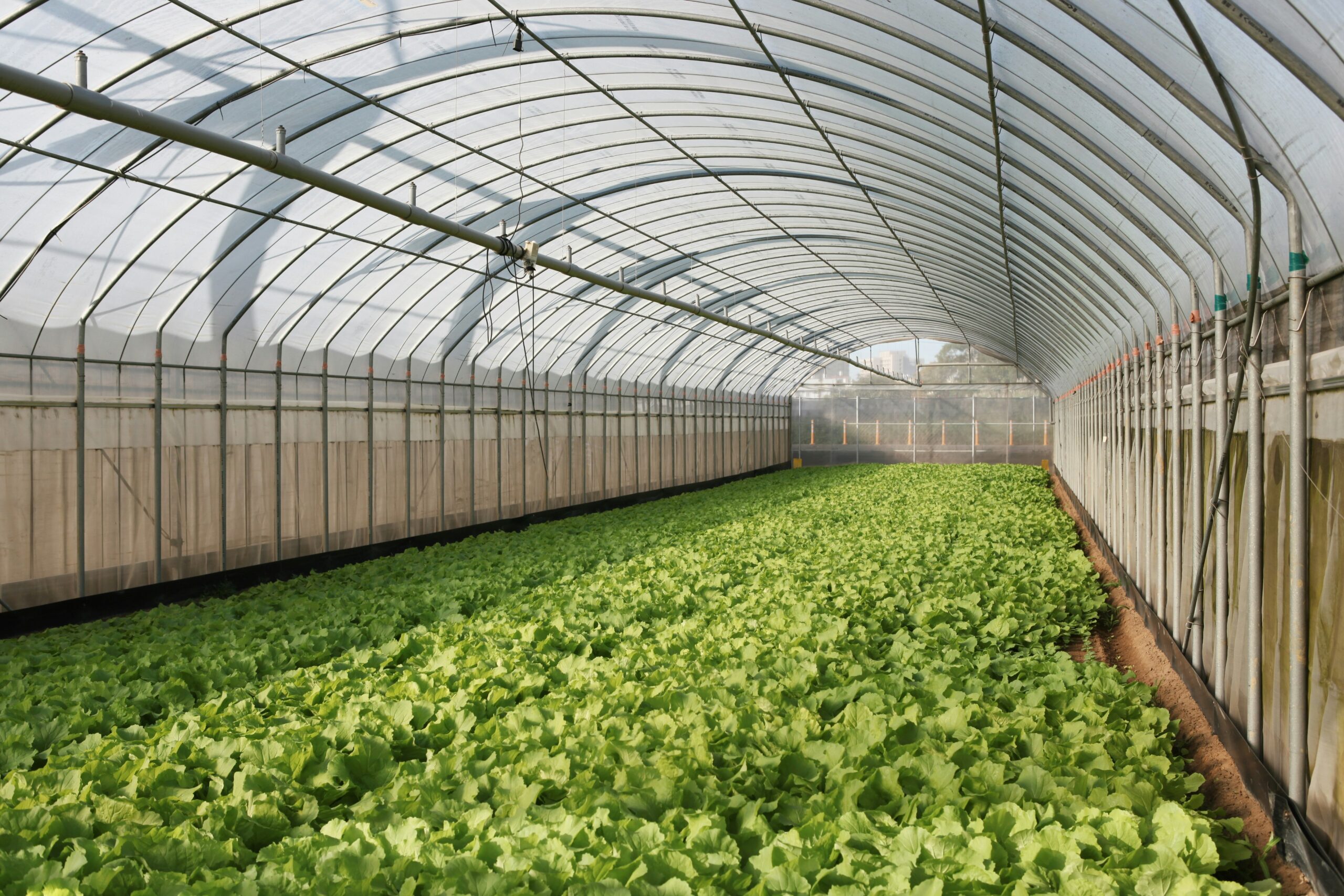
You finally have a greenhouse, but now you are standing inside it wondering what to plant first. Maybe you have bought seeds that looked promising, only to end up with weak seedlings, yellow leaves, or vegetables that flower without producing much. I have found that choosing the right crops makes a much bigger difference than simply planting everything that looks good on a seed packet.
A greenhouse gives you more control over temperature, rain, wind, and the length of your growing season. It can also let you start crops earlier and keep producing after outdoor conditions become difficult. Research from Penn State Extension lists tomatoes, peppers, cucumbers, greens, and herbs among the crops commonly suited to protected growing. So, if you are deciding which vegetables to grow in greenhouse conditions, these are the ones I would consider first.
The Best Vegetables to Grow in a Greenhouse
1. Tomatoes
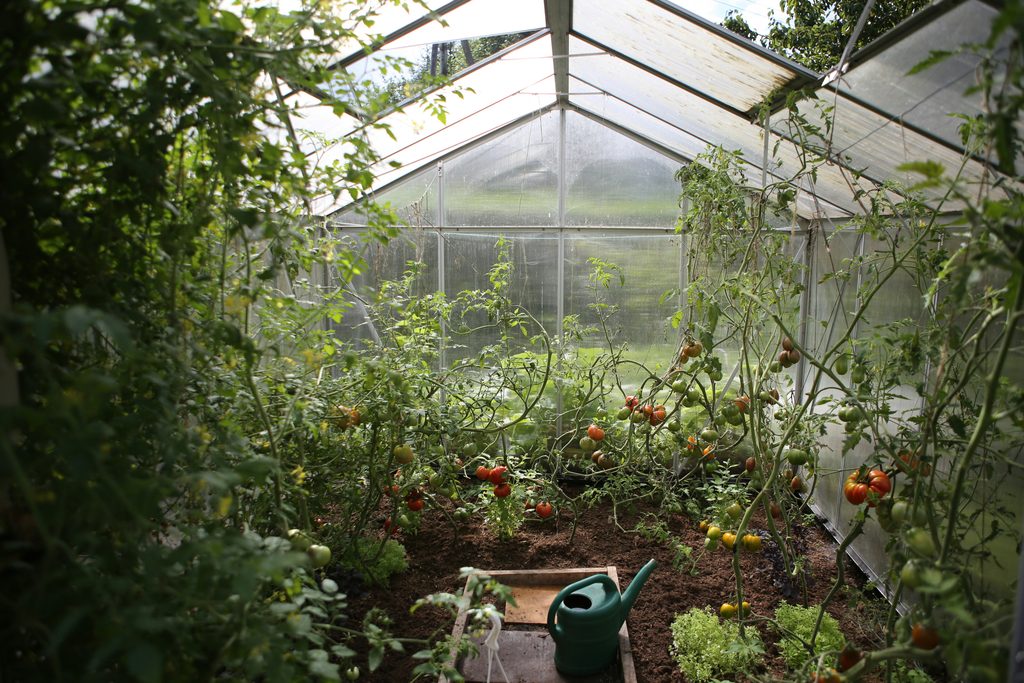
Tomatoes are probably the first crop I would choose for a greenhouse because they make excellent use of vertical space and can produce for a long period when conditions remain favorable. Start seeds or young plants in late winter or early spring in cooler climates, or adjust the timing to avoid your area’s hottest or coldest period. Give them at least 6 to 8 hours of strong sunlight, although a little afternoon shade can help in very hot climates. Keep the soil consistently moist rather than alternating between very dry and very wet conditions. I like using a drip line or inexpensive self-watering system because it keeps water around the roots instead of on the leaves. Add compost before planting and feed according to the needs of your soil and variety. With good conditions, you can begin harvesting roughly 60 to 90 days after transplanting, with several kilograms of fruit possible from a healthy plant over its productive period. Penn State also recommends soil testing because nutrition strongly affects tomato growth and fruit quality.
Also read: Natural Fertilizer for Tomatoes: 10 Organic Ways to Grow Sweeter and Healthier Tomatoes
2. Cucumbers
If you want a fast-growing crop, cucumbers are hard to overlook. Plant them when temperatures and soil are warm enough, usually in spring, or during a cooler growing window in warmer climates. Give them around 6 to 8 hours of sunlight, while using shade cloth during periods of extreme heat. Cucumbers are thirsty plants, so check the soil frequently and water deeply whenever the upper layer begins drying. A simple moisture meter can save you from guessing. Mix compost into the bed before planting and add more organic matter between growing cycles rather than continually piling compost around the stems. With suitable temperatures, you may start picking cucumbers about 50 to 70 days after planting. A vertical trellis or clips can keep vines off the ground and make harvesting considerably easier. Cucumbers also need steady moisture because fluctuations can cause poor fruit development and deformities.
3. Bell Peppers
Bell peppers are another excellent choice when you want a greenhouse crop that keeps producing. Start them earlier than you would outdoors in a cool climate, then transplant once the greenhouse soil has warmed. They prefer around 6 to 8 hours of sunlight, but provide shade during very hot afternoons because excessive heat can interfere with flowering and fruit set. Water when the soil begins to dry, keeping moisture reasonably consistent, and mix mature compost into the planting area before transplanting. A small support stake is useful once the plants become heavy with peppers. You can usually begin harvesting green peppers around 60 to 90 days after transplanting, while colored peppers take longer because they need additional time to ripen. Penn State recommends well-drained soil and notes that peppers perform best when their root zone stays adequately moist.
Also read: Natural Fertilizer for Peppers: 10 Organic Fertilizers That Grow Healthier, More Flavorful Plants
4. Lettuce
Lettuce is one of the vegetables I would use to fill spaces between larger greenhouse crops. It prefers cooler conditions, so plant it in autumn, winter, early spring, or another cool growing period appropriate to your climate. Give it about 4 to 6 hours of sunlight, with light afternoon shade helpful when temperatures rise. Because lettuce has shallow roots, check the soil regularly and water before it becomes completely dry. A small watering wand with a gentle setting works well for seedlings. Mix compost into the soil before planting, but avoid repeatedly adding large amounts of rich fertilizer. You can harvest baby leaves in roughly 25 to 35 days and mature heads in about 45 to 70 days, depending on the variety. If you stagger plantings every couple of weeks, you can keep harvesting instead of having everything mature at once.
5. Spinach
Spinach is particularly useful when you are wondering what vegetables to grow in a greenhouse during winter. It prefers cool weather and can struggle when temperatures become too high, so autumn through early spring is often the most useful growing window. Give it around 4 to 6 hours of sunlight, although more light is beneficial during short winter days. Keep the soil evenly moist and incorporate compost before sowing. You can begin harvesting baby leaves around 30 days after planting and larger leaves several weeks later. A shallow tray or compact container with drainage holes works surprisingly well if you have limited bed space.
6. Radishes
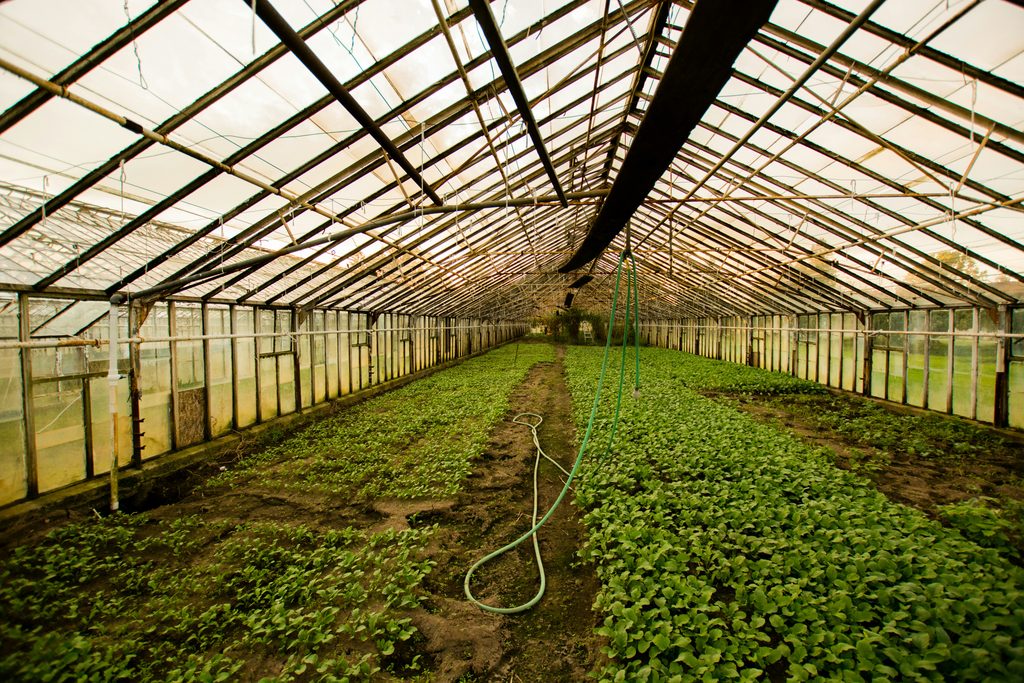
Radishes are ideal when you want a quick harvest while waiting for slower crops to mature. Plant them during cool seasons, including autumn and winter in many climates. Give them around 4 to 6 hours of sunlight, although stronger light helps them develop roots well. Keep the soil consistently moist but not saturated. Mix a modest amount of mature compost into the soil before sowing rather than using heavily fertilized soil. Depending on the variety, you may harvest radishes just 20 to 40 days after sowing. I like growing them in shallow containers because you can easily start another batch after harvesting the first one.
7. Carrots
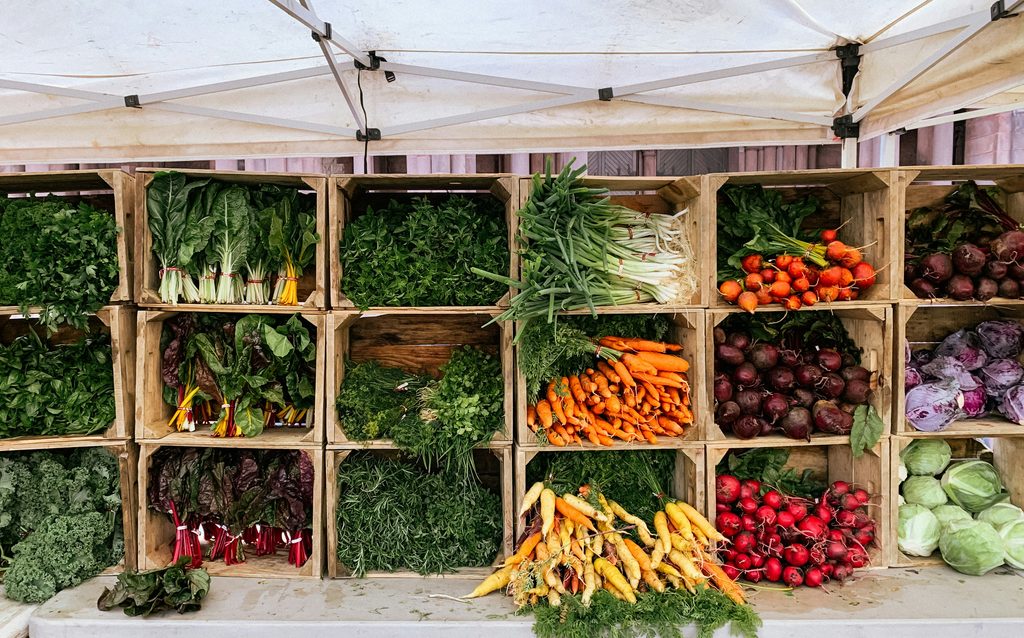
Carrots take longer than radishes, but they are excellent greenhouse vegetables because you can control soil conditions more easily. Sow them during a cool growing season and give them at least 6 hours of sunlight where possible. Keep the soil evenly moist during germination, then water deeply enough to keep the developing roots growing steadily. Use loose, stone-free soil mixed with compost, but do not overload the bed with fresh manure or excessive nitrogen. Depending on the variety, expect roughly 60 to 80 days before harvesting. A deep grow bag or tall container is useful if your greenhouse soil is shallow.
8. Green Beans
Bush beans and compact pole beans can both work in a greenhouse, although pole varieties need vertical support. Plant them during warm weather and give them around 6 to 8 hours of sunlight. Water whenever the soil starts to dry, paying particular attention during flowering and pod development. Mix compost into the soil before planting and add a light organic feed if growth becomes weak. You may begin harvesting around 50 to 65 days after sowing. A simple trellis, clips, or reusable plant ties can keep climbing varieties organized and prevent the greenhouse from becoming a tangle of vines.
9. Kale
Kale is one of my favorite choices for a greenhouse because it tolerates cooler conditions and gives you repeated harvests. Plant it in autumn, winter, or early spring depending on your climate. Give it around 4 to 6 hours of sunlight, with more light preferred when temperatures are low. Water deeply when the soil begins to dry and add compost before planting. Harvest the outer leaves once the plants have established, often beginning around 45 to 60 days after planting. Instead of pulling out the whole plant, keep harvesting the lower leaves and allow the center to continue producing.
10. Broccoli
Broccoli works best as a cool-season greenhouse crop. Start it in late summer or early autumn for a cool-season harvest, or time it for early spring in colder regions. Give it around 6 hours or more of sunlight and provide some shade if your greenhouse becomes unusually hot. Keep moisture consistent, particularly while the head develops. Mix compost into the bed before planting and use a balanced vegetable fertilizer if your soil test indicates a need. Depending on the variety and whether you transplant seedlings, expect the main head roughly 60 to 100 days after planting. After cutting the main head, many varieties can produce smaller side shoots.
11. Swiss Chard
Swiss chard is useful when you want a leafy vegetable that tolerates a wider range of conditions than lettuce. You can grow it during cool seasons and often keep harvesting for months. Give it around 4 to 6 hours of sunlight, with afternoon shade helpful in hot weather. Water whenever the soil begins to dry and incorporate compost before planting. Start harvesting individual outer leaves once the plants are established, often around 50 to 60 days after sowing. A few containers of chard can provide repeated harvests without taking much greenhouse space.
12. Zucchini
Zucchini can grow extremely quickly in warm greenhouse conditions, but I would give it plenty of room because the leaves become large. Plant it during a warm growing season and provide around 6 to 8 hours of sunlight. Keep moisture consistent, especially once flowering begins. Mix compost into the soil before planting and provide additional feeding if growth becomes pale or weak. Depending on the variety, you may start harvesting tender zucchini around 45 to 60 days after planting. A hand pollination brush can be useful in a closed greenhouse if natural pollinators cannot reach the flowers.
13. Eggplant
Eggplant enjoys the warmth that a greenhouse provides, making it especially useful in areas with short or inconsistent summers. Plant it after the greenhouse has warmed in spring and give it 6 to 8 hours of sunlight. Shade the plants during extreme heat rather than allowing the greenhouse to become excessively hot. Water deeply when the soil begins to dry and add compost before planting. Support larger plants with stakes or cages. Depending on the variety, harvesting can begin roughly 60 to 90 days after transplanting.
14. Peas
Peas prefer cool conditions, so they make a useful spring or autumn crop rather than a midsummer greenhouse vegetable. Give them around 5 to 6 hours of sunlight and keep the soil evenly moist. Add compost before sowing, but avoid excessive nitrogen because it can encourage leafy growth instead of pods. A small trellis or netting keeps the vines upright. You can often begin harvesting around 60 to 70 days after sowing, depending on the variety.
15. Beets
Beets are easy to overlook when choosing vegetables for a greenhouse, but they use relatively little vertical space and give you both roots and edible greens. Sow them during cool growing periods and give them around 5 to 6 hours of sunlight. Keep the soil consistently moist while the roots develop and mix compost into the bed before sowing. Harvest baby beets around 40 to 50 days after planting, with larger roots taking longer. You can also harvest young leaves without removing the whole plant.
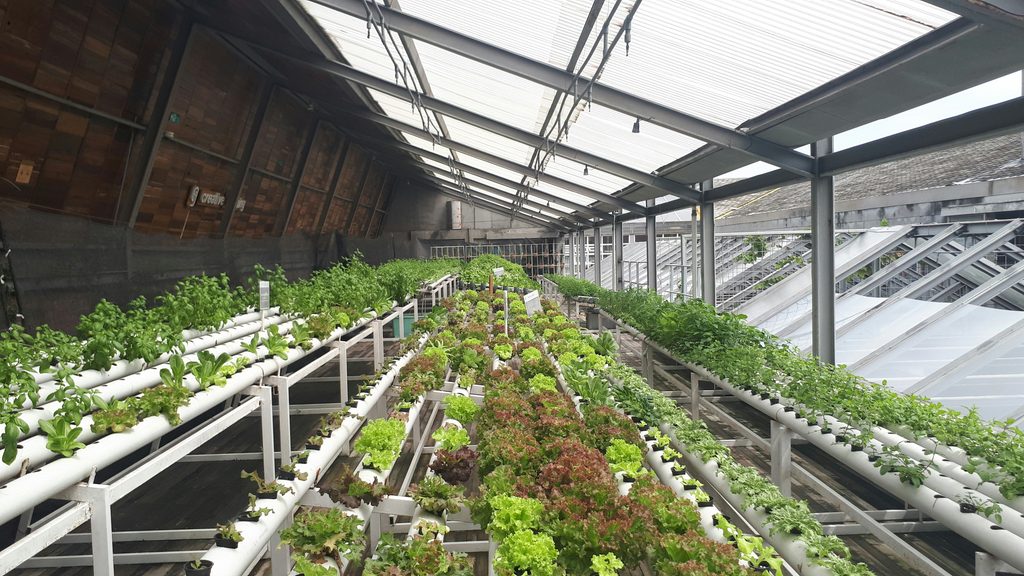
How to Grow Vegetables in a Greenhouse without Constant Problems
Choosing good vegetables is only half the job. The biggest change I made in my own greenhouse routine was to stop treating it like an outdoor garden with a roof over it.
1. Check temperature before planting.
Buy an inexpensive greenhouse thermometer and record the temperature during the day and at night. A greenhouse can become surprisingly hot even when outdoor temperatures feel comfortable. Warm-season crops such as tomatoes, cucumbers, peppers, and eggplant need warmth, while lettuce, spinach, peas, and kale prefer cooler conditions.
2. Plan around sunlight, not just empty space.
Place taller crops toward the side where they will cast the least useful shade on smaller plants. Remember that winter sunlight sits lower in the sky, so a location that looks bright in summer may receive much less direct light in winter.
Also read: 12 Vegetables to Grow in Shade for a Productive Low-Light Garden
3. Improve ventilation from the beginning.
Open roof vents, doors, or side vents whenever conditions allow. A small circulation fan can help move air around crowded plants. This matters because humid, stagnant greenhouse air encourages diseases such as tomato leaf mold
4. Water the soil, not the leaves.
Use a drip system, soaker hose, or long-spout watering can. Check the soil with your finger or a moisture meter before watering instead of following a rigid daily schedule. Plants need consistent moisture, but overwatering can also cause problems.
Also read: 11 Signs of Overwatering Plants Every Gardener Should Know Before It’s Too Late
5. Feed according to what the plants actually need.
Start each growing cycle with mature compost and, when possible, test your soil before adding large amounts of fertilizer. More fertilizer does not automatically mean more vegetables. Keep a small storage box for plant labels, clips, twine, pruning scissors, and spare ties so you do not waste time searching for them.
Also read: 11 Signs of Overfertilizing Plants Every Gardener Should Know Before It’s Too Late
6. Keep planting in batches.
Do not sow every lettuce, radish, or bean seed on the same day. Plant a small batch every one to three weeks, depending on the crop and your space. This simple habit gives you a more continuous harvest and prevents the familiar problem of having far too much produce one week and nothing the next.
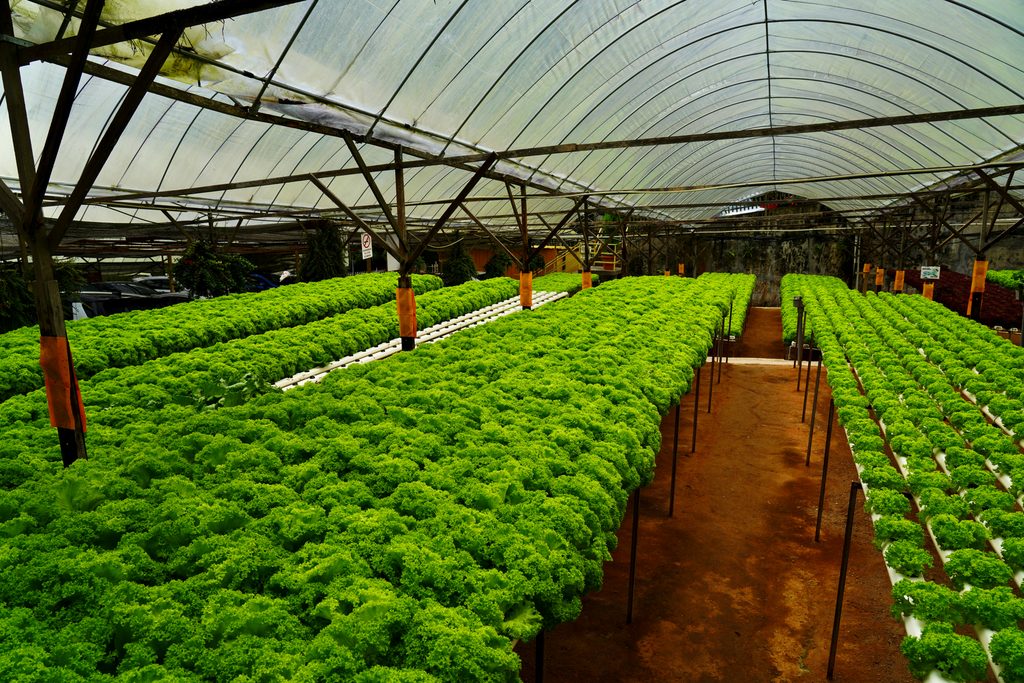
A Few Greenhouse Tricks That Make Things Easier
A cheap whiteboard inside the greenhouse can become your crop calendar. Write the sowing date, variety, expected harvest window, and last feeding date beside each crop. I also like using small removable labels rather than relying on memory. For containers, placing them on inexpensive wheeled plant caddies makes it much easier to move heat-sensitive plants when the greenhouse becomes too hot.
Another useful trick is to grow quick crops such as radishes or baby lettuce around slower crops while they are still small. Once the larger plants need the space, harvest the quick crops instead of letting them compete for light and nutrients.
Also read: 9 Easy Vegetables to Grow Indoors (Fresh Food Without a Garden)
One Greenhouse Mistake I Would Avoid
Do not assume that a greenhouse always gives plants better conditions. In summer, an enclosed structure can become dangerously hot, while in winter it can still become cold enough to damage warm-season crops. Keep vents, shade cloth, a thermometer, and a simple watering system ready before you need them. Greenhouse gardening works best when you manage temperature, moisture, and airflow together.
Start with a Small Group of Crops
You do not need to grow all 15 vegetables in your first season. I would start with two warm-season crops such as tomatoes and peppers, plus two quick cool-season crops such as lettuce and radishes. Once you understand how your greenhouse behaves throughout the day, you can gradually add more.
The best vegetables to grow in greenhouse conditions are ultimately the ones that match your climate, available sunlight, space, and the amount of time you can give them. With a little planning, your greenhouse can become a reliable source of fresh vegetables rather than another garden project that needs constant rescuing.
Leave a Reply