
There is a moment many gardeners recognize. Your plants look fine one week, then slowly start turning pale, growing slowly, or dropping leaves without a clear reason. You may have already watered them correctly and placed them in good sunlight, yet something still feels missing. That gap often comes from nutrition, and not knowing how to fix it can feel frustrating.
This is where organic liquid fertilizer for plants becomes useful. It is not about quick fixes or forcing growth. It is about gently feeding plants in a way they can absorb easily. In this guide, I will share simple liquid fertilizers I have personally used in my own small garden, especially when growing vegetables, herbs, and indoor plants in limited space.
Why liquid organic feeding works better than you think
Plants absorb nutrients through roots, and liquid forms make it easier for them to take in what they need quickly. Unlike solid compost, liquid fertilizers act faster and help revive weak plants without overwhelming the soil.
In general gardening practice, liquid organic feeding is widely used in small home gardens because it improves nutrient absorption efficiency compared to slow-release compost alone. Research in organic farming systems also shows that liquid organic inputs can improve microbial activity in soil over time (FAO organic agriculture resources: https://www.fao.org/organicag/organic-agriculture/en/).
You should still remember that liquid fertilizers do not replace good soil. They support it.
Organic liquid fertilizer for vegetable plants
Vegetables grow quickly and need steady nutrition. When they lack nutrients, you may notice slow fruiting or weak stems.
1. Banana peel liquid fertilizer
Banana peels are rich in potassium, which supports flowering and fruiting.
- How to prepare: Soak 2–3 banana peels in 1 liter water for 2–3 days
- How to use: Dilute 1:1 with water before applying
- Best for: Tomatoes, chilies, eggplants
- Frequency: Once every 10–14 days
- Storage: Use within 3–4 days after fermentation starts
This works well when plants look healthy but do not produce enough flowers.
2. Rice water fertilizer
This is one of the simplest organic fertilizer for vegetables you can make daily.
- How to prepare: Save water from rinsed rice
- Nutrients: Mild starch, small minerals, supports soil microbes
- Best for: Leafy greens like spinach and lettuce
- Storage: Use within 24 hours to avoid sour smell
- Effect: Gentle growth boost, not very strong
I often use this for young seedlings because it is very mild.
Also read: Container Gardening Made Easy: Vegetables to Grow for Every Pot Size
Organic liquid fertilizer for flowers
Flowering plants respond strongly to balanced feeding but can also react quickly to overfeeding.
3. Onion peel tea
Onion peels contain minerals and antioxidants that support flowering.
- How to prepare: Soak onion skins in water for 3–5 days
- Best for: Roses, marigolds, jasmine
- Smell: Slight odor during fermentation, normal process
- Storage: 5–7 days in a closed container
Use it when flowers start slowing down after initial bloom cycles.

4. Epsom salt solution (magnesium support)
- How to prepare: 1 teaspoon Epsom salt in 1 liter water
- Best for: Bright green leaves and flower formation
- Frequency: Once a month
- Limitation: Overuse can affect soil balance, so use carefully
Also read: How to Start Planting Flowers at Home (Even If You’ve Never Grown Anything Before)
Organic liquid fertilizer for fruit plants
Fruit plants need long-term feeding because they stay in production for months.
5. Compost tea
This is one of the most complete natural liquid plant fertilizers.
- How to prepare: Soak mature compost in water for 24–48 hours, then strain
- Best for: Mango, guava, citrus, pomegranate in pots
- Nutrients: Broad spectrum nutrients + beneficial microbes
- Storage: Use within 24–48 hours for best effect
- Frequency: Every 2–3 weeks
Compost tea is often considered a baseline organic fertilizer for plants because it improves soil life, not just nutrition.
Also read: The Fastest Growing Fruit Trees You Can Start This Season
Organic liquid fertilizer for herbs and indoor plants
Herbs are sensitive, so light feeding works best.
6. Worm tea (vermicompost liquid)
- How to prepare: Soak vermicompost in water overnight
- Best for: Basil, mint, coriander, indoor pots
- Effect: Gentle but steady growth support
- Storage: Use within 1–2 days
- Frequency: Once every 10–15 days
7. Coconut water dilution
- Mix coconut water with equal part water
- Supports root health and early growth
- Best for indoor plants and seedlings
- Use fresh whenever possible
Indoor plants respond better to weak, regular feeding instead of strong doses.
Also read: Indoor Herb Garden Ideas for Fresh Herbs All Year Long
Simple steps to start using liquid fertilizer at home
You do not need to use everything at once. A simple structure works better.
- Identify your plant type (vegetable, flower, fruit, herb)
- Choose one fertilizer based on need
- Prepare in small quantity first
- Always dilute before use unless stated otherwise
- Apply near soil, not directly on leaves
- Repeat on a fixed schedule, not randomly
This structure helps you avoid overfeeding, which is a very common mistake in home gardening.
Common signs of overfeeding you should watch
Plants often show small signals before damage becomes visible:
- Leaf tips turning brown
- Soil staying too wet or smelling sour
- Sudden fast growth but weak stems
- Fewer flowers despite strong leaves
If you notice these signs, pause feeding for 1–2 weeks and water with plain water only.
Helpful tools that make the process easier
From personal experience, a few simple tools reduce confusion:
- Measuring spoon or cap for dilution accuracy
- Small strainer for compost tea
- Spray bottle for light application
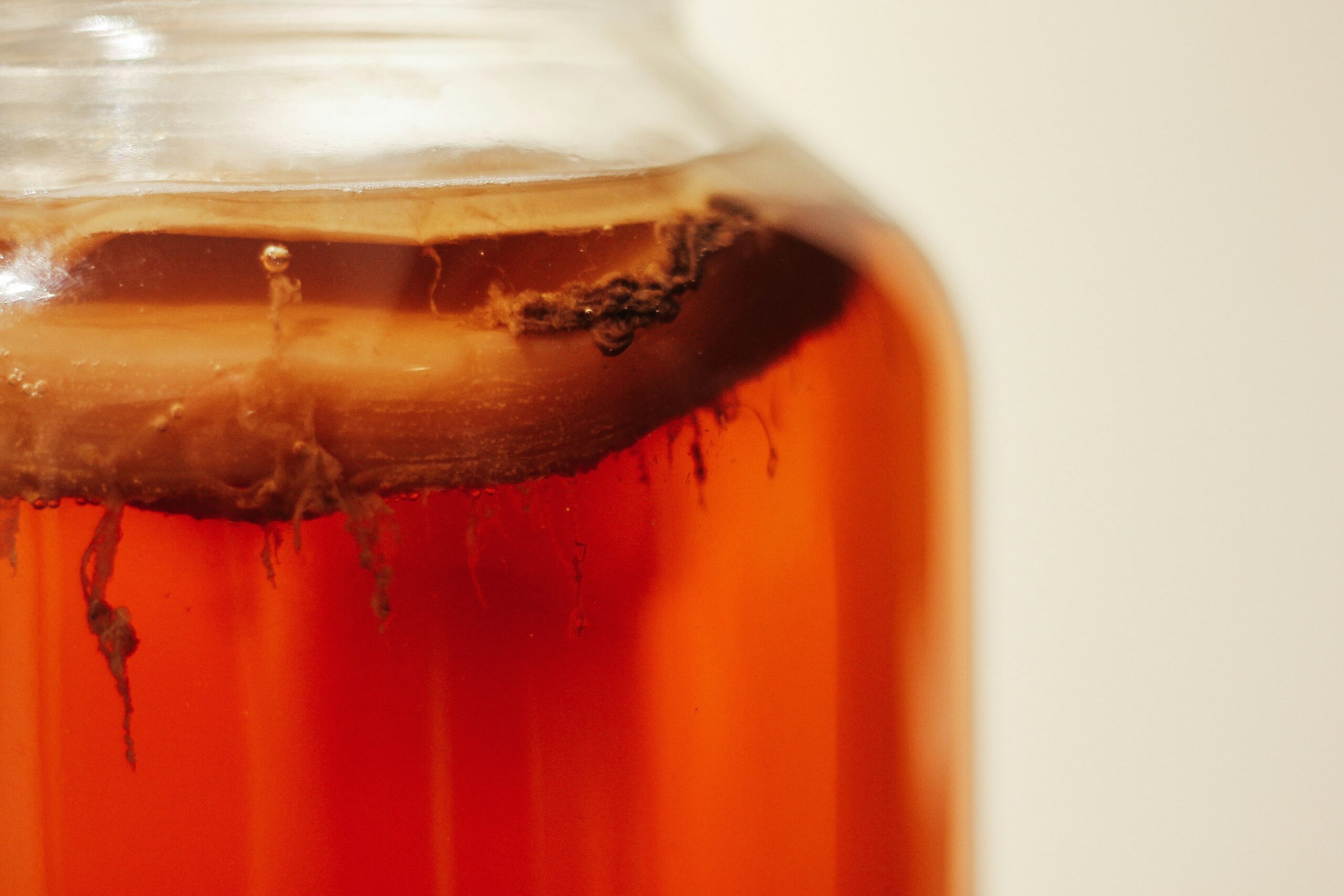
- Glass jars for fermentation
- Labels to track preparation dates
These tools help you stay consistent, especially when preparing multiple fertilizers.

Small improvements that make a real difference
One useful habit is rotating fertilizers instead of repeating the same one. For example, use compost tea one week and banana peel fertilizer the next. This reduces nutrient imbalance in soil.
Also, always prepare liquid fertilizers in small batches. Fresh preparation gives better results than storing for long periods, especially for kitchen-based mixes.
What to be careful about
The most common issue is using strong liquid fertilizer too often. Plants do not respond well to constant feeding. Another mistake is applying undiluted mixtures, which can damage roots. Also, fermented fertilizers should never be sealed tightly in glass without airflow, as pressure can build up.
You should always start with weaker mixtures first and observe plant response before increasing strength.
Also read: 10 Beginner Gardening Mistakes That Are Quietly Killing Your Plants (And How to Fix Them)
A grounded view on organic liquid feeding
Most experienced gardeners agree that liquid feeding works best when combined with good soil health. It is not a replacement for compost or proper potting mix. It is more like support during growth phases, especially in containers where nutrients get used up faster.
The most common approach in home gardening today is balanced use: compost for soil structure and liquid fertilizers for quick nutrition support. This combination tends to give stable results without stressing plants.
Using organic liquid fertilizer for plants is less about complicated recipes and more about understanding timing and balance. Once you learn how your plants respond, feeding becomes simple and predictable.
You do not need to use every method at once. Start with one or two, observe your plants, and adjust slowly. A steady approach usually creates healthier growth than frequent changes.
With time, your garden begins to feel more responsive, not because of intensity, but because of consistency and care.
Featured image credit: Photo by Tim-Oliver Metz on Unsplash
Leave a Reply