
You spend weeks planning your garden. You pick healthy seedlings, prepare the soil, and carefully arrange everything. Then a few weeks later, some plants struggle while others seem fine. Growth slows down, pests appear, and harvests disappoint.
Many new gardeners assume the problem comes from watering, fertilizer, or weather. Sometimes those factors matter. However, another common cause is planting the wrong crops together.
Companion planting often gets a lot of attention because certain plants help each other grow. Yet successful companion planting also means understanding which plants should stay apart. Some plants compete for nutrients, attract the same pests, release growth-inhibiting compounds, or simply prefer very different growing conditions.
Understanding these rival plant combinations can help you avoid many common gardening problems before they start. Let’s look at the most important pairings to avoid and how you can organize your garden more effectively.
Why Some Plants Make Bad Neighbors
Plants interact with each other in several ways. Some compete aggressively for water and nutrients. Others attract the same diseases and pests, creating larger infestations. Certain plants even release natural chemicals that can slow the growth of nearby crops.
In my own garden, I learned this lesson the hard way after planting fennel near vegetables. The vegetables survived, but many grew poorly compared to previous seasons. Once I moved the fennel to its own area, the problem disappeared.
The good news is that you do not need to memorize complicated gardening science. A simple understanding of common rival plants can prevent most issues.
Companion Planting: Rival Pairs to Keep Separate
1. Tomatoes and Potatoes
Both belong to the nightshade family.
They attract many of the same pests and diseases, including blight. If one plant develops a problem, it can quickly spread to the other. Keep them in separate beds whenever possible.
2. Tomatoes and Corn
Corn attracts corn earworms. Those pests can also attack tomatoes.
In addition, both plants are heavy feeders that compete for nutrients. Growing them apart usually leads to healthier harvests.
3. Tomatoes and Fennel
Fennel is famous for being difficult to pair with other plants.
It releases compounds that can interfere with the growth of many vegetables. Most gardeners treat fennel as a plant that deserves its own dedicated space.
4. Beans and Onions
Beans prefer companions that support nitrogen activity in the soil.
Onions, garlic, shallots, and other alliums can interfere with bean growth. Separate these crops to avoid reduced yields.
5. Beans and Garlic
This follows the same principle as onions.
Garlic may suppress the growth of beans and peas, making it one of the most commonly listed combinations to avoid.
6. Peas and Onions
Peas and onions generally do not thrive together.
Because peas share similar sensitivities to beans, keep them away from onion-family crops.
7. Peas and Garlic
Garlic can stunt pea growth and reduce productivity.
Instead, plant peas near supportive companions such as carrots or leafy greens.
8. Carrots and Dill
Young dill and carrots can grow together briefly.
However, mature dill often interferes with carrot development. Since both belong to the same plant family, they can also attract similar pests.
9. Carrots and Parsnips
These crops share diseases and insect problems.
Growing them close together may increase pest pressure and reduce overall success.
10. Cabbage and Strawberries
This combination surprises many gardeners.
Strawberries can slow the growth of cabbage-family crops. Since space is often limited, it is better to separate them.
11. Broccoli and Strawberries
Broccoli belongs to the cabbage family.
The same concerns apply here, making separation a safer choice.
12. Cauliflower and Strawberries
These plants compete poorly when grown together.
Giving each crop its own area usually improves performance.
13. Kale and Strawberries
Kale often performs better when planted away from strawberries.
This helps reduce competition and creates easier maintenance.
14. Cucumbers and Aromatic Herbs
Many gardeners plant strong herbs beside everything.
However, herbs such as sage can slow cucumber growth. Keep cucumbers with more compatible companions.
15. Cucumbers and Potatoes
These plants often compete for nutrients.
Additionally, potatoes can increase disease risks for cucumbers.
16. Radishes and Hyssop
Hyssop is a useful herb in many gardens.
However, radishes generally do not grow well nearby. Consider planting hyssop elsewhere.
17. Sunflowers and Potatoes
Sunflowers release compounds that may affect nearby plants.
Potatoes appear especially sensitive to this interaction.
18. Sunflowers and Beans
Beans can also struggle near sunflowers.
If you want both crops, leave generous spacing between them.
19. Fennel and Almost Everything
Fennel deserves its own category.
Many experienced gardeners place fennel in containers or isolated beds because it can inhibit the growth of numerous vegetables and herbs.
20. Mint and Other Herbs
Technically, mint is not a bad companion because of chemistry.
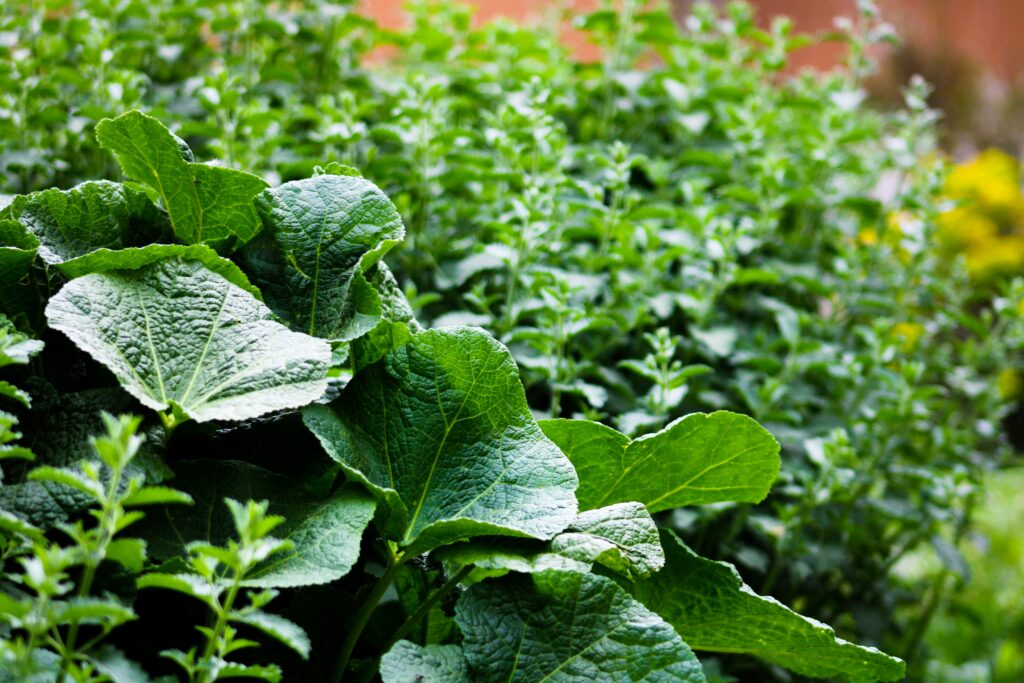
The problem is its aggressive growth habit. Mint spreads rapidly and can overwhelm neighboring herbs.
Also read: Indoor Herb Garden Ideas for Fresh Herbs All Year Long
21. Black Walnut Trees and Tomatoes
If you garden near mature black walnut trees, pay attention.
Black walnut trees produce juglone, a natural compound that can harm tomatoes and several other crops.
22. Black Walnut Trees and Peppers
Peppers also show sensitivity to juglone.
Growing them well away from walnut trees improves success.
23. Black Walnut Trees and Potatoes
Potatoes rank among the most sensitive crops.
Avoid planting them within the root zone of walnut trees.
24. Lettuce and Parsley
This combination does not always fail.
However, parsley can become large and compete with lettuce for space and light, especially in small gardens.
25. Sage and Cucumbers
Because many gardeners grow herbs and vegetables together, this pairing deserves repeating.
Sage often performs better away from cucumber beds.
How to Plan Your Garden Without Memorizing Every Rival Pair
You do not need a giant chart hanging in your shed.
Instead, follow these four simple steps.
1. Group Plants by Family
Keep tomatoes, peppers, potatoes, and eggplants together.
Group cabbage-family crops together.
Group onion-family crops together.
This makes planning much easier.
2. Give Fennel Its Own Space
If you remember only one rule from this article, remember this one.
Fennel rarely behaves well around other vegetables.
3. Keep Aggressive Spreaders Contained
Mint is the classic example.
Grow it in containers, raised pots, or isolated sections of the garden.
4. Rotate Crops Each Year
Even if plants grow well together, planting the same crops in the same location every year can encourage disease buildup.
Rotation helps break pest and disease cycles naturally.
Also read: The Beginner’s Companion Planting Guide for Raised Beds (That Actually Works)
A Simple Layout for Small Gardens
If you have limited space, consider dividing your garden into zones:
Zone 1: Tomatoes, peppers, basil
Zone 2: Carrots, lettuce, spinach
Zone 3: Cabbage, kale, broccoli
Zone 4: Onions, garlic, shallots
Zone 5: Herbs such as parsley, thyme, oregano
Zone 6: Fennel and mint in separate containers
This simple layout reduces many common companion planting mistakes while making maintenance easier.
Also read: 12 Smart Herb Garden Layout Ideas That Make Growing More Herbs Easier
One Thing Many Gardeners Get Wrong
Many companion planting charts online treat every recommendation as a strict rule.
In reality, gardening conditions vary. Soil quality, climate, spacing, and plant health often matter more than a single companion planting guideline. If two supposedly rival plants perform well in your garden, observe the results before making changes.
Still, keeping known problem combinations apart remains one of the easiest ways to reduce risk.
Also read: 10 Beginner Gardening Mistakes That Are Quietly Killing Your Plants (And How to Fix Them)
A Small Gardening Hack
Before planting, sketch your garden on paper and label each plant family with a different color. I started doing this after repeatedly forgetting where I planted crops. It takes five minutes but helps prevent accidental pairings and makes crop rotation much easier next season.
Also read: 8 Gardening Hacks That Save Busy People Real Time and Money
What to Watch Out For
Avoid assuming that all herbs make good companions. Many beginners hear that herbs help vegetables and plant them everywhere. While some herbs support nearby crops, others compete for space or release compounds that affect growth. Always check specific pairings before planting large sections of your garden.
Successful companion planting is not only about finding perfect plant partners. It is also about avoiding combinations that create unnecessary competition, pest problems, and poor harvests. By keeping these rival plants apart and organizing your garden thoughtfully, you can create a healthier, more productive space without needing a larger garden or a bigger budget.
Leave a Reply