

So you finally decided to start a garden. Maybe you bought a few seedlings from the local nursery. Maybe you ordered seeds online at midnight after watching one too many cottagecore videos. Either way, welcome. Gardening is one of the most rewarding things you can do. But it can also get expensive and discouraging fast when things go wrong. Here is the truth nobody tells you upfront: most beginner gardening mistakes have nothing to do with having a “black thumb.” They are simple, fixable errors. And once you know what they are, you will save yourself a lot of money, time, and frustration.
Let us get into it.
1. Overwatering Is the Number One Killer
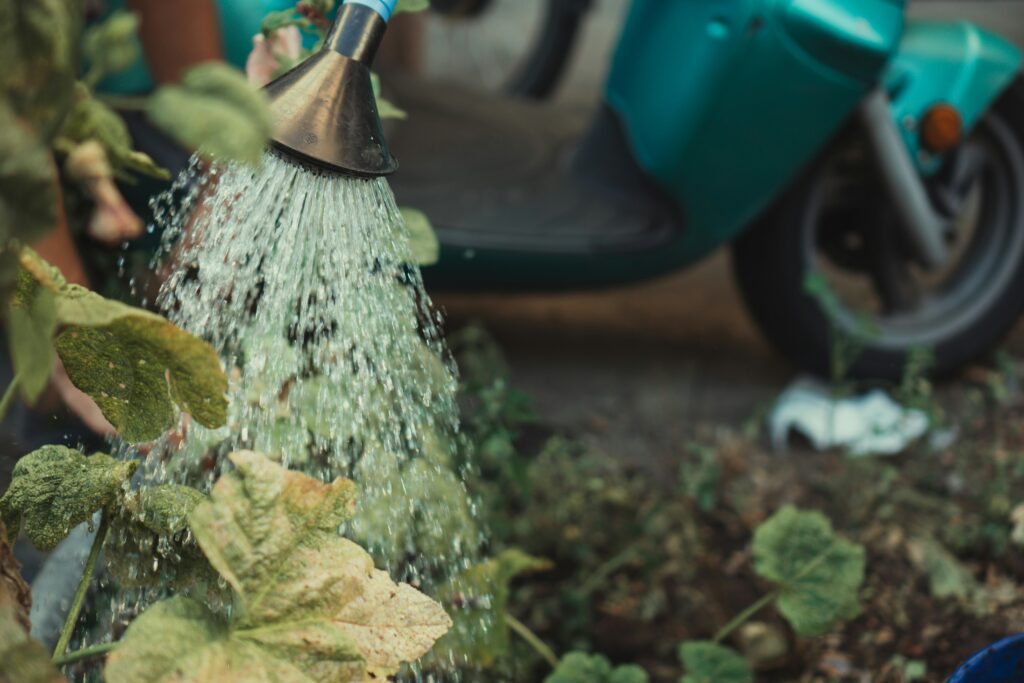
This is the biggest one. Most beginners assume that more water equals happier plants. It does not. Overwatering suffocates roots and causes root rot, which is often invisible until the plant is already dying. Before watering, stick your finger about an inch into the soil. If it still feels moist, wait another day. Most vegetables and herbs need water every two to three days, not every single day.
2. Starting With Too Much, Too Soon
One of the most common beginner gardening mistakes is going too big too fast. You start with twelve different vegetables, spend a couple hundred dollars on supplies, and then get overwhelmed by week three. Start with two or three easy plants instead. Tomatoes, zucchini, and lettuce are great beginner gardening ideas to kick things off. They are forgiving and they grow fast enough to keep you motivated.
3. Ignoring the Soil
Plants live or die by their soil. A lot of beginners just use whatever dirt is in their backyard, and that is rarely good enough. Backyard soil is often too compacted or too sandy. Invest in a quality potting mix or raised bed soil from the start. It is one of the best beginner gardening hacks that pays off quickly. Good soil means better drainage, better nutrients, and stronger roots.
4. Planting in the Wrong Spot
Sunlight matters more than most people realize. If your tomatoes are sitting in partial shade, they will struggle. Most vegetables need at least six to eight hours of direct sunlight per day. Before you plant anything, spend a day watching how sunlight moves across your yard or balcony. Then place your garden accordingly.
5. Not Reading Plant Tags
Those little plastic tags in the nursery pots? Read them. They tell you spacing requirements, sunlight needs, and watering frequency. Crowding plants together is another very common beginner gardening mistake. When plants are too close, they compete for nutrients and air circulation drops, which leads to disease. Spacing feels wasteful at first, but it pays off.
6. Planting at the Wrong Time
Timing is everything in gardening. Planting too early in spring when the soil is still cold can stunt growth or kill seedlings entirely. Similarly, planting heat-loving crops like peppers or basil before your last frost date is a costly error. The Old Farmer’s Almanac has a free tool on their website where you can look up your exact planting dates by zip code. This is one of those beginner gardening tips that sounds basic but prevents a lot of heartbreak.
Also read: 8 Gardening Hacks That Save Busy People Real Time and Money
7. Skipping Mulch
Mulch is one of the most underrated beginner gardening hacks out there. A two to three inch layer of mulch around your plants holds in moisture, keeps weeds down, and regulates soil temperature. Without it, you will be watering more often and pulling weeds constantly. Wood chips, straw, or even shredded leaves work beautifully and are often free or very cheap.
8. Fertilizing Too Much or Too Little
Most beginners either never fertilize at all or dump in way too much, thinking it will speed things up. Too much fertilizer, especially nitrogen, causes plants to grow lots of leaves but little fruit. Too little and your plants look pale and weak. A balanced slow-release fertilizer applied once at planting time, with a light top-up mid-season, is usually all you need for vegetables. For more specific guidance, Gardener’s World has a helpful breakdown of fertilizing schedules by plant type that is worth bookmarking.
9. Not Checking for Pests Early Enough
Pests move fast. By the time you notice major damage, a small problem has usually become a big one. Make a habit of flipping leaves over and checking for eggs or bugs two to three times a week. Catching aphids, whiteflies, or caterpillars early means you can handle them with a simple soap and water spray instead of stronger treatments. Early action saves plants and saves money.
10. Giving Up After One Bad Season
This one is less about plants and more about mindset. Every gardener, even experienced ones, loses plants. A late frost, a pest outbreak, a stretch of drought can all happen to anyone. The goal of beginner gardening is not perfection. It is learning your local conditions, your soil, your climate, and your own habits over time. Every failed plant teaches you something. Keep going.
Also read: Gardening for Beginners: 10 Best Vegetables to Grow (That Actually Survive!)
The Bottom Line
Beginner gardening does not have to be overwhelming or expensive if you start smart. Avoid these mistakes, go in with realistic expectations, and focus on just a few plants to begin with. You will build confidence quickly. And honestly, there is nothing quite like eating something you grew yourself, even if it took a few tries to get there.
Featured image credit: Photo by David Clode on Unsplash
Leave a Reply