
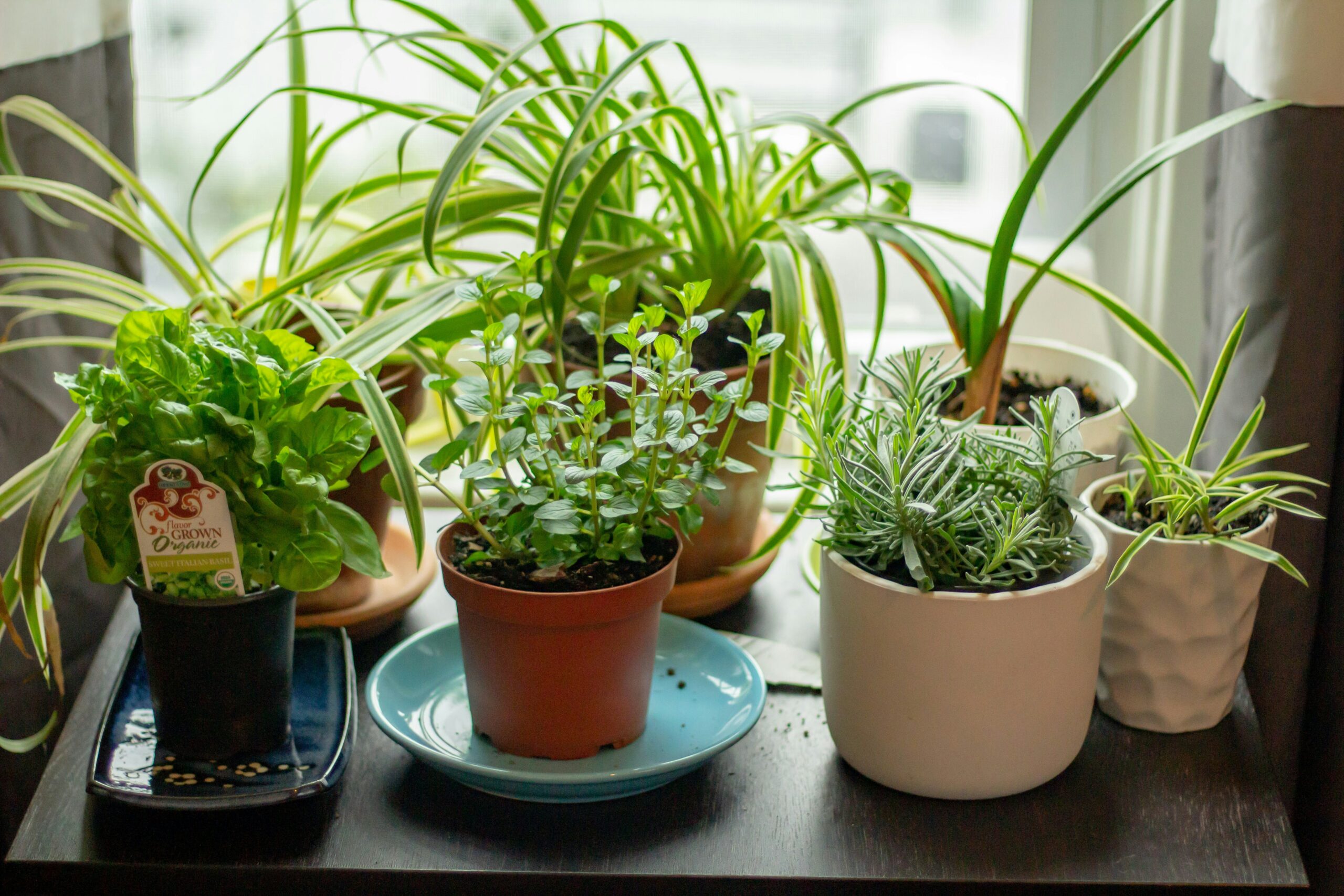
Have you ever bought a bunch of fresh herbs for one recipe, used a few leaves, and then watched the rest wilt in the refrigerator a week later? Many people start thinking about growing herbs after repeating that experience several times. The idea sounds simple enough, but once you begin researching, you quickly run into questions about sunlight, containers, watering, companion planting, and which herbs actually thrive indoors.
The good news is that growing herbs indoors is often easier than growing vegetables or fruit. Herbs generally need less space, many grow quickly, and a well-planned indoor herb garden can provide fresh harvests for months. The challenge is not finding herbs to grow. The challenge is creating a setup that stays productive without becoming difficult to maintain.
This guide will walk you through practical indoor herb garden ideas that work for apartments, balconies, patios, and small backyards, while helping you avoid the common mistakes that frustrate new gardeners.
Why an Indoor Herb Garden Makes Sense for Small Spaces
Many beginners assume they need a large outdoor garden before they can grow useful amounts of food. Herbs prove otherwise.
A small collection of herbs can fit:
- On a sunny kitchen windowsill
- On a balcony shelf
- In a vertical planter
- On a patio table
- Along a narrow backyard wall
Unlike tomatoes or fruit trees, herbs continue producing after repeated harvests. One healthy basil plant can provide leaves for multiple meals every week during its growing season.
Research from University of Minnesota Extension Herb Gardening Guide notes that many common culinary herbs grow successfully in containers, making them ideal for limited spaces.
The biggest advantage is convenience. When herbs grow close to where you cook, you tend to use them more often and waste less food.
Start With the Right Herbs for Beginners
One of the most common mistakes I see is trying to grow every herb at once. A better approach is starting with herbs that adapt well to container life and indoor conditions.
Easy Herbs for Beginners
These herbs usually offer the highest success rate:
- Basil
- Mint
- Parsley
- Chives
- Cilantro
- Oregano
- Thyme
These herbs tolerate minor mistakes and generally recover well if you miss a watering or two.
Herbs That Need More Experience
Some herbs require more attention to sunlight, drainage, or temperature:
- Rosemary
- Lavender
- Bay Laurel
- Sage
These plants often struggle indoors if airflow and sunlight are limited.
If this is your first herb garden, I recommend starting with basil, parsley, chives, and oregano. Together they cover many everyday recipes while remaining relatively easy to maintain.
What Each Herb Brings to Your Garden
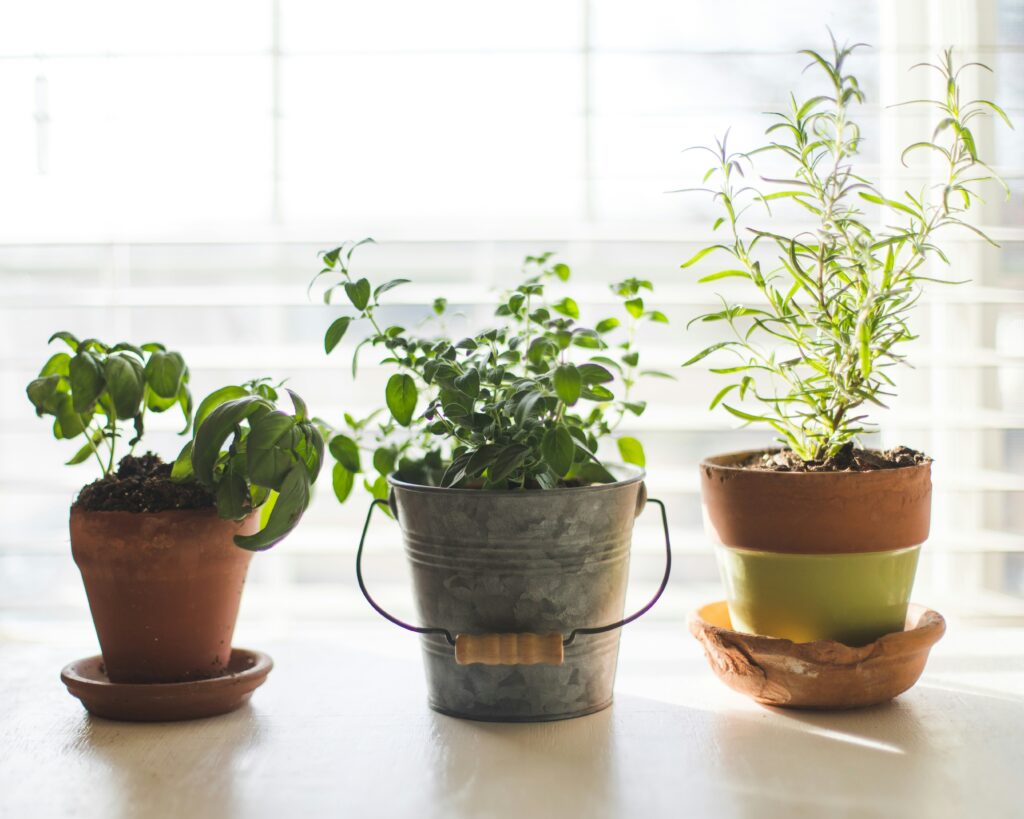
Understanding the purpose of each herb helps you decide what deserves space in your garden.
Basil
Best for:
- Pasta dishes
- Salads
- Sandwiches
- Pesto
Yield: One mature basil plant can often provide enough leaves for 2–4 people several times per week.
Parsley
Best for:
- Soups
- Rice dishes
- Sauces
- Garnishes
Yield: A few parsley plants can supply regular kitchen use for a small household.
Chives
Best for:
- Eggs
- Potatoes
- Salads
- Dips
Yield: Frequent trimming encourages continuous growth.
Oregano
Best for:
- Pizza
- Tomato sauces
- Mediterranean cooking
Yield: Produces heavily once established.
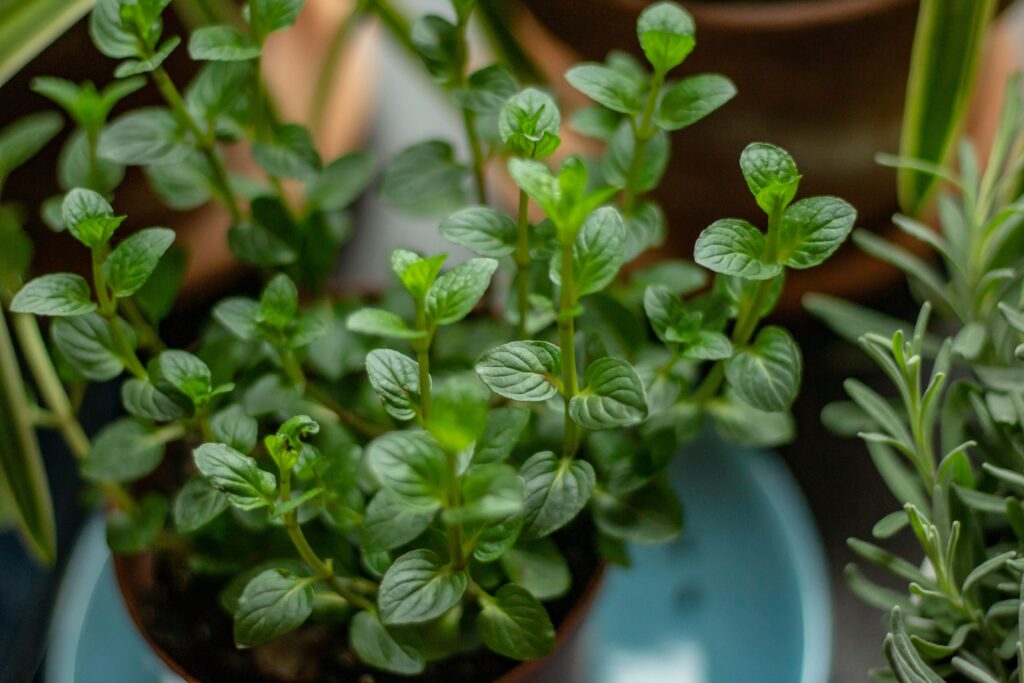
Mint
Best for:
- Tea
- Drinks
- Desserts
Yield: Often grows faster than expected.
This rapid growth is why mint deserves special handling, which we’ll discuss shortly.
Build the Right Setup Before Planting
The most successful indoor herb gardens usually have three things:
- Sufficient sunlight
- Proper drainage
- Easy access for maintenance
Many beginners focus on decorative pots first. In reality, sunlight matters much more.
Most culinary herbs prefer:
- 6–8 hours of sunlight daily
- South-facing windows if available
- Bright balconies or patios
If natural light is limited, consider a simple grow light.
For containers, choose pots with drainage holes. Herbs dislike constantly wet roots. Decorative containers without drainage often create more problems than they solve.
I learned this lesson the hard way after losing several parsley plants to root rot despite watering carefully. The issue was not the watering schedule. The issue was trapped moisture.
Also read: 8 Gardening Hacks That Save Busy People Real Time and Money
How to Arrange Herbs for Better Growth
Not all herbs enjoy the same growing conditions. So pairing some and keeping some away from each other ensures the best results. Here’s a list for some common herbs.
Herbs That Grow Well Together
These herbs generally prefer similar watering needs:
- Basil
- Parsley
- Cilantro
They enjoy slightly more moisture than Mediterranean herbs.
Another Good Combination
These herbs prefer drier conditions:
- Thyme
- Oregano
- Rosemary
- Sage
Grouping them together simplifies watering.
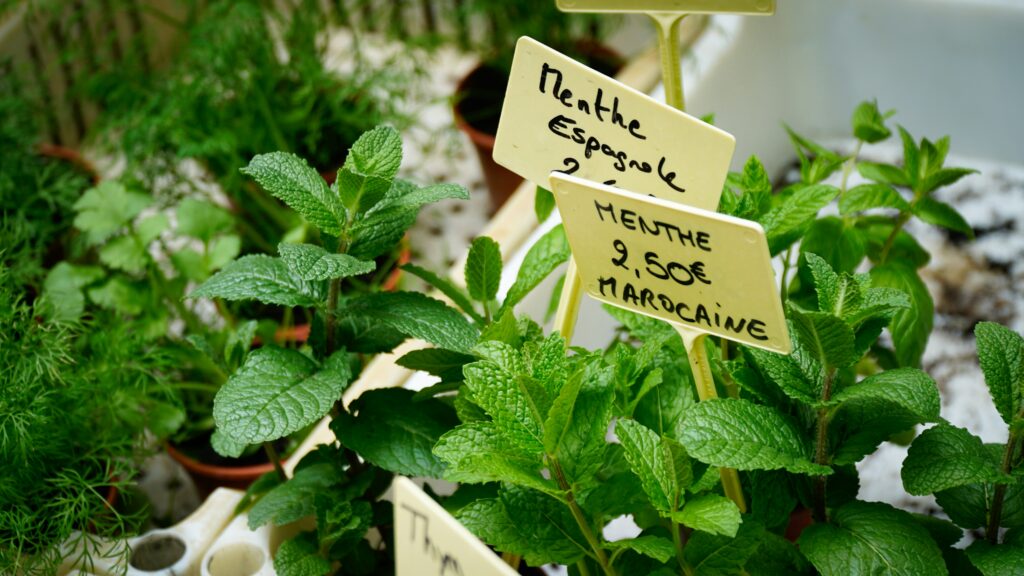
Keep Mint Separate
Mint deserves its own container. Its roots spread aggressively and often compete with neighboring plants. Left unchecked, mint can slowly take over shared containers.
This does not make mint difficult to grow. It simply grows enthusiastically.
Also read: Grow More With Less: The Best Herb Pairings That Actually Work (Even in Tiny Spaces)
A Simple Step-by-Step Plan for Your First Herb Garden
If you’re starting from scratch, keep the process simple.
Step 1: Choose a Location
Look for:
- Bright windows
- Sunny balconies
- Covered patios with good light
Observe sunlight for a few days before planting.
Step 2: Select 4–6 Herbs
A balanced beginner setup might include:
- Basil
- Parsley
- Chives
- Oregano
- Mint
- Cilantro
This gives you variety without creating too much maintenance.
Step 3: Choose Containers
Use:
- Pots with drainage holes
- Grow bags
- Window boxes
Avoid oversized containers initially. Smaller containers are easier to monitor and manage.
Step 4: Use Quality Potting Mix
Indoor herbs grow best in light, well-draining soil. Avoid using soil taken directly from the garden because it often compacts in containers.
Step 5: Plant and Water Carefully
Water thoroughly after planting. Then allow the top layer of soil to dry slightly before watering again.
The Harvesting Habit That Keeps Herbs Productive
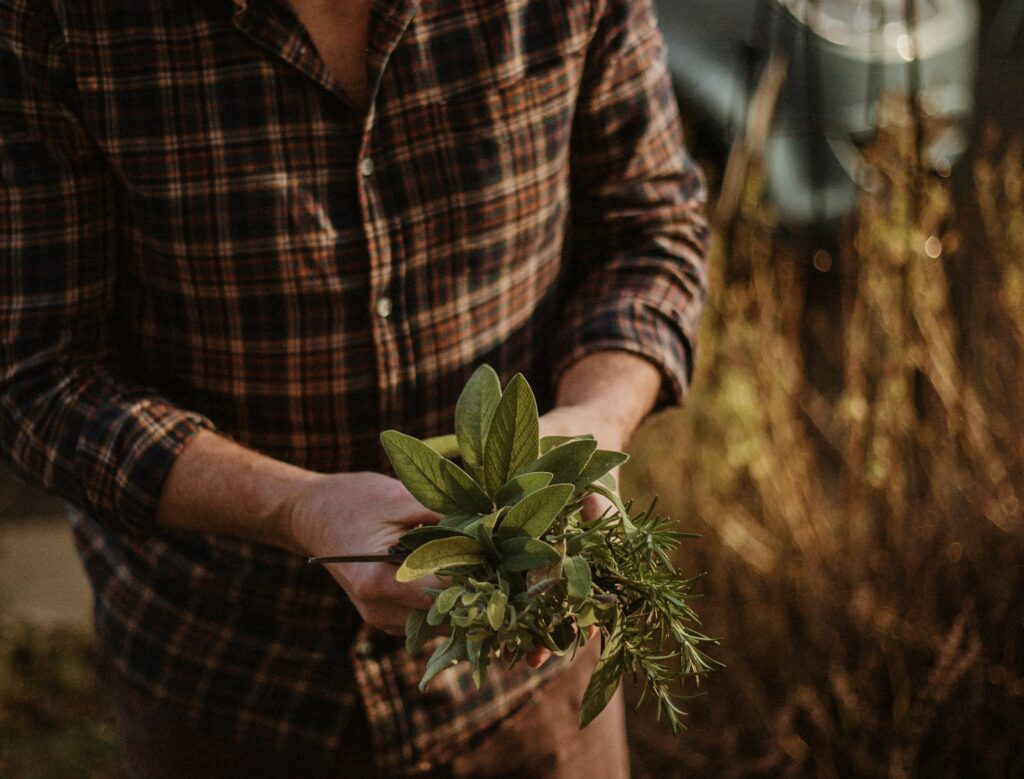
Many beginners hesitate to harvest because they fear damaging the plant. Ironically, regular harvesting often improves growth. When you trim herbs:
- Plants become bushier
- New shoots develop
- Growth stays compact
For basil, pinch just above a pair of leaves. New branches typically emerge from that point. For chives, cut leaves close to the base rather than trimming only the tips. This approach creates a steady cycle of growth and harvest.
How Much Can an Herb Garden Actually Produce?
Many people underestimate how productive herbs can become. A small herb garden containing:
- 2 basil plants
- 2 parsley plants
- 1 mint plant
- 1 oregano plant
- 1 chive plant
can often provide fresh herbs for a family of 2–4 people throughout much of the growing season.
Of course, harvest levels vary depending on:
- Sunlight
- Climate
- Container size
- Maintenance
Still, herbs generally offer one of the highest yields per square foot in gardening. That efficiency makes them particularly appealing for small-space gardeners.
Common Problems and How to Prevent Them
Most herb-growing problems follow predictable patterns.
Yellow Leaves
Often caused by:
- Overwatering
- Poor drainage
- Low light
Before adding fertilizer, check these conditions first.
Leggy Growth
When herbs become tall and sparse, insufficient light is usually responsible. Move plants closer to a brighter location if possible.
Slow Growth
Possible causes include:
- Small containers
- Depleted soil
- Crowded roots
Sometimes a simple repotting solves the issue.
Wilting Despite Watering
This often surprises beginners. Excess water can damage roots and create symptoms that resemble drought. Always check soil moisture before watering again.
Also reading: 10 Beginner Gardening Mistakes That Are Quietly Killing Your Plants (And How to Fix Them)
Indoor Herb Garden Ideas for Small Spaces
Vertical Herb Shelves
Vertical shelves allow you to grow many herbs without using floor space. This option works especially well for:
- Balconies
- Patios
- Small kitchens
Window Box Herb Gardens
Window boxes create an organized growing area while maximizing sunlight. They work particularly well for:
- Parsley
- Chives
- Basil
- Cilantro
Tiered Plant Stands
Tiered stands increase growing capacity while maintaining airflow. You can grow 10–15 herbs in surprisingly little space using this setup.
Hanging Herb Planters
Hanging containers help utilize unused vertical space. Mint and trailing oregano often perform well in hanging arrangements.
Rolling Herb Carts
Mobile carts allow you to move herbs toward better sunlight as seasons change. This flexibility becomes useful in apartments with inconsistent light exposure.
A Few Small Tricks That Save Time
One practice I rely on is grouping herbs by watering needs rather than appearance. This simple change reduces maintenance and prevents accidental overwatering.
Another helpful habit is rotating containers every week. Indoor plants naturally lean toward light sources, and regular rotation encourages more balanced growth.
You can also place shallow trays beneath pots to protect surfaces while making watering less stressful.
Also read: 20 Foods To Grow in 5 Gallon Buckets (No Yard? No Problem!)
A Few Mistakes That Can Cause Bigger Problems
Avoid planting too many herbs in one container. Crowded roots eventually reduce growth and airflow. Also, resist the urge to fertilize heavily. Herbs often produce better flavor when they grow steadily rather than excessively fast. Finally, do not judge success during the first few weeks. Many herbs spend time establishing roots before showing significant top growth.
Why Simpler Usually Works Better
If I had to offer one opinion after years of growing herbs, it would be this: a small, well-maintained herb garden usually performs better than an ambitious setup that becomes difficult to manage.
Many gardening guides encourage growing dozens of varieties immediately. Most beginners benefit more from mastering five or six herbs first. Once those plants thrive consistently, expanding becomes much easier.
A Few Last Words
These Indoor Herb Garden Ideas can help you create a productive growing space even if you only have a sunny windowsill, balcony, or small patio. Start with a few reliable herbs, focus on light and drainage, and harvest regularly. Over time, your indoor herb garden will become less about following instructions and more about understanding how your plants respond to your unique space. Fresh herbs year-round are often much more achievable than they first appear.
Featured image credit: Photo by Bonnie Kittle on Unsplash
Leave a Reply