
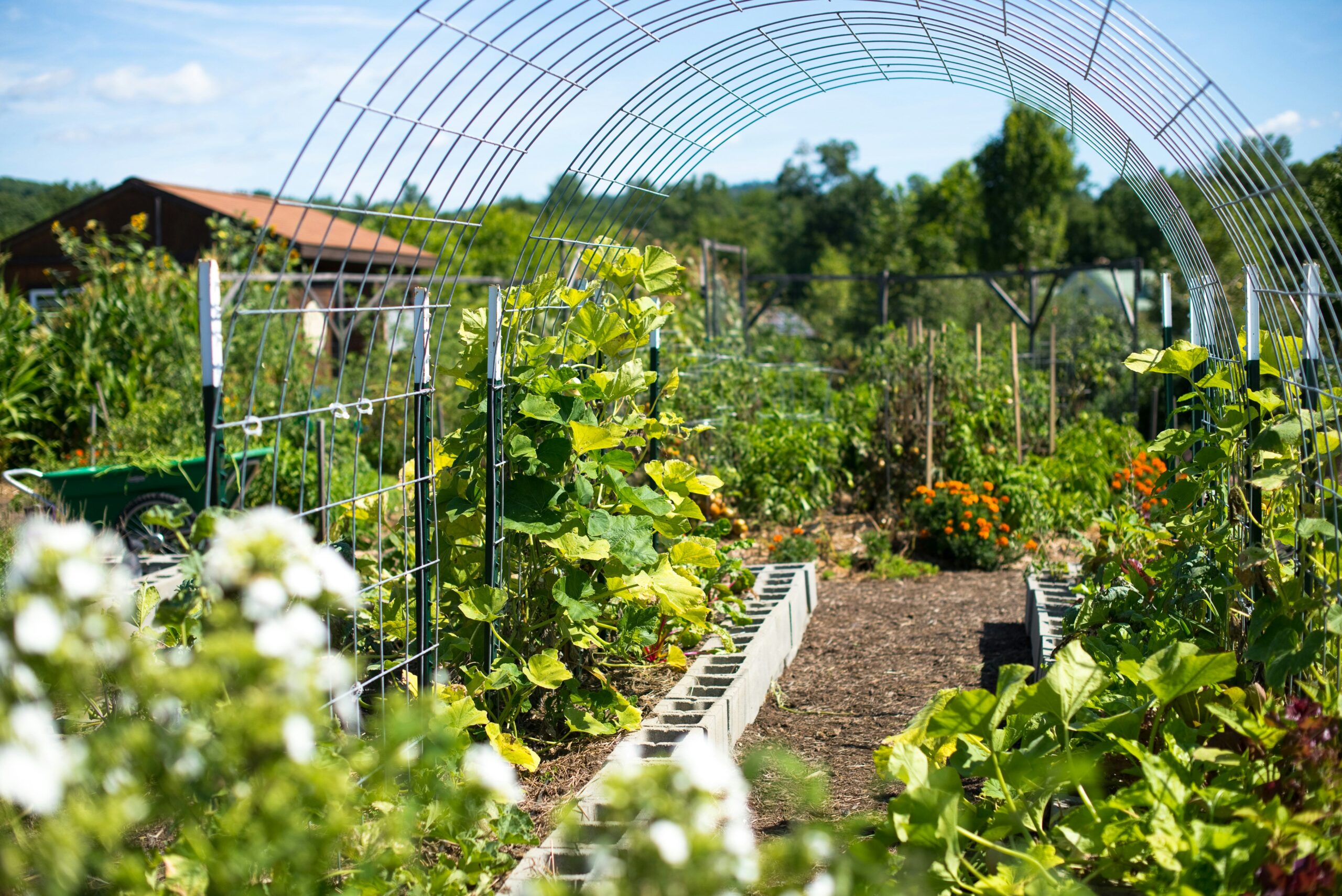
There is something special about walking through a garden arch covered in healthy vines. It saves space, makes harvesting easier, and turns an ordinary vegetable patch into a feature you actually want to spend time around. If you have a small garden, growing vertically can completely change how much food you produce.
Many gardeners buy an arch trellis before knowing which vegetables actually belong on it. Some plants climb naturally, while others need extra support. I learned that choosing the right crops makes the entire structure easier to manage and much more rewarding at harvest time.
If you’re planning a vertical garden, these vegetables are some of the best choices for an arch trellis.
Best Vegetables to Grow on an Arch Trellis
1. Cucumbers
Cucumbers are one of the easiest vegetables to grow on an arch trellis. Their tendrils naturally wrap around the frame, allowing the vines to climb with very little help. Growing them vertically also improves air circulation, reduces fungal diseases, and produces straighter fruits because they hang freely.
Choose slicing or pickling varieties rather than oversized heirloom types. Give each plant about 12 to 18 inches of space and keep the soil evenly moist. Most cucumbers need six to eight hours of sunlight and begin producing in about 50 to 70 days. A few soft plant clips or garden ties can help young vines attach during the first couple of weeks.
2. Pole Beans
Pole beans seem almost made for arch trellises. They climb quickly, produce for several weeks, and create dense green tunnels during summer.
Plant seeds at the base of each side of the arch and allow roughly 6 inches between plants. Pole beans enjoy full sun and consistent watering. Most varieties begin producing after 55 to 70 days. Because the vines climb by twining around supports, you rarely need to tie them manually.
3. Snow Peas
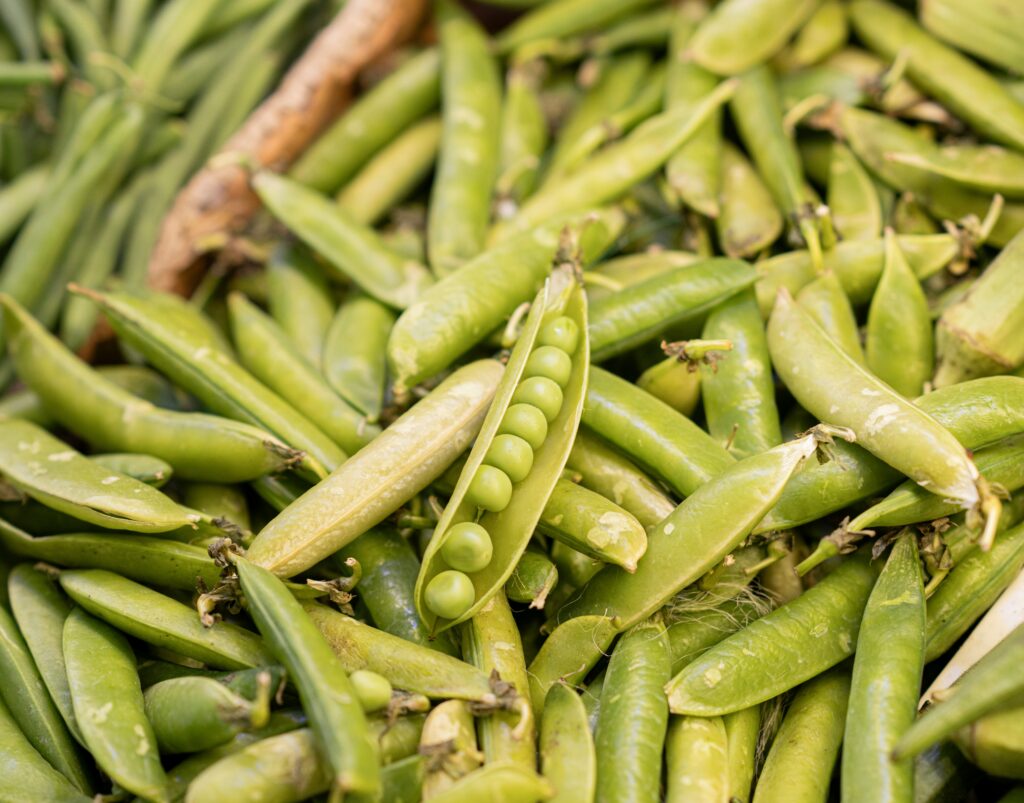
If you garden during cooler seasons, snow peas deserve a place on your arch. They climb naturally and produce crisp pods before hot weather arrives.
Plant them in early spring or fall where temperatures remain cool. Six hours of sunlight usually provides excellent growth. Harvest often because frequent picking encourages more pods. Thin bamboo canes tied to the arch can guide young vines until they begin climbing independently.
4. Sugar Snap Peas
Sugar snap peas behave similarly to snow peas but produce thicker, sweeter pods. Their climbing habit creates an attractive curtain of foliage that softens the look of any metal or wooden arch.
Allow about 2 to 3 inches between plants. Water regularly without soaking the soil. Most varieties mature within 60 to 70 days. Since peas naturally fix some nitrogen in the soil, they also benefit nearby crops once the season ends.
5. Malabar Spinach
Despite its name, Malabar spinach is not true spinach, but it thrives in warm weather when traditional spinach struggles. Its vigorous vines quickly cover an arch while providing edible leaves throughout summer.
Give each plant about 18 inches of space because the vines become large. Full sun encourages faster growth, although partial shade also works in hotter climates. Harvest young leaves regularly to keep the vines productive.
6. Cherry Tomatoes
Most people think of tomato cages first, but indeterminate cherry tomatoes also perform beautifully on sturdy arch trellises.
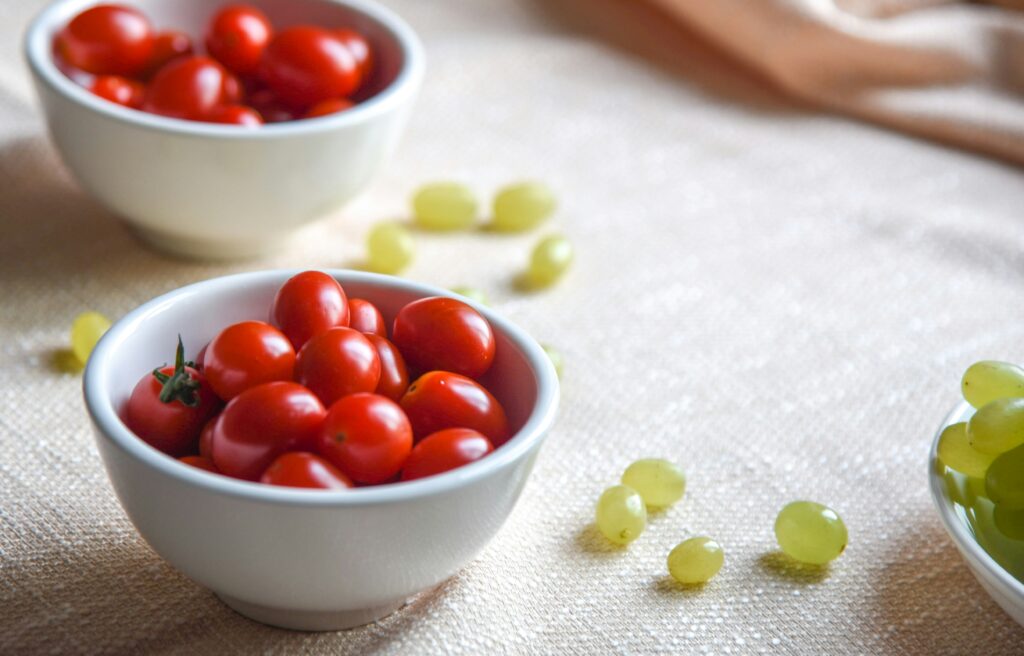
Choose vigorous climbing varieties and tie the main stem loosely with soft garden ties every week as the plant grows. A heavy-duty metal arch works much better than lightweight plastic because mature tomato plants become surprisingly heavy. Expect harvests around 65 to 85 days after transplanting.
Also read: Natural Fertilizer for Tomatoes: 10 Organic Ways to Grow Sweeter and Healthier Tomatoes
7. Small Pumpkins
Not every pumpkin belongs on an arch, but miniature and ornamental varieties can create a stunning display while saving valuable ground space.
Support developing pumpkins with fabric slings or old T-shirts tied securely to the trellis. This prevents the fruits from pulling vines loose as they gain weight. Full sun and rich soil encourage steady growth throughout the season.
8. Bottle Gourd
Bottle gourds naturally climb long distances, making them excellent candidates for arch structures. Hanging fruits often develop straighter shapes than those resting on the ground.
Since mature vines become vigorous, leave about 2 feet between plants. Water deeply during flowering and fruit development. A sturdy steel arch is usually better than lightweight decorative models.
9. Bitter Melon
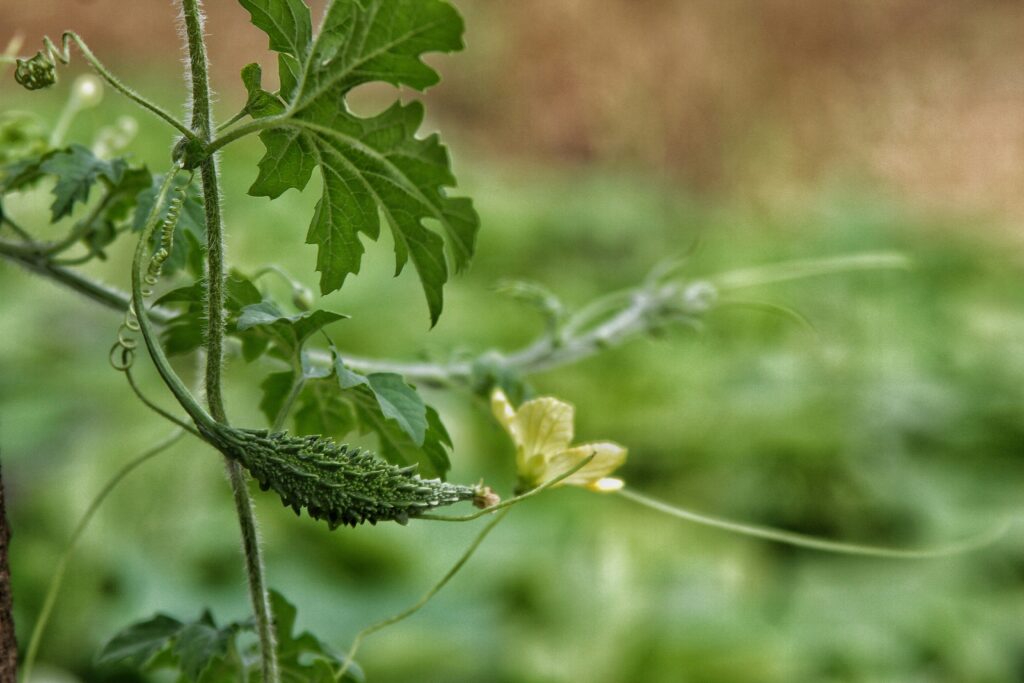
Bitter melon produces healthier fruit when grown vertically because better airflow reduces disease and makes harvesting easier.
Provide six to eight hours of sunlight and fertile, well-drained soil. The vines climb quickly once temperatures rise. Hand-pollination usually is not necessary outdoors because bees handle the work, although you can transfer pollen with a small paintbrush if fruit production seems low.
10. Yardlong Beans
Yardlong beans can easily reach 8 to 10 feet, making them perfect for tall arches. Their long hanging pods stay cleaner and straighter than those growing on shorter supports.
Harvest every few days while pods remain tender. Frequent harvesting keeps the plants producing for a much longer period. These beans appreciate warm weather and consistent moisture during flowering.
11. Climbing Squash Varieties
Certain smaller squash varieties, including Tromboncino, grow surprisingly well on strong arch trellises. Vertical growing improves airflow and keeps fruits away from damp soil.
Because squash fruits become heavy, use mesh produce bags or homemade fabric slings to support developing fruits. Strong cattle-panel arches or reinforced metal trellises work especially well for these vigorous vines.
What Makes a Good Arch Trellis?
The strongest arches produce the best results.
Metal cattle panels, galvanized steel arches, or heavy-duty powder-coated garden arches last much longer than lightweight decorative frames. Many climbing vegetables become surprisingly heavy once leaves, vines, and fruits develop together.
If you expect to grow tomatoes, gourds, or squash, choose a structure that can safely support at least 75 to 100 pounds.
Give Your Plants the Best Start
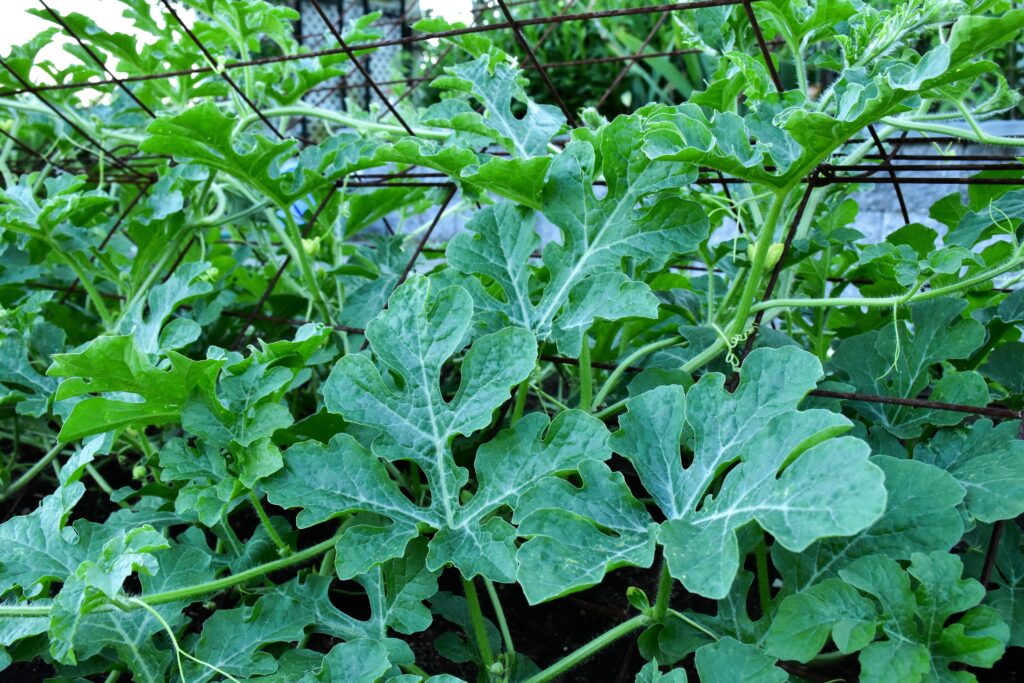
Healthy climbing vegetables begin with healthy roots. Plant each vegetable at the base of the arch, leaving enough space between plants to improve airflow. Water deeply after planting and add mulch around the base to reduce moisture loss. As new vines appear, gently guide them toward the trellis instead of forcing them around the frame.
Within a few weeks, most climbing vegetables naturally continue upward on their own.
Common Mistakes to Avoid
One mistake I often see is planting too many vigorous climbers on a single arch. While the structure looks full early in the season, overcrowding later reduces airflow, increases disease, and makes harvesting much harder.
Another common issue is waiting too long to train vines. Young stems bend easily, while mature vines become stiff and more likely to snap.
A Few Helpful Tools
An arch trellis does most of the work, but a few inexpensive tools make maintenance easier. Soft Velcro plant ties secure tomatoes without damaging stems, reusable garden clips guide young vines, and fabric fruit slings support heavier vegetables like pumpkins and gourds. A drip irrigation hose placed along the base of the arch also keeps watering consistent while keeping leaves dry.
A Simple Way to Build Your Vegetable Tunnel
If this is your first season using an arch trellis, keep the setup straightforward.
- Install the arch securely before planting.
- Choose one or two climbing vegetables instead of several.
- Plant on both sides of the arch.
- Guide young vines upward every few days.
- Harvest regularly to encourage continued production.
By the middle of the season, the arch often fills itself with healthy green growth.
A Few Last Words
Growing vegetables on an arch trellis combines beauty with practicality. Cucumbers, beans, peas, tomatoes, gourds, and other climbing vegetables use vertical space efficiently while improving airflow and making harvesting easier. Start with a sturdy trellis and a few reliable climbers, and you can enjoy a productive vegetable tunnel that becomes one of the most rewarding parts of your garden.
Featured image credit: Photo by Zoe Richardson on Unsplash









Leave a Reply