
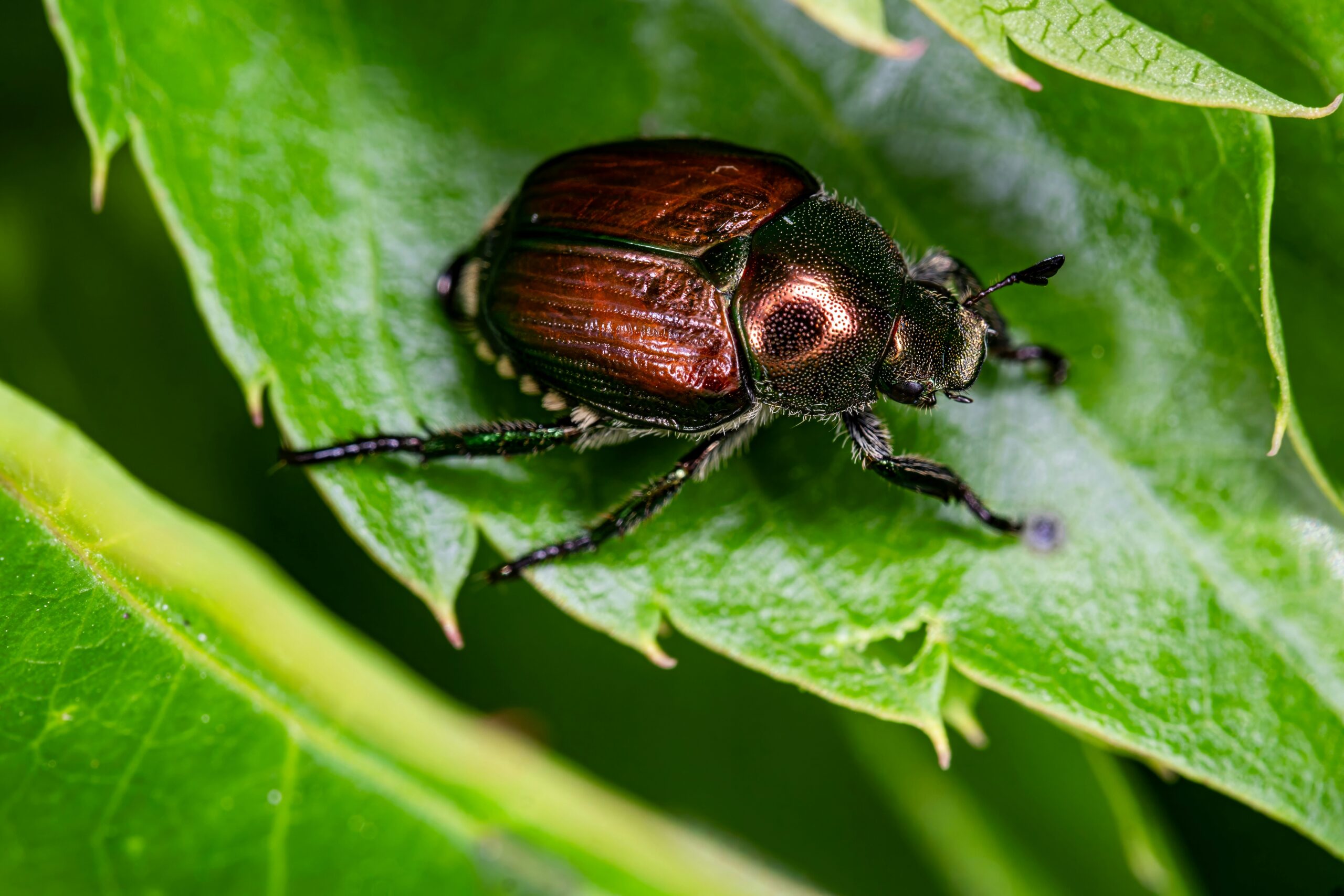
A garden can feel calm and promising at first, but pests often change that quickly. One week your plants look healthy, and the next you notice curled leaves, tiny holes, or sticky residue. It can feel confusing because you are trying to grow food or flowers in a natural way, not with harsh chemicals. Many new gardeners go through this stage where they are unsure what is safe to use and what might harm the plant.
This is where natural pesticides for garden care become useful. You are not trying to “kill everything,” but to gently control pests so plants stay balanced. In this guide, I will walk you through simple homemade sprays and methods I have personally used in my own garden, especially when growing vegetables and herbs in small spaces.
Understanding natural pest control before you begin
Before jumping into recipes, it helps to understand one simple idea. Most pests appear when plants are weak, crowded, or overwatered. So natural sprays work best when combined with basic care like proper sunlight and spacing.
In general gardening observations, organic methods are now widely used in home gardens because they reduce chemical exposure and support soil health over time (USDA organic gardening resources: https://www.nal.usda.gov/legacy/afsic/organic-production). However, they often require more consistency and repetition compared to chemical pesticides.
You should think of natural sprays as “support tools,” not instant solutions.
Natural pesticides for vegetable garden plants
Vegetable plants are usually the most affected because they are soft and fast-growing. Here are simple sprays that work well:
1. Neem leaf or neem oil spray
Neem is one of the most commonly used natural pesticides for vegetable garden care. It works by disrupting insect feeding and growth.
- How to use: Mix 5–10 ml neem oil in 1 liter water with a few drops of mild soap
- Best for: Aphids, whiteflies, caterpillars
- Effect: Mild smell, slightly bitter but fades after spraying
- Storage: Use within 2–3 days if homemade mixture
Neem works slowly, so you should repeat it every 5–7 days.
2. Garlic and chili spray
This is a strong smell-based repellent.
- How to use: Blend garlic cloves + 2 chilies in water, strain, and spray
- Best for: Leaf-eating insects and ants
- Effect: Strong smell, may irritate skin if not diluted well
- Storage: 3–5 days in a closed bottle
I usually use this when pests suddenly increase after rain.
Also read: Organic Gardening for Beginners: The Complete Guide from Seed to Table
Natural pesticides for flowers and ornamental plants
Flowers attract pests easily because of their soft petals and nectar.
3. Soap water spray
This is one of the simplest options.
- How to use: Mix 1 teaspoon mild liquid soap in 1 liter water
- Best for: Spider mites, aphids
- Why it works: Breaks insect outer layer
- Storage: Same day use is best
You should spray early morning or evening to avoid leaf burn.
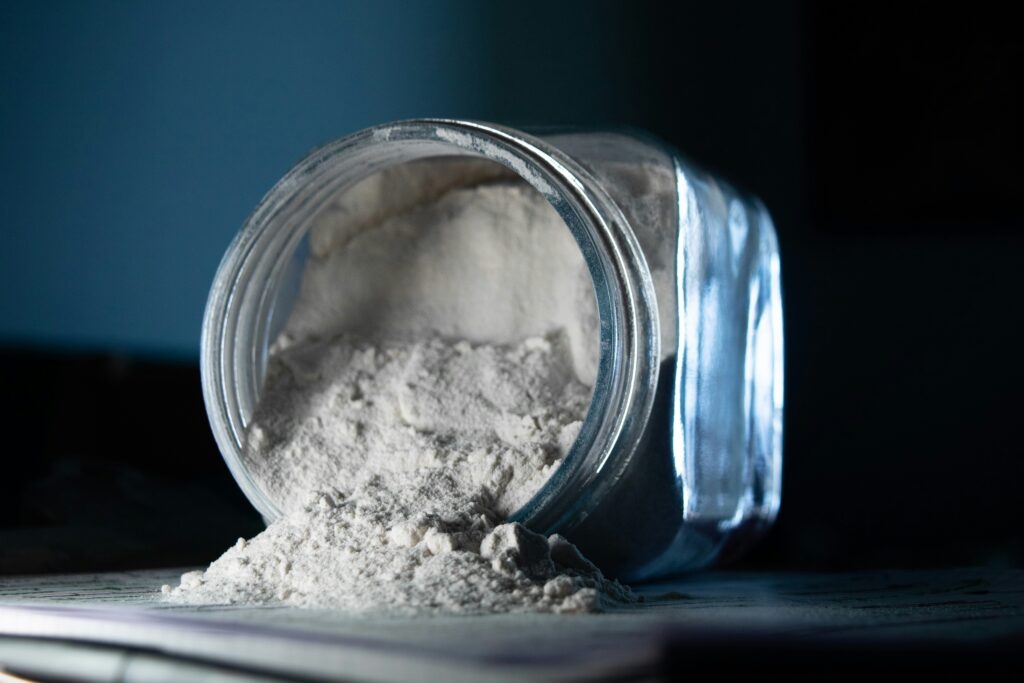
4. Baking soda spray (light use only)
Useful for fungal issues.
- How to use: 1 teaspoon baking soda in 1 liter water
- Best for: Powdery mildew on roses or marigold
- Limitation: Overuse can affect soil balance, so use sparingly
Also read: Natural Fertilizer for Plants: A Beginner-Friendly Feeding Guide for a Healthier Organic Garden
Natural pesticides for fruit plants
Fruit plants often face stronger pest pressure because they grow for longer seasons.
5. Vinegar trap spray (for surrounding area, not direct leaves)
- How to use: Diluted vinegar in small traps near plants
- Best for: Fruit flies and small insects
- Note: Do not spray directly on leaves, it can damage them
- Effect duration: Needs regular replacement every few days
6. Neem + soap combination spray
This is more stable for fruit trees.
- Helps reduce scale insects and leaf borers
- Use every 7–10 days during active growth
- Works better when applied early before infestation spreads
Fruit plants respond slowly, so patience matters more than intensity.
Also read: The Fastest Growing Fruit Trees You Can Start This Season
Natural pesticides for herbs and indoor plants
Herbs are sensitive, so lighter solutions work best.
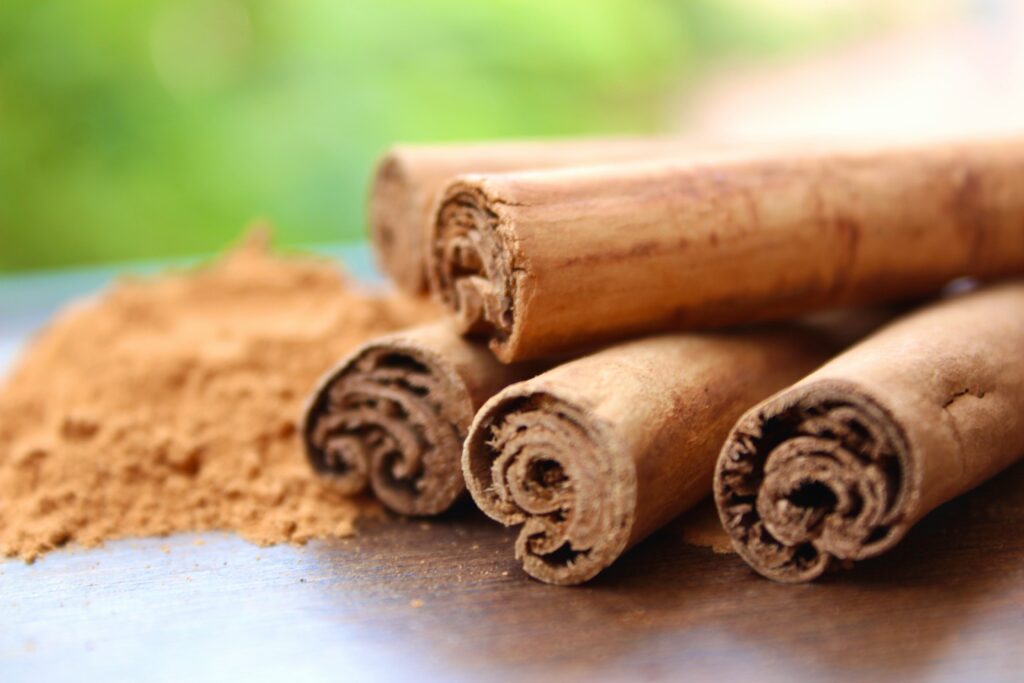
7. Cinnamon water spray
- How to use: Steep cinnamon stick in warm water, cool and spray
- Best for: Fungus gnats and soil pests
- Safe for: basil, mint, coriander
8. Neem diluted indoor spray
- Use weaker mixture than outdoor plants
- Spray lightly once every 10 days
- Avoid soaking leaves completely
Indoor plants often suffer more from overwatering than pests, so check soil first before spraying.
Also read: Indoor Herb Garden Ideas for Fresh Herbs All Year Long
Simple steps to start using natural pesticides at home
You can begin without confusion by following this flow:
- Identify the pest (small insects, holes, fungus, sticky leaves)
- Choose one spray based on plant type
- Test on one leaf first to check reaction
- Apply in evening time for best absorption
- Repeat after 5–7 days if needed
- Clean fallen leaves to reduce pest return
This step-by-step method reduces guesswork and helps you stay consistent without overwhelming your plants.
Small tools that make natural spraying easier
From personal experience, a few simple tools reduce effort:
- Spray bottle with fine mist (prevents leaf damage)
- Small funnel for mixing liquids
- Gloves for strong mixtures like garlic sprays
- Labelled bottles so you don’t mix recipes later
These small tools make the process more organized, especially when you are handling multiple plants.
Practical hacks that improve results
One thing I learned is that spraying alone is not enough. You can improve results by:
Letting the plant soil dry slightly before spraying, because pests often thrive in damp environments. Also, rotating two sprays instead of repeating one reduces pest resistance. Another useful habit is spraying the underside of leaves, where most insects actually hide.
These small adjustments often make a bigger difference than increasing spray strength.
What you should be careful about
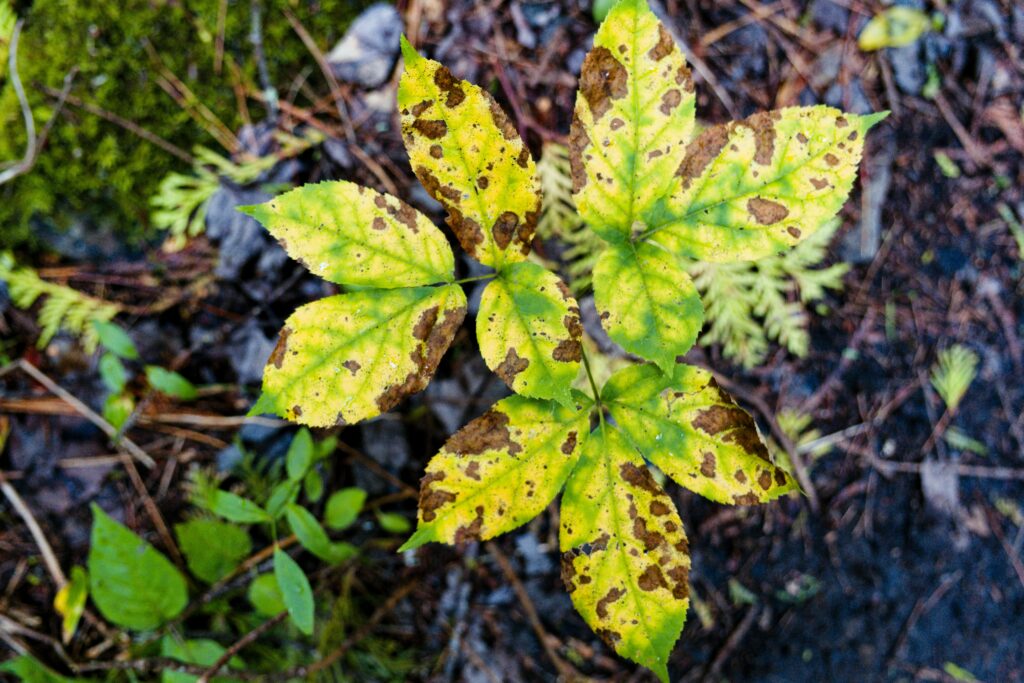
Natural does not always mean risk-free. Strong sprays like garlic or vinegar can damage soft leaves if overused. You should avoid spraying in direct sunlight because it can burn the plant surface. Also, mixing too many ingredients at once often weakens the effect instead of improving it.
The most common mistake is over-spraying daily. Plants also need recovery time between treatments.
A grounded perspective on natural pest control
Natural pesticides for garden care work best when you see them as part of a system, not a quick fix. Healthy soil, proper watering, and spacing reduce pest problems more than any spray alone. Most gardeners gradually learn that balance matters more than intensity.
The popular approach today, especially in home gardening, leans toward organic methods because they are safer for long-term soil health, even if they act more slowly than chemical options. I also find this approach more stable once the garden matures.
Using natural pesticides for garden care is less about eliminating every insect and more about keeping plants strong enough to manage them. When you combine simple sprays with steady plant care, your garden becomes more predictable and less stressful over time.
You do not need to perfect everything at once. Start with one spray, observe your plants, and adjust slowly. A steady approach is usually enough for a healthy, balanced garden.
Featured image credit: Photo by Alexandre Daoust on Unsplash
Leave a Reply