
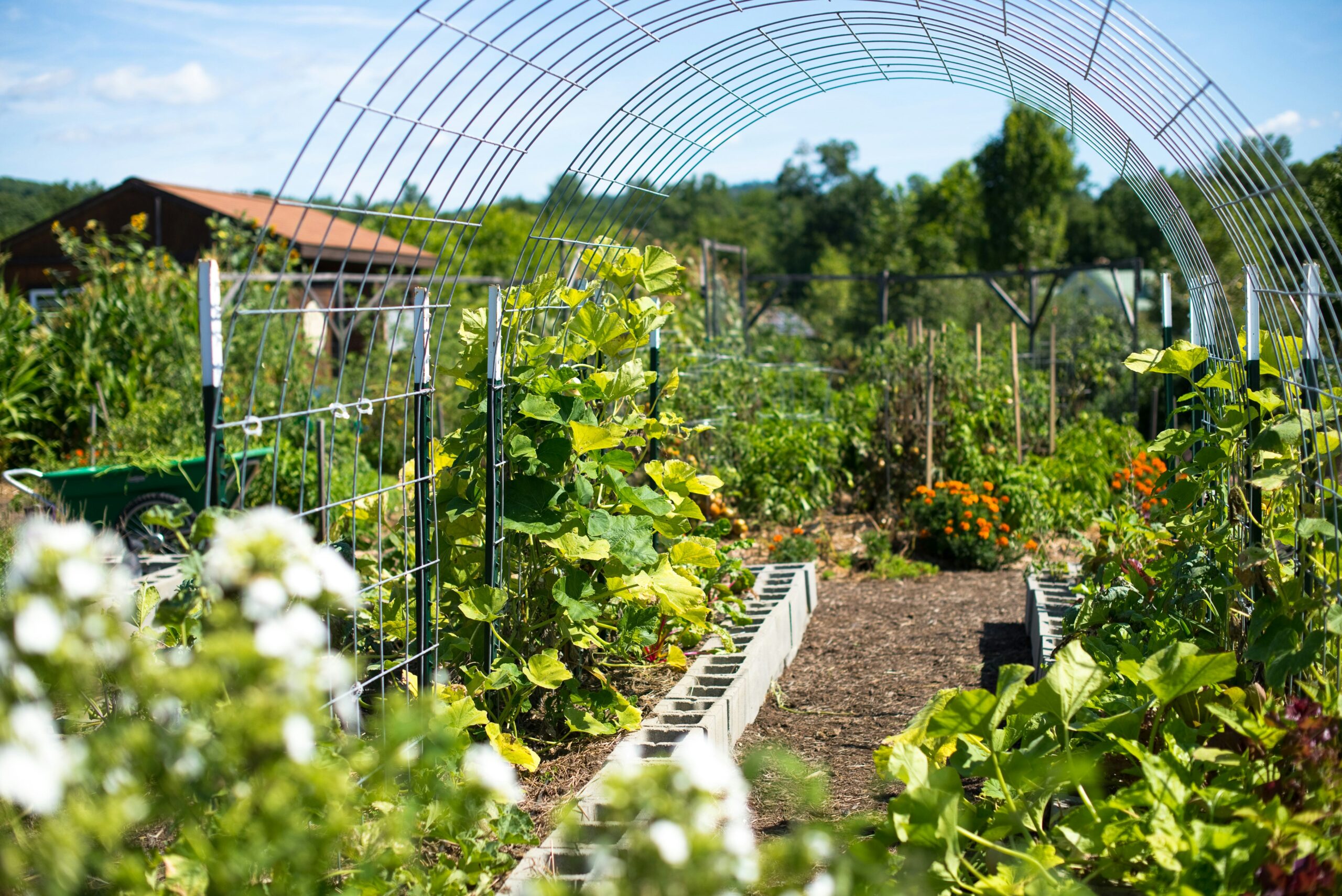
You don’t need a large backyard to grow vegetables successfully. Many people start with a small balcony, a narrow patio, a rooftop corner, or even a few containers near a sunny window. The difficult part of coming up with and implementing vegetable garden ideas is usually not the lack of space. It’s figuring out how to use that space well without creating extra work or wasting money on setups that do not fit your lifestyle.
That confusion is common for beginners. You buy a few plants, place them wherever they fit, and then realize some areas get too much sun while others stay damp for days. A few plants grow well, while others struggle for reasons that are not always obvious.
The good news is that small gardens can actually be easier to manage once you build them with intention. You water less, spend less on soil and supplies, and notice problems earlier. In many cases, a small and organized vegetable garden produces better results than a large, crowded one.
This guide will walk you through practical vegetable garden ideas for small spaces so you can create a setup that feels manageable, productive, and realistic for daily life.
Start With the Space You Already Have
One of the biggest mistakes beginners make is waiting for the “perfect” gardening setup before they begin. In reality, most successful small gardens start with ordinary spaces:
- a balcony corner
- a rooftop edge
- a narrow side yard
- a sunny staircase landing
- a few containers near a wall
Before buying plants or containers, spend two or three days observing sunlight. This matters more than expensive tools or decorative pots.
Most vegetables need around 6 hours of direct sunlight daily. Leafy greens can tolerate less, but fruiting plants like tomatoes, peppers, and cucumbers usually need stronger light.
You should also notice how heat moves through the space. Small balconies surrounded by concrete often become hotter than expected during midday. In that case, herbs and leafy greens may struggle unless you provide afternoon shade.
A simple sketch of your space can help with early vegetable garden planning. Mark:
- sunny areas
- shaded corners
- drainage spots
- walking paths
- wall space for vertical growing
This small step prevents overcrowding later.
Also read: 10 Beginner Gardening Mistakes That Are Quietly Killing Your Plants (And How to Fix Them)
Use Containers That Match the Plant Size
Container gardening works especially well in small spaces because it gives you flexibility. However, many beginners use containers that are too small, which limits root growth and reduces harvests.
As a general guide:
- Herbs grow well in smaller pots
- Leafy greens need medium-depth containers
- Tomatoes, eggplants, and peppers need larger containers with deeper soil
If you are trying to save money, you do not need matching decorative planters. Food-safe buckets, storage tubs, grow bags, and recycled containers often work just as well if they have drainage holes.
One practical approach is to group containers by watering needs. Plants that dry out quickly should stay together so you can water efficiently instead of checking every pot separately.
Research from University of Minnesota Extension explains that container gardens often require more frequent watering because the soil dries faster than ground beds. This becomes even more noticeable during summer.
That sounds inconvenient at first, but smaller gardens also allow you to monitor plant health more closely. You usually notice problems before they spread.
Also read: From Balcony to Bowl: 10 Vegetables to Grow in Containers (Even If You Have Zero Garden Space)
Try Vertical Gardening to Create More Growing Space
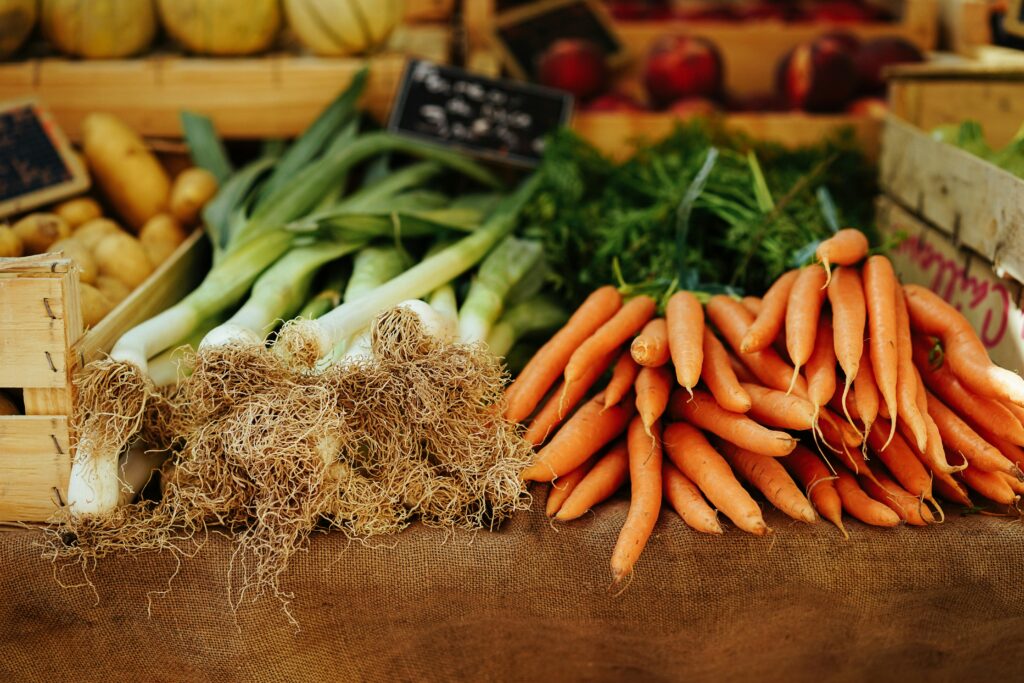
Vertical gardening is one of the most effective vegetable garden ideas for small spaces because it increases growing area without taking over the floor. Instead of spreading outward, you grow upward.
Good plants for vertical growing include:
- beans
- cucumbers
- peas
- small gourds
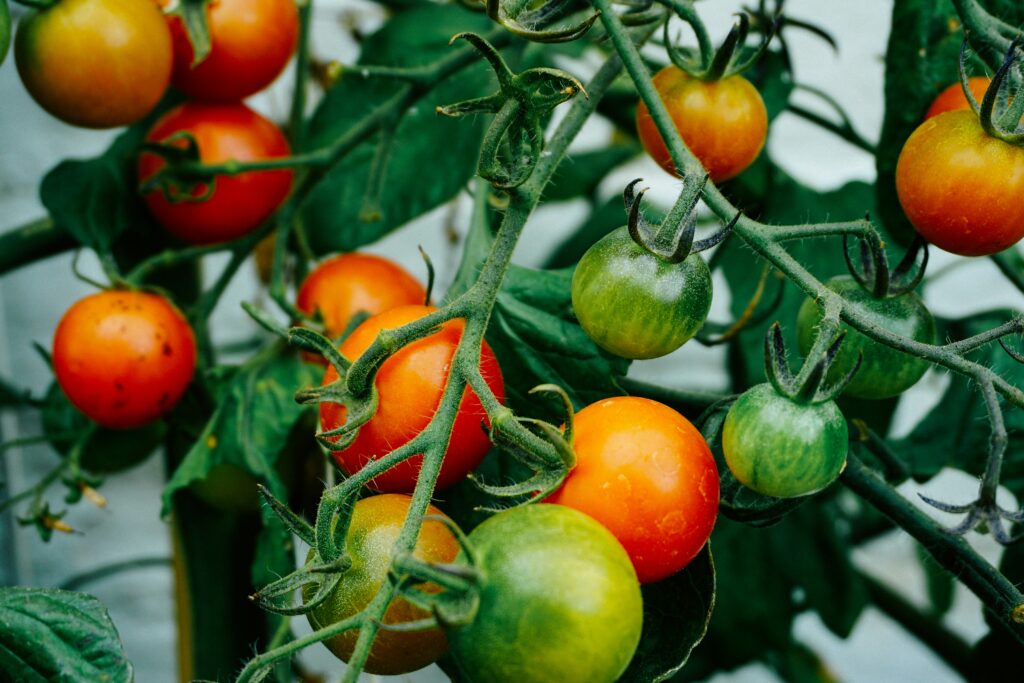
- cherry tomatoes
You can use:
- trellises
- wall grids
- hanging baskets
- shelves
- railing planters
This approach also improves airflow between plants, which helps reduce fungal problems in humid weather.
One thing beginners often overlook is weight. Wet soil becomes heavy very quickly, especially on balconies or rooftops. If you plan to hang containers or build shelves, make sure the structure can support the load safely.
A small vertical setup often produces more food than several crowded floor pots because plants receive better light exposure.
Also read: 20 Foods To Grow in 5 Gallon Buckets (No Yard? No Problem!)
Focus on High-Value Vegetables First
When space is limited, every container should earn its place.
Many experienced gardeners prioritize crops that:
- cost more in stores
- spoil quickly after purchase
- produce repeatedly during the season
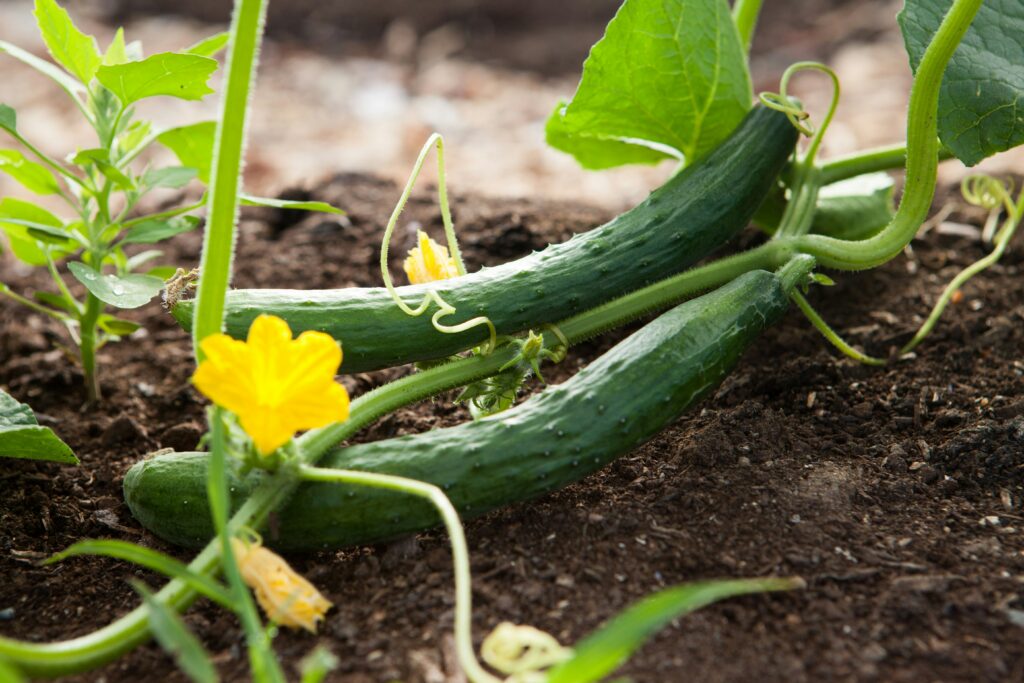
This is why herbs are so popular in small gardens. Basil, mint, coriander, and parsley take up little space but provide regular harvests. Leafy greens also work well because you can harvest outer leaves gradually instead of pulling out the whole plant.
For beginners, these vegetables usually give the best balance between effort and reward:
- lettuce
- spinach
- green onions
- chili peppers
- bush beans
- radishes
- cherry tomatoes
Radishes are especially useful for new gardeners because some varieties mature in about 30 days. Fast-growing vegetables help you build confidence while waiting for slower plants to mature.
At the same time, avoid planting too many large vegetables in a small area. Watermelon, pumpkin, and large squash plants spread aggressively and can overwhelm a compact setup quickly.
Also read: Grow More With Less: The Best Herb Pairings That Actually Work (Even in Tiny Spaces)
Build a Simple Vegetable Garden Layout
A small vegetable garden design works best when it feels easy to maintain daily.
You should be able to:
- reach plants comfortably
- water without moving everything around
- spot pests early
- harvest without damaging nearby plants
One common beginner mistake is placing containers too close together because the garden looks “empty” at first. A few weeks later, leaves overlap heavily, airflow drops, and pests become harder to manage.
Leave small walking or access gaps even in tight spaces. A practical vegetable garden layout for beginners often looks like this:
- tall plants at the back
- climbing plants near walls or trellises
- herbs near access points
- leafy greens in partially shaded areas
This creates a system that feels organized instead of chaotic.
Use Good Soil From the Beginning
In small gardens, soil quality matters even more because plants rely entirely on the limited nutrients inside the container. Regular garden soil usually becomes compacted in pots. Roots struggle to breathe, and drainage problems appear quickly.
Instead, use a loose potting mix that contains:
- compost
- coco peat or peat moss
- perlite or sand
Healthy soil holds moisture while still draining properly.
If you want to save money long term, consider starting a small compost system for kitchen scraps. Even a simple bucket compost setup can reduce waste and improve soil naturally over time.
According to Royal Horticultural Society gardening advice, container plants depend heavily on regular feeding because nutrients wash out faster during watering.
That does not mean you need expensive fertilizers immediately. Compost, diluted organic liquid feeds, or balanced vegetable fertilizers used occasionally usually work well for beginners.
Grow Plants That Help Each Other
Small gardens benefit from thoughtful plant combinations. Some vegetables compete heavily for nutrients and space, while others grow comfortably together. For example:
- basil grows well near tomatoes
- onions can help deter some pests
- lettuce benefits from partial shade under taller plants
At the same time, avoid placing aggressive spreaders beside delicate crops. Companion planting does not need to become overly complicated. The goal is simply to reduce stress inside a crowded growing space. This matters more in container gardens because roots share limited soil.
Also read: The Beginner’s Companion Planting Guide for Raised Beds (That Actually Works)
A Few Small Habits Make Gardening Easier
Many gardening problems come from inconsistency rather than lack of knowledge. Simple routines help prevent that:
- check soil moisture daily during hot weather
- remove yellow leaves early
- harvest regularly
- rotate containers occasionally if growth becomes uneven
Mulching also helps more than many beginners realize. A thin layer of dry leaves, straw, or coco husk slows water loss and keeps soil temperatures more stable.
If you travel often or forget watering schedules, self-watering containers can reduce stress significantly. They cost more upfront, but many gardeners find them useful for maintaining consistency.
At the same time, try not to over-correct every issue immediately. New gardeners sometimes change watering, fertilizer, and sunlight conditions all at once after noticing one yellow leaf. That usually creates more stress for the plant instead of solving the original issue.
Also read: Gardening for Beginners: 10 Best Vegetables to Grow (That Actually Survive!)
What to Be Careful About in Small Gardens
Small gardens stay manageable because they are controlled environments. However, small spaces also magnify mistakes faster. Overwatering is one of the biggest problems. Containers without proper drainage can damage roots surprisingly quickly.
Crowding is another issue. Plants may look small initially, but mature growth changes spacing dramatically within a few weeks.
You should also avoid chasing productivity too aggressively in the beginning. Trying to maximize every inch often creates maintenance problems that make gardening feel exhausting instead of enjoyable.
A small, balanced setup usually performs better than an overcrowded one.
Also read: 8 Gardening Hacks That Save Busy People Real Time and Money
Final Thoughts on Vegetable Garden Ideas for Small Spaces
A productive vegetable garden does not depend on size as much as structure. Once you understand sunlight, spacing, watering, and plant selection, even a compact balcony or patio can produce a steady harvest.
The most helpful approach is to begin with a few reliable plants and build slowly from there. You will notice patterns over time: which containers dry out faster, which vegetables thrive in your climate, and how much maintenance realistically fits into your routine.
That learning process matters more than having a perfect setup from the beginning.
If you stay observant and keep your system simple, small-space gardening becomes much easier to manage and far more rewarding than many beginners expect.
Featured image credit: Photo by Zoe Richardson on Unsplash
Leave a Reply