

Moving house often feels heavier than expected. You are not only shifting furniture, but also years of small decisions, forgotten items, and things you once thought you needed. Many people start packing and suddenly realize how much they own, which can feel overwhelming in a very quiet way.
This is where decluttering before moving house becomes important. It is not about creating a perfect home. It is about making sure you do not carry unnecessary weight into your next space. When you reduce what you bring, unpacking becomes easier, rooms feel more open, and your new home starts with more clarity instead of clutter.
This guide walks through a simple, realistic process that you can follow step by step, even if you feel mentally tired from the move itself.
Why decluttering before moving house changes everything
Most moving problems do not come from packing. They come from packing too much.
When people skip decluttering before moving, they often face the same issues later:
boxes that stay unopened for months, duplicate items bought by mistake, and storage spaces that fill up immediately after moving in.
From general moving observations, people tend to carry 20–30% more items than they actually use in their daily life. This is not a strict rule, but it is a common pattern seen in household moves.
The result is simple. A new house feels crowded too quickly, even if it is bigger than the old one.
Decluttering before you pack helps you avoid that feeling entirely. You move with intention, not overflow.
Also read: The One-Year Rule: Simple Decluttering Tips for Deciding What to Keep and What to Toss
Common problems people face while decluttering before a move
One of the biggest challenges is emotional attachment. You may hold onto items “just in case” or because they remind you of a past phase of life. Another common issue is lack of time. Many people start sorting only a few days before moving, which leads to rushed decisions.
There is also a decision fatigue problem. After a few hours of sorting, everything starts to feel equally important or equally disposable, which slows down the process.
A less obvious issue is hidden storage. Items stored in cupboards, under beds, or behind furniture are often forgotten until packing begins. These surprise items increase stress during the final days.
Understanding these patterns helps you approach the process with more structure and less pressure.
A simple decluttering plan before moving house
The goal here is not to make perfect decisions. It is to make steady progress without overthinking each item.
1. Start with non-essential categories first
Begin with areas that do not affect your daily routine. This includes decor, extra linens, unused kitchen tools, and stored bags or boxes.
These items are easier to evaluate because you do not depend on them daily. As you sort, ask a simple question: “Would I choose this again if I saw it in a shop today?”
You will often notice that many items no longer fit your current life stage, even if they were useful in the past.
2. Move to clothing and personal items
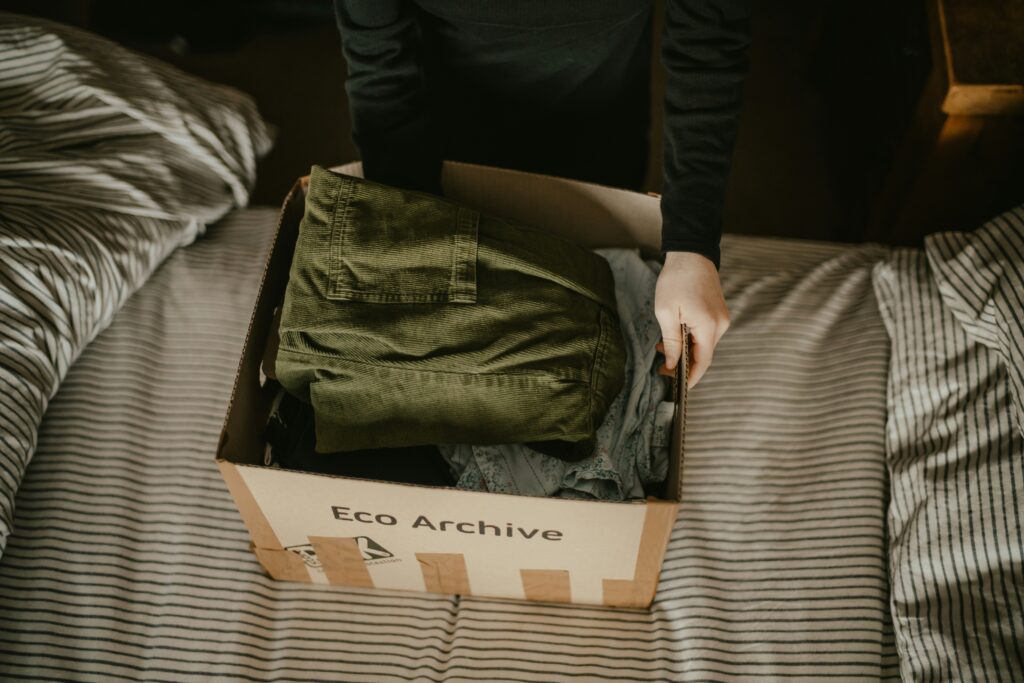
Clothing usually takes the most space in a move. Separate items into three groups: daily use, occasional use, and unused for over a year.
If something has not been worn in a full season cycle, it usually stays unused again. This is not about guilt, but about the reality of habit.
Accessories, shoes, and bags should be checked carefully here. Many people find duplicates they forgot they owned, which is a good place to reduce load before packing.
Also read: Decluttering Tips: How to Declutter Your Closet in Just One Weekend
3. Kitchen and household storage check
The kitchen often hides heavy clutter. Expired spices, duplicate containers, unused appliances, and mismatched storage boxes add unnecessary weight during a move.
You should also check fragile items. If something is rarely used and difficult to pack safely, it may not be worth carrying forward.
Simple storage bins or labeled boxes can help you separate among keep, donate, and discard items quickly without repeated decisions.
Also read: Kitchen Organization Ideas That Make Everyday Cooking Feel Easier
4. Paperwork and small items
Old documents, manuals, warranty cards, and receipts tend to accumulate quietly. Go through them in one focused session.
Keep only what is legally or practically needed. Everything else can be digitized or discarded if safe.
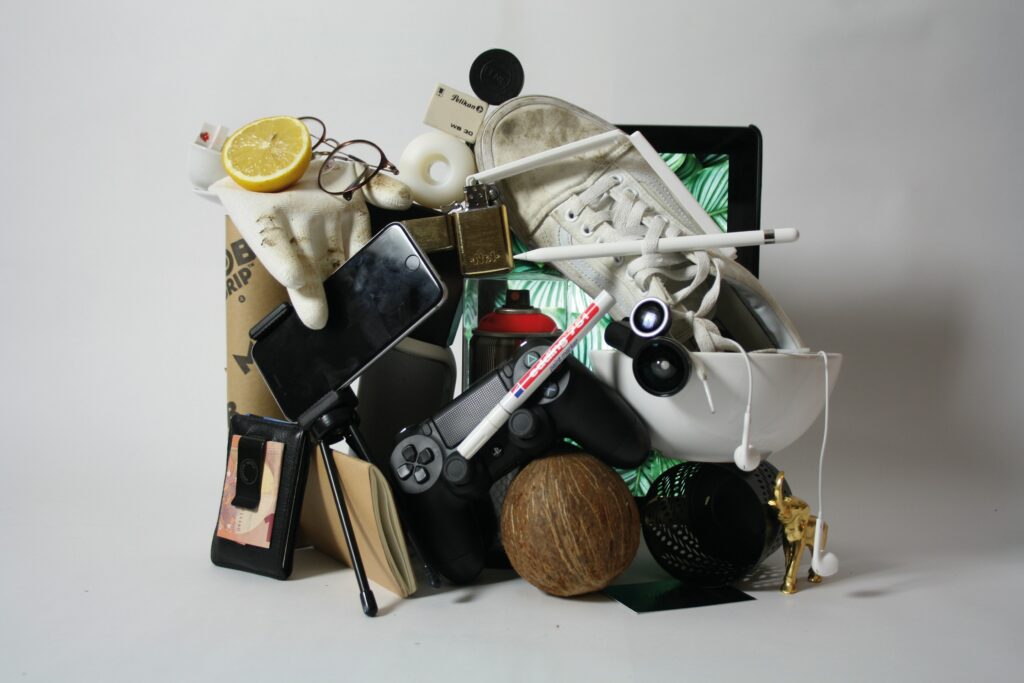
Small items like cables, chargers, and random accessories should be grouped. If you find multiple versions of the same item, you can safely reduce them.
Also read: Decluttering Paperwork: 6 Foolproof Systems That Work
5. Final 48-hour quick sweep
Right before packing begins, do a final pass through your home. This is not deep sorting, just a final clarity check.
Look at open drawers, bathroom shelves, and bedside tables. These areas often collect small items that do not belong anywhere specific.
This step helps prevent “forgotten clutter” from entering your new space.
Items you should strongly consider leaving behind
Some items create more cost than value during a move:
broken furniture that was never repaired, expired products, old electronics that no longer work, and decor that no longer fits your taste.
Also consider bulky items that cost more to transport than replace. In many cases, replacing them later is more practical than moving them.
This is not about loss. It is about reducing unnecessary effort during transition.
Also read: 50 Tiny Things to Declutter That Quietly Make Your Home Feel Messy
Simple tools that make decluttering easier
You do not need many tools, but a few basics help:
- Clear storage bags or boxes for sorting categories
- Large trash bags for quick disposal
- Sticky labels or markers for marking “keep,” “donate,” and “discard”
- A basic timer if you prefer short focused sessions
These tools reduce decision delays and help you stay consistent without mental overload.
A realistic moving timeline you can follow
If your move is in two weeks, you can structure your process like this:
Days 1–3: Non-essential items and decor
Days 4–6: Clothes and personal storage
Days 7–9: Kitchen and household items
Days 10–11: Paperwork and small items
Days 12–13: Packing essentials
Day 14: Final review and cleanup
This structure is flexible. You can adjust based on your energy and time.
A small hack that makes decluttering easier
One helpful method is the “one box pause.” When you are unsure about items, place them in a separate box instead of deciding immediately. Seal it and label it “review later.” If you do not open it after 2–3 months in your new home, you can safely let it go.
This reduces pressure during emotional decisions and prevents overthinking.
What to be careful about during the process
Try not to declutter while multitasking or rushing. Quick decisions often lead to regret later. Also avoid mixing categories too early, as it creates confusion and slows down progress.
Another common mistake is trying to make every item a “perfect decision.” Not everything needs deep evaluation. Some choices can be simple and practical.
Final thoughts
Decluttering before a move is not only about reducing items. It is about reducing mental load so your new home feels easier to live in from day one. When you carry only what you actually need and value, unpacking becomes less stressful and more intentional.
You do not need to finish everything at once. Even small, steady progress changes the entire moving experience. A lighter move often leads to a calmer start, and that is usually what most people need after transition.
Featured image credit: Photo by Vitaly Gariev on Unsplash
Leave a Reply