
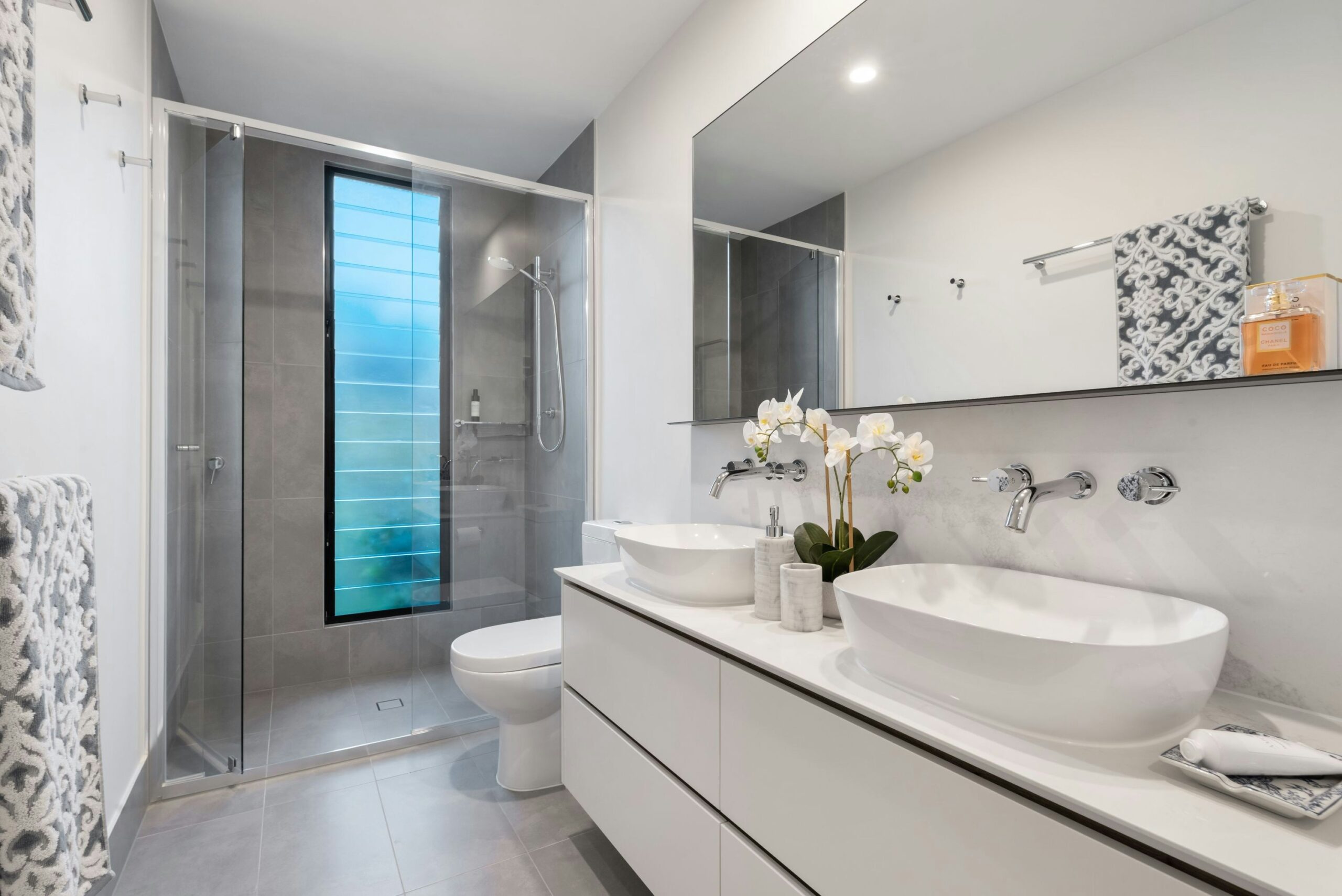
You clean the bathroom every week, but it never seems to stay organized. The countertop fills with skincare products, the cabinet hides half-used bottles you forgot about, drawers become crowded with toiletries, and towels somehow end up everywhere except where you need them.
I’ve dealt with this myself, and I eventually realized that the mess wasn’t caused by a lack of cleaning. The real problem was that I kept bringing new products into the bathroom without deciding where they belonged. Once every item had a purpose and a place, the room became much easier to clean and far less stressful to use.
If you’re ready to make decluttering bathroom projects feel manageable, this step-by-step guide will help you create a bathroom that’s functional, organized, and easy to maintain every day.
Why Bathrooms Become Cluttered So Easily
Bathrooms may be one of the smallest rooms in the house, but they often store a surprising number of items. Shampoo, skincare, makeup, medicines, hair tools, cleaning supplies, towels, and extra toiletries all compete for limited space.
On top of that, many products stay in the bathroom long after they stop being useful. Half-empty bottles, expired sunscreen, dried-up makeup, hotel toiletries, and samples slowly fill cabinets and drawers.
The goal isn’t to own fewer essentials. It’s to keep only the products you actually use and store them where they’re easy to reach.
Decluttering Bathroom Step by Step
Step 1: Empty One Storage Area at a Time
Instead of pulling everything out of the entire bathroom, work through one area before moving to the next.
Start with:
- The countertop
- One drawer
- Under the sink
- Medicine cabinet
- Linen shelf
- Shower storage
Working in smaller sections keeps the bathroom usable while you organize and makes it much less overwhelming.
Place everything from one area on a towel or clean surface where you can see it clearly.
Step 2: Throw Away Expired or Unsafe Products
This is often the biggest source of hidden bathroom clutter.
Check every product for expiration dates or signs that it should no longer be used.
Look for:
- Expired medicines
- Old sunscreen
- Dried-out mascara
- Makeup with unusual smell or texture
- Empty bottles
- Nearly empty products you’ll never finish
- Broken razors
- Worn toothbrushes
- Leaking containers
Many people don’t realize that cosmetics and skincare products also have recommended usage periods after opening, often shown by the small jar symbol with numbers like 6M or 12M.
The U.S. Food and Drug Administration also recommends storing medicines properly and safely disposing of expired or unused medications rather than keeping them indefinitely.
Removing products you shouldn’t use anymore immediately creates more storage space.
Step 3: Keep Only Products You Actually Use
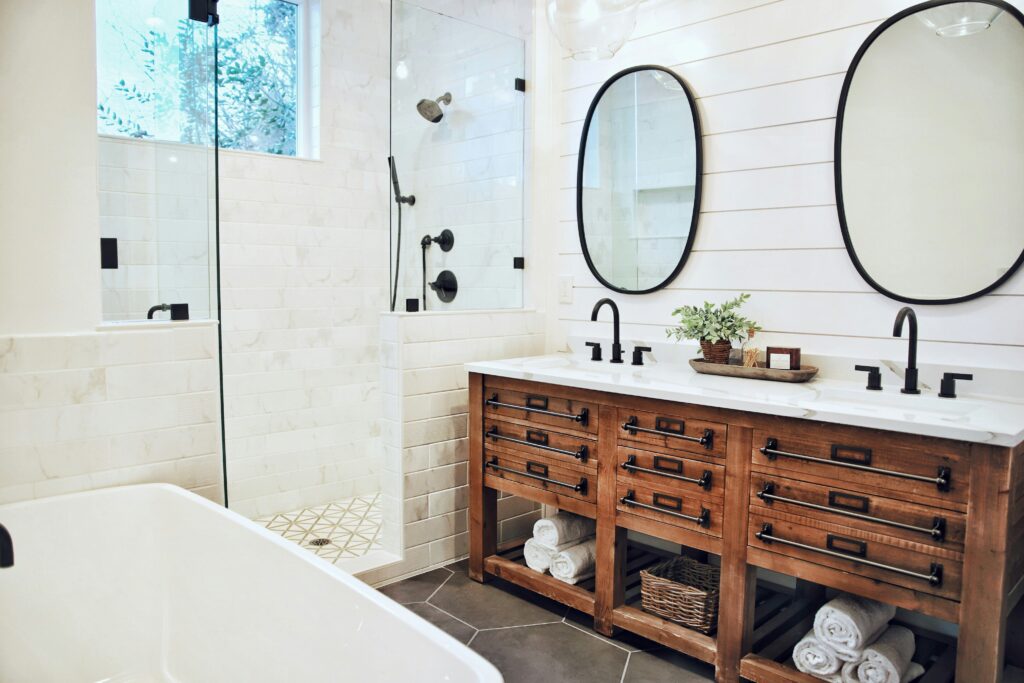
Bathrooms often become storage for products we intended to try someday.
Ask yourself:
- Do I use this regularly?
- Does this product still work for me?
- Would I buy it again today?
If the answer is no, it’s usually time to let it go.
This also applies to duplicate products. You probably don’t need four open bottles of body lotion or three partially used shampoos unless different family members use them.
If unopened products are still in good condition, consider donating them to local shelters or community organizations where appropriate.
Step 4: Group Similar Items Together
Now organize everything into simple categories.
For example:
- Daily skincare
- Makeup
- Hair care
- Dental care
- First aid
- Medicines
- Shaving supplies
- Bath products
- Cleaning supplies
- Extra toiletries
Grouping similar items helps you find what you need quickly and prevents buying duplicates during your next shopping trip.
Step 5: Organize Around Your Daily Routine
One thing that made a huge difference for me was organizing products by when I actually use them.
For example:
Everyday Essentials
Keep your toothbrush, face wash, moisturizer, deodorant, and other daily items together where they’re easy to reach.
Shower Area
Store shampoo, conditioner, body wash, and razors inside the shower using a shower caddy or corner shelf instead of balancing bottles along the edge of the tub.
Makeup or Grooming Area
Keep cosmetics, hairbrushes, styling products, and mirrors together near the place where you usually get ready.
Organizing by routine reduces the number of times you have to search through drawers every morning.
Also read: 10 Bathroom Organization Ideas for a Spa-Like Space
Step 6: Use Storage That Fits Small Spaces
Bathrooms rarely have extra room, so every inch matters.
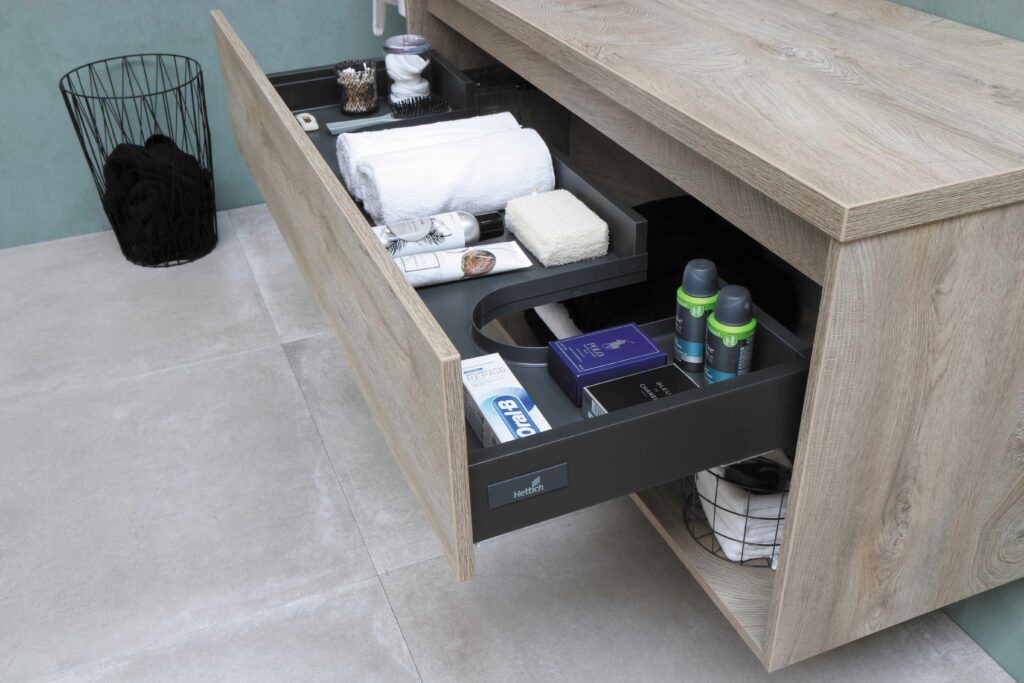
Affordable organizers that genuinely help include:
- Clear drawer organizers
- Turntables (Lazy Susans) for skincare
- Stackable bins
- Under-sink storage shelves
- Shower caddies
- Over-the-door hooks
- Small baskets for extra toiletries
- Toothbrush holders
- Cotton swab and cotton pad containers
Choose organizers that match your storage needs rather than buying matching sets just because they look attractive.
A few well-chosen organizers often work better than filling every shelf with containers.
Step 7: Fold and Store Towels Efficiently
Towels can easily take over a small bathroom.
Keep only the number your household actually uses each week.
Store extra towels together on one shelf or inside a basket instead of spreading them across multiple cabinets.
If storage is limited, rolled towels often fit better inside baskets, while folded towels usually stack more neatly on shelves.
Reserve hooks for towels that are currently in use so they can dry properly between uses.
Step 8: Keep the Countertop Almost Empty
Bathroom counters collect clutter very quickly.
Instead of storing every product on display, keep only the items you use every day.
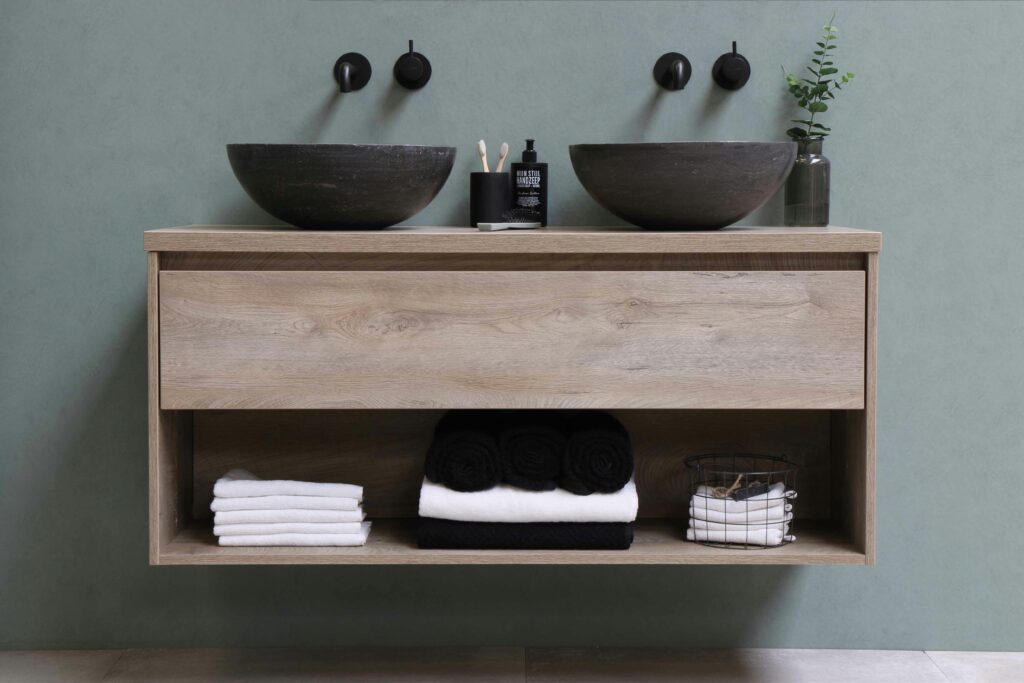
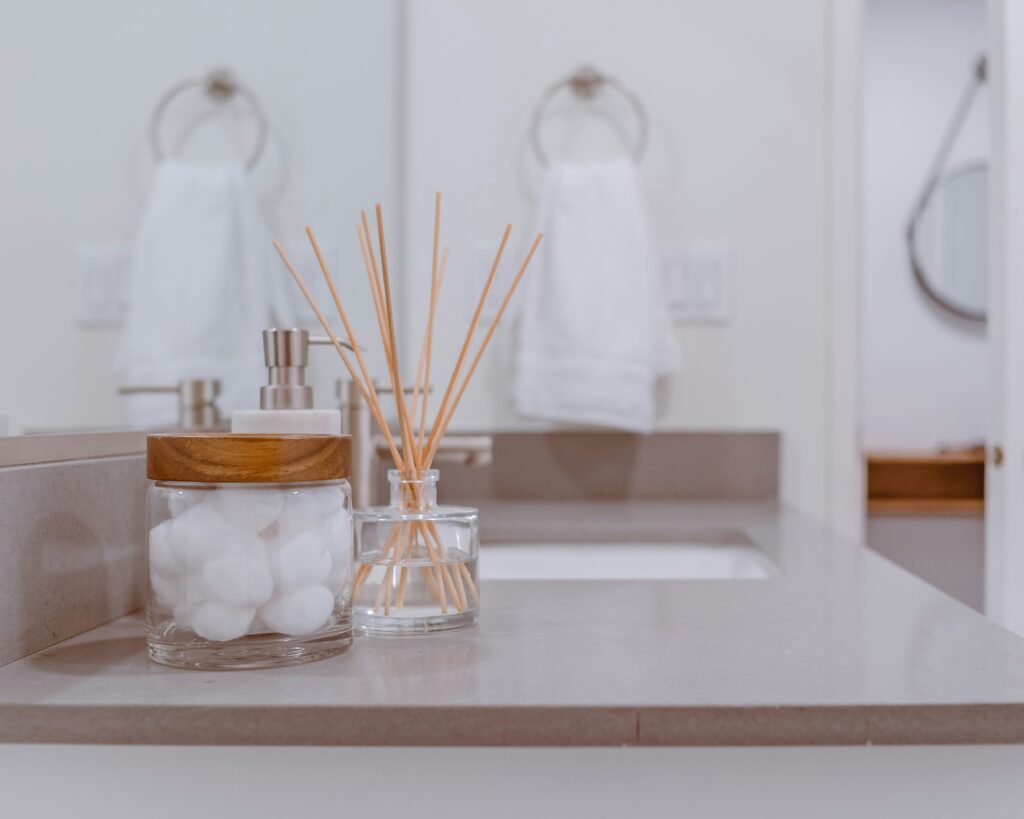
A small tray works well for holding daily essentials while making the countertop easier to wipe clean.
Everything else should have a dedicated place inside drawers or cabinets.
Less visual clutter also makes even a small bathroom feel more spacious.
Step 9: Build a Two-Minute Daily Reset
Bathrooms stay organized through small habits, not occasional deep cleaning.
Each evening:
- Return products to their storage spots.
- Hang damp towels properly.
- Throw away empty packaging.
- Wipe water from the countertop if needed.
- Put dirty clothes into the laundry basket instead of leaving them on the floor.
These simple habits prevent clutter from building throughout the week.
Also read: How to Declutter Your Home in 30 Days: A Realistic Plan That Actually Feels Manageable
Don’t Stockpile More Than You Can Store
Buying toiletries in bulk can save money, but only if you have enough storage space.
If extra products overflow into every cabinet and drawer, they often become difficult to track. You’ll forget what you own and may buy duplicates anyway.
Keep a reasonable backup supply, but avoid turning your bathroom into a storage room for future purchases.
Small Tricks That Make Organization Easier
Use clear labels if several family members share the bathroom. Assign each person a small basket or drawer for personal toiletries to prevent products from getting mixed together.
Another helpful trick is placing a small waterproof squeegee inside the shower. Taking 30 seconds to wipe down glass doors or tiles after showering helps reduce soap scum and makes deep cleaning much easier later.
Also read: 5 Decluttering Methods Compared: Which One Works Best for You?
One Mistake That Makes Bathrooms Feel Crowded
Avoid storing products based only on available space instead of how often you use them.
Daily essentials should stay within easy reach, while backup supplies belong in higher cabinets or less convenient shelves. If you constantly move five bottles just to reach your face wash, your system will quickly become frustrating to maintain.
Make Your Bathroom Work for Your Household
Every bathroom serves different needs. A shared family bathroom requires more storage than a guest bathroom, while a very small apartment bathroom may need creative vertical storage. Adjust your organization system to match your household instead of trying to copy perfectly styled bathrooms online.
A Few Last Words
Decluttering bathroom spaces becomes much easier when you remove expired products, organize items by daily routines, and keep only what you actually use. Once every product has a logical home and you spend just a couple of minutes resetting the room each day, your bathroom stays cleaner, feels more spacious, and becomes much easier to maintain year-round.
Featured image credit: Photo by Steven Ungermann on Unsplash










Leave a Reply