
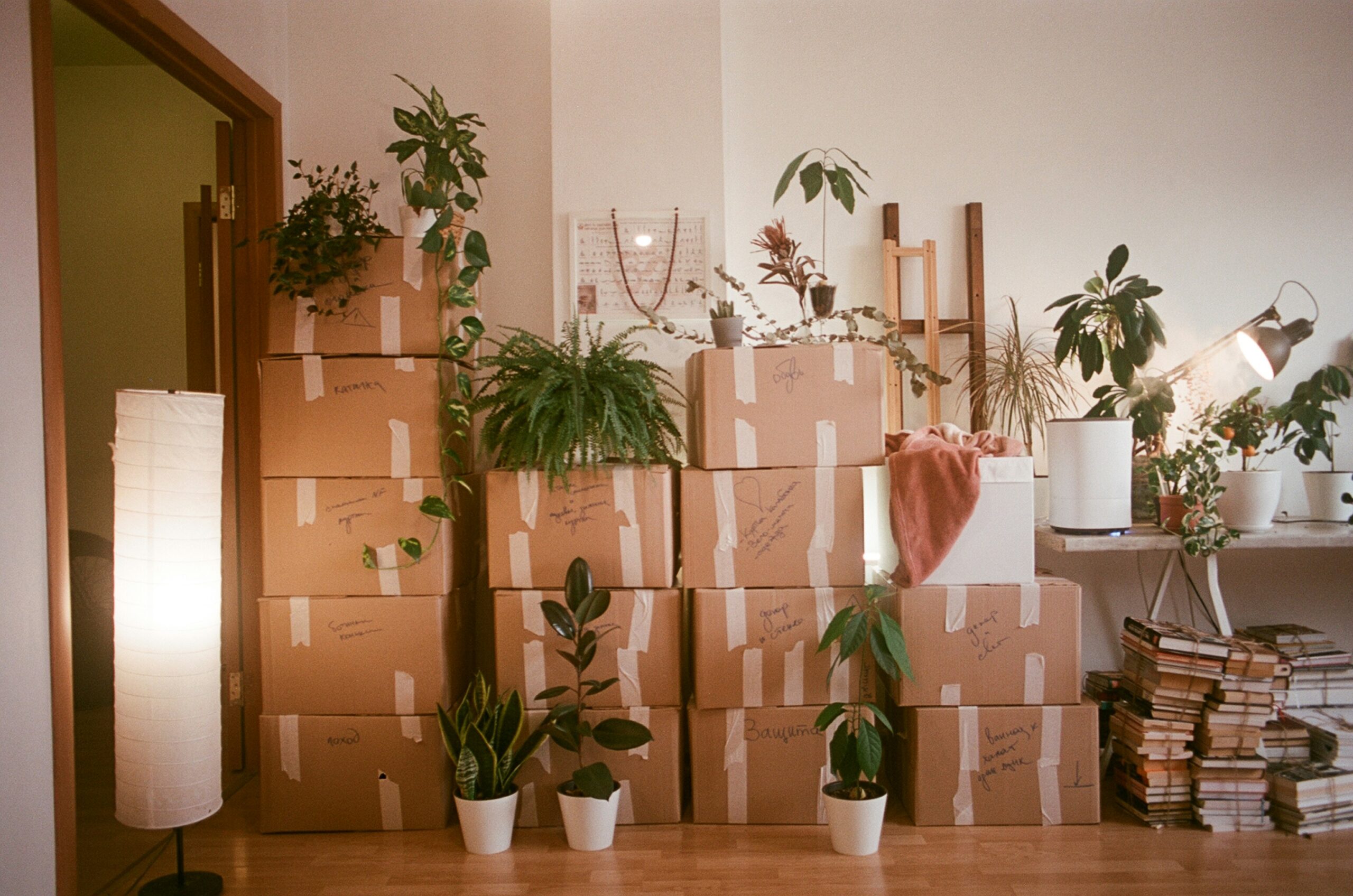
Moving into a new home often feels exciting right up until you see the boxes. Every room contains stacks of belongings, daily routines have disappeared, and even simple tasks like finding a coffee mug can take longer than expected. Many people assume unpacking should happen quickly, but in reality, organizing a new home is usually a gradual process.
When I have moved in the past, I noticed that the biggest challenge was not the number of boxes. It was deciding where to start. Walking from room to room without a clear plan made everything feel bigger than it really was. Once I followed a simple system, the work became much more manageable.
These home organization tips after moving will help you unpack with purpose, organize as you go, and create a home that functions well from the beginning rather than rushing to finish every box immediately.
Start by Making the House Livable First
One mistake many people make is trying to unpack everything at once. Instead, focus on making the home functional before making it perfect. Your first goal is to support daily life. Ask yourself:
- Can everyone sleep comfortably?
- Can you prepare basic meals?
- Can you shower and get ready for work?
- Can you find essential clothing?
If the answer is yes, your home is already serving its purpose. This matters because unpacking becomes easier when you are not simultaneously searching for necessities throughout the day.
What Is a Realistic Timeline?
Many people underestimate how long unpacking takes. Based on general moving industry observations, most households need:
- 1–3 days to unpack essentials
- 1–2 weeks to organize major rooms
- 1–3 months to fully settle into a home
The exact timeline depends on family size, work schedules, and how much stuff you own. I think one of the healthiest approaches is accepting that complete organization takes time. Rushing often creates storage systems you later regret.
Unpack the Essentials Box on Day 1
Hopefully, you packed an essentials box before moving. If not, create one immediately from your existing boxes.
Include:
- Toiletries
- Medication
- Chargers
- Basic kitchen items
- A few days of clothing
- Important documents
Think of this as your temporary survival kit. Once these items are accessible, the rest of the unpacking process becomes much less stressful.
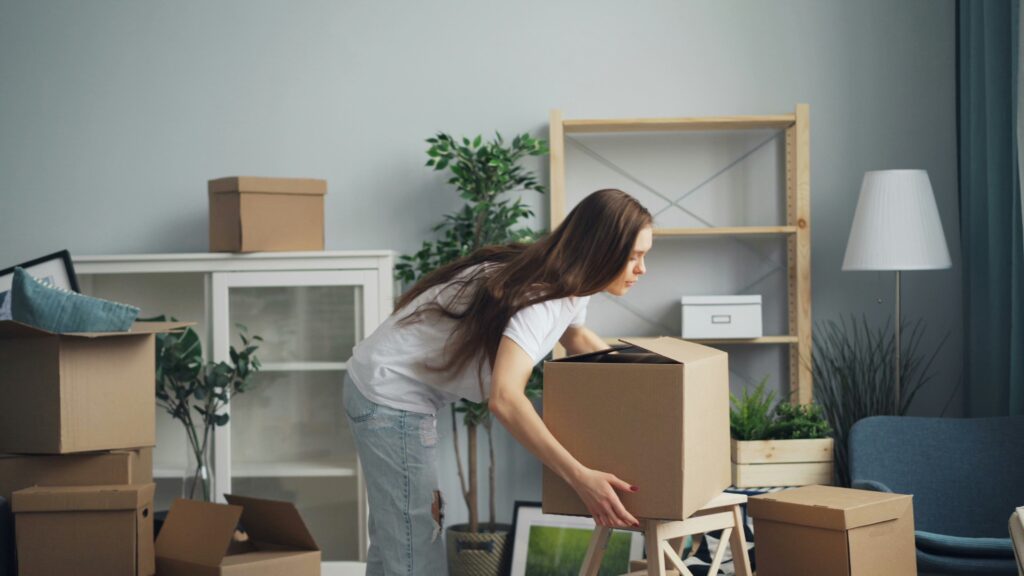
Start with the Kitchen
After essentials, I usually recommend unpacking the kitchen first. The kitchen supports multiple daily activities, including meals, drinks, and household routines. Begin with:
Daily-use dishes
Put away plates, bowls, glasses, and mugs first.
Cooking basics
Store pots, pans, utensils, and cutting boards.
Pantry items
Group similar foods together so you can quickly see what you have. Avoid organizing every cabinet perfectly on day one. Focus on function first and refinement later.
Also read: Kitchen Organization Ideas That Make Everyday Cooking Feel Easier
Set Up Bedrooms Before Decorative Spaces
Many people feel tempted to tackle the living room because it is highly visible. However, bedrooms usually deserve attention first. Make sure:
- Beds are assembled
- Bedding is unpacked
- Essential clothing is accessible
- Laundry baskets have a designated location
A comfortable bedroom helps you rest properly, which makes the rest of the unpacking process easier.
Also read: Small Room, Big Potential: Bedroom Organization Ideas That Cost Almost Nothing
Unpack Bathrooms Completely
Bathrooms are relatively small, which makes them satisfying early projects. Store items by category:
- Daily toiletries
- Hair care products
- Cleaning supplies
- First aid items
Because bathrooms contain fewer belongings than most rooms, completing one quickly creates momentum for larger areas.
Also read: 10 Bathroom Organization Ideas for a Spa-Like Space
Organize Room by Room Instead of Box by Box
One of the most useful unpacking tips I learned is to focus on rooms rather than boxes. Many boxes contain mixed items from different spaces. If you move randomly between rooms, you create extra work and confusion.
Instead:
- Choose one room.
- Finish the room.
- Move to the next room.
This approach creates visible progress and prevents partially completed spaces throughout the house.
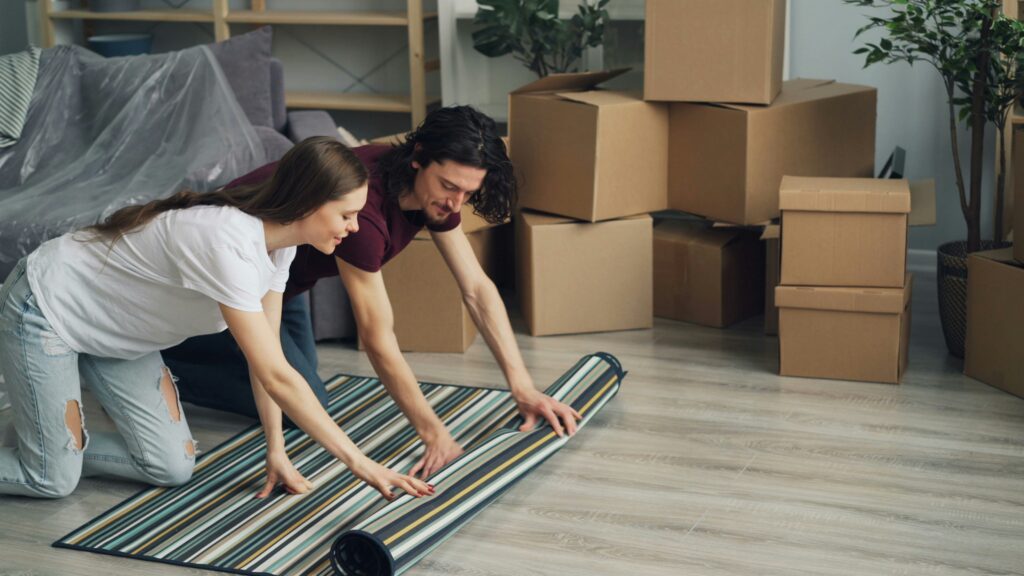
Give Every Item a Temporary Home
You do not need perfect storage decisions immediately.
You simply need reasonable ones.
When unpacking after moving, assign temporary locations if necessary.
For example:
- Extra linens in one closet
- Seasonal decorations in a spare room
- Office supplies in a storage bin
Many people feel pressure to make permanent decisions right away. In reality, living in the home for a few weeks often reveals better storage solutions.
Create a Donation Box From Day One
Moving often reveals belongings you no longer need. As you unpack, keep one large box labeled “donate.”
Whenever you find:
- Duplicate items
- Outgrown belongings
- Unused kitchen tools
- Decorations you no longer enjoy
place them directly into the box. This prevents unnecessary clutter from entering your new organizational system.
How to Keep Daily Life Running While Unpacking
One reason moving feels exhausting is that normal responsibilities continue. Work, school, meals, and household tasks still need attention. Instead of spending entire days unpacking, consider working in focused sessions.
For example:
- 45 minutes unpacking
- 15 minutes break
- Return to regular responsibilities
This rhythm often feels more sustainable than marathon organizing sessions. The most important part is consistency, not speed.
Organize Closets Before They Become Storage Dumps
Closets often become temporary holding spaces during a move. Unfortunately, temporary storage can become permanent very quickly. When organizing closets:
Keep frequently used items accessible
Place daily-use items at eye level.
Store seasonal items higher up
Holiday decorations and off-season clothing can occupy upper shelves.
Use containers immediately
Bins create structure before clutter has a chance to spread.
This small effort prevents closets from becoming overwhelming later.
Also read: Decluttering Tips: How to Declutter Your Closet in Just One Weekend
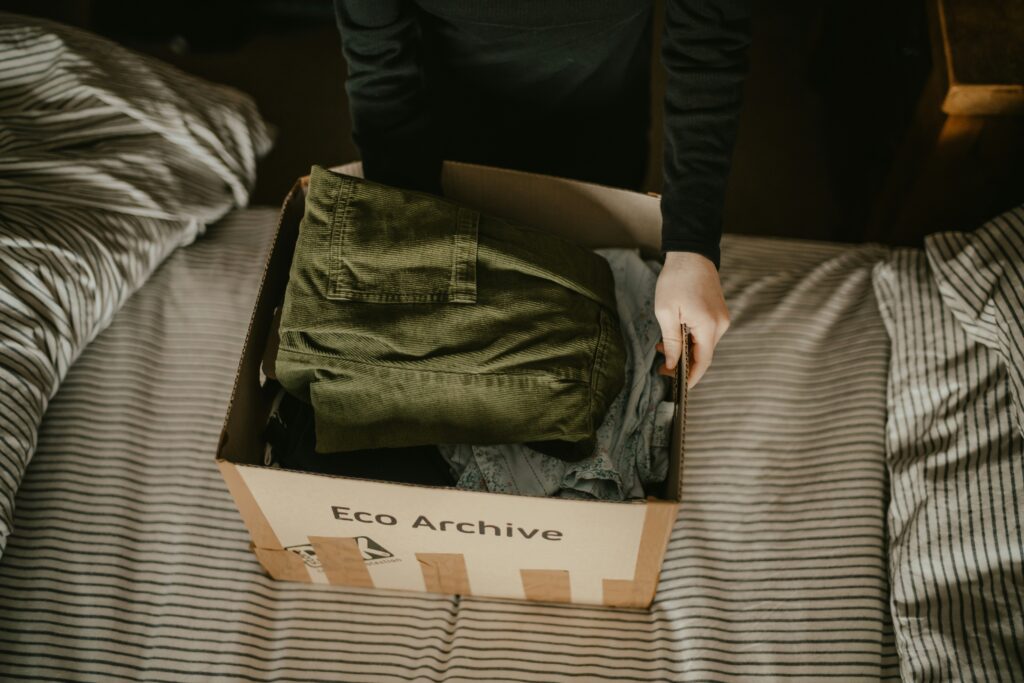
Handle Paperwork Early
Boxes of paperwork tend to move from house to house untouched. Rather than postponing them again, create a simple filing system.
Use broad categories:
- Financial records
- Household documents
- Medical information
- Work papers
You do not need a complicated filing cabinet. A few clearly labeled folders can save significant time later.
Also read: Decluttering Paperwork: 6 Foolproof Systems That Work
Wait Before Buying Storage Products
This is one point where I have a strong opinion. Do not buy dozens of organizers before living in the space for a few weeks. Many storage purchases happen before people fully understand how they use their new home. The most effective systems usually develop after observing daily routines rather than guessing them.
Pay Attention to Entryways
Entryways influence how organized the rest of the house feels. Even a small landing area can benefit from:
- A shoe basket
- Key tray
- Bag hook
- Mail container
Without these designated homes, clutter often spreads into surrounding rooms.
Also read: 10 Brilliant Entryway Organization Ideas for Small Spaces
Do Not Forget Outdoor Areas
If your new home includes a garden, patio, balcony, or yard, avoid treating it as permanent storage. Many moving boxes migrate outdoors and stay there longer than intended.
After indoor essentials are complete, spend one session organizing outdoor equipment, garden tools, and seasonal supplies. This prevents outdoor spaces from becoming another unfinished project.
A Small Trick That Helps More Than Expected
Use colored sticky notes on doors while unpacking. Assign one color to each room and place matching notes on relevant boxes. Even after moving day, this visual system helps family members quickly identify where items belong without repeatedly asking questions.
What Often Creates More Work Later
Avoid unpacking directly into overcrowded cabinets or closets simply to empty boxes.
A full cabinet may look organized initially, but it often hides future frustration. Leave some breathing room whenever possible. Slightly empty storage spaces are easier to maintain than completely packed ones.
A Thought Worth Remembering
A house rarely feels like home the day the boxes arrive. It usually happens gradually through routines, habits, and small decisions. Give yourself permission to adjust storage systems as you learn how the space works for you.
These home organization tips after moving focus on creating function before perfection. Start with essentials, unpack room by room, establish simple systems, and allow yourself time to settle in. A fully organized home rarely appears in a weekend. With steady progress and practical routines, the boxes will disappear, and the house will gradually begin to feel like your own.
Fetaured image credit: Photo by Dina Badamshina on Unsplash
Leave a Reply