
If you’ve ever opened a kitchen cabinet only to have containers, spices, or dishes tumble toward you, you’re not alone. Kitchen storage often becomes frustrating because we try to fit too many items into spaces that were never designed for how we actually cook and live.
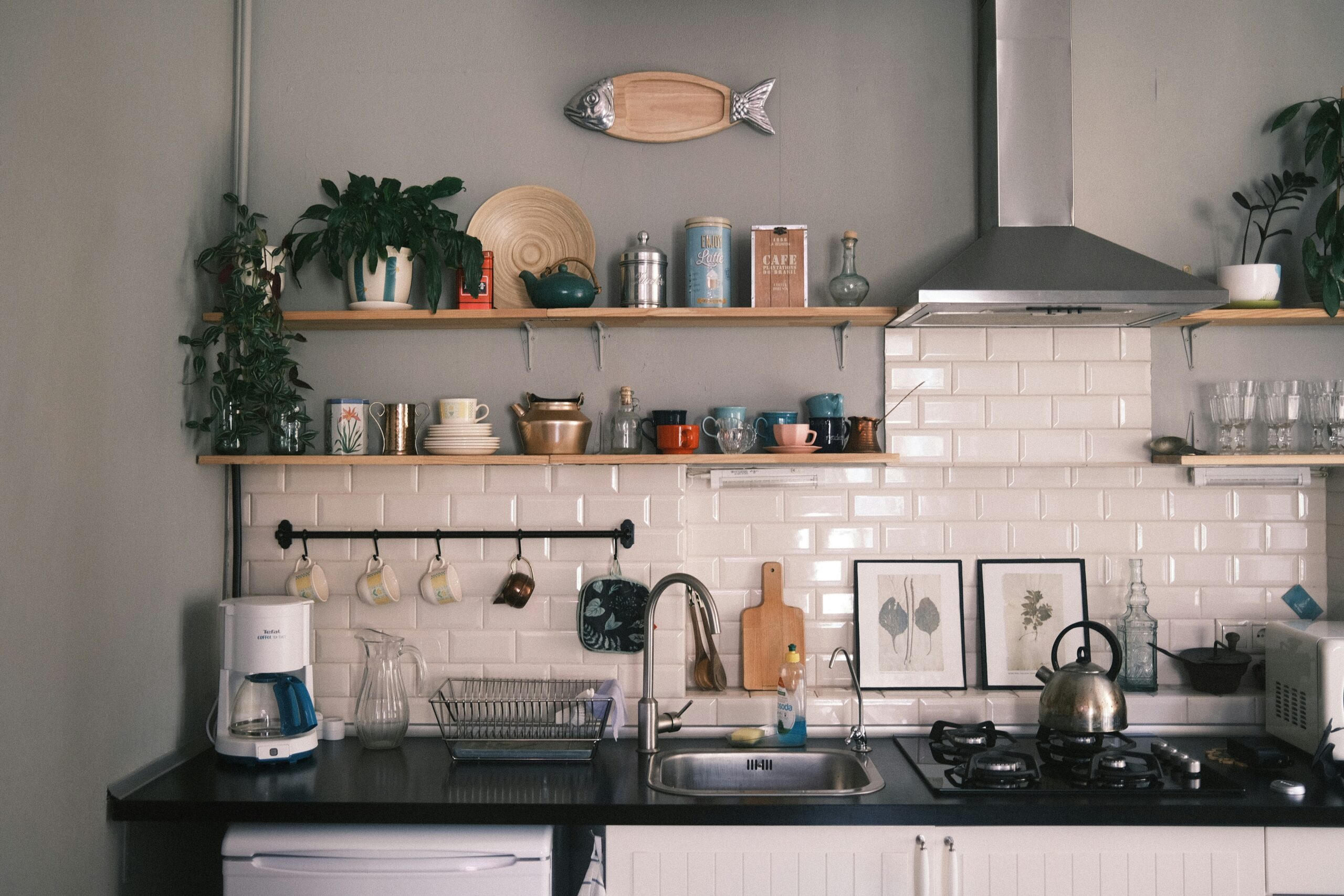
Open shelves can feel intimidating at first. Some people worry they will look messy, collect dust, or create more work. However, when you organize them intentionally, shelves can make a kitchen feel larger, brighter, and easier to use. In many homes, they also help you find items faster than traditional upper cabinets.
Over the years, I have found that successful kitchen shelving is less about decoration and more about creating a system. Once you understand where shelves work best and how to organize them, they become one of the most useful storage tools in the kitchen.
Why More Homeowners Are Choosing Shelves Instead of Cabinets
Open shelving has become popular for practical reasons. Unlike upper cabinets, shelves keep everyday items visible. You spend less time opening doors and searching for dishes, glasses, or ingredients. Shelves can also make smaller kitchens feel more open because they reduce visual bulk on the walls.
That said, shelves work best when you store frequently used items on them. If you rarely use certain dishes or appliances, cabinets may still be the better option.
Also read: Kitchen Organization Ideas That Make Everyday Cooking Feel Easier
The Best Places to Install Kitchen Shelves
Before organizing shelves, it helps to understand where they provide the most value.
Above the Countertop
This is usually the most practical location. Items remain within easy reach while cooking, preparing meals, or cleaning up.
Around Windows
Shelves near windows can provide storage without blocking natural light when installed thoughtfully.
Beside the Refrigerator
Many kitchens have narrow unused wall sections next to refrigerators. Slim shelves can turn these awkward spaces into useful storage zones.
Above Coffee Stations
If you have a dedicated coffee or tea area, shelves can keep mugs, coffee supplies, and accessories organized in one place.
Here are a few shelving ideas you should follow.
1. Store Everyday Dishes on the Lowest Shelves
The lowest shelf should hold the items you use most often. For many households, this includes:
- Dinner plates
- Bowls
- Everyday glasses
- Coffee mugs
When frequently used items remain easy to reach, daily kitchen tasks require less effort. I always recommend designing shelves around habits rather than appearance.
2. Group Similar Items Together
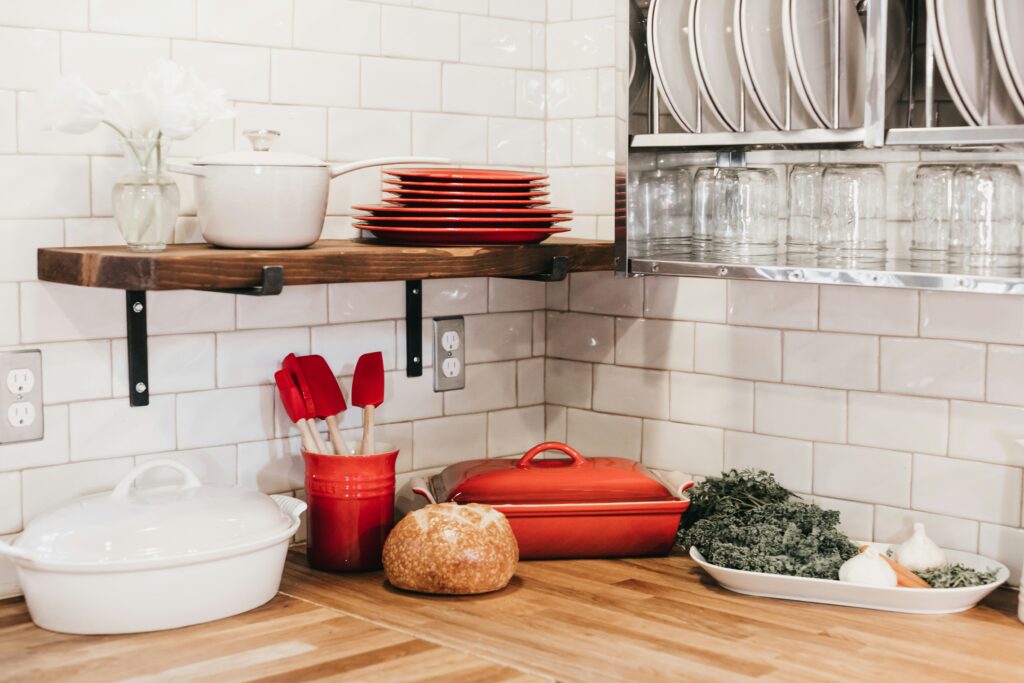
One of the most effective kitchen shelf organization ideas is creating zones.
For example:
- Baking supplies together
- Coffee supplies together
- Dinnerware together
- Glassware together
Your brain naturally remembers categories. This makes it easier to find items and return them to the correct location.
3. Use Clear Containers for Pantry Staples
Shelves often look cluttered when food packaging varies in size and color.
Consider transferring:
- Rice
- Pasta
- Flour
- Sugar
- Lentils
into matching clear containers.
This creates a cleaner appearance while allowing you to quickly see inventory levels.
Also read: 15 Pantry Organization Hacks That Actually Work
4. Add Shelf Risers for Vertical Storage
Many shelves waste valuable vertical space. Shelf risers create a second level without requiring renovations. They work particularly well for:
- Plates
- Small bowls
- Mugs
- Pantry items
This simple accessory often doubles usable storage space.
5. Create a Dedicated Coffee or Tea Shelf
Coffee supplies tend to spread throughout the kitchen. Instead, dedicate one shelf to:
- Mugs
- Coffee beans
- Tea bags
- Sweeteners
- French presses or pour-over equipment
This small organizational change can make busy mornings feel smoother.
6. Keep Decorative Pieces Functional
Kitchen shelf decor should earn its space whenever possible. Instead of filling shelves with purely decorative objects, consider:
- Wooden cutting boards
- Ceramic bowls
- Attractive storage jars
- Small herb planters
These items contribute to the overall look while remaining useful. This approach creates balanced kitchen shelf styling without sacrificing storage.
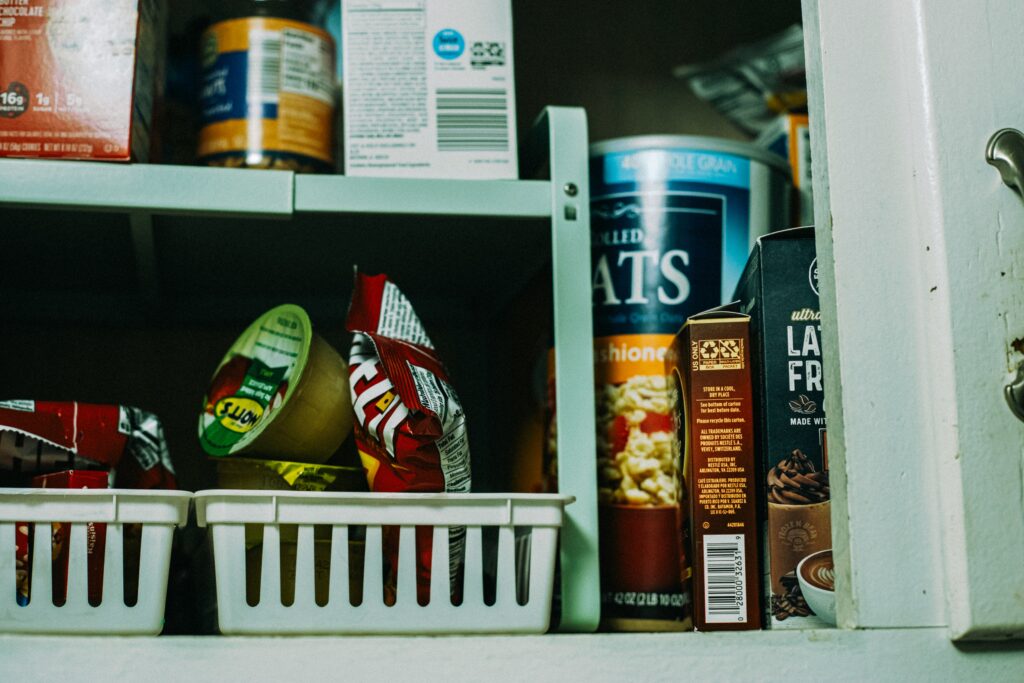
7. Use Baskets to Contain Smaller Items
Loose items often create visual clutter. Small baskets work well for:
- Snack packets
- Tea supplies
- Cleaning cloths
- Miscellaneous kitchen tools
When everything has a container, shelves look more intentional and organized.
8. Place Heavier Items Lower
Safety should always influence shelf organization. Store heavier items such as:
- Large mixing bowls
- Dutch ovens
- Heavy serving dishes
on lower shelves.
This reduces strain and lowers the risk of accidents.
9. Leave Some Empty Space
One common mistake is filling every inch of shelving. Empty space actually improves both function and appearance. When shelves have breathing room:
- Items are easier to access
- Cleaning becomes simpler
- The kitchen feels less crowded
Many beautiful kitchen shelf decor ideas rely on restraint rather than abundance.
10. Rotate Seasonal Items
You do not need every kitchen item visible all year. Store holiday serving dishes, seasonal mugs, and specialty cookware elsewhere when not in use. This keeps shelves focused on daily life rather than occasional events.
11. Use Matching Storage Pieces
Matching containers create visual order. You do not need expensive organizers.
Simple matching:
- Glass jars
- Storage bins
- Labels
- Baskets
can make shelves feel more cohesive and intentional.
12. Clean Shelves During Weekly Kitchen Maintenance
Open shelves collect some dust and grease over time. A quick weekly wipe prevents buildup. I find that spending five minutes each week saves much more time later. Small maintenance habits usually outperform occasional deep-cleaning marathons.
13. Style Shelves Using the 80/20 Rule
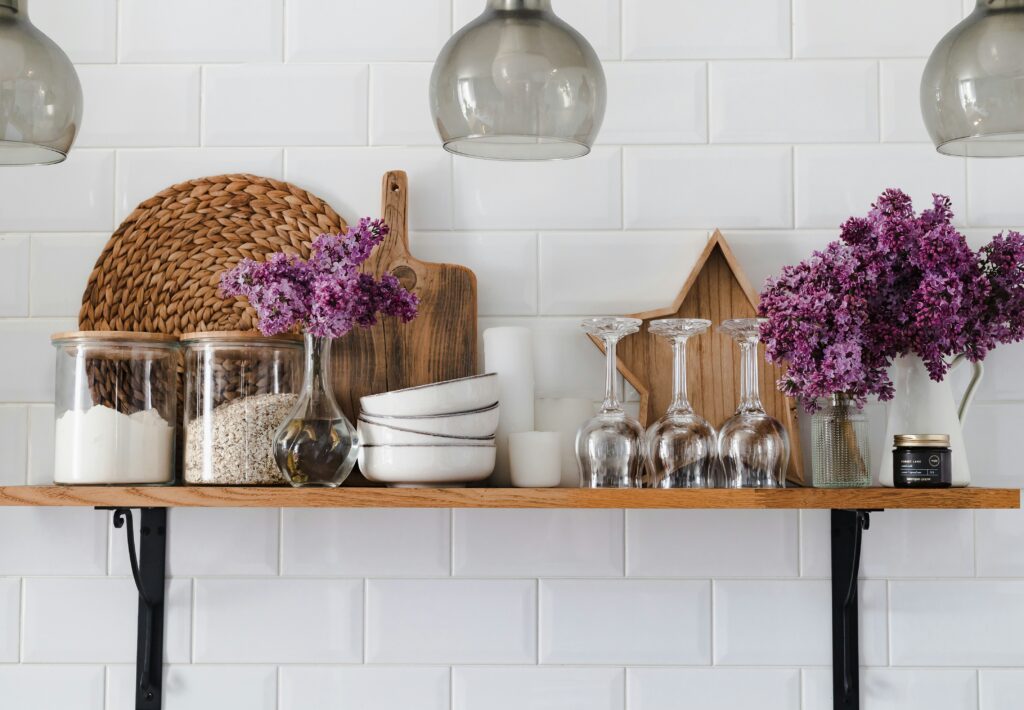
A useful guideline is keeping shelves approximately:
- 80% functional items
- 20% decorative accents
For example:
- Plates
- Bowls
- Glass jars
- Cutting boards
plus one small plant or decorative object. This keeps shelves practical while still contributing to your kitchen’s overall design.
Helpful Organizers That Make Shelving Easier
If you plan to upgrade your storage system, consider adding:
- Shelf risers
- Under-shelf baskets
- Clear pantry containers
- Lazy Susans
- Storage baskets
- Label makers
- Stackable organizers
These accessories solve specific storage problems and can easily fit into future affiliate recommendations.
A Small Trick That Makes Shelves Look More Expensive
Try placing similar materials together. For example, group wooden cutting boards in one area and white ceramic dishes in another. This creates visual consistency that often feels more polished without requiring new purchases.
One Thing to Avoid
Do not turn every shelf into a display shelf. When too many decorative objects compete with functional items, daily cooking becomes less convenient. A kitchen should still work efficiently, even when it looks beautiful.
My Approach to Open Shelving
If I had to choose one principle, I would prioritize accessibility over decoration.
The most attractive shelves are usually the ones that support daily routines naturally. When you can reach what you need quickly and return it easily, the kitchen tends to stay organized with far less effort.
These kitchen shelving ideas focus on creating a balance between storage, accessibility, and style. By organizing shelves around daily habits, using simple organizers, and leaving room for both function and beauty, you can create a kitchen that feels more open and easier to maintain. Start with one shelf at a time, adjust the system as you use it, and let the organization grow naturally from there.
Featured image credit: Photo by Christina Radevich on Unsplash
Leave a Reply