
Starting a garden feels exciting until you kill your first plant. Trust me, we have all been there. The good news is that gardening for beginners does not have to be complicated or discouraging. The secret is simply starting with the right vegetables. Once you grow something successfully, everything changes. You get hooked. You want more. So let us start you off on the right foot with ten vegetables that are forgiving, rewarding, and genuinely fun to grow. These are ranked from the easiest to the slightly more involved, so you can build confidence as you go.
Why Your First Vegetable Choice Matters More Than You Think
Most beginner gardeners fail not because they lack a green thumb but because they start with the wrong plants. Peppers and melons are gorgeous but finicky. Meanwhile, some vegetables practically grow themselves. Whether you are working with a backyard bed, a sunny balcony, or even just a windowsill, there are perfect vegetables to plant for every situation. Let us dive in.
1. Radishes: The 30-Day Miracle
If you have never grown anything before, start here. Radishes go from seed to harvest in as little as 25 to 30 days. They are one of the best vegetables to grow indoors or outdoors, in raised beds, or even in pots. Sow them directly into the soil about half an inch deep and an inch apart. They love cool weather, so spring and fall are ideal. Water them consistently but lightly. They need full sun but can tolerate partial shade. Since they grow so quickly, you get instant gratification, which is exactly what beginners need. They also work beautifully as companion plants. Try planting radishes together with carrots. Radishes break up the soil as they grow, making it easier for carrot roots to push through. Use kitchen scraps like coffee grounds or vegetable peels in a simple compost pile to feed your soil. Radishes are cheap to buy as seeds and give you multiple harvests per season.
2. Lettuce: Snip and It Grows Back
Lettuce is one of the most rewarding vegetables to grow at home because you can harvest it over and over again. Cut the outer leaves and the plant keeps producing. This is called cut-and-come-again harvesting, and it stretches one plant into weeks of salad greens. Lettuce thrives in cool weather, making it a great spring or fall crop. It is also one of the top vegetables to grow in pots, which makes it ideal if you have limited space. Use a container at least 6 inches deep and place it in a spot with 4 to 6 hours of sunlight. Water it gently and frequently because lettuce roots are shallow. Hot weather makes it bolt, meaning it goes bitter and flowers, so keep it in partial shade during summer. Pair it with radishes or herbs like basil for a productive small container. Buying one seed packet for a few dollars will keep you in salads for an entire season.
3. Green Onions (Scallions): Grow Them From Scraps
Here is a money-saving tip that feels almost like a magic trick. You can re-grow green onions from the roots of ones you buy at the grocery store. Just place the white root end in a small glass of water on a sunny windowsill and watch them shoot up in days. This makes them one of the best vegetables to grow indoors without spending a single extra dollar. They need bright light, minimal watering, and almost no care. Once you are ready to move them outdoors, plant them in a pot or raised bed in spring. They prefer well-drained soil and full sun. Green onions do not take up much space, so plant them alongside tomatoes or peppers. They are light feeders, meaning you do not need to fertilize much. A sprinkle of compost when planting is usually enough to keep them happy all season.
4. Zucchini: One Plant Feeds a Family
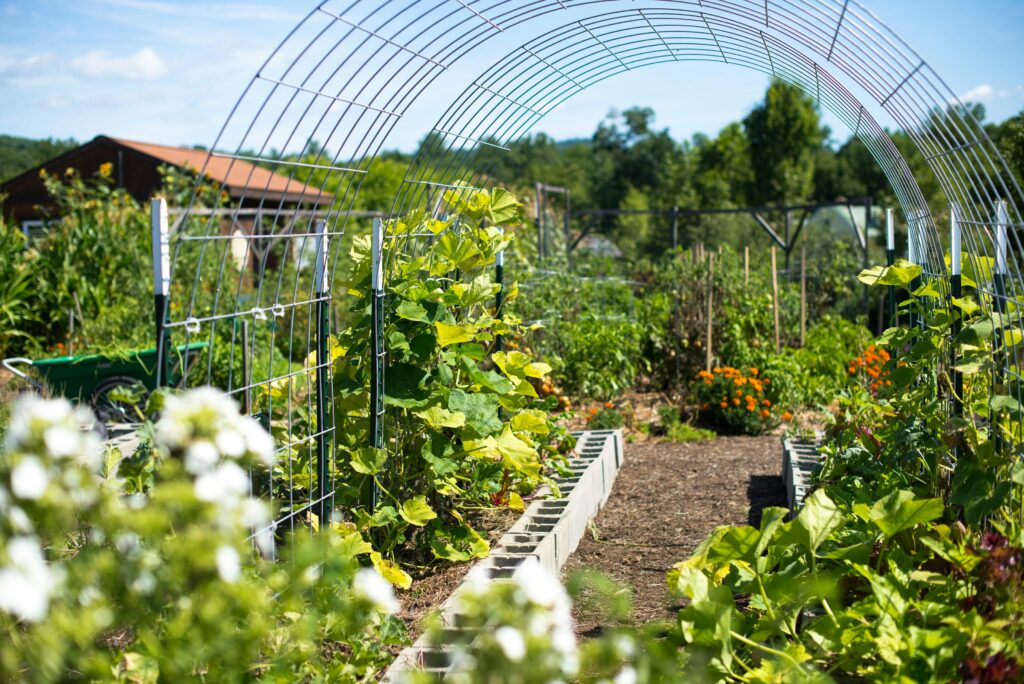
Zucchini is famously productive. One or two plants can produce more squash than a family of four can eat. It is a warm-season crop, so plant it after the last frost in spring. It needs full sun (at least 6 to 8 hours) and regular watering at the base of the plant, not the leaves. Wet leaves invite disease. Zucchini grows large, so it is better suited to raised beds or garden ground than small pots. However, there are compact bush varieties like Patio Star that work in bigger containers. A key tip: harvest zucchini when it is small, around 6 to 8 inches. Left too long, it becomes woody and flavorless. Feed the soil with compost before planting and you will need very little additional fertilizer. Zucchini grows so easily that many gardeners joke about leaving bags of it on neighbors’ porches because they have too much.
5. Bush Beans: No Staking, No Fuss
Bush beans are one of the top vegetables to plant for beginners because they require almost no support and very little maintenance. Unlike pole beans, which need a trellis, bush beans are compact and self-supporting. Sow seeds directly into warm soil after the last frost, about an inch deep and 3 inches apart. They love full sun and need consistent watering, especially once pods start forming. As a bonus, beans are nitrogen-fixing plants. This means they actually improve your soil by pulling nitrogen from the air and releasing it into the ground. This makes them excellent vegetables to plant together with heavy feeders like corn or squash. The classic “Three Sisters” method, where Native American farmers planted corn, beans, and squash together, still works beautifully today. Beans are also one of the cheapest crops to grow and produce abundantly. Harvest them frequently to keep the plant producing.
6. Cherry Tomatoes: Beginner-Friendly and Endlessly Rewarding
Full-size tomatoes can be tricky, but cherry tomatoes are far more forgiving. Varieties like Sungold, Sweet Million, or Black Cherry are productive even in less-than-perfect conditions. They are among the best vegetables to grow in pots as long as you use a large container, at least 12 to 14 inches deep, and give them a cage or stake for support. Plant them in spring after all frost risk is gone. They need a minimum of 6 to 8 hours of direct sun. Water deeply and consistently, because irregular watering causes problems like blossom end rot and cracking. Mulch around the base to retain moisture. Feed with a balanced fertilizer or rich compost every few weeks. Cherry tomatoes also do well alongside basil, which many gardeners believe improves their flavor and deters pests. When your first cluster of tomatoes ripens, it genuinely feels like an achievement.
7. Spinach: Cool-Season Powerhouse
Spinach is one of those vegetables that seems intimidating but is actually very manageable. It is a cool-season crop, which means it grows best in spring and fall. It bolts quickly in summer heat, so timing matters. Plant seeds directly in the ground or a pot about half an inch deep. Spinach is great for raised beds because the loose, well-drained soil helps it thrive. It only needs about 3 to 4 hours of sun, making it one of the few vegetables to grow in partially shaded spots. Water it regularly but do not overdo it. Soggy soil leads to root rot. Like lettuce, you can harvest outer leaves and let the plant continue growing. Pair spinach with strawberries or garlic, as they are good companions in the garden. Rich, compost-amended soil makes a huge difference in flavor and yield, so add organic matter before planting.
8. Cucumbers: Fast and Versatile
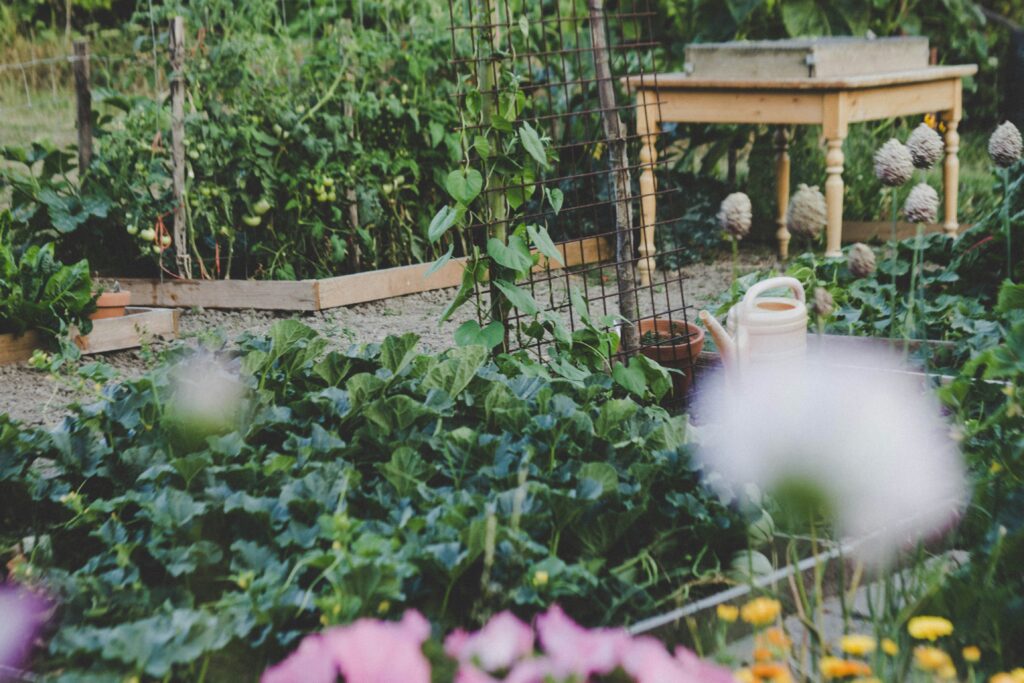
Cucumbers grow quickly once the weather warms up and they are one of the most satisfying vegetables to grow at home because the harvest feels almost daily once they get going. They love heat and full sun. Plant seeds or seedlings outdoors after the last frost. Cucumbers are excellent vegetables to grow in raised beds, where the soil warms faster. They also grow well in large pots with a trellis or cage. Growing them vertically saves space and keeps fruit clean and straight. Water cucumbers deeply and consistently because they are about 95 percent water themselves. Inconsistent watering causes bitterness. According to Gardeners’ World, cucumbers grow best when trained up a support in a warm, sheltered spot with rich, moisture-retentive soil. A great companion pairing is cucumbers with dill or beans, which can repel harmful insects naturally.
9. Kale: Tough, Nutritious, and Long-Lasting
Kale has a reputation as a superfood, but its real superpower is how tough it is. It can handle light frost, making it one of the few vegetables you can grow well into late fall and even winter in mild climates. Kale prefers cool weather but tolerates heat better than spinach or lettuce. Plant it in early spring or late summer for a fall harvest. It needs at least 6 hours of sun and regular watering. It does well in containers, raised beds, or traditional garden rows. Kale is a heavy feeder, so enrich your soil generously with compost before planting. Add a layer of mulch to keep moisture in and weeds out. Harvest the lower, outer leaves first and leave the center to keep growing. One kale plant can produce for months. Pair it with herbs like dill or flowers like nasturtiums to attract beneficial insects.
10. Carrots: A Little Patience Goes a Long Way
Carrots are slightly more demanding, but they are absolutely achievable for a motivated beginner. The biggest challenge is soil. Carrots need loose, deep, stone-free soil to grow long and straight. This is why they are among the best vegetables to grow in raised beds, where you have complete control over soil quality. Sow seeds directly into the ground in early spring or fall, as they dislike being transplanted. Thin the seedlings to about 2 inches apart once they sprout, which is a step many beginners skip and then wonder why their carrots are small. Water consistently to keep the soil evenly moist. They need full sun and take about 70 to 80 days to mature, so patience is key. The reward, however, is a homegrown carrot that tastes nothing like what you find in a supermarket. Interplant them with onions, which are said to confuse carrot flies and reduce pest damage naturally.
Also read: 20 Foods To Grow in 5 Gallon Buckets (No Yard? No Problem!)
A Few Final Tips Before You Start
Always start small. One or two raised beds or a handful of pots is enough. Grow what you will actually eat. Invest in good compost, because healthy soil is the single biggest factor in a successful garden. Water in the morning so leaves dry during the day, which prevents disease. And do not be hard on yourself when something does not work. Every gardener, no matter how experienced, loses plants. The goal is to enjoy the process and eat something you grew yourself. That feeling never gets old.
Happy planting!
Leave a Reply