
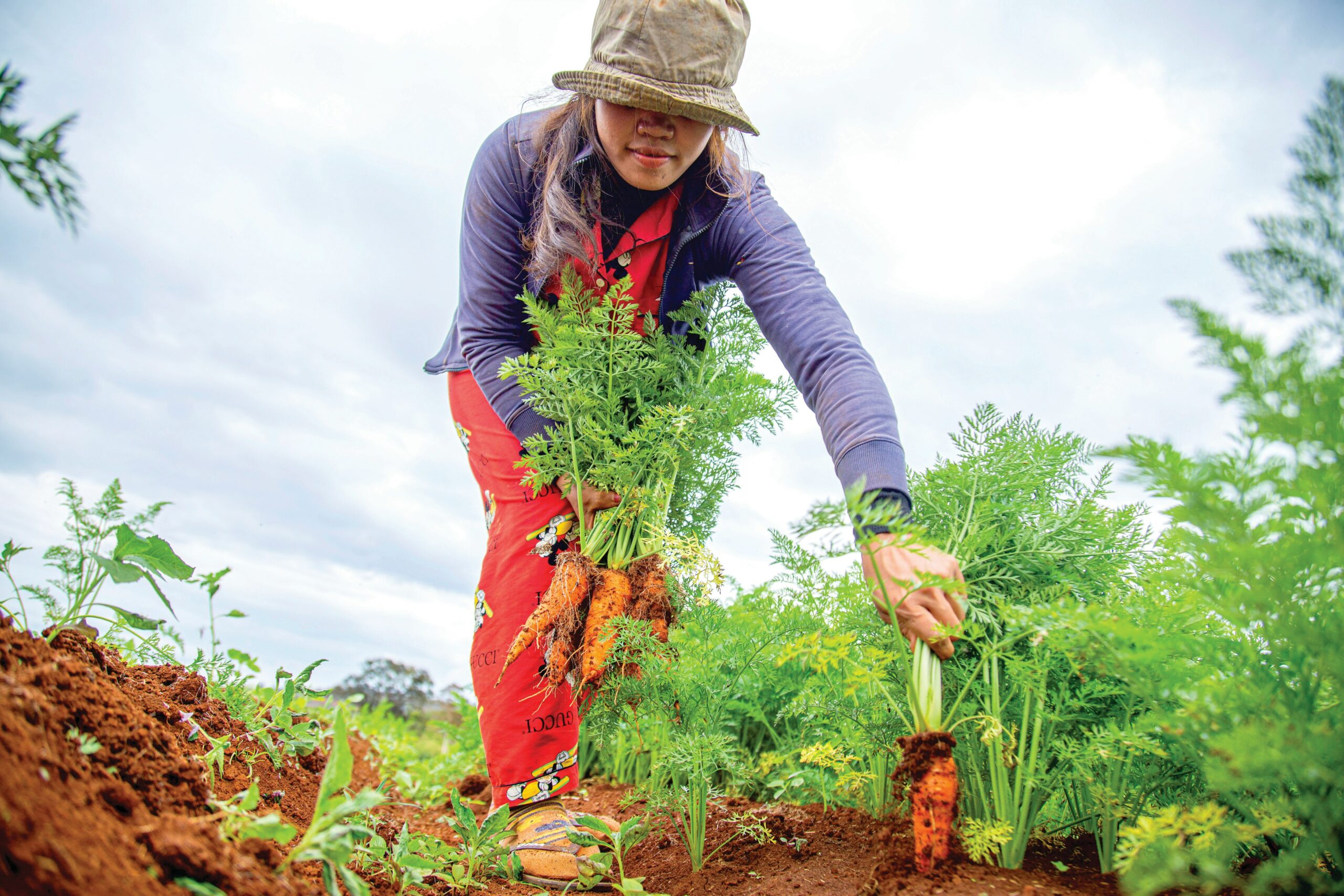
Planting at the wrong time is one of the easiest mistakes to make in a garden. You buy healthy seedlings, prepare the soil, water regularly, and still end up wondering why nothing seems to grow well. If you’ve ever asked yourself why your tomatoes stayed tiny, your lettuce bolted too quickly, or your flowers never bloomed the way you expected, timing could be the missing piece.
The good news is that gardening becomes much easier when you work with the seasons instead of against them. Every month offers new opportunities to grow vegetables, fruits, herbs, and flowers that naturally enjoy the weather at that time. Rather than trying to force plants to survive, you can give them the conditions they already prefer.
I learned this after several seasons of planting whatever looked interesting at the garden center. Once I started following a simple planting calendar, I noticed stronger plants, fewer pest problems, and much better harvests. You do not need a large backyard or years of experience to see the same results. A simple notebook, a planting calendar, and a few basic gardening tools can help you stay organized throughout the year.
Let’s go month by month so you always know what to plant next.
Plants to Grow in January
January may seem like a quiet month, but it is actually one of the best times to prepare for the growing season, especially in mild climates or if you start seeds indoors. Cool-weather vegetables such as spinach, lettuce, kale, onions, peas, and radishes perform well during this period. Herbs like parsley and chives also establish nicely in cool temperatures. If you enjoy flowers, pansies, sweet peas, and snapdragons appreciate the cooler weather and reward you with colorful blooms later.
For fruit lovers, January is an excellent time to plant bare-root strawberries, blueberries, raspberries, and fruit trees in many regions while they remain dormant. These plants spend the following weeks developing strong root systems before active growth begins.
Most leafy vegetables planted in January mature within 30 to 70 days, while peas often produce their first harvest after about 60 days. Strawberries usually begin producing fruit in spring, while newly planted fruit trees focus on root development during their first year.
If your outdoor temperatures remain below freezing, use inexpensive seed trays with humidity domes or a simple grow light indoors. Starting seeds early gives your plants a strong head start once warmer weather arrives.
Plants to Grow in February
February often feels like the beginning of the gardening year. Days gradually become longer, and many plants respond quickly to the extra sunlight. Cool-season vegetables such as broccoli, cabbage, cauliflower, carrots, beets, Swiss chard, and spinach thrive when planted now. Herbs including cilantro, dill, and parsley also perform well before the heat of summer arrives.
Flower gardeners can begin planting calendula, dianthus, violas, and larkspur outdoors in suitable climates or start summer flowers indoors. Fruit growers can continue planting strawberries while also preparing raspberry canes and dormant fruit trees if the ground is workable.
Broccoli, cabbage, and cauliflower generally reach maturity within 70 to 100 days. Carrots require around two to three months, depending on the variety. Herbs can often be harvested lightly within six to eight weeks after sowing.
One mistake I made early on was planting everything at once. Now I sow carrots and lettuce every two weeks instead. This simple succession planting method gives me fresh harvests over a much longer period instead of one large harvest all at once.
A seedling heat mat is an affordable tool that speeds up germination for many vegetables while improving overall success rates.
Plants to Grow in March
March marks the beginning of rapid garden activity across many regions. Soil temperatures rise, making it easier for seeds to germinate and roots to establish quickly. This is an ideal month for potatoes, carrots, lettuce, peas, onions, beets, turnips, and early varieties of tomatoes if your frost risk has passed or you use protective covers.
You can also sow basil, oregano, thyme, and sage indoors or outdoors depending on your climate. These herbs grow steadily as temperatures continue to warm.
Flower beds benefit from planting marigolds, calendula, cosmos, bachelor’s buttons, and zinnias in warmer regions. These flowers not only brighten the garden but also attract pollinators that later help fruiting vegetables produce better harvests.
March is also suitable for planting grapes, blackberries, and additional strawberry plants in many climates.
Potatoes generally mature in 90 to 120 days, while lettuce may be ready in as little as 40 days. Tomatoes transplanted now often begin producing fruit during early summer.
If unexpected frost appears, lightweight frost cloths or floating row covers can protect young seedlings without requiring expensive equipment.
Plants to Grow in April
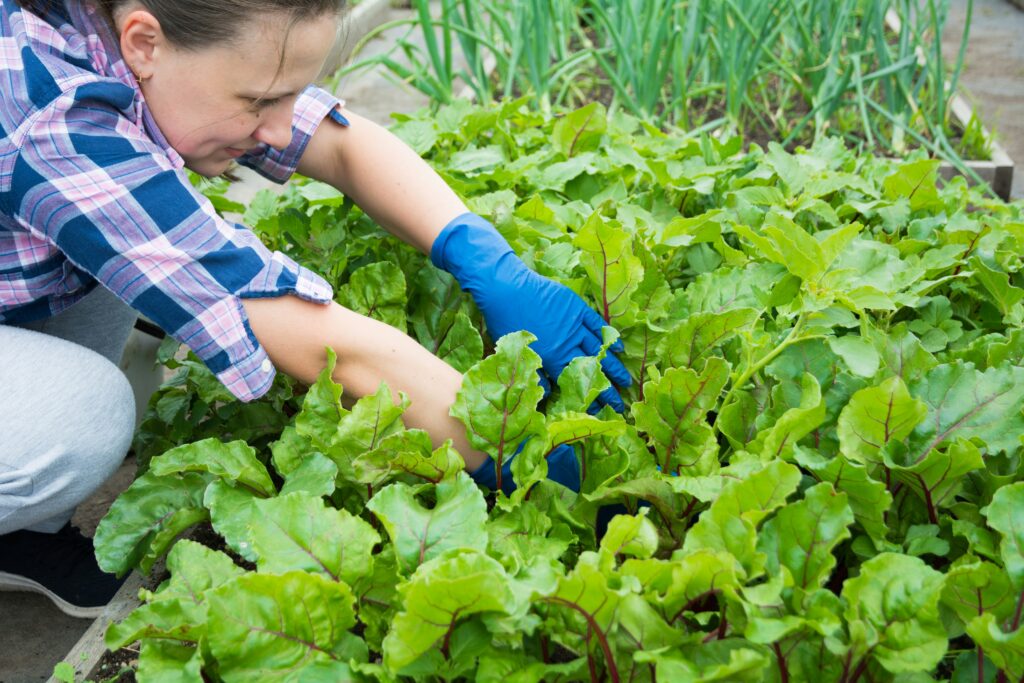
April brings steady warmth to many gardens, making it one of the busiest planting months of the year. Warm-season vegetables finally begin to take over. Tomatoes, peppers, cucumbers, zucchini, squash, beans, corn, and eggplants all appreciate warmer soil and longer days. This is also an excellent time to direct sow pumpkins if you have enough growing space.
Herbs such as basil, rosemary, lemon balm, mint, and oregano grow rapidly during April. If you plan to grow mint, place it in a separate container because it spreads aggressively and can quickly take over nearby garden beds.
Flower gardeners can safely plant sunflowers, nasturtiums, cosmos, petunias, and salvia after the danger of frost has passed. These flowers support pollinators while adding color throughout summer.
April is also suitable for planting melons in warmer regions. Watermelon and cantaloupe require plenty of sunshine and typically mature within 80 to 100 days. Tomatoes usually begin producing fruit 60 to 90 days after transplanting, while beans often provide harvests in just two months.
One habit that improved my garden dramatically was installing inexpensive soaker hoses instead of watering by hand every day. They deliver moisture directly to the soil, reduce evaporation, and help prevent fungal diseases caused by wet leaves.
A simple tomato cage or sturdy bamboo stakes installed immediately after planting saves a surprising amount of work later. Waiting until plants become large often damages their roots during installation.
Plants to Grow in May
By May, the garden begins to feel full of energy. Soil temperatures remain consistently warm in many areas, making it the perfect time to grow heat-loving crops that struggled earlier in the year. Tomatoes, peppers, cucumbers, squash, pumpkins, sweet corn, okra, beans, eggplants, and melons all establish quickly now. Their roots expand faster in warm soil, which often leads to healthier plants and better yields later in summer.
Fresh herbs such as basil, dill, Thai basil, oregano, rosemary, and lemon verbena also enjoy May’s conditions. You can harvest many herbs repeatedly throughout the season by trimming only the top few inches instead of cutting the entire plant.
Flower beds come alive with zinnias, cosmos, marigolds, celosia, sunflowers, and blanket flowers. These not only brighten your garden but also attract bees, butterflies, and other pollinators that improve fruit production on vegetables like cucumbers, pumpkins, and squash.
May is also a suitable month for planting figs, citrus trees, and container-grown berry bushes in many climates. Warm soil encourages quicker root development before the hottest part of summer arrives.
Most beans mature within 50 to 60 days, cucumbers usually produce within 55 to 70 days, and zucchini often surprises gardeners with harvests only 45 to 60 days after planting. Melons require more patience and generally mature in 80 to 100 days.
One affordable addition I now recommend is a layer of organic mulch, such as straw or shredded leaves. Mulch keeps the soil cooler, reduces weeds, and helps retain moisture during increasingly warm weather.
Plants to Grow in June
June usually brings long, sunny days and steady warmth, giving heat-loving plants exactly what they need. If you still have space in your garden, you can continue planting cucumbers, bush beans, pole beans, squash, zucchini, okra, sweet corn, pumpkins, and heat-tolerant tomatoes. Herbs such as basil, rosemary, thyme, oregano, and sage continue to thrive, while flowers like zinnias, marigolds, cosmos, and sunflowers provide steady color and attract beneficial insects.
If you enjoy growing fruit, June is an excellent month to establish container-grown blueberries, dwarf citrus trees, or everbearing strawberries if your climate allows. While newly planted fruit bushes may not produce heavily during their first year, they spend the season building strong roots that reward you with larger harvests later.
Bush beans planted in June often begin producing within two months, while cucumbers and zucchini usually provide continuous harvests throughout summer if you pick them regularly. Pumpkins need around 90 to 120 days, making June an ideal planting month for an autumn harvest.
One lesson I learned the hard way is that plants grow much faster in June than you expect. If you wait until vines begin spreading before installing supports, they quickly become tangled. Simple metal trellises or sturdy garden netting help cucumbers, pole beans, and smaller melons grow upward, improving airflow and making harvesting much easier.
Plants to Grow in July
Many gardeners assume July is too late to plant anything, but that is rarely true. While it may be too late for some long-season crops, there are still plenty of vegetables, herbs, flowers, and fruits that perform well when planted now.
Bush beans, carrots, beets, radishes, Swiss chard, kale, lettuce varieties that tolerate heat, and turnips all make excellent choices. If your summers are especially hot, provide afternoon shade for leafy vegetables to reduce stress and delay bolting.
Herbs such as basil, parsley, cilantro in cooler regions, dill, and chives continue growing well. You can also sow another batch of basil now to enjoy fresh leaves until frost.
Flowers including cosmos, marigolds, zinnias, calendula, and nasturtiums still establish quickly and provide color well into autumn. Many of these flowers also attract pollinators while discouraging certain garden pests.
July is a suitable time to plant everbearing strawberries in containers or prepare the ground for future berry beds. In some regions, you can also plant fast-growing dwarf melon varieties that mature before autumn.
Most carrots planted now mature within 70 to 80 days, while radishes may be ready in less than a month. Bush beans usually begin producing in around 55 days, giving you another fresh harvest before cooler weather returns.
A moisture meter becomes especially useful during July because high temperatures often trick gardeners into watering more than necessary. I have found that checking the soil before watering prevents many problems, including root rot and fungal diseases.
Plants to Grow in August
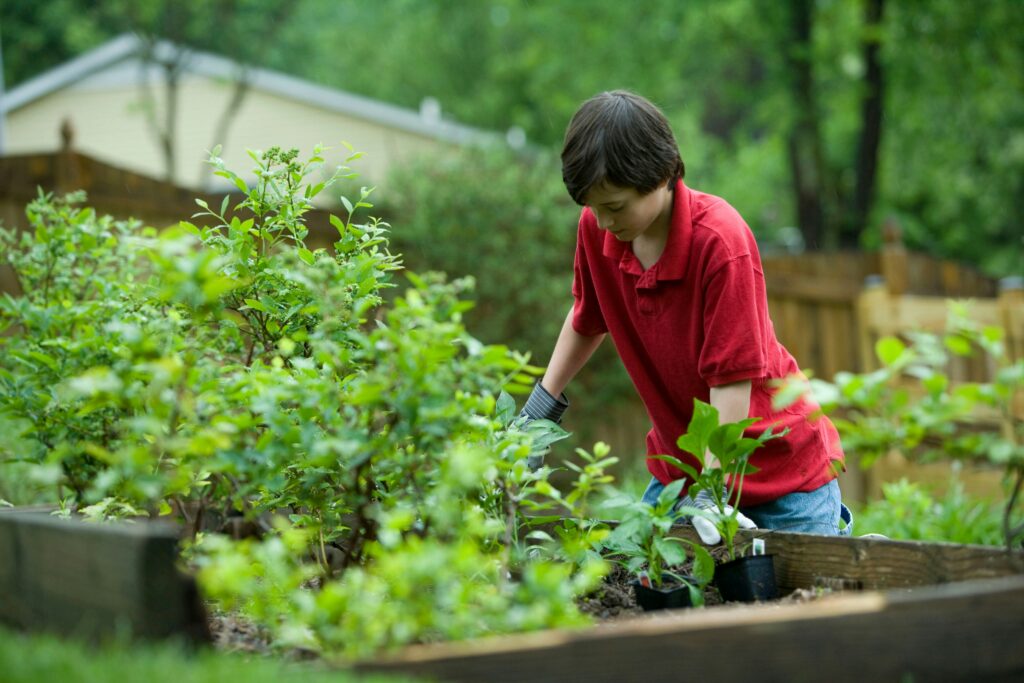
August often marks the beginning of the fall gardening season, even though the weather may still feel like summer. As days slowly become shorter, many cool-season vegetables can begin their second growing cycle.
Broccoli, cabbage, cauliflower, kale, spinach, lettuce, carrots, beets, radishes, peas, and turnips all perform well when planted during late summer. Their growth improves as temperatures gradually cool, and many actually develop sweeter flavors after experiencing light frosts.
Parsley, cilantro, dill, and chives also appreciate cooler evenings that arrive later in the month. These herbs often produce healthier foliage than spring plantings because they are less likely to bolt quickly.
Flowers such as pansies, violas, calendula, dianthus, and snapdragons can also be started in many regions for colorful autumn and spring displays.
If you grow strawberries, August is one of the best months to establish new beds in many climates. Young plants spend autumn producing strong root systems before rewarding you with fruit the following spring.
Broccoli generally requires around 80 days before harvest, while spinach may be ready in as little as 40 days. Radishes remain one of the fastest vegetables, often maturing within four weeks.
One simple habit that has helped my late-summer plantings succeed is soaking the soil deeply before sowing seeds instead of watering lightly every day afterward. Seeds germinate much more evenly when moisture reaches several inches below the surface.
Plants to Grow in September
September offers some of the most comfortable gardening weather of the year. Cooler temperatures reduce plant stress while still providing enough warmth for steady growth. This makes it one of my favorite months to garden.
Leafy vegetables dominate September planting. Lettuce, spinach, kale, Swiss chard, mustard greens, arugula, carrots, beets, radishes, onions, and garlic all establish well. Garlic deserves special attention because planting it now allows bulbs to develop throughout winter for harvesting the following summer.
Herbs such as parsley, cilantro, dill, and chives also flourish during cooler weather. If protected from frost, many continue producing fresh leaves well into winter.
Flower gardeners can sow sweet peas, pansies, violas, calendula, and ornamental cabbage for attractive winter displays in mild climates.
Fruit growers should also begin preparing for planting bare-root fruit trees, berry bushes, and grapevines during the coming dormant season.
Lettuce planted in September may be ready within five to seven weeks, while garlic requires patience and typically reaches harvest between late spring and early summer.
A simple row cover becomes especially valuable this month because it protects young seedlings from unexpected early frosts while still allowing sunlight and rain to reach the plants.
Plants to Grow in October
October feels like a transition month. Many summer crops are ending, but cool-season vegetables begin taking over. It is an excellent time to grow spinach, lettuce, kale, carrots, onions, garlic, peas in mild climates, and broad beans.
Parsley, cilantro, thyme, and sage also continue producing fresh growth during cool weather. Many gardeners overlook herbs at this time of year, but several actually perform better than they do during intense summer heat.
Spring-flowering bulbs such as tulips, daffodils, hyacinths, crocuses, and alliums should also go into the ground now. Planting them in autumn gives them the cold period they need to bloom beautifully the following spring.
October is one of the best months to plant dormant fruit trees and berry bushes because cooler temperatures reduce transplant shock while roots continue developing underground.
Garlic and onions planted now establish themselves before winter and reward you with much larger bulbs the following year.
One inexpensive soil thermometer helped me more than I expected. Rather than guessing when soil became too cold or warm for planting, I could make decisions based on actual temperatures.
Plants to Grow in November
Many people assume gardening ends in November, but there is still plenty to do. Garlic, onions, broad beans, spinach, kale, lettuce, and peas continue growing in regions with mild winters. If your winters are colder, simple cold frames or frost blankets allow you to extend the growing season significantly.
Herbs such as parsley, thyme, rosemary, and sage continue producing if protected from severe frost. These hardy herbs often become some of the easiest plants to maintain during cooler months.
November is also one of the best times to plant dormant fruit trees, blueberry bushes, raspberries, blackberries, and grapevines. Because the plants are dormant, they experience less transplant shock and can spend the winter establishing roots before putting on vigorous growth in spring.
Garlic planted now usually matures in late spring or early summer, while leafy greens often provide harvests throughout winter in milder climates. Fruit trees may take one to three years before producing meaningful harvests, but planting during dormancy gives them an excellent start.
One affordable tool worth considering this month is a thick layer of compost or bark mulch around newly planted trees and shrubs. Besides insulating the soil, mulch reduces temperature swings and helps retain moisture throughout winter.
Plants to Grow in December
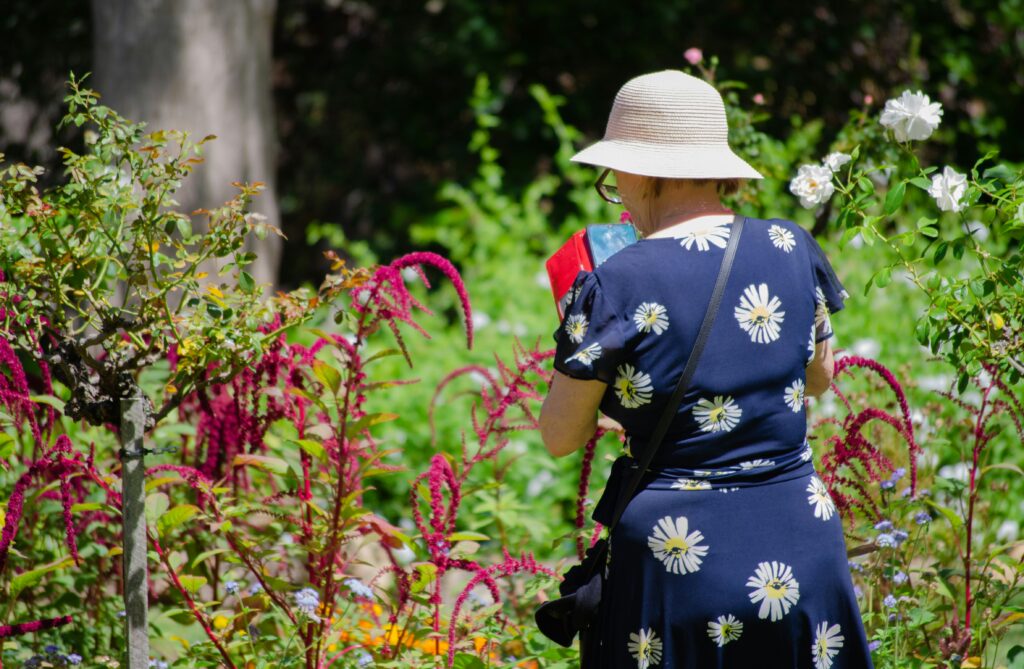
December may seem like the quietest gardening month, but it is an excellent time for planning, planting in suitable climates, and preparing for another productive year. In warmer regions, you can continue growing spinach, kale, lettuce, onions, garlic, peas, radishes, and carrots. Many of these vegetables actually develop sweeter flavors after exposure to cool temperatures because they naturally convert starch into sugars as protection against frost.
Hardy herbs like rosemary, thyme, sage, and parsley continue growing slowly through winter. If you keep them in containers, you can easily move them under shelter during unusually cold nights.
Dormant fruit trees, berry bushes, and grapevines can still be planted successfully this month. Since they are not actively growing, they settle into the soil without the stress that comes with transplanting during summer heat.
If you enjoy flowers, December is a good time to plant spring-flowering bulbs in areas where the ground has not frozen. Tulips, daffodils, hyacinths, crocuses, and alliums all benefit from the cold period before blooming.
December is also the perfect month to clean, sharpen, and organize your gardening tools. Spending one afternoon maintaining pruners, shovels, hand trowels, and watering equipment makes gardening much easier once spring arrives.
How to Build a Planting Schedule That Actually Works
A month-by-month guide becomes much more useful when you adapt it to your own garden. Instead of planting everything at once, create a simple planting calendar that matches your local climate.
Start by identifying your average last spring frost and first autumn frost. These two dates determine the length of your growing season and help you decide when to start seeds indoors, transplant seedlings, or sow seeds directly outside.
Next, divide your garden into cool-season and warm-season sections. Cool-season vegetables such as lettuce, peas, spinach, broccoli, and carrots grow best during spring and autumn. Warm-season vegetables such as tomatoes, peppers, cucumbers, squash, beans, and melons prefer consistently warm soil.
Finally, leave a little empty space. Early crops such as radishes, lettuce, and spinach finish long before tomatoes or pumpkins. Once those early vegetables are harvested, you can immediately plant another crop in the same location. This practice, known as succession planting, helps you harvest more food from the same garden without needing extra space.
I like keeping a simple garden journal instead of relying on memory. A notebook or printable garden planner lets you record planting dates, harvest times, weather patterns, and varieties that performed especially well. After one or two seasons, your own notes become more valuable than almost any generic planting calendar.
A Few Simple Tricks That Make Gardening Easier
One habit that has consistently improved my garden is planting a little every couple of weeks instead of sowing everything in one day. This creates a steady harvest rather than a sudden flood of vegetables that all ripen together.
Another helpful trick is grouping plants with similar watering needs. Tomatoes, peppers, and basil appreciate similar conditions, while herbs such as rosemary and lavender prefer drier soil. Keeping these plants together makes watering much simpler and reduces accidental overwatering.
I also recommend labeling every planting, even if you think you’ll remember. Waterproof plant labels or inexpensive wooden markers save a surprising amount of confusion several weeks later when young seedlings all begin to look alike.
Also read: 8 Gardening Hacks That Save Busy People Real Time and Money
A Few Mistakes That Can Undo Your Hard Work
One of the biggest mistakes I see is treating every planting calendar as universal. Your climate matters just as much as the month. If you live somewhere with very cold winters or tropical summers, adjust planting dates by several weeks rather than following the calendar exactly.
Another common mistake is planting too much at once. A smaller garden that you can water, weed, and harvest regularly almost always produces better results than a large garden that becomes difficult to manage.
Also read: 10 Beginner Gardening Mistakes That Are Quietly Killing Your Plants (And How to Fix Them)
One Thing Most Experienced Gardeners Agree On
Most experienced gardeners would agree that success comes from planting with the seasons instead of fighting them. While fertilizers, expensive tools, and special growing methods certainly help, healthy plants almost always begin with putting the right crop into the ground at the right time.
Research from university extension programs consistently shows that matching crops to seasonal temperatures improves germination, reduces pest pressure, and often increases harvest quality. For general planting calendars and regional guidance, the Old Farmer’s Almanac and your local agricultural extension service are two of the most reliable starting points.
Keep Your Garden Flexible
Even the best planting calendar has exceptions. An unusually warm spring or an early autumn frost can shift planting dates by several weeks. Rather than following the calendar rigidly, pay attention to your local weather, soil temperature, and the condition of your plants. Those observations will always be more valuable than the date printed on a calendar.
A Few Last Words
Knowing plants to grow in each month removes much of the guesswork from gardening. Instead of wondering what to plant next, you can work with the seasons, enjoy healthier vegetables, herbs, fruits, and flowers, and harvest more from the same space. Start with one month at a time, keep simple notes, and let each season teach you something new. By this time next year, you’ll have a planting routine that feels natural and produces a garden you can enjoy throughout the year.
Featured image credit: Photo by Ny Menghor on Unsplash
Leave a Reply