
So you want to grow your own food. Clean, honest, chemical-free food that you can trust. That decision alone puts you miles ahead of most people. And here is the truth nobody tells you upfront: organic gardening for beginners is not nearly as complicated as it looks on Pinterest. It just requires the right knowledge, a bit of patience, and a willingness to work with nature instead of against it.
I have been through the learning curve myself. I have killed basil. I have watched tomatoes split. I have stared at yellowing leaves wondering what went wrong. So consider this your honest, no-fluff guide from someone who has actually been in the dirt.
Why Organic Gardening Changes Everything
When you grow organically, you are not just skipping chemicals. You are building a living system. No synthetic fertilizers, no pesticides, no herbicides. Instead, you feed the soil, and the soil feeds your plants, and your plants feed you.
The benefits go beyond your plate. Organic farming protects groundwater, builds topsoil rather than destroying it, and supports birds, bees, and beneficial insects. Your organic garden becomes a small but real part of a healthier ecosystem.
Also, the flavor difference is real. A sun-warmed tomato from your own organic garden tastes nothing like a grocery store tomato. Once you taste it, you will never go back.
Step One: Pick Your Spot Wisely
Before you buy a single seed, look at your yard with fresh eyes. Most vegetables and fruits need at least six to eight hours of direct sunlight per day. This is non-negotiable for crops like tomatoes, peppers, cucumbers, and squash.
Good drainage matters just as much. Standing water invites root rot and disease. If your yard holds puddles after rain, consider building raised beds instead of planting directly in the ground. Raised beds give you control over soil quality right from the start. They also reduce weeds and are much easier on your knees.
If you are short on space, do not let that stop you. Containers on a patio or balcony work beautifully for herbs, cherry tomatoes, peppers, and lettuce. Fabric pots are especially good for containers because they allow better airflow to the roots.
Step Two: Build Your Soil Before Anything Else
This is where organic gardening truly begins. Healthy soil is not just dirt. It is a living community of microbes, fungi, earthworms, and nutrients that all work together to feed your plants.
Start by getting a simple soil test. You can find kits at your local garden center or through your county extension office for just a few dollars. The test tells you your soil pH and what nutrients it already has. Most vegetables prefer a pH between 6.0 and 7.0. This one step saves you a lot of guesswork later.
Then, amend your soil with compost. Compost is the backbone of organic gardening. It improves drainage in clay soils, helps sandy soils hold moisture, adds nutrients, and feeds beneficial microorganisms. Work two to three inches of finished compost into your planting beds before you plant anything.
No compost yet? Start a pile right now. Layer kitchen scraps like vegetable peels, coffee grounds, and eggshells with dry material like fallen leaves or torn cardboard. Turn the pile weekly with a pitchfork to speed things up. In three to six months, you will have rich, dark compost ready to use. If you are too busy for weekly turning, try trench composting. Simply dig a shallow trench in your garden bed and bury scraps directly in the soil. The ground does the work for you.
Another powerful organic soil builder is cover crops. Planting clover or winter rye in empty beds prevents erosion, suppresses weeds, and adds organic matter when tilled back in. The USDA calls these “green manure,” and they are one of the best-kept secrets in organic farming.
Step Three: Plan Your Organic Garden Layout
A smart organic garden layout makes everything easier. Rather than random planting, group plants by their needs and relationships. This is where the fun really begins.
Think in sections. Put tall crops like corn or sunflowers on the north side so they do not shade shorter plants. Place sprawling crops like squash on the edges where they have room to spread. Keep herbs like basil and mint near your kitchen so you reach for them daily.
For a beginner-friendly organic garden layout, raised beds of four feet wide are ideal. You can reach the center from both sides without stepping on the soil. Compacted soil loses its living structure, so keeping foot traffic out of the beds matters.
Plan your layout on paper before you plant. Mark where each crop will go and track it season to season. This makes crop rotation much simpler, which we will cover shortly.
For genuine inspiration on layout ideas, the team at The Old Farmer’s Almanac shares real garden plans with companion planting built in, including layouts used by real gardeners across different climates. It is worth a bookmark.
Also read: 8 Gardening Hacks That Save Busy People Real Time and Money
Step Four: Choose the Right Seeds and Plants
This step is critical for staying truly organic. Look for organic, untreated seeds whenever possible. The seed packet should say so. Many commercially sold transplants have been grown in synthetic chemical environments, so either buy certified organic starts from a trusted nursery or grow your own from seed indoors.
Heirloom seeds are a wonderful choice for organic gardens. They have been saved and passed down through generations, they are open-pollinated, and you can save seeds from your harvest each year. This saves money and preserves plant diversity.
Also choose varieties that are resistant to common diseases in your region. A disease-resistant tomato in your climate means less stress, fewer interventions, and a better harvest. Your local cooperative extension office can tell you which varieties thrive in your area.
Step Five: The Easiest Organic Food to Grow First
If you are new to all of this, start with plants that reward you quickly. Success early on keeps you motivated.
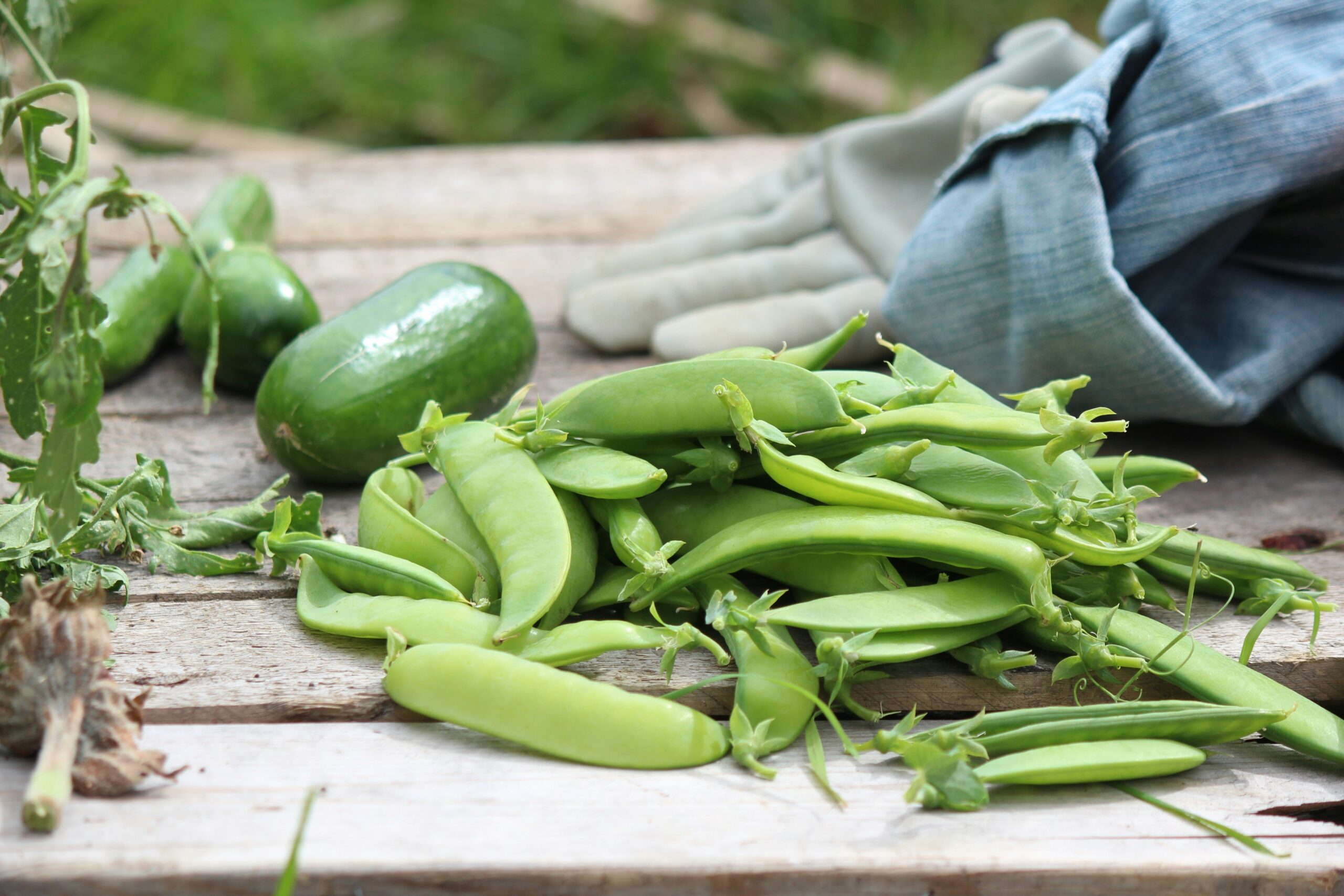
Lettuce and salad greens are your best friends. They grow fast, need minimal space, and you can harvest leaves a little at a time over many weeks. Radishes mature in as little as three weeks. Green beans are nearly foolproof. Zucchini is so productive that you may find yourself leaving bags of it on neighbors’ doorsteps.
Cherry tomatoes are far more forgiving than large slicing tomatoes. Varieties like ‘Sun Gold’ or ‘Sweet Million’ produce abundantly even for beginners. Herbs like basil, mint, chives, and parsley thrive in containers and come back season after season.
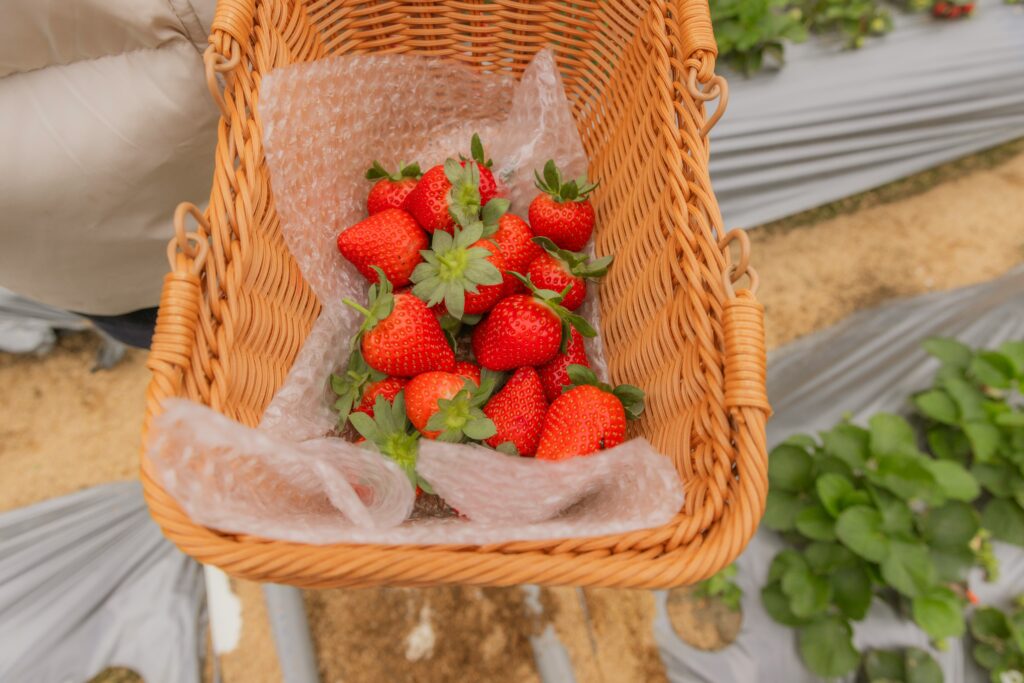
For fruit, strawberries are the most beginner-friendly option. Plant them once and they spread on their own. Blueberries take a couple of years to establish but then produce for decades with very little care.
Also read: Gardening for Beginners: 10 Best Vegetables to Grow (That Actually Survive!)
Step Six: Water Smart, Not More
Overwatering is one of the most common mistakes beginners make. Too much water weakens roots and invites disease. Too little stresses plants and reduces yields.
The trick is simple. Push your finger one inch into the soil near the base of a plant. If it feels moist, leave it. If it feels dry, water it. Always water at the soil level, not on the leaves. Wet leaves breed fungal disease.
Water in the early morning whenever possible. This gives any moisture on leaves time to dry before nightfall. Drip irrigation is the gold standard for an organic garden because it delivers water directly to roots and keeps foliage dry. A timer-controlled drip system can save both water and time.
Mulching around your plants with straw or wood chips helps the soil hold moisture between waterings. It also keeps the soil temperature steady and suppresses weeds. This is one of the simplest and most effective organic gardening tips you can apply today.
Step Seven: Feed Your Plants Organically
Your compost-rich soil is already doing a lot of work. As the season progresses, your plants may need an extra boost. Fortunately, there are excellent organic options.
Worm castings are one of the gentlest, most nutrient-dense fertilizers available. Work them into the soil around your plants or dissolve them in water for a liquid feed. Bone meal adds phosphorus and supports root development. Fish emulsion is a fast-acting liquid fertilizer that plants love, though it has a strong smell that fades quickly.
Compost tea is a favorite trick among experienced organic gardeners. Steep finished compost in water for 24 to 48 hours using an aquarium pump to keep it aerated. Then dilute it at a ratio of one part tea to ten parts water and apply it directly to the soil weekly during the growing season. It delivers a dose of beneficial microbes that strengthen plant health from the roots up.
Step Eight: Organic Pest Control That Actually Works
This is the part that scares most beginners away from organic gardening. But here is what experienced growers know: healthy plants in healthy soil are far more resistant to pests than stressed plants in depleted soil. Prevention is everything.
Companion planting is your first line of defense. This means placing plants near each other that naturally protect one another. Basil planted near tomatoes repels whiteflies, spider mites, and aphids. Marigolds planted throughout the garden confuse and deter a wide range of harmful insects. Nasturtiums act as a trap plant, drawing aphids away from your vegetables.
The classic Three Sisters combination used by Native American farmers for centuries is another powerful organic garden idea worth trying. Corn, beans, and squash planted together support each other beautifully. The corn provides a pole for beans to climb. The beans fix nitrogen in the soil. The squash shades the ground, keeping weeds down and moisture in.
When pests do show up, start with the least invasive response. Handpick large insects like hornworms off tomato plants. Check the undersides of leaves for egg clusters and wipe them away. Spray plants with a strong jet of water to knock off aphids.
For persistent problems, neem oil is your organic best friend. It is extracted from the seeds of the neem tree and acts as both a pesticide and fungicide. To use it, mix two tablespoons of neem oil with two teaspoons of dish soap in one gallon of water. Spray leaves, top and bottom, in the early evening when pollinators are not active. Apply every ten days for prevention or weekly during an active infestation. Stop applying about three weeks before harvest.
Row covers are physical barriers made of lightweight fabric that let in light and water but keep insects out. Drape them over young plants to protect against early pest pressure, especially on brassicas like broccoli and cabbage.
If you spot a sick plant, remove it immediately. Do not compost diseased material. Dispose of it well away from your garden to stop problems from spreading.
Step Nine: Crop Rotation Protects Your Organic Garden Year After Year
Do not plant the same crop family in the same spot two years in a row. Crop rotation is one of the most important organic gardening tips for long-term success. Pests and diseases that attack specific plants can build up and overwinter in the soil. Moving crops breaks their cycle.
A simple rotation works like this. Where you grew tomatoes, peppers, or eggplant this year, grow leafy greens next year. Where you grew leafy greens, plant root vegetables. Where you grew root vegetables, plant legumes like beans or peas, which add nitrogen back to the soil. Then start the rotation again.
Keep a simple garden journal. Even a few notes each season about what grew where, what worked, and what did not will make you a dramatically better organic gardener within just a couple of years.
Step Ten: Harvest Often for Better Yields
This is one of the most satisfying and surprisingly impactful organic gardening tips: harvest frequently. The more you harvest, the more the plant produces. Leaving ripe produce on the vine signals to the plant that its work is done. Picking regularly tells it to keep growing.
Check your garden daily if possible. This also gives you a chance to spot pest problems or disease early, when they are easiest to manage. Visit your garden like you would a pet. It rewards attention.
You Are Ready to Grow Your Own Organic Food
The shift to organic food you grow yourself is one of the most powerful things you can do for your health and your household. Every step you take, from building your soil to planting companion flowers to brewing your first batch of compost tea, adds up to something meaningful.
Start small. One raised bed or even a few containers on a sunny porch is enough to begin. Give yourself grace in the first season. You will make mistakes, and that is exactly how every skilled gardener learned. The soil will teach you more than any book can, including this one.
Come back to these organic gardening tips as you grow. Each season builds on the last. Before long, you will be the neighbor leaving zucchini on doorsteps and wondering how your garden ever seemed difficult at all.
Featured image credit: Photo by Tania Malréchauffé on Unsplash
Leave a Reply