
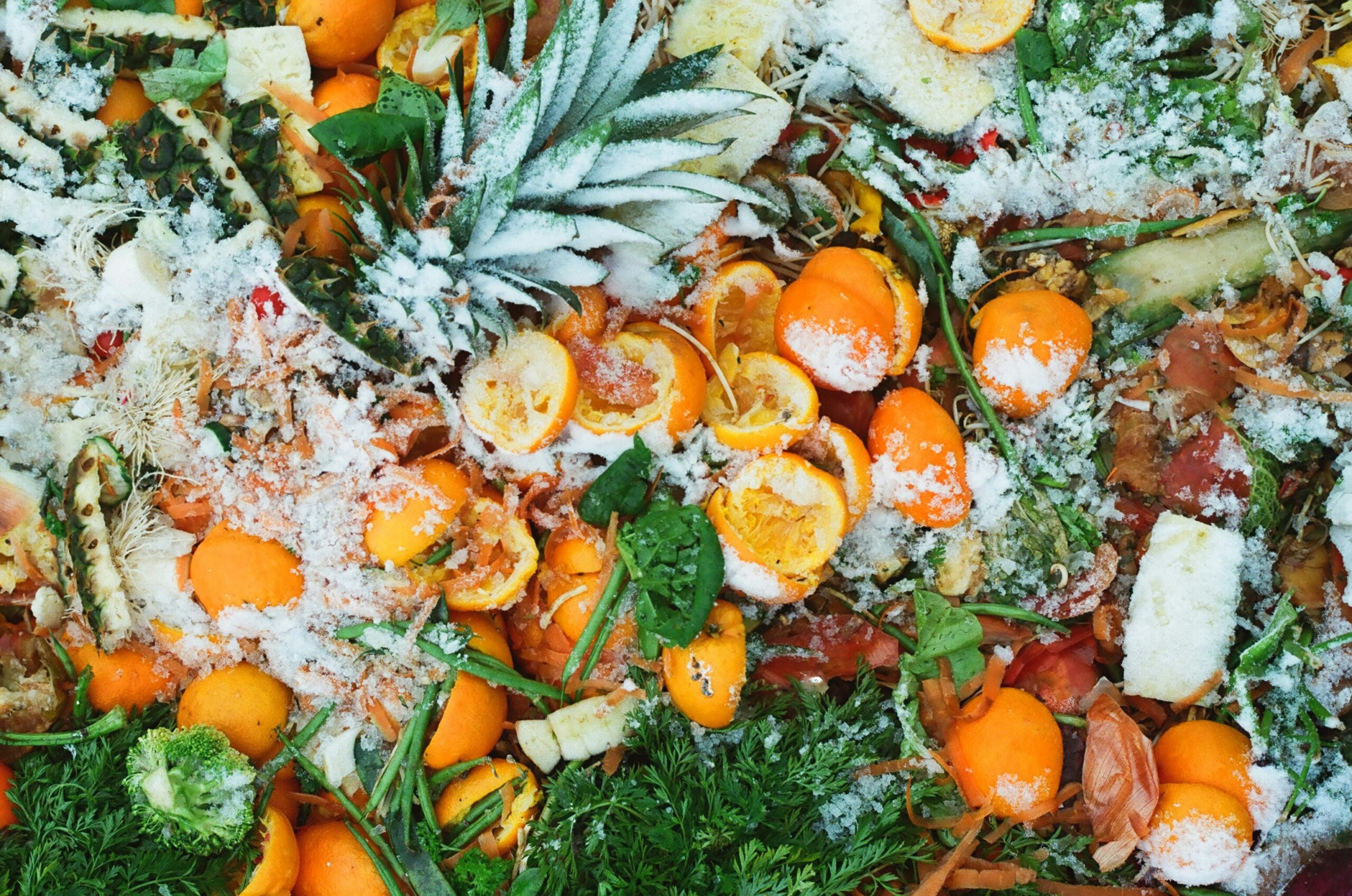
Every week, most of us throw away vegetable peels, fruit scraps, coffee grounds, and eggshells without thinking twice. At the same time, many gardeners spend money on fertilizers and soil amendments because their plants look weak or unproductive.
If you’ve ever wondered whether those kitchen leftovers could help your garden instead of filling your trash can, the answer is yes. Many common kitchen scraps contain valuable nutrients that plants need to grow.
When I first started composting, I worried about smells, pests, and whether I would ruin the process. What I discovered was that most problems came from a few simple mistakes, not from composting itself. Once I learned which scraps worked best and how to use them properly, my garden became healthier and my household waste became smaller.
Let’s look at the kitchen scraps for compost that provide the most value and how you can turn them into free fertilizer for your garden.
Why Kitchen Scraps Make Excellent Compost
Plants need nutrients like nitrogen, phosphorus, potassium, calcium, and trace minerals. Many food scraps naturally contain these nutrients.
When you compost kitchen waste, microorganisms break down the materials into organic matter that improves soil structure and feeds plants over time.
According to the U.S. Environmental Protection Agency, food scraps make up a significant portion of household waste, making composting one of the easiest ways to reduce landfill waste while improving garden soil. EPA Home Composting Guide
The most important part is knowing which scraps help and which ones create problems.
The Best Kitchen Scraps for Compost and Free Fertilizer
1. Vegetable Peels
Vegetable scraps are often the foundation of a healthy compost pile.
Nutrients provided:
- Nitrogen
- Potassium
- Trace minerals
How to use: Chop larger pieces into smaller sections and add them directly to your compost pile.
Time to break down: 1 to 3 months depending on conditions. I find that carrot peels, lettuce leaves, cucumber ends, and leafy greens disappear surprisingly quickly.
2. Fruit Peels
Banana peels, apple skins, melon rinds, and citrus peels all contribute useful nutrients.
Nutrients provided:
- Potassium
- Phosphorus
- Small amounts of calcium
How to use: Cut larger peels into smaller pieces before composting.
Time to break down: 2 to 4 months. Large amounts of citrus can slow decomposition slightly, so I prefer mixing them with other materials rather than composting them alone.
3. Banana Peels
Many gardeners save banana peels separately because they contain valuable nutrients.
Nutrients provided:
- Potassium
- Magnesium
- Phosphorus
How to use: Dry and crush them, compost them, or soak them in water for several days to create a simple liquid feed.
Time to break down: 2 to 3 months in compost.
4. Coffee Grounds
Coffee grounds are one of my favorite compost ingredients because they are easy to collect.
Nutrients provided:
- Nitrogen
- Organic matter
How to use: Mix them with dry leaves or cardboard.
Time to break down: A few weeks to two months. Used grounds rarely create odors if you avoid piling them too thickly in one spot.
5. Used Tea Leaves
Tea leaves work similarly to coffee grounds.
Nutrients provided:
- Nitrogen
- Trace minerals
How to use: Add loose leaves directly to compost.
Time to break down: Several weeks. Check tea bags first. Some contain plastic mesh that does not compost well.
6. Eggshells
Eggshells break down slowly but provide useful minerals.
Nutrients provided:
- Calcium
How to use: Rinse, dry, and crush them before composting.
Time to break down: Several months. The smaller the pieces, the faster they disappear into the compost.
7. Stale Bread
Small amounts of stale bread can compost successfully.
Nutrients provided:
- Organic matter
- Carbon
How to use: Tear into small pieces and bury inside the pile.
Time to break down: 1 to 2 months. Too much bread can attract pests, so use it sparingly.
8. Cooked Rice
Small amounts of plain rice can enter a compost pile.
Nutrients provided:
- Organic matter
How to use: Mix thoroughly with brown materials.
Time to break down: Several weeks. Avoid large quantities because they can encourage unwanted pests.
9. Oatmeal
Unflavored oatmeal composts well.
Nutrients provided:
- Organic matter
- Nitrogen
How to use: Mix into the center of the compost pile.
Time to break down: A few weeks.
10. Nut Shells
Some nut shells decompose slowly but contribute valuable carbon.
Nutrients provided:
- Carbon
- Organic matter
How to use: Crush if possible before composting.
Time to break down: Several months.
11. Corn Husks
Corn husks add structure to the compost pile.
Nutrients provided:
- Carbon
- Organic matter
How to use: Shred into smaller pieces.
Time to break down: 3 to 6 months.
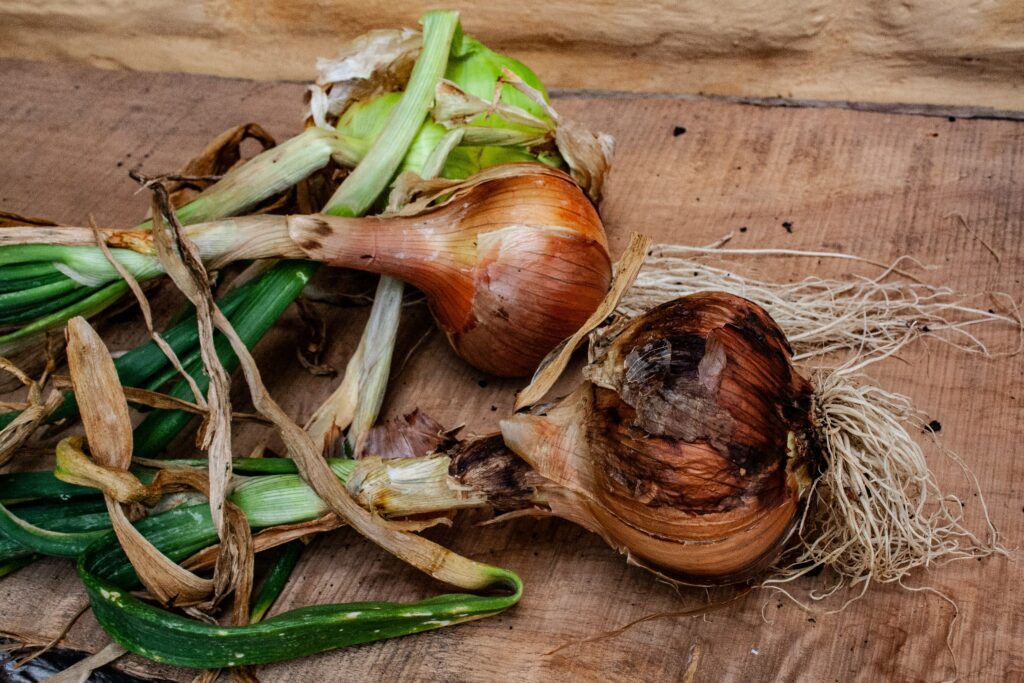
12. Onion Skins
Onion scraps often surprise new composters.
Nutrients provided:
- Potassium
- Trace nutrients
How to use: Add in moderation.
Time to break down: 1 to 3 months.
13. Potato Peels
Potato scraps contribute useful nutrients but require a little care.
Nutrients provided:
- Potassium
- Organic matter
How to use: Compost healthy peels only.
Time to break down: 1 to 3 months. Avoid peels from diseased potatoes because some pathogens may survive.
14. Leafy Greens
Wilted spinach, lettuce, kale, and similar greens compost quickly.
Nutrients provided:
- Nitrogen
- Trace minerals
How to use: Mix with dry leaves or cardboard.
Time to break down: Several weeks.
15. Herb Trimmings
Parsley, basil, cilantro, mint, and other herb scraps make excellent compost ingredients.
Nutrients provided:
- Nitrogen
- Organic matter
How to use: Add directly after pruning.
Time to break down: Several weeks.
Also read: Composting for Beginners: Simple Composting Ideas That Turn Kitchen Scraps Into Garden Gold
How to Turn Kitchen Scraps Into Compost
You do not need complicated equipment to start.
Step 1: Collect Scraps
Keep a small container near your kitchen workspace. Add fruit peels, vegetable scraps, coffee grounds, tea leaves, and eggshells as you cook.
Step 2: Add Brown Materials
For every container of food scraps, add dry leaves, shredded cardboard, paper, or straw. This balance prevents odors and excess moisture.
Step 3: Build Layers
Alternate kitchen scraps with brown materials. The layering process improves airflow and speeds decomposition.
Step 4: Check Moisture
Your compost should feel similar to a damp sponge. If it becomes soggy, add more cardboard or dry leaves.
Step 5: Turn the Pile
Mix the pile every one to two weeks. This introduces oxygen and encourages faster breakdown.
Step 6: Wait for Finished Compost
Most home compost piles produce finished compost within two to six months. The exact timeline depends on temperature, moisture, and ingredient size.
Also read: Natural Fertilizer for Plants: A Beginner-Friendly Feeding Guide for a Healthier Organic Garden
A Few Pantry Items That Can Help Plants Directly
Some kitchen items can serve as simple fertilizers without full composting.
Crushed Eggshell Powder: Dry and grind eggshells before sprinkling them around calcium-loving plants.
Banana Peel Tea: Soak banana peels in water for several days and use the water around flowering plants.
Coffee Ground Mulch: Apply a thin layer around plants and mix lightly into the soil. Use moderation because excessive coffee grounds can compact.
One Approach I Recommend
Many beginners try to compost every scrap they produce. I think a better approach is to start with vegetable peels, fruit scraps, coffee grounds, tea leaves, and eggshells. These materials compost reliably and create fewer problems than more complicated food waste.
Simple systems often succeed more often than ambitious ones.
Also read: 10 Beginner Gardening Mistakes That Are Quietly Killing Your Plants (And How to Fix Them)
A Small Trick That Speeds Everything Up
Whenever I prepare vegetables, I chop compost scraps into smaller pieces before throwing them into the collection bucket.
This takes less than a minute and often reduces composting time noticeably because microorganisms can reach more surface area.
What to Watch Out For
Avoid adding meat, dairy, cooking oils, or greasy leftovers to beginner compost piles. These materials often create odors and attract pests before new gardeners learn how to manage them properly.
Likewise, do not let food scraps sit uncovered. A layer of dry leaves or shredded cardboard helps prevent most common composting problems.
Using kitchen scraps for compost is one of the easiest ways to create free fertilizer at home. Vegetable peels, fruit scraps, coffee grounds, tea leaves, and eggshells can all improve your soil while reducing household waste. Start small, keep your compost balanced, and focus on consistency. Before long, those everyday scraps can become one of the most valuable resources in your garden.
Featured image credit: Photo by Sinitta Leunen on Unsplash
Leave a Reply