
Have you ever looked at a pile of vegetable peels and wondered if you should throw them away or save them for the garden? Many new gardeners feel excited about composting, but they also worry about smells, pests, or doing something wrong.
I remember feeling the same way when I started. Composting seemed simple until I found dozens of different methods online. Some people used bins, others used piles, and many guides made it sound more complicated than it needed to be.
The good news is that composting is less about perfection and more about understanding a few basic principles. Once you learn what to compost, how to balance materials, and how to avoid common mistakes, you can create rich organic matter for your garden while reducing household waste.
Let’s start with the basics and build a compost system that works for real homes, real schedules, and real gardens.
Why Composting Makes Gardening Easier
One of the biggest challenges new gardeners face is poor soil. Plants struggle when soil lacks nutrients, drains poorly, or dries out too quickly.
Compost helps solve several of these problems at once. It improves soil structure, helps retain moisture, encourages beneficial organisms, and slowly releases nutrients to plants.
According to the U.S. Environmental Protection Agency, food scraps and yard waste make up a significant portion of household waste, making composting one of the easiest ways to reduce what goes into landfills. EPA Composting Guide
Even a small compost bin can produce enough compost to support container gardens, raised beds, herbs, and vegetables.
Composting for Beginners: What Actually Matters
Many new gardeners focus on compost bins, tools, and special products. In my experience, the most important part is understanding the balance between “greens” and “browns.”
Green Materials
Green materials provide nitrogen. Common examples include:
- Vegetable scraps
- Fruit peels
- Coffee grounds
- Tea leaves
- Fresh grass clippings
- Plant trimmings
Brown Materials
Brown materials provide carbon. Common examples include:
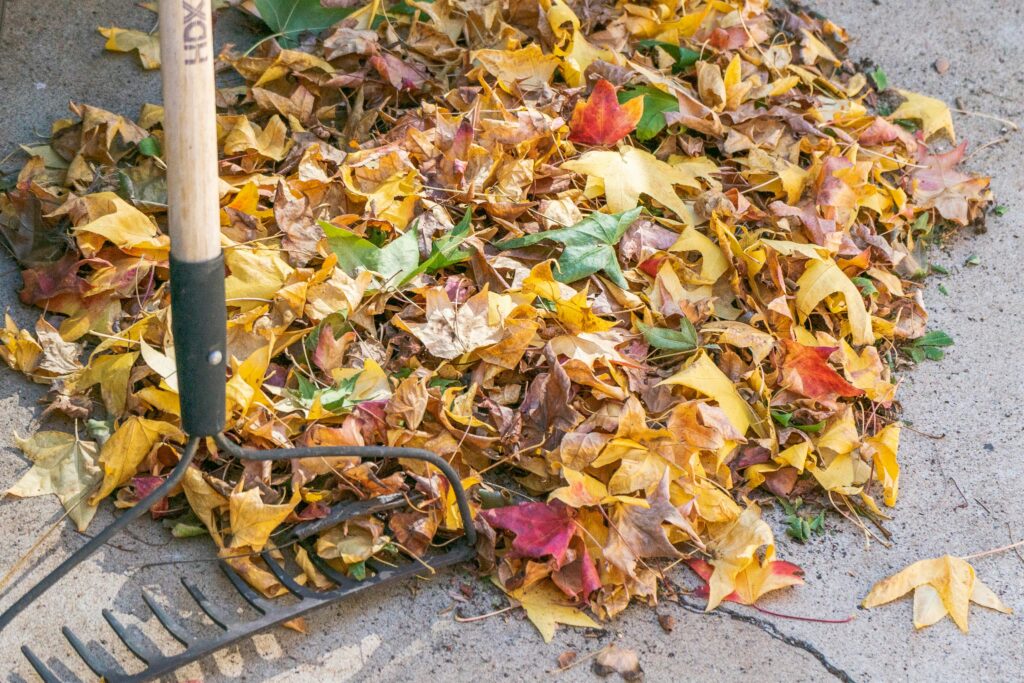
- Dry leaves
- Shredded cardboard
- Paper towels
- Newspaper
- Straw
- Small twigs
A simple goal is to use roughly two to three parts brown material for every one part green material. You do not need exact measurements. Just keep the pile from becoming too wet or too dry.
What to Compost for Garden Success
If you’re wondering what to compost for garden use, start with materials that break down easily.
Excellent Compost Ingredients
- Vegetable peels
- Fruit scraps
- Coffee grounds
- Used tea leaves
- Crushed eggshells
- Dry leaves
- Grass clippings
- Shredded cardboard
- Paper napkins without chemicals
- Dead flowers
These materials create a balanced compost pile and are easy for most households to collect.
Materials to Avoid
Some items create unnecessary problems:
- Meat scraps
- Dairy products
- Cooking oils
- Pet waste
- Diseased plants
- Large amounts of glossy paper
These materials can attract pests or introduce harmful organisms into your compost.
Also read: Natural Fertilizer for Plants: A Beginner-Friendly Feeding Guide for a Healthier Organic Garden
A Simple Compost Setup for Small Spaces
Many people assume they need a large backyard. In reality, composting works well in small spaces too.
Apartment Balcony Setup
Use a covered bucket or compact compost bin. Collect kitchen scraps throughout the week and add shredded cardboard whenever you add food waste. This setup works well for people growing herbs, flowers, or vegetables in containers.
Small Backyard Setup
Choose a shaded corner and create a simple compost pile using a wire cage or wooden frame. A pile about 3 feet wide and 3 feet tall usually heats up better and breaks down faster.
Raised Bed Garden Setup
Keep a compost bin close to your growing area. This reduces walking back and forth and makes composting part of your normal gardening routine.
Step-by-Step Composting System
If you want a straightforward process, follow these steps.
Step 1: Pick Your Compost Location
Choose a spot with good drainage and partial shade. Excessive sun can dry compost too quickly.
Step 2: Add Browns First
Start with a layer of dry leaves, shredded cardboard, or paper. This creates airflow at the bottom.
Step 3: Add Kitchen Scraps
Add vegetable peels, fruit scraps, coffee grounds, and similar materials.
Step 4: Cover With Browns
After adding food scraps, place another layer of brown material on top. This helps reduce odors and discourages pests.
Step 5: Maintain Moisture
Your compost should feel similar to a wrung-out sponge.
If it feels dry, add water. If it feels soggy, add more brown material.
Step 6: Turn Occasionally
Mix the pile every one to two weeks. Turning introduces oxygen and speeds decomposition.
Step 7: Harvest Finished Compost
Finished compost looks dark, crumbly, and earthy. Most materials should no longer be recognizable. Depending on conditions, this process may take two to six months.
Compost Ideas Using Common Kitchen Scraps
Many people throw away valuable compost ingredients every day. Here are some simple compost ideas that cost almost nothing:
Coffee Ground Collection Jar
Keep a container near your coffee maker.
Coffee grounds add nitrogen and break down quickly.
Eggshell Storage Container
Save eggshells, crush them, and add them gradually. They contribute calcium and improve compost texture.
Tea Bag Collection
If your tea bags contain natural materials, add them to compost. Remove staples or synthetic mesh first.
Fruit Scrap Bucket
Instead of throwing peels away immediately, keep a small covered container under the sink. Empty it into your compost every few days.
How Much Compost Can You Expect?
Yields vary, but compost shrinks significantly during decomposition. As a general observation, four buckets of organic waste often produce about one bucket of finished compost. For many home gardeners, a small family can create enough compost each year to support:
- Several herb containers
- One or two raised vegetable beds
- Flower borders
- Houseplants
The exact amount depends on household waste and composting conditions.
Plants That Benefit Most From Homemade Compost
Nearly every garden plant appreciates compost, but some respond especially well.
Herbs
Basil, parsley, mint, cilantro, and oregano often produce fuller growth when compost improves soil quality.
Vegetables
Tomatoes, peppers, cucumbers, lettuce, and beans benefit from steady nutrient release.
Flowers
Marigolds, zinnias, sunflowers, and many flowering annuals thrive in compost-enriched soil.
One exception is that some Mediterranean herbs, such as rosemary and lavender, prefer leaner soil. Use compost more sparingly around them.
My Favorite Composting Shortcut
One lesson I learned early is that small pieces break down faster.
Whenever I chop vegetables, I roughly chop larger scraps before composting them. I also shred cardboard into smaller pieces. This simple habit speeds decomposition and creates finished compost sooner.
You do not need special equipment. A few extra seconds in the kitchen often saves weeks in the compost pile.
A Quick Note About Compost Bins
Many gardening stores sell large composting systems with extra features. Personally, I think beginners should start simple. A basic bin, bucket, or small pile often teaches more than an expensive setup. The most successful compost system is usually the one you will actually use every week.
A Small Trick That Saves Time
Place a small container for browns next to your compost bin. Store shredded cardboard, dry leaves, or torn paper there.
Each time you add kitchen scraps, immediately add a handful of browns. This simple habit keeps the pile balanced and prevents many common composting problems before they start.
What Can Go Wrong?
Many beginners think compost needs more water when decomposition slows. In reality, a soggy pile often needs more air and brown material. If your compost smells unpleasant, check moisture levels first. A healthy compost pile should smell earthy, not rotten.
Likewise, avoid adding too many grass clippings at once. They can compact and reduce airflow.
The Gardening Community’s Favorite Approach
Among experienced gardeners, the most common recommendation is surprisingly simple: compost consistently rather than perfectly.
A modest compost pile that receives regular attention often performs better than a complicated system that feels difficult to maintain. Focus on balance, patience, and steady habits rather than chasing perfect compost.
Composting for beginners does not require expensive equipment or expert knowledge. Once you understand the balance between green and brown materials, you can turn everyday kitchen scraps into valuable compost for your garden. Start small, keep the process simple, and allow yourself room to learn. Over time, your compost pile will become one of the most useful tools in your entire garden.
Featured image credit: Photo by Markus Spiske on Unsplash
Leave a Reply