
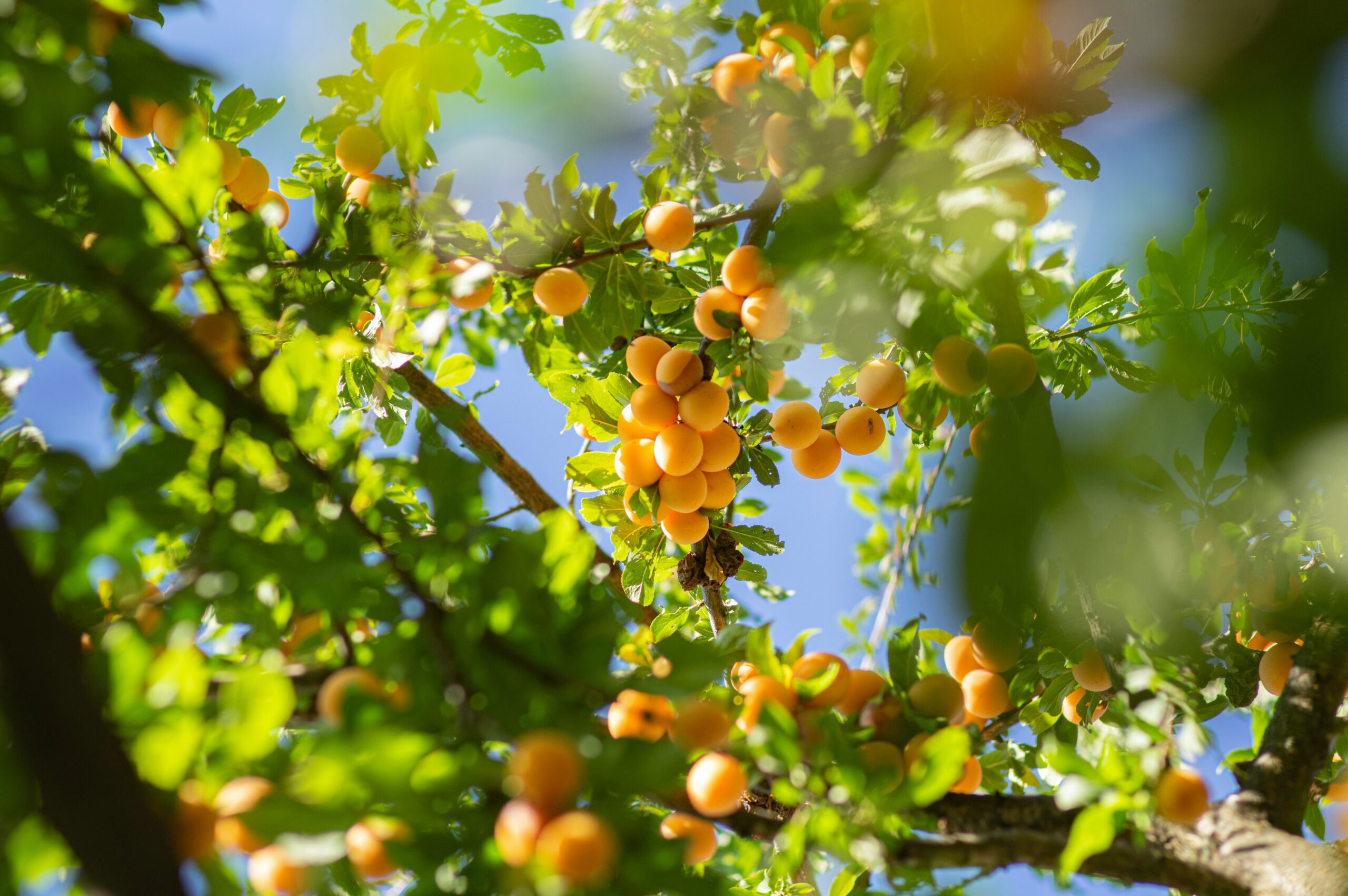
Starting a fruit garden sounds exciting until you begin planning it in a small space. You look at your balcony, rooftop corner, or narrow backyard and wonder if fruit trees will even fit there. Then you search online and mostly find large orchard-style gardens that do not match real apartment living or compact homes. That disconnect discourages many beginners before they even start.
The truth is that a small fruit garden can work surprisingly well when you choose the right plants and build around your space instead of fighting against it. In fact, many fruits grow better in controlled, smaller environments because you can manage sunlight, watering, pests, and soil more carefully.
You also do not need a complicated setup to begin. A few containers, one sunny corner, and a simple plan are often enough for your first harvest. Once you understand how small fruit trees and compact fruit plants behave, the process becomes much easier to manage.
This guide walks through practical small fruit garden ideas that work for beginners who want a productive garden without turning their entire home into a maintenance project.
Begin with Sunlight Before Choosing Plants
Most fruit-growing problems start long before watering or fertilizing. They usually begin with sunlight. Fruit-producing plants need more light than many beginners expect. While herbs and leafy vegetables can tolerate partial shade, fruits generally need at least 6 to 8 hours of direct sunlight daily.
Before buying anything, spend a few days observing your space:
- Which corner gets morning sun?
- Which wall blocks afternoon light?
- Does heat build up strongly during midday?
Small balconies often create microclimates. A concrete balcony facing west can become much hotter than a backyard garden, while covered patios may stay cooler but receive limited light. This matters because sunlight affects not only growth but also sweetness, flowering, and fruit production.
If your space gets limited direct sunlight, you should focus on plants that adapt more easily, such as strawberries, dwarf citrus, or certain berry varieties. Trying to force large fruit trees into low-light spaces usually leads to weak growth and disappointment.
According to Royal Horticultural Society fruit growing advice, many compact fruit varieties now grow successfully in containers, which makes fruit gardening more accessible for small homes and urban spaces.
Choose Small Fruit Trees That Match Your Space
One common mistake beginners make is choosing plants based only on appearance or taste. A mango tree may sound appealing, but many varieties eventually outgrow small gardens unless you prune them consistently. Instead, focus on naturally compact or dwarf varieties.
Good beginner-friendly options for a small fruit tree garden include:
- dwarf lemon trees
- dwarf guava
- strawberries
- blueberries
- dwarf pomegranate
- figs
- passion fruit on trellises
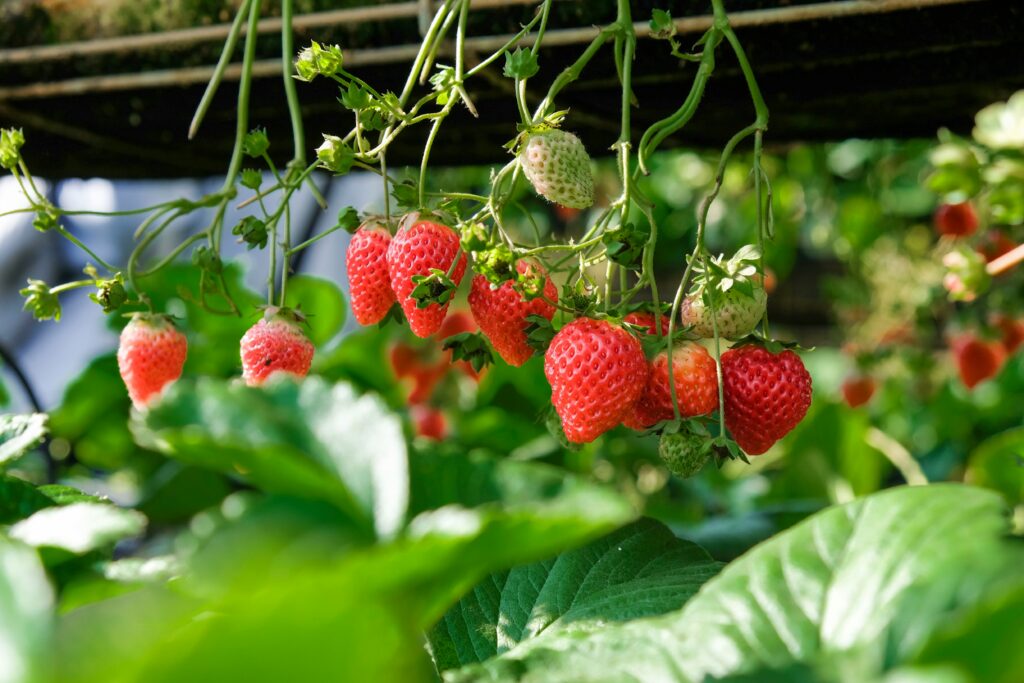
These plants adapt better to containers and smaller root systems. If you have a balcony, climbing fruits like passion fruit can work especially well because they grow vertically instead of spreading outward. Meanwhile, strawberries fit neatly into hanging baskets or tiered shelves.
The most important part is not squeezing in as many plants as possible. It is choosing plants that your space can realistically support long term.
Also read: The Fastest Growing Fruit Trees You Can Start This Season
Build Your Small Fruit Garden Around Containers
For beginners, container gardening usually creates the most manageable setup. Containers give you control over:
- soil quality
- drainage
- plant placement
- root spread
They also allow flexibility. If one corner receives too much heat during summer, you can move the plant instead of rebuilding the garden. Larger fruit plants need deeper containers than most people expect. Small pots may work temporarily, but restricted roots eventually reduce fruit production.
As a simple guide:
- strawberries and herbs can grow in shallow containers
- blueberries and dwarf citrus need medium to large pots
- figs and guava need deeper containers for stable root growth
If you want to save money, food-safe buckets and grow bags work surprisingly well. Decorative pots look beautiful, but they are not necessary in the beginning.
One thing to watch carefully is drainage. Fruit plants dislike sitting in soggy soil for long periods. Beginners often water more out of concern, especially during hot weather, but overly wet roots create problems faster than slightly dry soil.
Also read: From Balcony to Bowl: 10 Vegetables to Grow in Containers (Even If You Have Zero Garden Space)
Create a Simple Layout That Feels Easy to Maintain
A small fruit garden should feel calming, not crowded. Many beginners arrange plants based only on appearance, then struggle later when watering becomes awkward or taller plants block sunlight from smaller ones.
Instead, create layers:
- tall plants near walls or corners
- hanging fruits above eye level
- smaller containers near walkways
- climbing plants near railings or supports
This structure keeps the garden easier to manage daily.
I also recommend leaving small access gaps between containers. At first, empty spaces may feel wasted. However, once plants mature, those gaps help airflow and make harvesting much easier.
This matters more than people realize. Poor airflow often leads to fungal problems, especially in humid climates or tightly packed balconies.
Also read: 12 Garden Layout Ideas That Make Small Gardens Feel Bigger and More Productive
Start With Nursery Plants Instead of Seeds
Growing fruit from seed sounds rewarding, but for beginners, it often creates unnecessary delays and unpredictability. Some fruit plants take years to mature from seed. Others may not produce fruit identical to the original plant.
Starting with healthy nursery plants usually makes more sense in a small fruit garden because:
- you save time
- you reduce early failure
- you understand the plant’s growth habit faster
This does not mean seeds are bad. Strawberries and some berry plants still grow well from seed if you enjoy the process. But for your first setup, nursery plants provide a smoother learning curve.
The most important part is building confidence early rather than testing your patience immediately.
Also read: Your Complete Seed Starting Checklist: Everything Beginners Need to Grow Big From Tiny Seeds
Use Soil That Supports Long-Term Growth
Fruit plants stay in containers longer than many vegetables, so soil quality becomes even more important. A loose, well-draining mix works best. You can combine:
- compost
- coco peat or peat moss
- perlite or coarse sand
Healthy soil should retain some moisture without staying constantly wet. Over time, nutrients wash out from containers through watering. This means fruit plants need occasional feeding to continue producing properly.
Research from University of Minnesota Extension container gardening guide explains that container-grown plants often require more consistent watering and nutrient support because roots stay confined to a limited space.
You do not need complicated fertilizers immediately. Compost tea, diluted organic fertilizers, or balanced fruit plant feeds used occasionally usually work well for beginners.
Also read: Plant Soil Mixture Guide: The Best DIY Mixes for Your Indoor Plants
Help Your Plants Produce More Fruit Naturally
Fruit plants need more than survival conditions. They also need support during flowering and fruiting. A few simple habits help significantly:
- rotate containers occasionally for even sunlight
- prune dead or crowded branches
- remove damaged fruits early
- support heavy branches before they bend
Pollination also matters. Outdoor balconies usually receive enough natural pollinators, but very enclosed spaces may reduce fruit production.
If flowers appear but fruits do not form, you may need to hand-pollinate gently using a small brush, especially for certain indoor or sheltered plants.
This sounds complicated initially, but it becomes routine very quickly.
A Few Small Adjustments Can Save Time Later
Many small-space gardeners eventually realize that convenience affects consistency. If watering feels difficult, you will postpone it. If harvesting requires moving six containers, maintenance slowly becomes frustrating.
A few practical adjustments help:
- place thirstier plants closer together
- use trays under containers carefully to catch runoff
- install simple drip watering systems if you travel often
- add mulch to reduce water loss
One small trick that works especially well in hot climates is double-potting delicate fruit plants. Place one pot inside another slightly larger pot with airflow between them. This helps protect roots from overheating during intense summer heat. It is a simple adjustment, but it can reduce stress on container plants noticeably.
Also read: 11 Signs of Overwatering Plants Every Gardener Should Know Before It’s Too Late
Be Careful About Expanding Too Quickly
Once your first plants begin growing well, it becomes tempting to buy more immediately. This is usually where maintenance starts becoming overwhelming.
Fruit gardening requires patience because fruit plants develop more slowly than herbs or leafy vegetables. Some plants may produce within months, while others take longer to settle into their containers properly.
You should also expect occasional setbacks:
- dropped flowers
- uneven fruit growth
- seasonal leaf loss
- pest visits
These issues are normal parts of fruit gardening, not signs that you failed.
At the same time, some fruits are genuinely harder for beginners in compact spaces. Large stone fruits, for example, often need more pruning knowledge, climate control, and space than most first-time gardeners expect.
That is why starting with simpler, container-friendly fruits usually creates a better experience overall.
Final Thoughts on Small Fruit Garden Ideas
A small fruit garden does not need to look perfect or produce large harvests immediately to feel worthwhile. The real value often comes from building a system that fits naturally into your home and routine. Once you learn how your space handles sunlight, watering, airflow, and seasonal changes, gardening becomes less confusing and much more manageable.
Start with one or two reliable plants. Pay attention to how they respond. Adjust slowly instead of changing everything at once. That slower approach may not look impressive in the beginning, but it usually creates healthier plants and a more sustainable small fruit tree garden over time.
Featured image credit: Photo by Elena Mozhvilo on Unsplash
Leave a Reply