
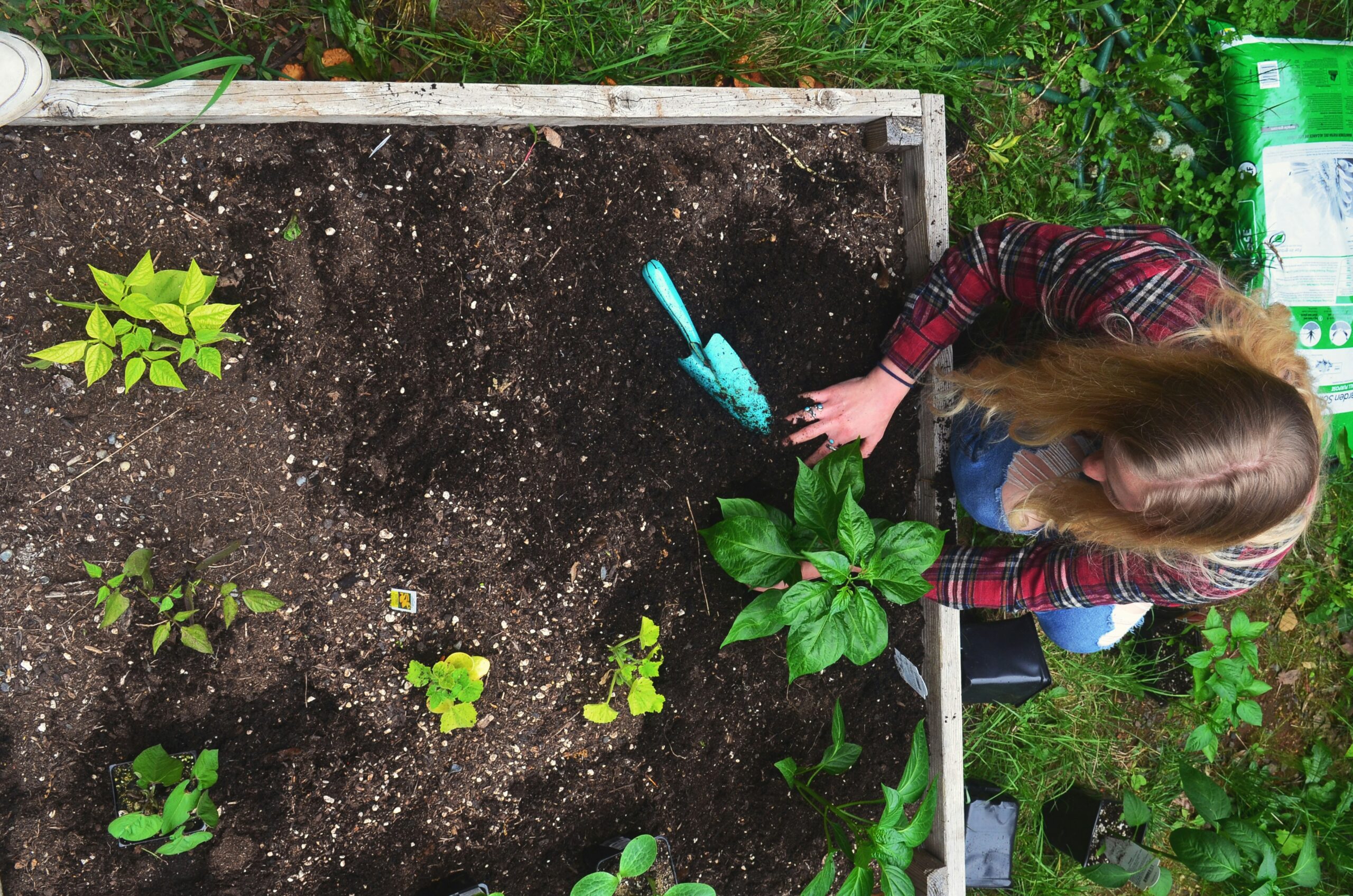
You spend weeks choosing seeds, buying pots, and preparing the soil. Then, a few months later, your tomatoes shade your peppers, cucumbers take over the walkway, and harvesting feels like a treasure hunt through tangled vines. Many gardeners assume the problem lies with the plants, but in reality, the layout often causes these frustrations.
I learned this lesson the hard way after planting everything wherever there seemed to be space. The garden looked full in spring but quickly became crowded by summer. Once I started planning my layout before planting, watering became easier, harvesting took less time, and I used the same space much more efficiently.
If you’re searching for practical garden layout ideas, the layouts below will help you choose one that fits your space instead of forcing your space to fit your plants.
Before You Pick a Layout, Check These Three Things
Before drawing a single garden bed, spend a few minutes observing your growing space. This small step saves a surprising amount of work later.
First, count your sunlight. Most vegetables need six to eight hours of direct sun each day. Herbs and leafy greens can often manage with a little less, while fruiting crops such as tomatoes and peppers need as much light as possible.
Next, think about your growing space. A backyard gives you more freedom than a balcony, but both can produce impressive harvests with the right design.
Finally, decide what matters most to you. Some people want fresh salad every week. Others want tomatoes for preserving or flowers that attract pollinators. Your layout should support your goals instead of copying someone else’s garden.
1. Square Foot Gardening Layout
If I could recommend only one layout to beginners with limited space, this would be it.
Square Foot Gardening divides a raised bed into one-foot squares. Each square holds a specific number of plants depending on their size. Instead of leaving long empty rows, you use every available inch.
For example:
- 1 tomato per square
- 4 lettuce plants
- 9 spinach plants
- 16 carrots
- 16 radishes
Because every square has a purpose, you waste very little space. Watering also becomes easier since plants shade the soil as they grow, helping it stay moist longer.
A simple wooden grid placed over the raised bed keeps planting organized and makes succession planting much easier throughout the season.
This layout works especially well for vegetable gardens smaller than 100 square feet.
2. Traditional Row Garden Layout
If you have a larger backyard, traditional rows still work well.
Instead of packing crops closely together, you leave walking paths between long rows. This gives large vegetables plenty of airflow and makes harvesting easier.
Arrange the tallest crops along the north side of the garden if you live in the Northern Hemisphere. This prevents them from shading shorter vegetables.
A garden line, measuring tape, and seed spacing ruler make planting rows much quicker while keeping everything straight.
Rows work particularly well for:
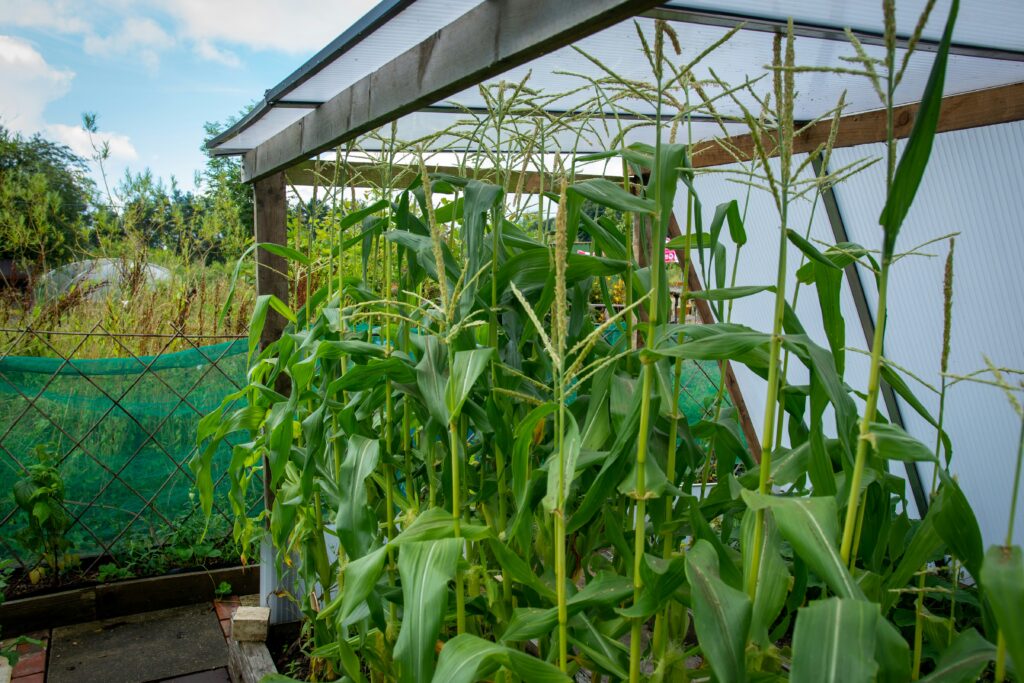
- Corn
- Potatoes
- Onions
- Garlic
- Beans
Although rows use more space than intensive gardening methods, they make maintenance simple, especially if you use a wheelbarrow or garden cart.
3. Raised Bed Garden Layout
Raised beds solve many common gardening problems at once.
You control the soil quality, improve drainage, reduce weeds, and avoid stepping on growing soil. Healthy soil stays loose when you don’t compact it with your feet.
I usually place taller vegetables toward the back of the bed, medium-height crops in the middle, and smaller greens around the edges. This arrangement keeps every plant accessible without blocking sunlight.
Leave paths about 18 to 24 inches wide between beds so you can comfortably water, weed, and harvest.
If building your own beds feels overwhelming, affordable raised bed kits can save several hours of work while still lasting many growing seasons.
Also read: The Beginner’s Companion Planting Guide for Raised Beds (That Actually Works)
4. Backyard Corner Garden Layout
Many gardens have awkward corners that often become forgotten storage areas.
Instead of ignoring these spaces, turn them into productive growing zones.
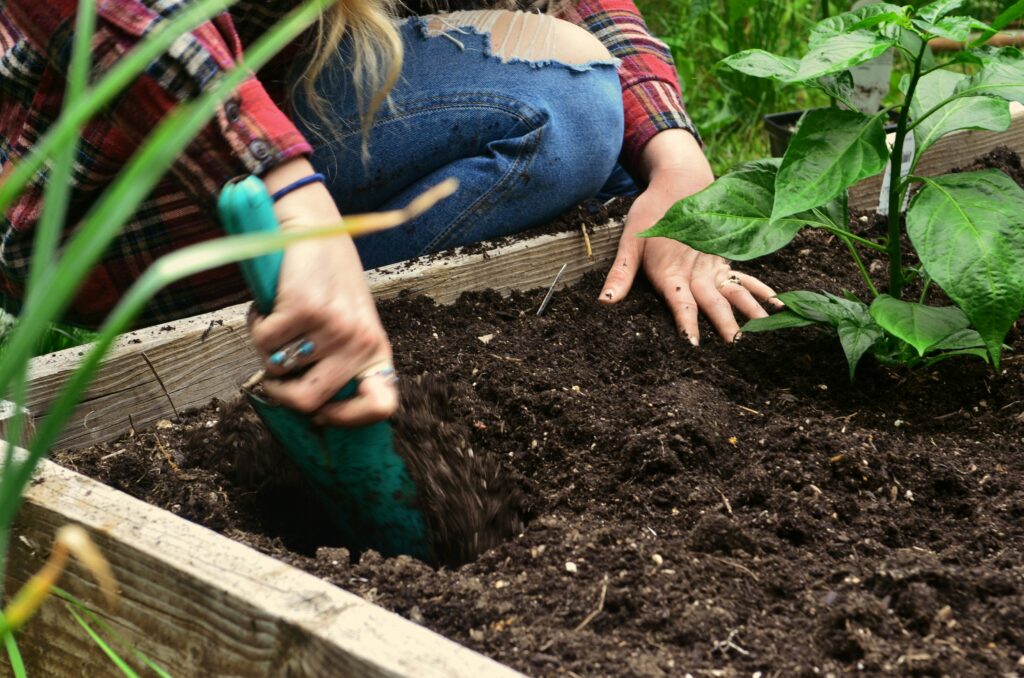
A triangular layout works surprisingly well. Place a trellis at the corner itself, allowing climbing beans or cucumbers to grow upward. Around the base, plant peppers, herbs, or leafy vegetables.
This design uses vertical and horizontal space together without making the corner feel crowded.
A simple bamboo trellis or metal support usually provides enough structure while remaining inexpensive.
5. Vertical Garden Layout
When ground space runs out, look upward.
Vertical gardening often doubles your usable growing area without expanding the garden itself.
Good crops include:
- Cucumbers
- Pole beans
- Peas
- Small melons
- Indeterminate tomatoes
- Malabar spinach
Arrange taller climbing plants along fences or sturdy trellises while keeping shorter crops underneath.
This layout improves airflow around leaves, reduces some fungal problems, and often produces cleaner vegetables because fruits stay off the soil.
Simple cattle panels, nylon trellis netting, tomato cages, or strong garden twine all work well without costing much.
6. Container Garden Layout
Containers deserve more planning than many people realize.
Instead of scattering pots randomly across a patio, group them according to watering needs.
Place thirsty vegetables like tomatoes, cucumbers, and peppers together. Keep drought-tolerant herbs such as rosemary, thyme, and oregano in another group.
Arrange taller containers behind shorter ones so every plant receives enough sunlight.
Using rolling plant caddies under larger pots makes seasonal rearrangement much easier without heavy lifting.
Also read: From Balcony to Bowl: 10 Vegetables to Grow in Containers (Even If You Have Zero Garden Space)
7. Companion Planting Layout
Companion planting works best when you think about neighborhoods instead of individual plants.
One simple layout looks like this:
Center:
- Tomato
Around it:
- Basil
- Marigolds
Front edge:
- Lettuce
Outer corners:
- Green onions
This arrangement keeps low-growing vegetables accessible while flowers attract pollinators and beneficial insects.
Although companion planting cannot completely prevent pests, many gardeners find that combining flowers and vegetables creates a healthier, more balanced garden.
Also read: The Beginner’s Companion Planting Guide for Raised Beds (That Actually Works)

8. Salad Garden Layout
If you enjoy fresh salads several times a week, dedicate one small bed entirely to fast-growing greens.
Plant:
- Lettuce
- Spinach
- Arugula
- Radishes
- Green onions
Instead of harvesting entire plants, pick only the outer leaves from lettuce and spinach. The centers continue producing new growth for several weeks. Succession planting every two weeks keeps the bed productive throughout the growing season.
Even a 4 x 4-foot space can provide a surprising amount of fresh salad.
9. Herb Spiral Layout
A herb spiral uses height to create different growing conditions in one compact structure.
The top stays drier and suits Mediterranean herbs like rosemary, thyme, oregano, and sage.
The middle works well for parsley and dill.
The lower section stays slightly more moist, making it ideal for mint or chives.
Besides saving space, herb spirals add visual interest and make harvesting simple because everything grows within easy reach.
10. Flower and Vegetable Layout
Vegetables do not have to hide behind flowers. In fact, mixing them often benefits both.
Plant flowering borders around vegetable beds using marigolds, nasturtiums, zinnias, and cosmos. Place vegetables inside the border while leaving narrow walking paths between planting areas.
The flowers attract bees, butterflies, and other helpful pollinators that improve fruit production for many vegetables.
This layout also makes the garden look attractive throughout the season, even before vegetables begin producing.
Also read: How to Start Planting Flowers at Home (Even If You’ve Never Grown Anything Before)
11. Balcony Garden Layout
A small balcony can grow far more food than most people expect.
Use vertical shelves against the wall, railing planters for herbs, and larger containers along the floor for tomatoes or peppers.
Leave one clear walkway through the center instead of filling every available corner with pots. You’ll enjoy caring for the garden much more if you can move comfortably.
Stackable planters and wall-mounted pockets make excellent use of limited apartment space.
12. Food Forest Style Layout
This layout copies nature by growing plants in layers. At the highest level, plant a dwarf fruit tree. Around it, grow berry bushes. Below those, add herbs such as oregano, thyme, or chives. Finally, fill remaining soil with strawberries or creeping herbs as living ground cover.
A true food forest takes time to establish, but even a simplified version creates a productive, attractive garden with excellent use of vertical space.
My Favorite Layout for Small Gardens
After experimenting with several designs, I still come back to raised beds combined with Square Foot Gardening.
It keeps everything organized without feeling restrictive. I spend less time searching for vegetables, watering becomes more efficient, and succession planting feels much more natural. If you’re starting your first edible garden, this combination gives you the best balance between productivity and simplicity.
Also read: 12 Smart Herb Garden Layout Ideas That Make Growing More Herbs Easier
A Few Small Tricks That Make Any Layout Better
Before planting, place empty pots or cardboard boxes where mature plants will eventually grow. Walk around the garden for a few minutes. If you have trouble reaching something now, it will become even harder once the plants fill in.
One Mistake That Can Ruin Even the Best Layout
Most gardeners crowd plants because the garden looks empty at first. Resist that temptation. Seedlings stay small for only a short time. Giving each plant its recommended spacing improves airflow, reduces disease, and usually leads to larger harvests than squeezing in extra plants.
The best garden layout ideas are the ones that match your available space, sunlight, and gardening goals. Start with a simple layout that feels manageable, then improve it each season as you learn how your garden grows. A thoughtful plan before planting often saves far more time and effort than fixing problems after everything has already filled in.
Featured image credit: Photo by Emma Renly on Unsplash
Leave a Reply