
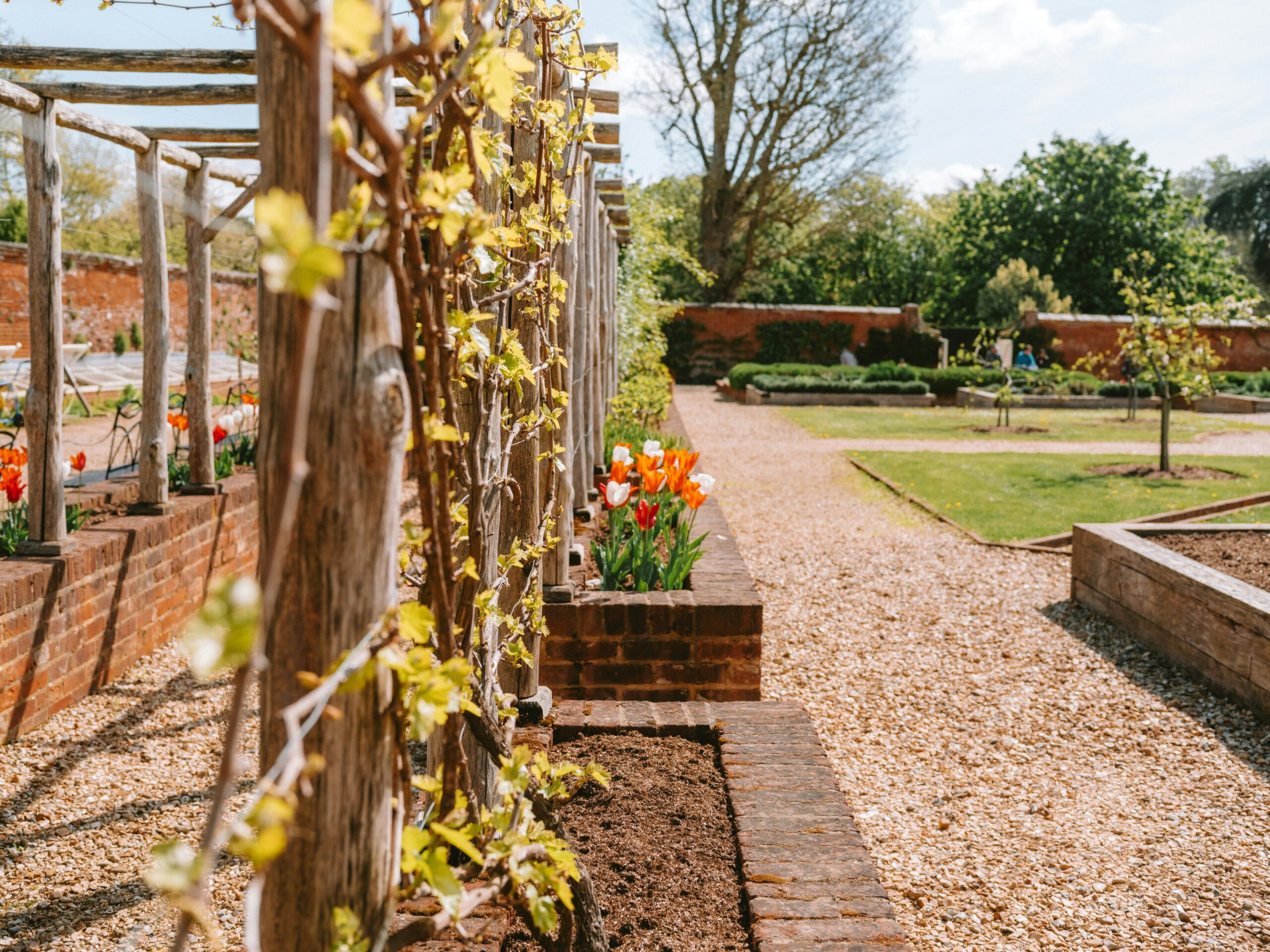
You spend weeks planning your garden, carefully choosing seeds and waiting for tiny sprouts to appear. Then a few plants struggle while others thrive, even though you watered and cared for them the same way. I have made that mistake more than once, and I eventually realized the problem was not always the soil or fertilizer. Sometimes, the plants simply had the wrong neighbors.
Learning about companion plants completely changed how I use my garden space. Some plants naturally help each other by attracting pollinators, confusing pests, improving the soil, or providing shade. Others compete for nutrients or attract the same insects. When you understand these relationships, even a small garden can become healthier and more productive. Let’s look at some of the best companion planting combinations you can start using today.
Why Companion Plants Make Such a Big Difference
Companion planting is simply placing plants together because they benefit one another. Research and long-standing gardening practices show that diverse gardens often experience fewer pest problems and attract more beneficial insects than gardens with only one crop. While companion planting is not a cure for every gardening problem, it can become another helpful tool alongside good watering, healthy soil, and regular maintenance.
Best Companion Plants for Popular Vegetables
1. Tomatoes
Tomatoes grow well beside basil, marigolds, carrots, onions, lettuce, nasturtiums, and parsley. Basil may improve growth and helps discourage insects that bother tomatoes. Marigolds attract beneficial insects while distracting certain pests. Carrots loosen the soil around tomato roots, while lettuce acts as living mulch by shading the soil. I also like placing a tomato cage around the tomato first, then planting basil around its base to make the most of limited space.
2. Cucumbers
Plant cucumbers near nasturtiums, radishes, beans, dill, marigolds, or sunflowers. Nasturtiums often distract aphids from cucumber vines, while dill attracts helpful insects that feed on common pests. Sunflowers can support climbing cucumber vines if you choose smaller varieties. A simple trellis keeps vines off the ground, improves airflow, and makes harvesting much easier.
3. Peppers
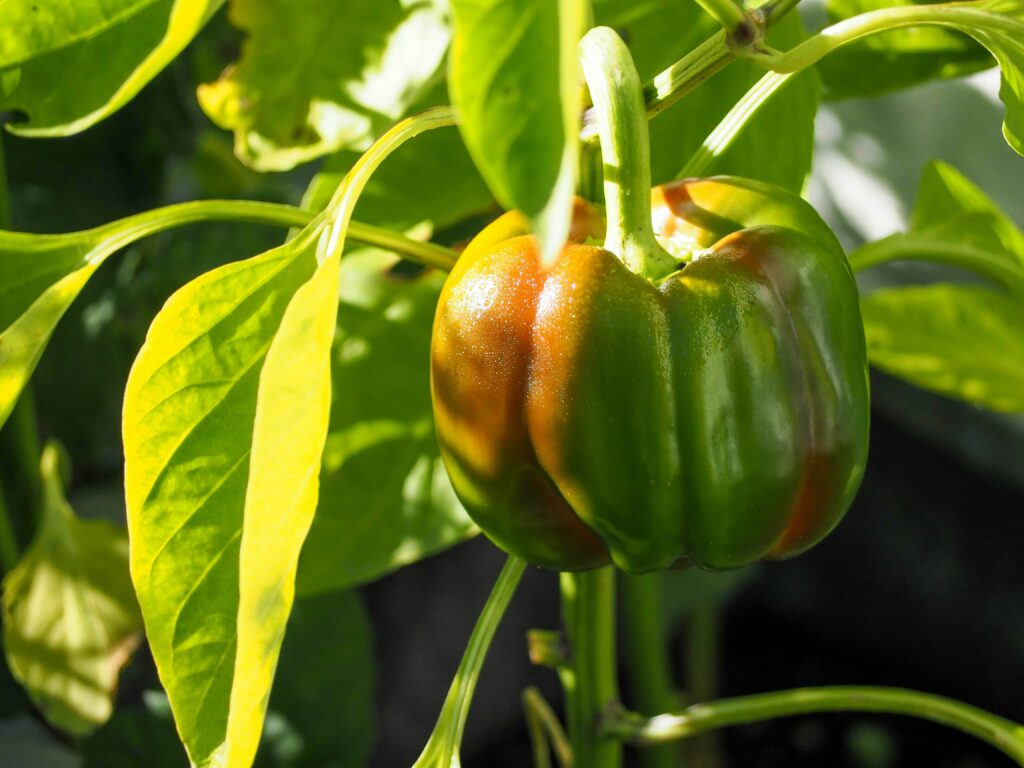
Peppers enjoy growing beside basil, onions, carrots, spinach, parsley, and marigolds. Basil helps attract pollinators, while spinach shades the soil and slows moisture loss. Since peppers prefer consistently moist soil, this combination works especially well during hot weather.
4. Carrots
Grow carrots with onions, tomatoes, lettuce, rosemary, sage, peas, and chives. Onion-family plants help discourage carrot flies, while lettuce grows quickly without competing heavily underground. A row spacing ruler or seed spacing template makes planting tiny carrot seeds much easier.
5. Beans
Bush and pole beans pair nicely with corn, cucumbers, potatoes, radishes, marigolds, and savory. Beans naturally fix nitrogen in the soil, which benefits nearby plants over time. Corn also provides a natural climbing structure for pole beans.
6. Lettuce
Lettuce grows well beneath tomatoes, peppers, peas, carrots, strawberries, and radishes. Taller plants provide afternoon shade that keeps lettuce from bolting too early during warm weather. I often tuck lettuce into empty spaces because it grows quickly without demanding much room.
7. Cabbage
Cabbage benefits from companions such as dill, onions, garlic, thyme, celery, chamomile, and marigolds. Herbs like thyme attract beneficial insects while making it harder for cabbage pests to locate their favorite meal. Lightweight insect netting offers extra protection during peak caterpillar season.
Also read: The Beginner’s Companion Planting Guide for Raised Beds (That Actually Works)
Best Companion Plants for Common Fruits
8. Strawberries
Strawberries thrive beside lettuce, spinach, onions, garlic, thyme, borage, and chives. Borage attracts pollinators while helping create a lively garden ecosystem. Strawberries also appreciate straw mulch, which keeps fruit clean and reduces disease from soil splash.
9. Blueberries
Blueberries enjoy nearby thyme, oregano, clover, ferns, and flowering herbs that attract pollinators. Remember that blueberries require acidic soil, so avoid companions that prefer alkaline conditions. A soil pH tester helps prevent guesswork.
10. Grapes
Plant grapes with hyssop, oregano, chives, clover, lavender, and marigolds. These companions encourage pollinators and beneficial insects while leaving enough root space for vigorous grape vines. Strong trellises remain one of the best investments for grape growers.
11. Watermelon
Watermelons pair well with radishes, marigolds, nasturtiums, beans, dill, and sunflowers. Radishes often mature before watermelon vines spread, making efficient use of garden space.
12. Raspberries
Grow raspberries with chives, garlic, yarrow, tansy, and marigolds. Garlic and chives may help reduce certain fungal problems, while flowering companions encourage pollinating insects throughout the growing season.
13. Apple Trees
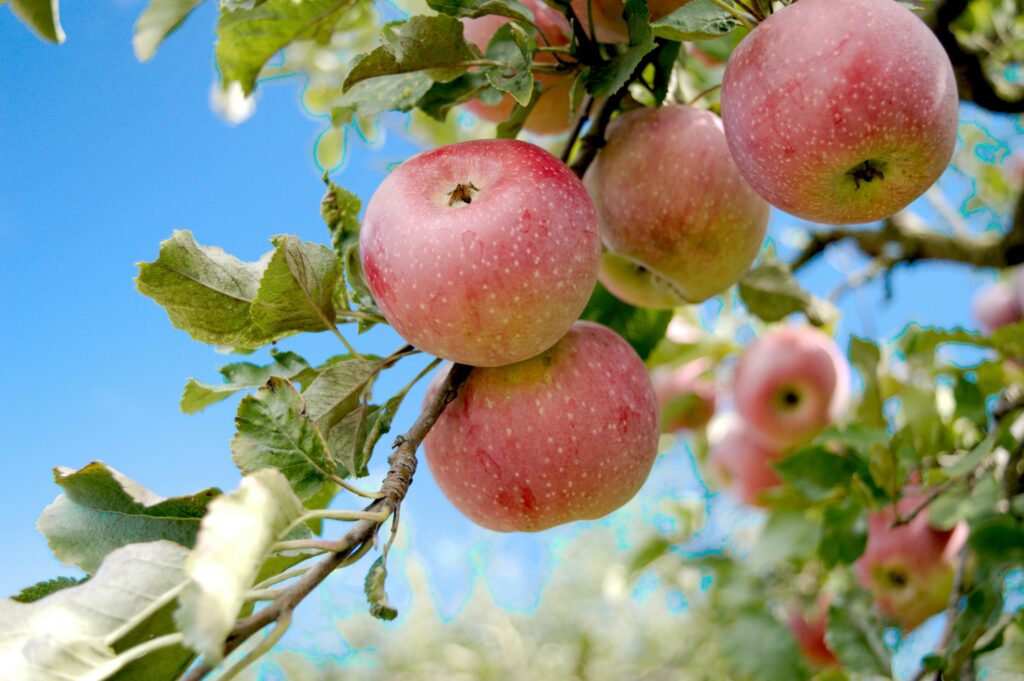
Around apple trees, consider planting chives, comfrey, nasturtiums, yarrow, lavender, and clover. Comfrey produces nutrient-rich leaves that many gardeners use as mulch after cutting them back.
Also read: The Fastest Growing Fruit Trees You Can Start This Season
Best Companion Plants for Garden Flowers
14. Roses
Roses benefit from lavender, catmint, chives, garlic, alyssum, and sage. Lavender attracts pollinators while creating attractive borders. Garlic may discourage some common rose pests.
15. Marigolds
Marigolds grow happily beside tomatoes, peppers, cucumbers, beans, cabbage, and roses. They have earned their reputation because they fit almost anywhere in the garden while attracting beneficial insects.
16. Sunflowers
Sunflowers pair well with cucumbers, beans, squash, corn, lettuce, and nasturtiums. Their height creates welcome afternoon shade for smaller plants during summer.
17. Zinnias
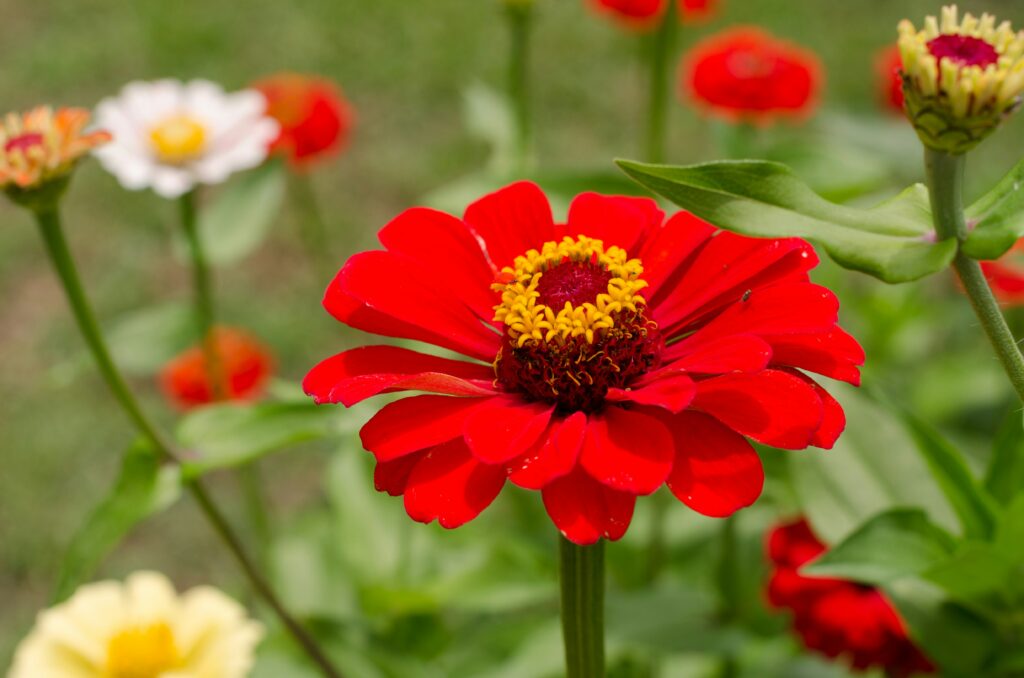
Plant zinnias near tomatoes, peppers, cucumbers, squash, basil, and dill. Their colorful blooms attract butterflies and many pollinating insects throughout the season.
18. Cosmos
Cosmos work beautifully with tomatoes, peppers, beans, herbs, cucumbers, and lettuce. They bloom for months and provide nectar for beneficial insects.
19. Nasturtiums
Nasturtiums deserve a place in almost every vegetable garden. They grow well beside tomatoes, cucumbers, squash, cabbage, broccoli, strawberries, and fruit trees. Many gardeners treat them as sacrificial plants because aphids often choose nasturtiums instead of vegetables.
20. Alyssum
Sweet alyssum pairs well with lettuce, broccoli, kale, roses, strawberries, carrots, and peppers. Its tiny flowers attract hoverflies whose larvae feed on aphids.
Also read: How to Start Planting Flowers at Home (Even If You’ve Never Grown Anything Before)
Best Companion Plants for Popular Herbs
21. Basil
Basil grows especially well with tomatoes, peppers, lettuce, asparagus, marigolds, and oregano. Since basil enjoys warm weather like tomatoes, caring for both plants becomes simple.
22. Dill
Plant dill beside cucumbers, cabbage, onions, lettuce, broccoli, and kale. Its umbrella-shaped flowers attract ladybugs, lacewings, and parasitic wasps that naturally reduce pest populations.
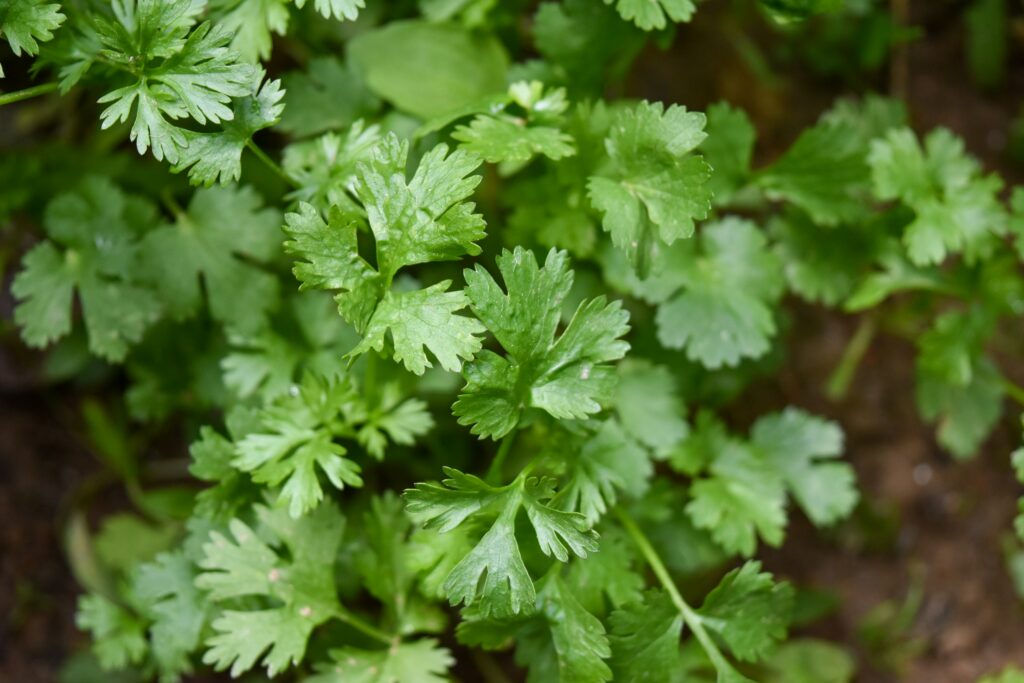
23. Parsley
Parsley pairs nicely with tomatoes, asparagus, carrots, peppers, roses, and chives. It also attracts swallowtail butterflies, making the garden more lively.
24. Chives
Chives complement strawberries, carrots, apples, tomatoes, roses, blueberries, and raspberries. Their compact size makes them easy to tuck into unused corners.
25. Thyme
Thyme grows well beside cabbage, strawberries, tomatoes, blueberries, roses, and eggplants. Once established, it also tolerates dry conditions better than many herbs.
Also read: Indoor Herb Garden Ideas for Fresh Herbs All Year Long
How to Start Companion Planting
If you’re new to companion planting, keep the process simple.
- Pick three or four companion combinations instead of changing your entire garden.
- Sketch your planting plan on paper before planting.
- Group plants with similar sunlight and watering needs.
- Leave enough spacing for airflow.
- Label your plants so you remember your layout next season.
- Keep notes about which combinations perform best in your climate.
A simple garden planner notebook, reusable plant labels, and a measuring tape are inexpensive tools that make planning much easier.
One thing many experienced gardeners agree on is that companion planting works best as part of a complete gardening system. Healthy soil, proper spacing, watering, and regular observation still matter more than any single companion combination.
Keep in mind that some pairings perform differently depending on your climate, soil, and local pests. If one combination disappoints you, try another instead of giving up on companion planting altogether.
A Small Trick That Makes Planning Easier
Instead of remembering dozens of combinations, group plants by purpose. Dedicate one corner to pollinator flowers like cosmos, zinnias, and alyssum. Plant herbs throughout your vegetable beds instead of keeping them together. This simple layout naturally creates more useful partnerships.
One Mistake to Avoid
Do not crowd plants just because they are compatible. Companion plants still need enough sunlight, airflow, and root space. Overcrowding often creates humidity and disease problems that cancel out many of the benefits companion planting provides.
Also read: Companion Planting Mistakes to Avoid: 25 Rival Plants That Should Never Share a Garden Bed
The best companion plants do more than save space. They help create a healthier, more balanced garden that requires less effort over time. Start with just a few proven combinations this season, observe how they perform in your garden, and build from there. Small changes often lead to stronger plants, better harvests, and a garden that becomes easier to manage each year.
Featured image credit: Photo by Annie Spratt on Unsplash
Leave a Reply