
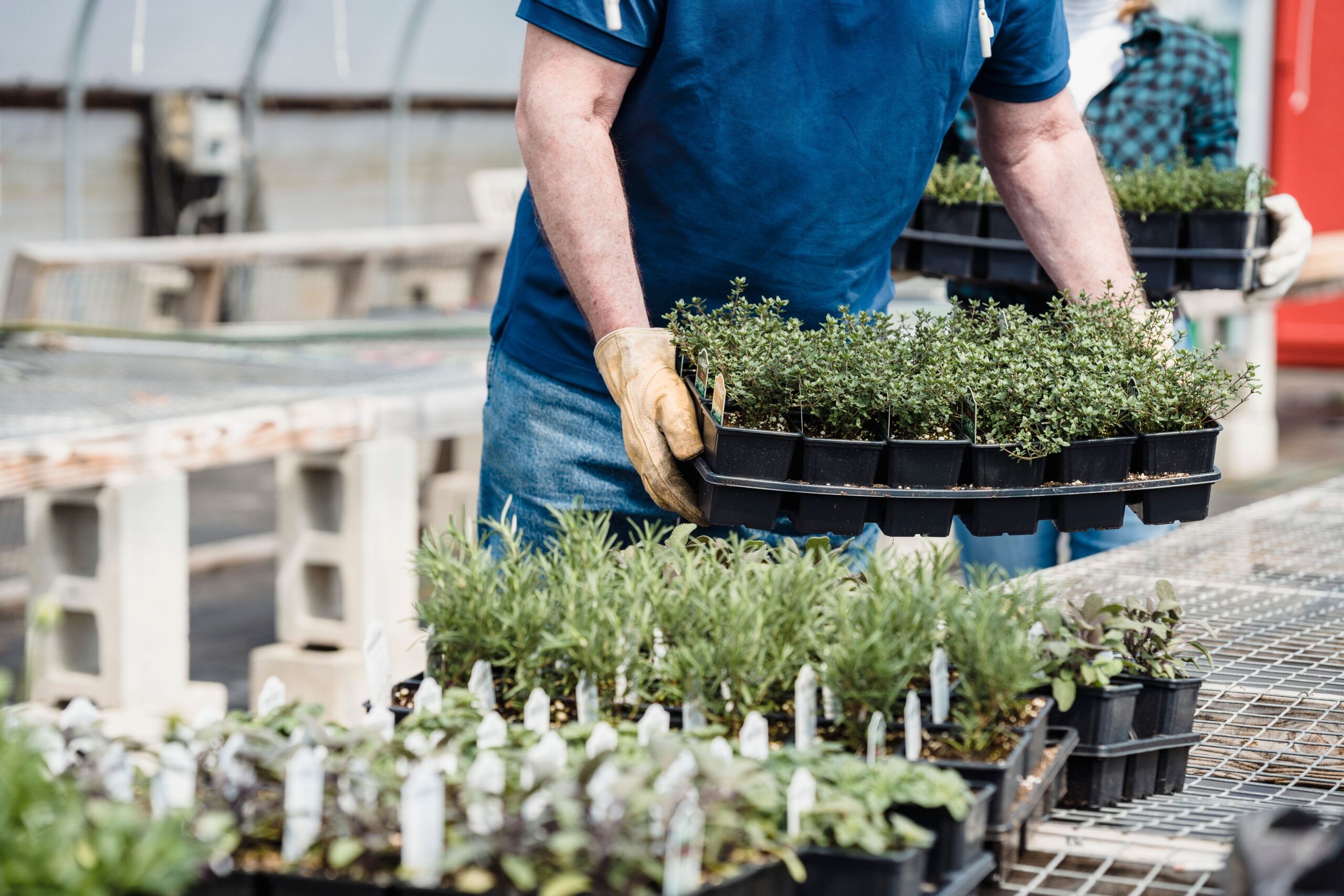
Starting an herb garden sounds simple until you begin deciding where everything should go.
Many new gardeners buy a few pots, plant basil, mint, parsley, and rosemary together, and expect them to thrive. A few weeks later, one herb looks crowded, another stays wet for too long, and the mint starts behaving like it owns the entire container. The problem usually is not the gardener. The problem is the layout.
A good herb garden layout helps you use your space efficiently, reduce maintenance, and keep herbs healthy throughout the growing season. Whether you have a sunny windowsill, apartment balcony, patio, raised bed, or backyard corner, the right herb garden design makes daily care easier and harvests more reliable.
Over the years, I have learned that herbs are surprisingly forgiving when you match the layout to their growing habits. Before choosing containers or buying seeds, it helps to understand how different layouts solve different gardening challenges.
Start with Your Space Before Choosing Your Herbs
One of the most common mistakes beginners make is choosing herbs first and designing the garden second. Instead, start by asking three simple questions:
- How much sunlight do you receive daily?
- How much space can you dedicate to herbs?
- How often can you realistically water and maintain them?
Most culinary herbs need at least six hours of sunlight. According to the University of Minnesota Extension Herb Gardening Guide, herbs generally perform best in sunny locations with well-drained soil.
Once you know your growing conditions, choosing a herb garden layout becomes much easier.
Also read: Herb Garden Kit for Beginners: The Perfect Setup for Fresh Herbs Without Wasting Money
Group Herbs by Water Needs First
Before discussing layout styles, it helps to understand one principle that matters more than almost anything else. Group herbs according to their watering needs.
Herbs That Like Consistent Moisture
These herbs generally appreciate slightly moist soil:
- Basil
- Parsley
- Chives
- Cilantro
Herbs That Prefer Drier Conditions
These herbs usually prefer less frequent watering:
- Rosemary
- Thyme
- Sage
- Oregano
- Lavender
Keeping these groups together makes watering simpler and reduces stress on your plants.
Give Mint Its Own Space
Mint deserves special treatment. Its roots spread aggressively and can quickly overtake nearby herbs. Even in larger herb garden ideas outdoor spaces, I always recommend giving mint its own container.
Herb Garden Layout for Small Balconies
If you only have a balcony, focus on vertical space. Arrange containers using:
- Tiered plant stands
- Wall-mounted planters
- Balcony rail planters
- Narrow shelving units
Place taller herbs such as rosemary toward the back and shorter herbs such as thyme toward the front. This layout allows every plant to receive sunlight while keeping pathways clear.
For most apartment gardeners, this remains one of the most practical herb garden ideas because it maximizes growing space without making the area feel crowded.
Window Box Herb Garden Layout
A window box layout works well for people who want fresh herbs within arm’s reach of the kitchen.
Choose herbs with similar moisture needs. A simple combination includes:
- Basil
- Parsley
- Chives
These herbs grow well together and often appear in everyday cooking.
Keep the window box at least 8 inches deep and ensure proper drainage. Shallow containers dry out quickly and require more frequent watering.
Raised Bed Herb Garden Design
A raised bed gives herbs more room while still keeping maintenance manageable. For a standard 4×4-foot raised bed, arrange plants according to height.
Back Row
- Rosemary
- Sage
Middle Row
- Oregano
- Parsley
Front Row
- Thyme
- Chives
This arrangement prevents taller herbs from shading smaller plants.
When designing raised beds, think about how mature plants will look rather than how they appear on planting day. Many herbs double or triple in size during the season.
Circular Kitchen Herb Garden
The circular herb garden remains one of the most popular herb garden design styles.
Traditionally, gardeners place taller herbs in the center and shorter herbs around the edges. For example:
Center:
- Rosemary
- Sage
Middle ring:
- Basil
- Parsley
Outer ring:
- Thyme
- Oregano
This layout creates easy access from all sides while adding visual interest to the garden. If appearance matters as much as harvests, this design offers both practicality and beauty.
Container Herb Garden Layout
Containers provide flexibility, especially for renters. Instead of placing all herbs into one large planter, use separate containers arranged by growing requirements. For example:
Container 1:
- Basil
- Parsley
- Chives
Container 2:
- Thyme
- Oregano
- Sage
Container 3:
- Mint
This approach makes watering easier and allows you to move plants if sunlight conditions change.
I personally prefer this layout because it prevents one struggling plant from affecting the entire garden.
Indoor Herb Garden Layout
Growing herbs indoors presents a unique challenge. Light becomes the limiting factor.
Place your herbs in this order:
Closest to the brightest window:
- Basil
- Rosemary
- Oregano
Slightly farther away:
- Parsley
- Chives
- Mint
If natural light is limited, consider adding a small LED grow light. Many indoor gardeners discover that lighting improves growth more than any fertilizer.
According to general observations from university extension programs and home gardening guides, inadequate light remains one of the leading causes of weak indoor herbs.
Family Cooking Herb Garden Layout
If your goal is cooking rather than collecting unusual herbs, build the layout around how you actually use herbs.
A practical cooking-focused garden often includes:
Italian section:
- Basil
- Oregano
- Parsley
Tea section:
- Mint
- Lemon balm
Roasting section:
- Rosemary
- Thyme
- Sage
This arrangement simplifies harvesting because related herbs stay together. You spend less time searching and more time cooking.
Herb Garden Layout for Maximum Harvests
If productivity matters most, focus on accessibility. Create narrow rows or grouped containers that allow you to reach every plant without stepping into the growing area.
The most productive gardens often look surprisingly simple. Many experienced gardeners prefer organized rows because harvesting becomes faster, pruning becomes easier, and airflow improves between plants.
While decorative layouts look attractive, practical layouts usually produce better long-term results.
Also read: Indoor Herb Garden Ideas for Fresh Herbs All Year Long
How to Plan Your Herb Garden Layout Step by Step
If you feel overwhelmed by the options, follow this process.
Step 1: Measure Your Space
Write down:
- Length
- Width
- Sun exposure
Even a rough sketch helps.
Step 2: Choose Your Core Herbs
Start with five to eight herbs. Good beginner choices include:
- Basil
- Parsley
- Chives
- Thyme
- Oregano
- Mint
Step 3: Group Similar Plants
Separate moisture-loving herbs from drought-tolerant herbs. Keep mint isolated.
Also read: Grow More With Less: The Best Herb Pairings That Actually Work (Even in Tiny Spaces)
Step 4: Position by Height
Place taller herbs where they will not shade smaller plants.
Step 5: Leave Growing Room
This step matters more than most people realize. Young herbs look tiny. Mature herbs often need much more space than expected. Giving plants room early reduces future maintenance.
A Simple Shortcut That Saves Time
One small habit improved my herb garden more than any special tool. I keep frequently harvested herbs closest to the kitchen door.
Basil, parsley, and chives receive the most use, so they stay nearest to the house. Less frequently used herbs such as rosemary can occupy farther corners.
This small adjustment encourages regular harvesting, which often leads to healthier and bushier plants.
A Few Layout Mistakes to Avoid
Avoid planting herbs based only on appearance. Many beautiful herb combinations struggle because their water requirements differ.
Also avoid overcrowding. Empty space often feels wasteful at first, but mature herbs quickly fill those gaps.
Finally, avoid planting mint directly into shared garden beds unless you want a future project dedicated entirely to managing mint.
The Layout Matters More Than Expensive Equipment
Many gardening guides focus heavily on tools, containers, and accessories. While those items can help, the layout usually has a bigger impact on success.
A thoughtful herb garden layout improves sunlight exposure, watering efficiency, airflow, harvesting convenience, and long-term maintenance. Even a simple setup can outperform an expensive garden if the design supports how herbs naturally grow.
The best herb garden layout is the one that matches your space, your cooking habits, and the needs of your plants. Whether you choose containers, raised beds, balcony shelves, or a traditional garden bed, focus on grouping herbs with similar needs and giving them enough room to grow. A well-planned herb garden design stays easier to maintain, produces healthier harvests, and makes gardening feel much more manageable throughout the year.
Featured image credit: Photo by Greta Hoffman
Leave a Reply