
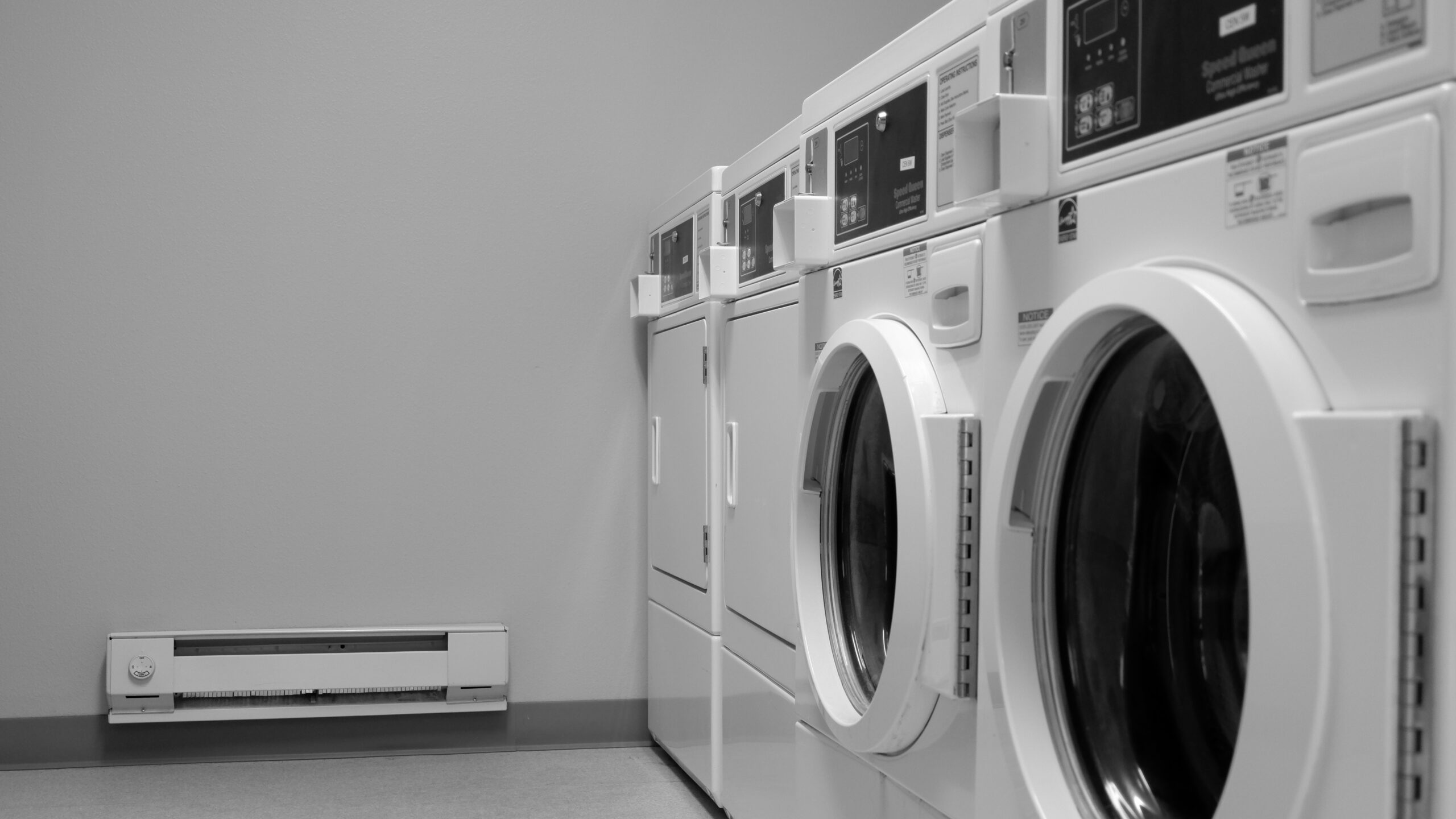
A laundry room that smells bad can quietly affect your comfort at home. You walk in expecting clean clothes, but instead you notice a damp, heavy smell that lingers in the air. Over time, this can also affect indoor air quality, especially if moisture and mildew build up in hidden corners. In some cases, poor ventilation or clogged drains can even lead to bacteria growth, which is not ideal in a space where you handle clothes and fabrics.
This is where practical laundry room smell hacks become useful. You do not need strong chemicals or constant deep cleaning. What matters more is understanding where the smell is coming from and fixing it step by step so the space stays naturally fresh.
Why laundry room smells happen more often than expected
From my own experience, laundry rooms are one of the easiest places for hidden smells to build up. The reason is simple. Water, humidity, detergent residue, and fabric lint all stay in one space. When even one of these is left unchecked, the smell slowly develops without you noticing at first.
Many people assume their smelly laundry room is just “normal,” but most odors have a clear cause. Once you identify the source, fixing it becomes much easier and less overwhelming.
Step-by-step laundry room smell hacks that actually work
1. Check your drain first if the smell is strong or sour
If your laundry room sometimes smells like sewer gas or has a sharp, unpleasant odor, the drain is usually the first place to check. Over time, lint, soap residue, and dirty water can settle inside the pipe and create buildup.
You should pour a mix of hot water, baking soda, and vinegar into the drain once a week. Let it sit for 10–15 minutes before flushing with more hot water. This simple habit often removes trapped residue and improves airflow in the pipe. If the smell returns quickly, you may be dealing with a deeper plumbing issue, and a plumber check is the safer option.
2. Clean the washing machine gasket and detergent drawer
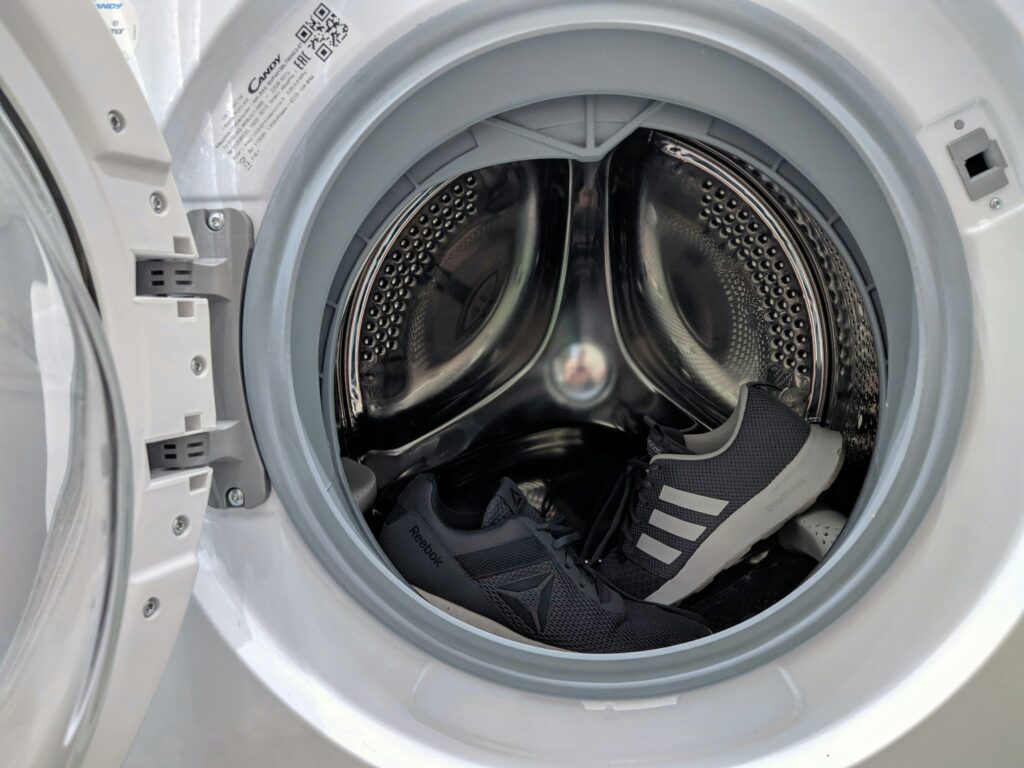
One of the most overlooked causes of a musty smell in laundry room spaces is the washing machine itself. Front-loading machines, in particular, trap moisture in the rubber gasket.
You should gently wipe the rubber seal after every few washes. Also, remove the detergent drawer once a week and rinse it with warm water. Mold and detergent sludge often hide in these areas. From my own routine, this step alone reduces most lingering damp smells because the machine is often the real source, not the room.
3. Improve airflow to prevent moisture buildup
A closed laundry room traps humidity, especially after washing or drying clothes indoors. Over time, this creates a soft, damp smell that sticks to fabrics and walls.
You should keep a window open when possible or use a small exhaust fan. If that is not available, a simple standing fan aimed at the room helps more than people expect. Good airflow is not just about freshness. It also slows down mold growth on walls and behind machines.
Also read: Laundry Room Organization Ideas: Simple Ways to Create a Calm, Functional Space
4. Control damp clothes and wet items immediately
A common reason for a smelly laundry room is leaving wet clothes inside the machine for too long. Even a few hours can create a sour smell that spreads into the room.
You should set a reminder to remove clothes right after the wash cycle ends. If that is difficult, use a loud timer or phone alert. It also helps to hang wet clothes immediately instead of letting them sit in baskets. Moisture sitting still is what creates most odors.
5. Use natural odor absorbers in corners and shelves
Instead of covering smells with strong fragrances, you can absorb them. Simple items work better than expected:
- Baking soda in open bowls
- Activated charcoal bags
- Coffee grounds in small breathable pouches
- Silica gel packs in drawers
These are low-cost and work quietly in the background. I usually place them behind machines or inside storage baskets where airflow is low.
6. Wash and dry laundry baskets regularly
Laundry baskets often hold invisible bacteria from damp clothes. Over time, this creates a hidden odor source that spreads into the room. You should wash plastic baskets with warm soapy water once every two weeks. For fabric baskets, a mild detergent wash and full drying in sunlight works well. This step is often ignored, but it makes a noticeable difference in long-term freshness.
Simple products that help maintain freshness
You do not need many items, but a few helpful tools can support your routine:
- Microfiber cloths for wiping machines and surfaces
- Small dehumidifier for closed laundry rooms
- Mesh lint traps for drains
- Essential oil diffuser (used lightly, not to mask strong smells)
- Waterproof storage bins for damp areas
These do not replace cleaning, but they help maintain the results with less effort.
A simple weekly freshness routine
If you want a system that stays easy to follow, this routine works well:
- Wipe machine surfaces every 2–3 days
- Check and empty lint traps weekly
- Clean drain once a week
- Wash laundry baskets every 2 weeks
- Keep airflow consistent daily
This structure prevents smell buildup instead of reacting to it later.
Small hack that makes a noticeable difference
One less obvious trick is placing a small bowl of baking soda mixed with a few drops of lemon oil behind the washing machine. It absorbs odor while leaving a very light fresh scent.
Another useful trick is freezing a few citrus peels and dropping them into the drain before flushing hot water. This helps reduce buildup and improves smell without harsh chemicals.
Also read: 11 Cleaning Closet Organization Ideas That Make Cleaning Supplies Easy to Find

What to be careful about
Avoid mixing strong chemical cleaners like bleach and vinegar together, as this can create harmful fumes. Also, do not ignore slow drains or persistent sewer-like smells. These often signal deeper plumbing issues that simple cleaning cannot fix. Lastly, avoid overusing fragrances to mask odors, as this hides the problem instead of solving it.
Final thoughts
Most laundry room smell hacks are not about heavy cleaning. They are about noticing small sources of moisture, buildup, and airflow problems before they turn into bigger issues. Once you understand the pattern, the space becomes much easier to manage.
A fresh laundry room is not about perfection. It is about creating a space that feels stable and easy to maintain, even on busy days.












Leave a Reply