
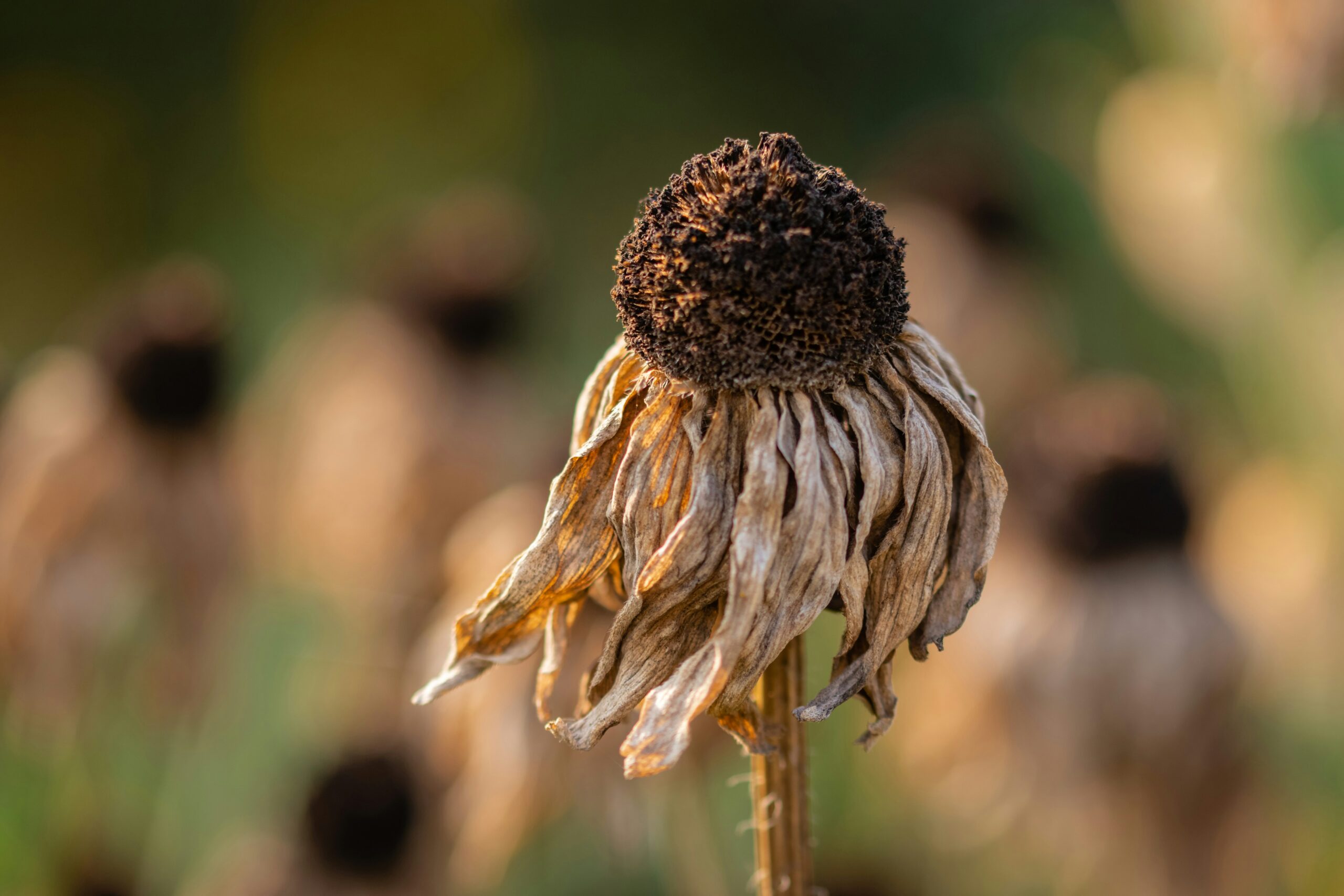
If you’ve walked into your garden one morning only to find yellow leaves, drooping stems, or a plant that suddenly looks lifeless, you’re not alone. One of the most common questions gardeners ask is, “Why are my plants dying?” The frustrating part is that many problems look almost identical at first. A thirsty plant can look like an overwatered one, while a nutrient problem can resemble a pest attack.
I’ve made these mistakes myself, especially when I first started gardening. I often tried to “fix” a struggling plant by watering or fertilizing it more, only to make the problem worse. The good news is that most plants show warning signs before they reach the point of no return. Once you know what to look for, you can often stop the damage early and help your plants recover.
“Why Are My Plants Dying?” Start by Looking for These Common Problems
Before changing your watering schedule or buying new fertilizers, spend a few minutes observing your plant. Check the soil, inspect both sides of the leaves, and think about any recent changes in weather or care. A simple garden notebook or phone reminder can also help you remember when you last watered or fertilized. That small habit has saved more of my plants than any expensive gardening product.
1. You Are Watering Too Much
Overwatering remains one of the biggest reasons new gardeners lose plants. Constantly wet soil pushes air out of the root zone, making it difficult for roots to breathe. Leaves often turn yellow, stems become soft, and the plant begins to wilt even though the soil feels wet.
This problem appears often in indoor plants, tomatoes, herbs, and container flowers. Instead of watering on a fixed schedule, check the soil with your finger or an inexpensive moisture meter. If the top inch still feels damp, wait another day or two. If root rot has already started, trim damaged roots and repot the plant into fresh, well-draining soil.
2. Your Plant Is Too Dry
Underwatering causes many of the same symptoms as overwatering, which makes it easy to confuse the two. Dry, crispy leaves, drooping stems, and soil pulling away from the sides of the pot usually point toward a lack of water.
Vegetable gardens often struggle during hot summers because large plants use water much faster than expected. Tomatoes, cucumbers, and squash may need deep watering several times each week during heat waves.
Instead of giving small daily splashes, water deeply so moisture reaches the full root system. A simple soaker hose or drip irrigation kit can save both water and time.
3. Your Plant Isn’t Getting the Right Amount of Sunlight
Light affects almost everything a plant does. Too little sunlight leads to weak stems, pale leaves, and slow growth. Too much afternoon sun can scorch leaves and dry the soil before roots absorb enough moisture.
Many people ask why their indoor plants are dying when the real problem is poor lighting rather than watering. Before moving a struggling plant, check how many hours of direct sunlight that variety actually needs.
If your garden has limited sunlight, grow leafy vegetables, herbs, and ferns in shadier areas while placing tomatoes, peppers, and cucumbers in the brightest location available.
4. The Soil Is Working Against the Roots
Healthy plants begin with healthy soil. Heavy clay stays wet for too long, while sandy soil dries out quickly. Poor drainage often causes the same symptoms as overwatering because roots remain surrounded by excess moisture.
I noticed a dramatic improvement after adding compost to my garden every season. Compost improves drainage in heavy soil while helping sandy soil hold moisture longer.
Raised beds and quality potting mixes also make gardening much easier if your native soil creates constant problems.
5. Pests Are Quietly Damaging the Plant
Tiny insects often hide underneath leaves where gardeners rarely look. Aphids, spider mites, whiteflies, and thrips feed on plant sap, causing curled leaves, yellow spots, and weak growth.
Check both sides of several leaves every few days, especially during warm weather. A simple magnifying glass helps you spot insects long before serious damage appears.
Most small infestations respond well to a strong spray of water or insecticidal soap if you catch them early.
6. Disease Has Started to Spread
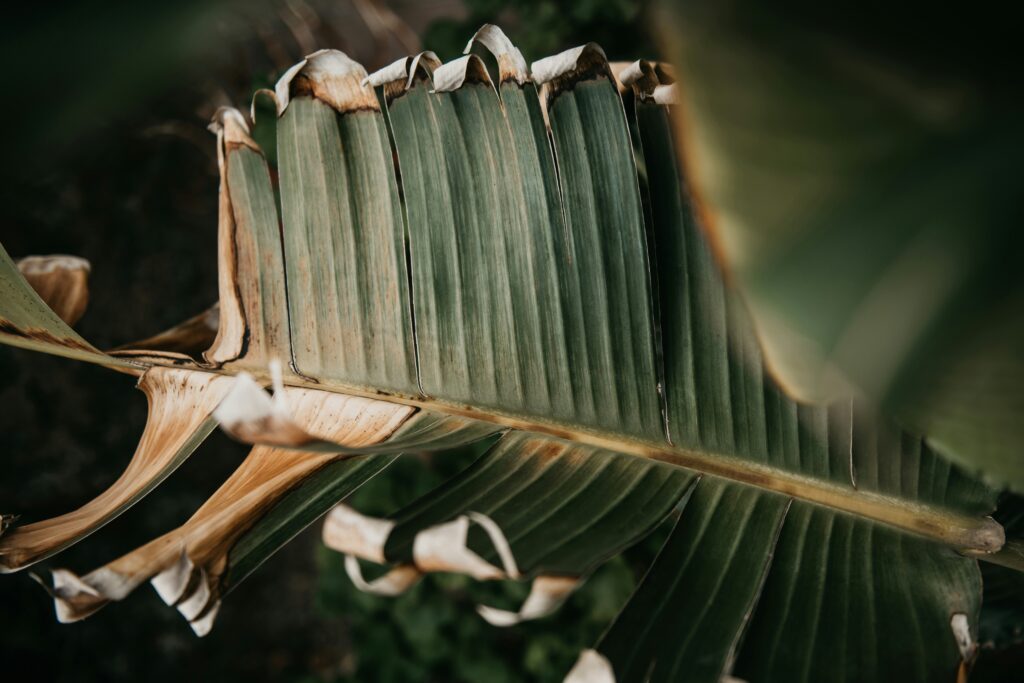
Fungal and bacterial diseases often appear after long periods of wet weather or poor air circulation. Black spots, fuzzy mold, stem rot, and unusual leaf patterns usually indicate disease rather than watering problems.
Tomatoes, cucumbers, roses, and squash commonly develop fungal diseases when leaves stay wet for long periods.
Remove infected leaves immediately and clean your pruning shears between plants. Water the soil instead of the leaves whenever possible to reduce future problems.
7. Too Much or Too Little Fertilizer
Plants need nutrients, but more fertilizer does not always produce healthier growth. Excess fertilizer burns roots and leaf tips, while too little fertilizer slows growth and causes pale foliage.
Many gardeners wonder why their plants are not growing even though they fertilize regularly. In many cases, they are simply feeding too often.
Follow the instructions on the fertilizer label, and remember that compost already provides many nutrients. Keeping a simple feeding schedule on your phone helps prevent accidental overfeeding.
8. Your Plant Has Outgrown Its Pot
Container plants eventually run out of room. Roots begin circling inside the pot, water drains straight through, and growth slows even though you continue watering and feeding.
Spider plants, pothos, monsteras, peppers, and tomatoes frequently become root-bound.
Slide the plant gently out of the pot. If you see thick circles of roots around the outside, move it into a container that is only one or two inches larger. Oversized pots hold too much moisture, so increasing the size gradually usually works best.
Also read: Container Gardening Made Easy: Vegetables to Grow for Every Pot Size
9. Weather Stress Is More Serious Than You Think
Sudden heat waves, cold nights, heavy rain, or strong winds place enormous stress on plants. Gardeners often blame themselves when weather caused most of the damage.
Young vegetable seedlings and newly planted flowers struggle the most because their roots have not fully established yet. Temporary shade cloth, row covers, and mulch help protect plants from sudden weather changes.
Sometimes the best solution is patience. Once the weather improves, healthy roots often produce fresh growth without any additional treatment.
A Simple Recovery Plan You Can Start Today
If your plant looks unhealthy but you’re not sure why, avoid changing everything at once. I usually follow this simple process:
- Check the soil moisture before watering.
- Inspect both sides of the leaves for insects.
- Look for spots, mold, or damaged stems.
- Think about recent fertilizer applications.
- Confirm the plant receives the correct amount of sunlight.
- Remove only completely dead leaves.
- Wait a few days before making another major change.
This step-by-step approach helps you identify the real problem instead of guessing.
A Small Trick That Has Saved Many of My Plants
Place a wooden chopstick or bamboo skewer deep into the soil for a few minutes before watering. When you pull it out, damp soil sticks to the wood while dry soil falls away. It works almost like a moisture meter and helps you avoid both overwatering and underwatering.
One Mistake to Avoid
Avoid treating every yellow leaf the same way. Yellowing can result from watering problems, nutrient imbalances, pests, diseases, or natural aging. Spend a few minutes identifying several symptoms before reaching for fertilizer or watering can. A careful diagnosis usually saves far more plants than a quick reaction.
Healthy Gardening Starts with Observation
Many experienced gardeners agree that observation matters more than constantly buying new products. Plants usually give several warning signs before they decline. Paying attention to changes in leaf color, soil moisture, growth rate, and weather often solves the mystery faster than adding another fertilizer or pesticide.
One important exception is severe root rot or advanced disease. If most of the root system has already died, recovery may not be possible. Even then, treating the experience as a learning opportunity will help you protect future plants.
If you’ve been asking yourself, “Why are my plants dying?”, remember that the answer is usually a combination of observation and patience rather than guesswork. Most struggling plants can recover when you identify the real cause early and make one thoughtful change at a time. The more closely you watch your garden, the easier it becomes to spot problems before they become permanent.
Featured image credit: Photo by Pawel Czerwinski on Unsplash
Leave a Reply