
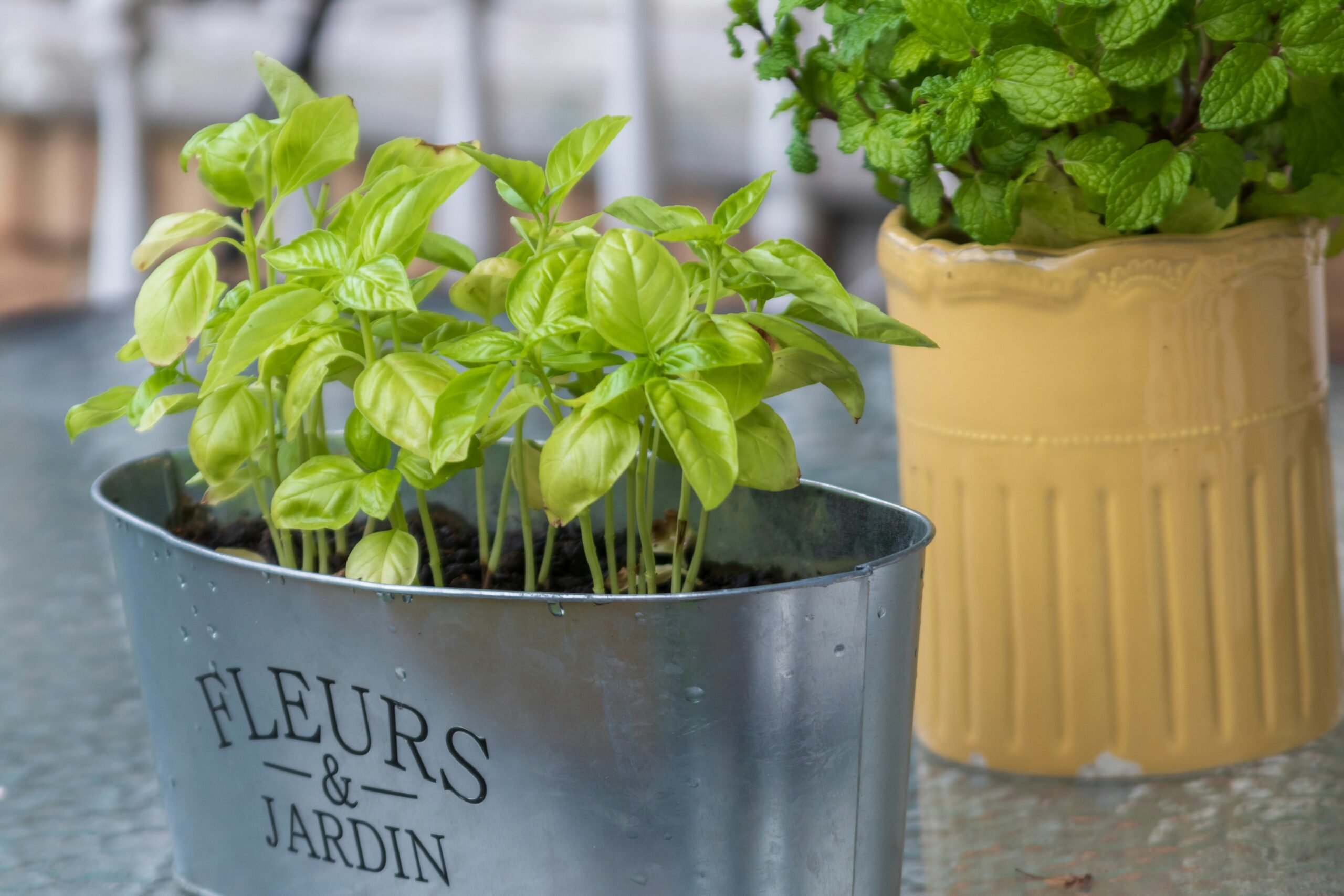
A cup of tea often feels simple until you look at the price of specialty herbal blends or wonder how many ingredients were sprayed, processed, or stored before reaching your kitchen. Many gardeners start looking into a backyard tea garden for the same reason they start vegetable gardening: they want more control over what they grow and consume.
The good news is that you do not need a large property or a complicated setup to grow your own tea ingredients. Many tea garden plants thrive in containers, raised beds, small patios, and modest backyard spaces. In fact, a well-planned tea garden can provide fresh herbs and flowers for dozens of cups throughout the growing season.
When I started growing herbs for tea, I assumed I needed the traditional tea plant. I quickly learned that some of the easiest and most rewarding tea ingredients grow surprisingly well in ordinary home gardens. Let’s walk through exactly how to build a productive backyard tea garden from the ground up.
Why Start a Backyard Tea Garden?
A tea garden offers several practical benefits.
First, it helps reduce the cost of buying specialty herbal teas. Second, you know exactly how your plants were grown. Third, many tea herbs attract pollinators and add beauty to the garden even when you are not harvesting them.
Perhaps most importantly, harvesting a few fresh leaves or flowers from your own garden often feels simpler than making a special trip to the store.
The most successful tea gardens focus on plants that are easy to grow, useful in multiple recipes, and suitable for local conditions.
Step 1: Choose the Best Location
Before choosing plants, select a location that receives at least 6 hours of sunlight daily.
Most tea herbs perform best in:
- Raised beds
- Containers
- Sunny backyard borders
- Patio planters
If your space receives partial shade, you can still grow several tea plants successfully. Mint, lemon balm, and some varieties of chamomile often tolerate lighter conditions better than sun-loving herbs.
Keep your tea garden close to the house if possible. The easier it is to access, the more likely you are to harvest regularly.
Also read: Indoor Herb Garden Ideas for Fresh Herbs All Year Long
Step 2: Prepare the Soil
Most tea garden plants prefer:
- Well-draining soil
- Organic matter or compost
- Moderate fertility
Before planting, mix compost into the soil. According to the University of Minnesota Extension Herb Gardening Guide, herbs generally perform best in soil that drains well and does not remain constantly wet.
Avoid adding excessive fertilizer. Many aromatic herbs actually develop stronger flavors when grown in moderately fertile soil.
Step 3: Plant These Tea Garden Favorites
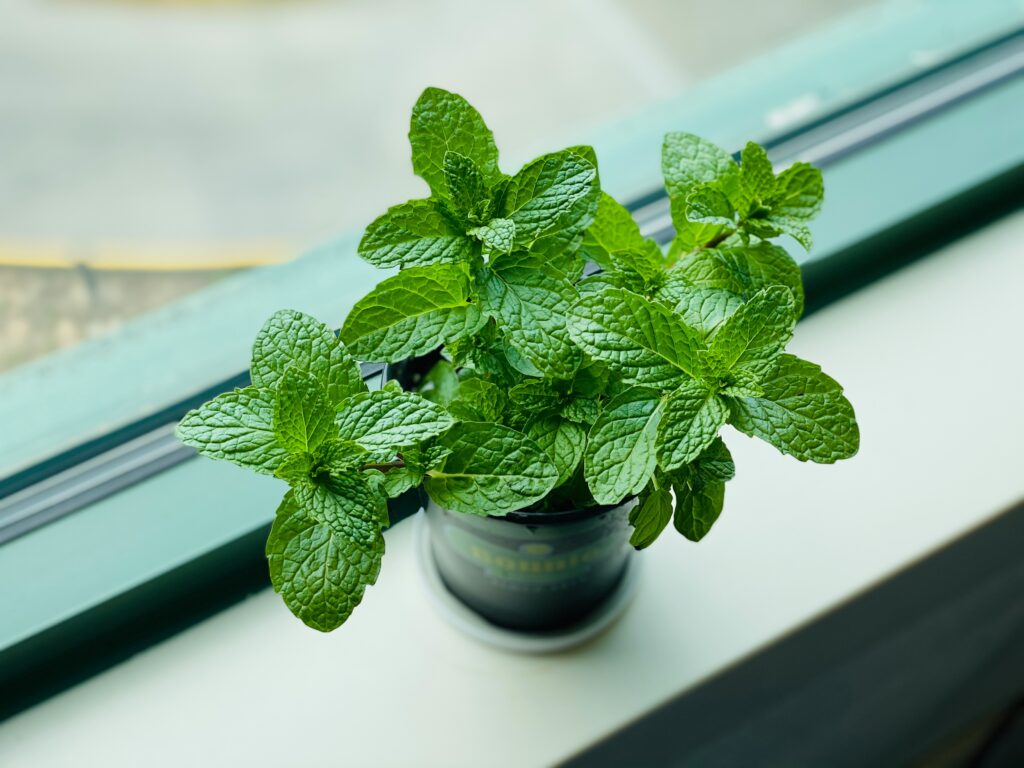
1. Mint
Mint is often the first plant people add to a tea garden.
Sunlight: Full sun to partial shade
Water: Consistent moisture
Compost: Light compost application once or twice yearly
Common pests: Aphids and spider mites
Simple solution: Spray plants with water or diluted insecticidal soap
Typical yield: One mature plant can provide dozens of harvests during the growing season.
Mint grows vigorously and spreads aggressively. I always recommend growing it in its own container rather than directly in the ground.
2. Lemon Balm
Lemon balm produces a mild citrus flavor that works beautifully in hot or iced tea.
Sunlight: Full sun to partial shade
Water: Moderate
Compost: Once each season
Common pests: Aphids
Typical yield: Frequent harvests from spring through fall
Lemon balm grows easily and often becomes one of the most productive plants in a backyard garden.
3. Chamomile
Chamomile remains one of the most popular tea garden plants.
Sunlight: Full sun
Water: Moderate
Compost: Minimal
Common pests: Rarely serious
Typical yield: Hundreds of flowers per season from healthy plants
Harvest flowers regularly to encourage continued blooming.
4. Lavender
Lavender adds fragrance and flavor to tea blends.
Sunlight: Full sun
Water: Low once established
Compost: Very light
Common pests: Root rot is usually a bigger concern than insects
Typical yield: Multiple flower harvests yearly
Lavender dislikes wet soil. Good drainage matters more than additional fertilizer.
5. Lemon Verbena
Many gardeners describe lemon verbena as one of the strongest lemon-flavored herbs available.
Sunlight: Full sun
Water: Moderate
Compost: Once or twice yearly
Common pests: Whiteflies
Typical yield: Regular leaf harvests throughout the growing season
The leaves dry exceptionally well for winter use.
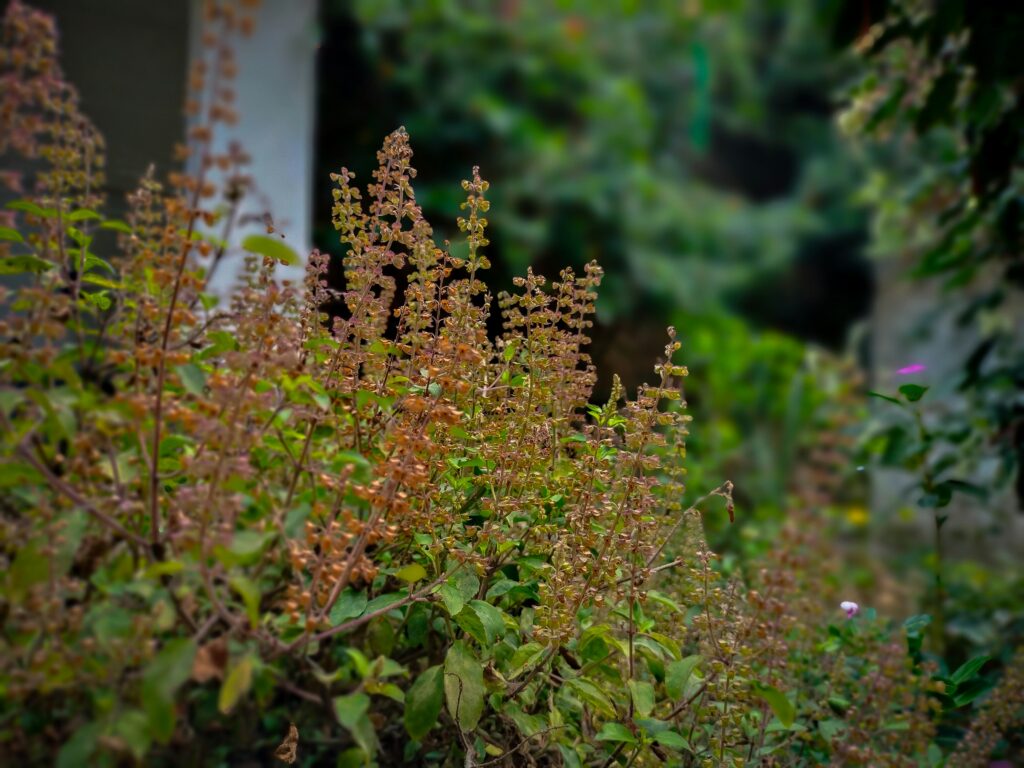
6. Holy Basil (Tulsi)
Tulsi remains popular in many home gardens because of its aromatic leaves.
Sunlight: Full sun
Water: Moderate
Compost: Monthly light feeding
Common pests: Aphids and whiteflies
Typical yield: Frequent leaf harvests
Regular trimming helps maintain productivity.
7. Rosemary
Although many people think of rosemary as a cooking herb, it also works well in tea blends.
Sunlight: Full sun
Water: Low
Compost: Minimal
Common pests: Usually few
Typical yield: Continuous harvesting from established plants
Rosemary grows slowly at first but rewards patience.
8. Hibiscus
Hibiscus produces beautiful flowers that create colorful tea.
Sunlight: Full sun
Water: Moderate to high
Compost: Every few months
Common pests: Aphids and whiteflies
Typical yield: Large seasonal flower harvest
The bright color alone often makes hibiscus worth growing.
9. Stevia
Stevia offers natural sweetness for homemade tea.
Sunlight: Full sun
Water: Moderate
Compost: Light feeding
Common pests: Generally few
Typical yield: Continuous leaf harvests
A few leaves often sweeten an entire cup.
10. Tea Plant (Camellia sinensis)
If you want traditional black, green, or white tea, consider growing the actual tea plant.
Sunlight: Partial sun to full sun
Water: Consistent moisture
Compost: Organic compost several times yearly
Common pests: Scale insects and aphids
Typical yield: Small harvests initially, increasing over time
One limitation worth mentioning is that Camellia sinensis performs best in certain climates. If conditions are unsuitable, herbs such as mint, chamomile, and lemon balm often provide a more practical starting point.
Step 4: Organize Your Tea Garden Layout
A simple tea garden design helps maintenance stay manageable.
Moisture-Loving Section
- Mint
- Lemon balm
- Hibiscus
Drier Section
- Lavender
- Rosemary
Everyday Tea Section
- Chamomile
- Tulsi
- Lemon verbena
Grouping plants by water needs makes daily care much easier. Most experienced gardeners agree that matching plant requirements matters more than creating an elaborate layout.
Step 5: Harvest Correctly
Many beginners hesitate to harvest because they worry about harming their plants. In reality, regular harvesting often encourages more growth.
A few simple guidelines help:
- Harvest in the morning after dew dries.
- Never remove more than one-third of a plant at once.
- Use clean scissors or pruners.
- Harvest flowers when fully open.
Regular harvesting helps many herbs remain productive for months.
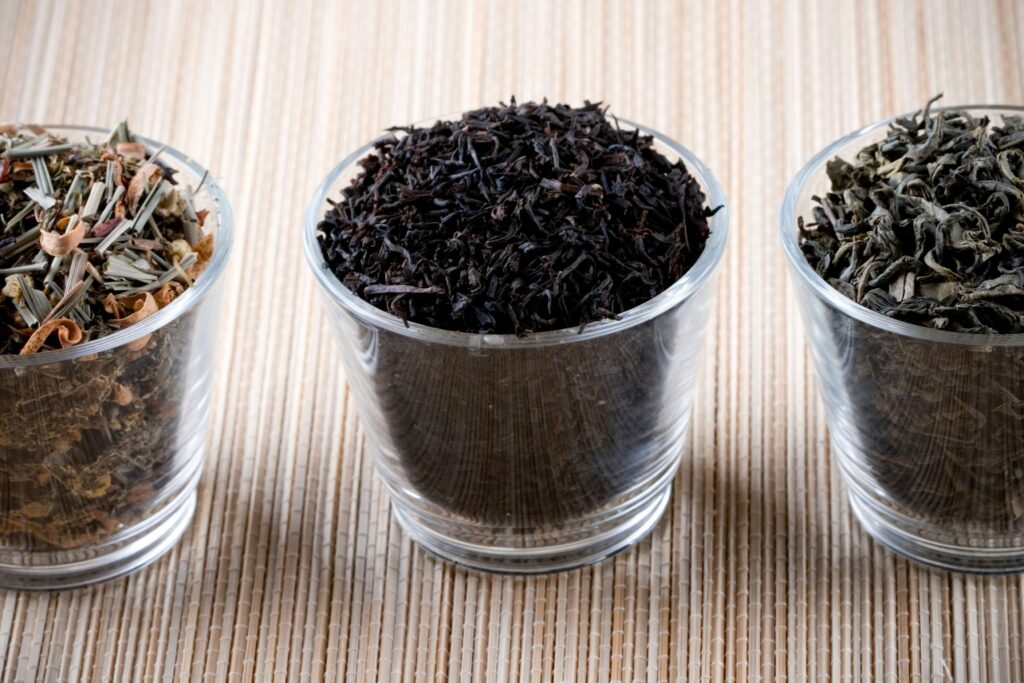
Drying and Storing Your Tea Ingredients
Fresh tea tastes wonderful, but dried herbs extend the harvest.
To dry herbs:
- Gather small bundles.
- Hang them upside down in a dry room.
- Keep them away from direct sunlight.
- Store fully dried herbs in airtight containers.
Many herbs retain good flavor for several months when stored properly.
A Simple Tea Garden That Fits Almost Any Space
If space is limited, start with:
- Mint
- Chamomile
- Lemon balm
- Tulsi
- Lavender
Five containers can produce enough ingredients for dozens of cups throughout the season.
Many gardeners discover that a small, well-maintained tea garden produces more usable harvests than a large, overcrowded one.
One Trick That Saves Money
Instead of buying multiple seedlings every year, allow a few chamomile and lemon balm plants to go to seed.
These herbs often self-seed successfully and provide free plants for future seasons. Over time, this can significantly reduce gardening costs while keeping the tea garden productive.
Also read: 8 Gardening Hacks That Save Busy People Real Time and Money
What to Avoid
Avoid planting all tea herbs in one large container. Different herbs often have different watering needs.
Also avoid harvesting heavily from young plants. Give them time to establish strong roots first. A little patience during the first season often leads to larger harvests later.
A backyard tea garden does not require a large property or a significant budget. By choosing reliable tea garden plants such as mint, chamomile, lemon balm, tulsi, and lavender, you can create a steady source of fresh ingredients for homemade tea. Start small, focus on plants that suit your climate, and build your tea garden one season at a time. Before long, your backyard tea garden can become one of the most useful and enjoyable parts of your home garden.
Featured image credit: Photo by Misael Chavez on Unsplash
Leave a Reply