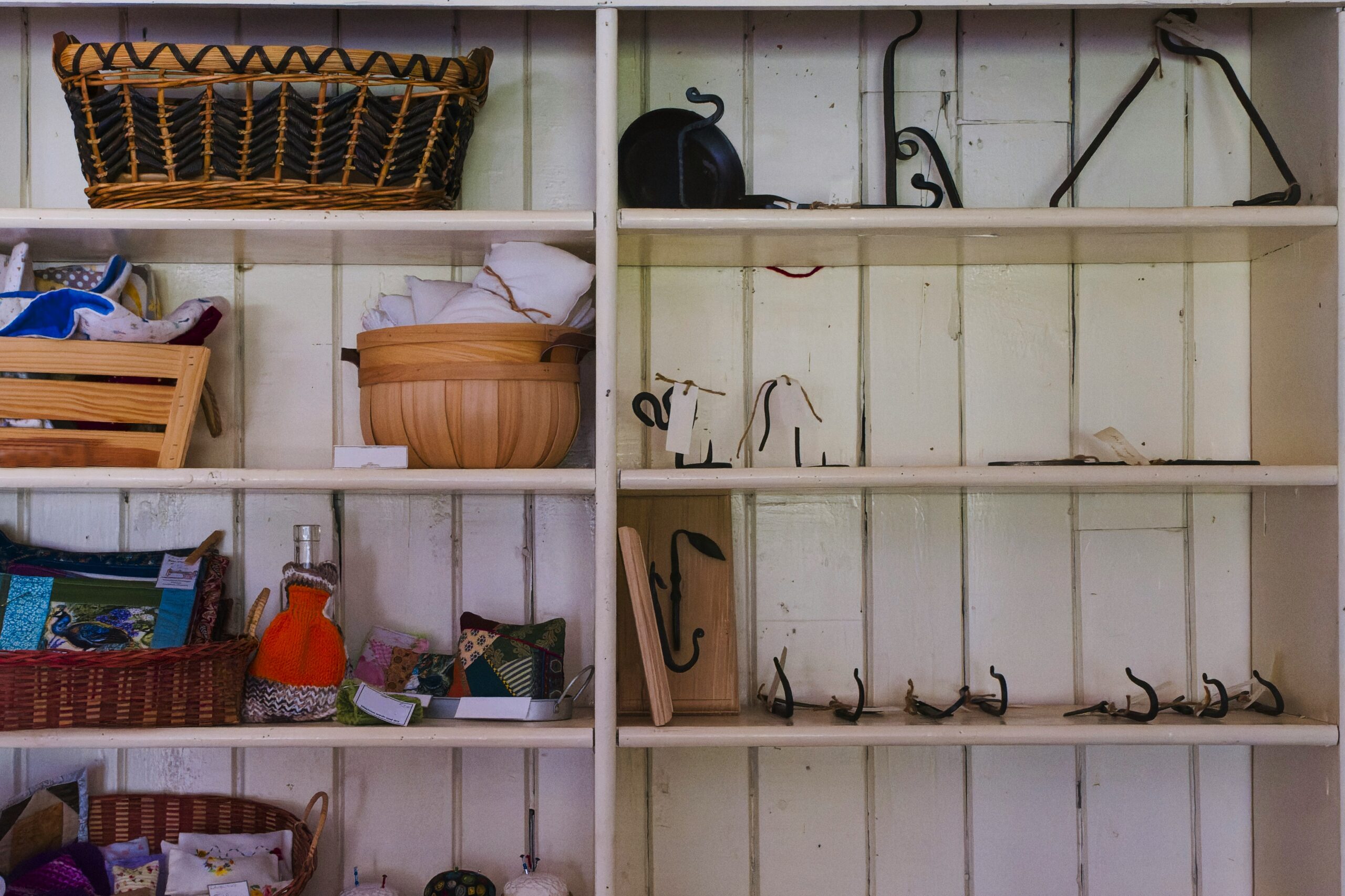
You open a drawer looking for one thing, and suddenly you cannot close it again. A shelf feels crowded, but every item seems tied to a memory, a future plan, or a “just in case” reason. Many people do not struggle with cleaning itself. They struggle with deciding what deserves space in their home.
That is why the one-year rule has become one of the most practical decluttering tips people return to again and again. The idea is simple: if you have not used, worn, or needed something in the past year, you should seriously question whether it still belongs in your home.
At first, this sounds harsh. But once you start using it, the rule creates clarity. Instead of making emotional decisions one item at a time, you build a simple system that reduces stress and mental clutter along with physical clutter.
I started using this method after noticing how many things I was storing for an imaginary future version of myself. Clothes that no longer fit my lifestyle, kitchen tools I forgot I owned, and boxes filled with random items “too useful to throw away” were taking up space I actually needed in daily life.
The surprising part was not how much I removed. It was how much calmer my home felt afterward. So if your home feels harder to manage lately, this approach can help you reset things without turning your life upside down.
Why the One-Year Rule Works So Well
Many of the best decluttering methods work because they reduce decision fatigue. Instead of asking yourself twenty emotional questions about every object, you follow one practical guideline.
A year covers most real-life situations. It includes all seasons, holidays, routines, and unexpected moments. If you truly needed something, there is a good chance you would have reached for it during that time.
This rule also helps people stop organizing clutter they do not actually need. That is a common mistake. People buy storage bins, labels, and baskets without reducing the amount of stuff first. Eventually, the home still feels crowded because the real problem never changed.
Research from the UCLA Center on Everyday Lives of Families found that cluttered homes often increase stress levels, especially for women managing shared household spaces. The emotional pressure of “too much stuff” is real, even when the items themselves seem harmless.
The one-year rule creates boundaries. It gives your home a limit before clutter quietly expands into every corner.
Also read: 5 Decluttering Methods Compared: Which One Works Best for You?
Start with Low-Emotion Areas First
One reason people give up on decluttering is that they begin with emotionally difficult categories like family keepsakes or old photographs. That quickly becomes exhausting. Instead, begin with easier spaces where decisions feel more practical than emotional.
Good starting points include:
- Expired pantry items
- Extra mugs or plates
- Old makeup or skincare
- Duplicate kitchen tools
- Unused phone chargers
- Worn-out towels
- Clothes you forgot you owned
These areas help you build confidence. You start seeing how often you keep things out of habit rather than usefulness.
For example, I once found three vegetable peelers in one drawer. I only ever used one of them. The others stayed there simply because removing them never felt urgent. Small discoveries like that happen often during decluttering.
As you gain momentum, larger decisions become easier because your brain stops treating every object like a high-stakes choice.
A Simple Way to Apply the Rule without Overthinking
The easiest way to use the one-year rule is to sort items into clear categories.
Keep: You used it recently, it serves your current lifestyle, or it has a specific purpose you regularly return to.
Donate or Sell: The item still works well, but you no longer use it often enough to justify keeping it.
Toss or Recycle: The item is damaged, expired, broken, or difficult to donate responsibly.
This structure matters because many people get stuck in “maybe” piles for months. The more uncertain categories you create, the harder the process becomes. You also do not need to declutter your entire home in one weekend. In fact, that approach often creates burnout. A slower pace usually works better long term.
You could spend twenty minutes clearing one shelf, one drawer, or one cabinet at a time. Small systems tend to survive longer than dramatic cleanouts.
Clothes Often Reveal the Biggest Patterns
Closets hold emotional clutter more than almost any other area of the home. People keep clothes for many reasons:
- guilt about spending money
- hope for future weight changes
- memories connected to certain periods of life
- pressure to look a certain way again
The one-year rule helps separate fantasy from reality.
If you skipped an item through every season, special occasion, and casual day for an entire year, ask yourself why it still occupies valuable space. This does not mean you should throw away one formal outfit you wear rarely. The goal is not perfection. The goal is awareness.
One helpful question is: “If I saw this in a store today, would I still choose it for my current life?” That question often reveals more than you expect.
Many decluttering hacks focus on folding methods or closet color systems. Those can help later. But first, you need fewer items competing for attention every morning.
Also read: Decluttering Tips: How to Declutter Your Closet in Just One Weekend
Be Careful With “Just in Case” Thinking
One of the biggest decluttering mistakes is keeping too many things for unlikely situations. Extra cords, random containers, old paperwork, unused craft supplies, and broken appliances often stay in homes because people fear needing them someday.
Sometimes that concern is reasonable. Replacing certain items costs money. However, many “just in case” objects remain untouched for years while creating daily stress in the present.
A practical middle ground works best. Keep items that would genuinely be expensive, difficult, or important to replace. Let go of things that are easy to rebuy or borrow if necessary.
For example, one backup extension cord makes sense. Six tangled mystery cables probably do not. This balanced approach matters more than strict minimalism. A comfortable home should support your real life, not force you into extreme rules.
What About Sentimental Items?
Sentimental clutter deserves a gentler approach. The one-year rule does not fully apply to deeply meaningful items like family letters, heirlooms, or personal keepsakes. Some objects carry emotional value beyond daily usefulness.
Still, even sentimental storage benefits from limits. Instead of keeping every memory item, choose the pieces that genuinely tell the story you want to preserve. A small memory box often feels more meaningful than several overflowing bins you never open.
You can also photograph certain sentimental items before donating them. This works especially well for childhood artwork, old greeting cards, or bulky objects that no longer fit your space.
The important part is intentionality. You should feel connected to the items you keep, not burdened by them.
Why Many Homes Feel Cluttered Again So Quickly
Decluttering once does not automatically prevent future clutter. Most homes become crowded again because new items enter faster than old items leave. Shopping habits, free samples, impulse purchases, and unfinished projects slowly rebuild the problem.
This is where maintenance matters more than perfection. One of the most useful decluttering ideas is creating a regular review habit. Every few months, revisit one area before it becomes overwhelming again.
You can also use simple guardrails like:
- donating one item when buying something new
- avoiding bulk purchases without storage space
- keeping visible surfaces partially empty
- finishing one project before starting another
These habits sound small, but they prevent clutter from quietly returning.
According to Good Housekeeping’s organizing research and expert interviews, people often maintain organized homes more successfully when they focus on repeatable routines instead of large cleaning events. That matches what many people experience in real life. Consistency usually works better than intense motivation.
Also read: 50 Tiny Things to Declutter That Quietly Make Your Home Feel Messy
A Home Feels Different When It Supports Your Daily Life
The one-year rule is not really about throwing things away. It is about making room for the version of your home you actually use every day.
When your shelves hold useful items instead of forgotten ones, daily tasks become easier. You spend less time searching, rearranging, cleaning around clutter, or feeling mentally crowded by unfinished decisions.
Some items will still be difficult to part with, and that is normal. You do not need to follow the rule perfectly for it to help you. Even small changes can create noticeable relief.
Among all the decluttering tips people share online, this method stays popular because it removes pressure from the process. You stop asking whether you are “good” at organizing and start asking a simpler question:
“Does this still support my life today?”
That question alone can change how your home feels over time.
Featured image credit: Photo by Eric Prouzet on Unsplash