
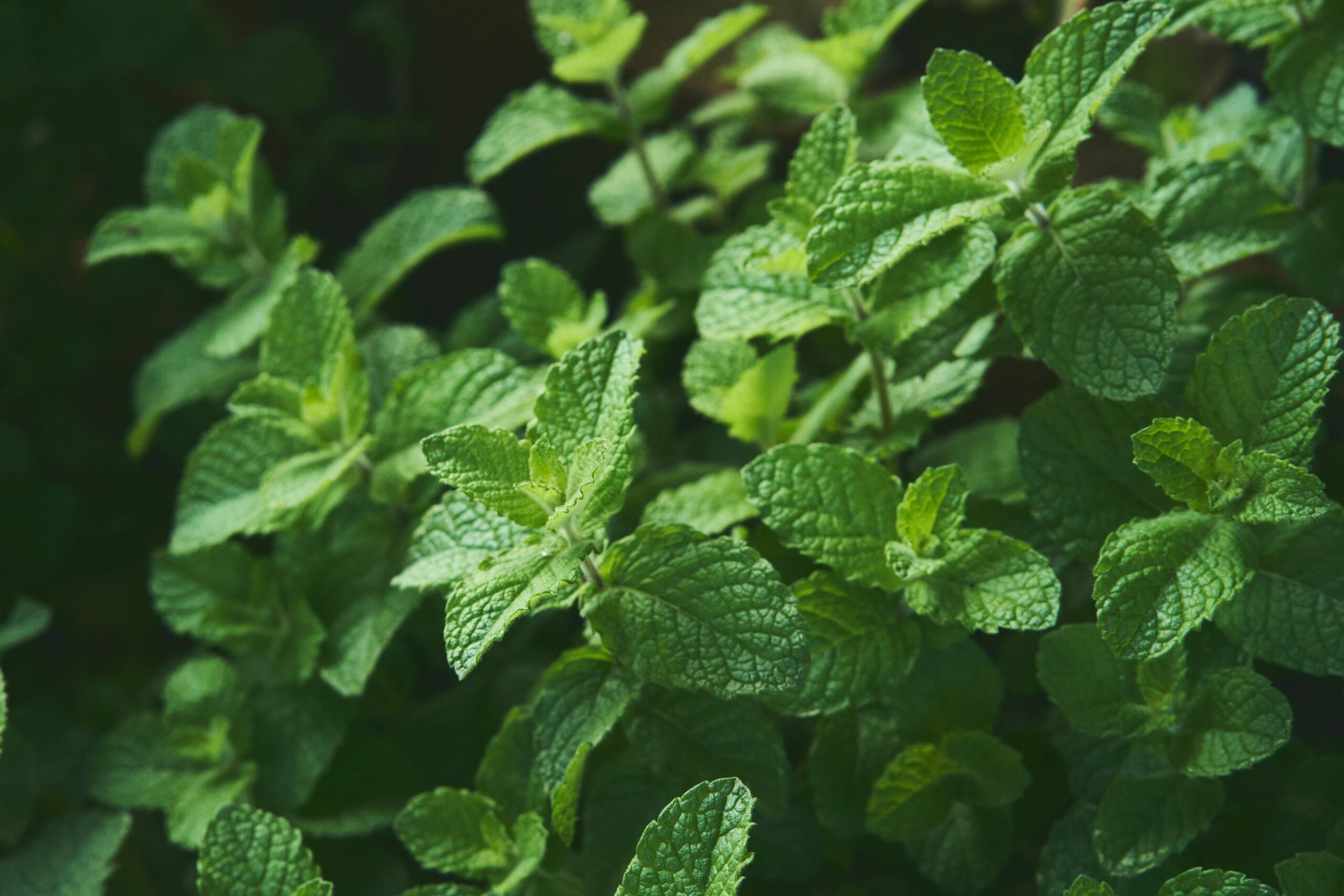
A lot of people start a garden because they want fresher food, fewer chemicals, or a more peaceful outdoor space. Then they discover another benefit: many common herbs and flowers have a long history of supporting everyday wellness.
The challenge is knowing where to start. Some plants seem easy to grow online, but they struggle in containers. Others spread so aggressively that they take over an entire bed. New gardeners often end up with plants that need more space, water, or attention than expected.
The good news is that you do not need a large yard or a big budget to create a useful medicinal herb garden. With a few containers, quality soil, and the right plant choices, you can grow a collection of herbs and flowers that contribute to daily well-being while fitting into a balcony, patio, or small backyard.
Let’s walk through the plants, layout ideas, and care systems that can help you build a productive garden from the start.
Why Build a Medicinal Herb Garden?
A medicinal garden does not replace medical care, and no plant can magically cure serious diseases. However, many herbs contain compounds that people have traditionally used to support digestion, relaxation, respiratory comfort, skin care, and general wellness.
Research from organizations such as the National Center for Complementary and Integrative Health shows that many herbs continue to be studied for their potential health benefits.
For me, the biggest advantage is convenience. Instead of buying small packets of dried herbs repeatedly, I can step outside and harvest what I need for tea, cooking, or simple home preparations.
Also read: Indoor Herb Garden Ideas for Fresh Herbs All Year Long
How to Plan Your Medicinal Herb Garden
Before choosing plants, create a simple plan.
Step 1: Pick the Sunniest Spot
Most medicinal herbs need at least 6 hours of sunlight daily. If you garden on a balcony, watch how sunlight moves across the space for a few days before placing containers permanently.
Step 2: Use Containers If Space Is Limited
Many herbs grow beautifully in pots. Containers also make it easier to control aggressive plants such as mint.
Step 3: Start Small
Many beginners buy 15 different plants immediately. I usually recommend starting with 5 to 8 plants during your first season. You can always expand later.
15 Medicinal Plants You Can Grow at Home
1. Tulsi (Holy Basil)
Tulsi remains one of the easiest medicinal herbs for warm climates.
Sunlight: Full sun
Water: Keep soil lightly moist
Feeding: Compost every 4 to 6 weeks
Yield: Regular harvests throughout the growing season
Many people use tulsi leaves in herbal teas for everyday wellness.
2. Peppermint
Peppermint grows quickly and produces abundant leaves.
Sunlight: Partial to full sun
Water: Consistent moisture
Feeding: Compost twice during the season
Yield: Frequent harvests from one plant
Grow peppermint in its own container because it spreads aggressively.
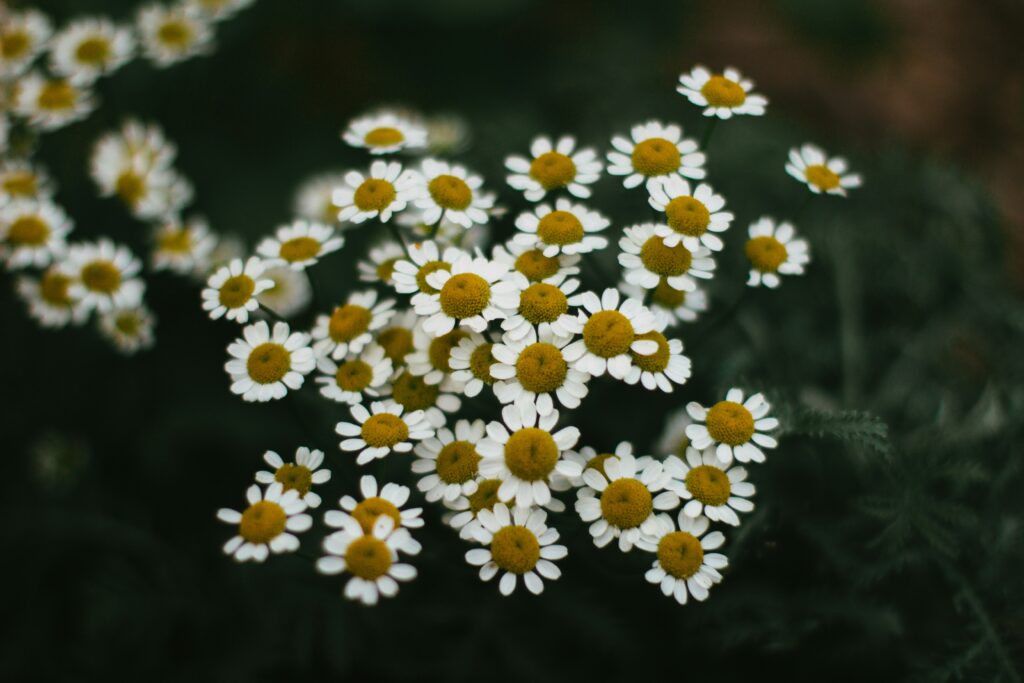
3. Chamomile
Chamomile produces small flowers often used for tea.
Sunlight: Full sun
Water: Moderate watering
Feeding: Light compost application monthly
Yield: Dozens of flowers per season
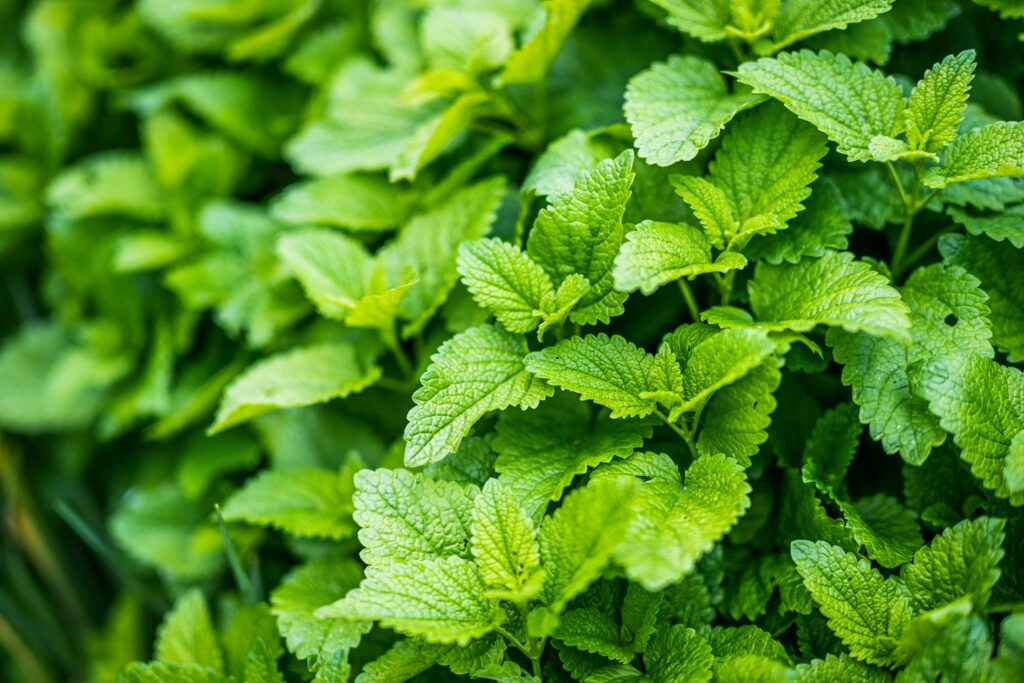
4. Lemon Balm
Lemon balm offers a fresh citrus scent and grows well in containers.
Sunlight: Full sun to partial shade
Water: Moderate
Feeding: Compost every month
Yield: Continuous leaf production
5. Calendula
Calendula produces bright orange flowers.
Sunlight: Full sun
Water: Moderate
Feeding: Compost monthly
Yield: Regular blooms throughout the season
Many gardeners use the petals in homemade skin preparations.
6. Lavender
Lavender combines beauty, fragrance, and usefulness.
Sunlight: Full sun
Water: Low once established
Feeding: Light compost once or twice yearly
Yield: Several flower harvests annually
7. Rosemary
Rosemary works well for both cooking and herbal use.
Sunlight: Full sun
Water: Allow soil to dry slightly between waterings
Feeding: Compost every 6 to 8 weeks
Yield: Year-round harvesting in mild climates
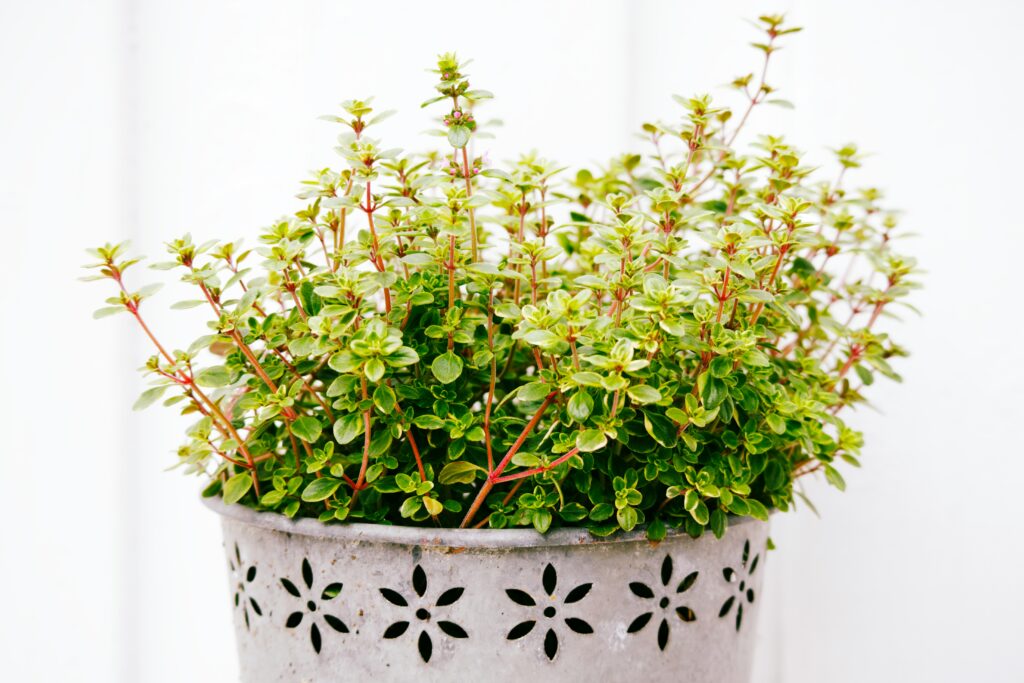
8. Thyme
Thyme stays compact and suits small gardens.
Sunlight: Full sun
Water: Moderate
Feeding: Light compost applications
Yield: Regular harvesting throughout the season
9. Sage
Sage is both ornamental and useful.
Sunlight: Full sun
Water: Moderate
Feeding: Compost every couple of months
Yield: Continuous leaf harvests
10. Echinacea
Many gardeners grow echinacea for its attractive flowers.
Sunlight: Full sun
Water: Moderate
Feeding: Compost in spring
Yield: Flowers during the growing season
11. Ginger
Ginger grows surprisingly well in containers.
Sunlight: Bright indirect light
Water: Consistent moisture
Feeding: Compost monthly
Yield: Harvest roots after 8 to 10 months
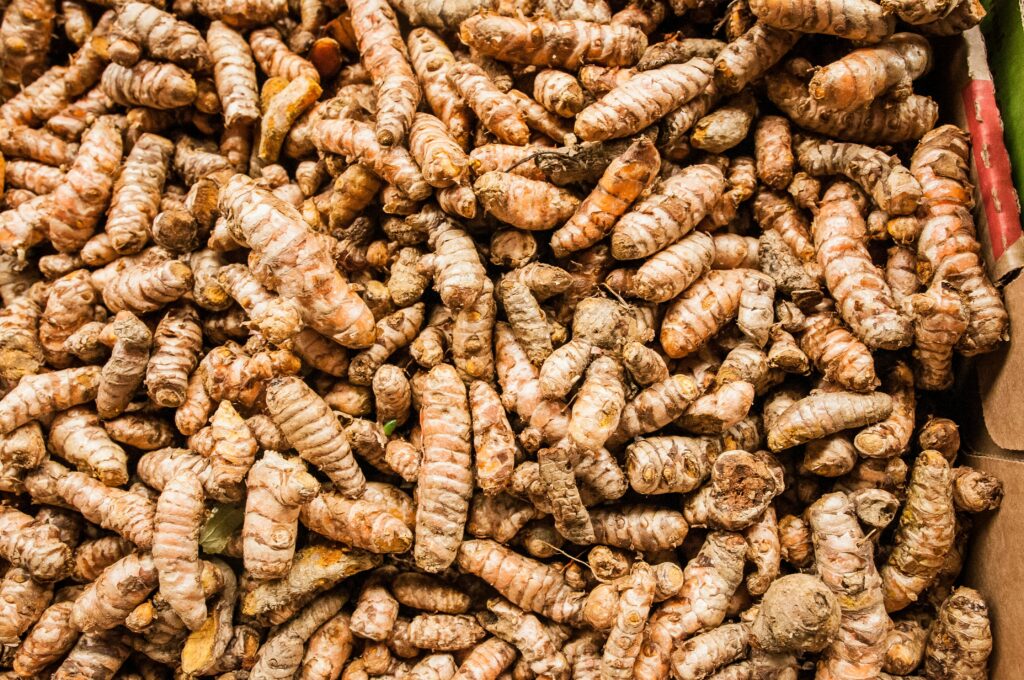
12. Turmeric
Turmeric shares similar needs with ginger.
Sunlight: Partial sun
Water: Moderate
Feeding: Rich compost monthly
Yield: Harvest rhizomes after 8 to 10 months
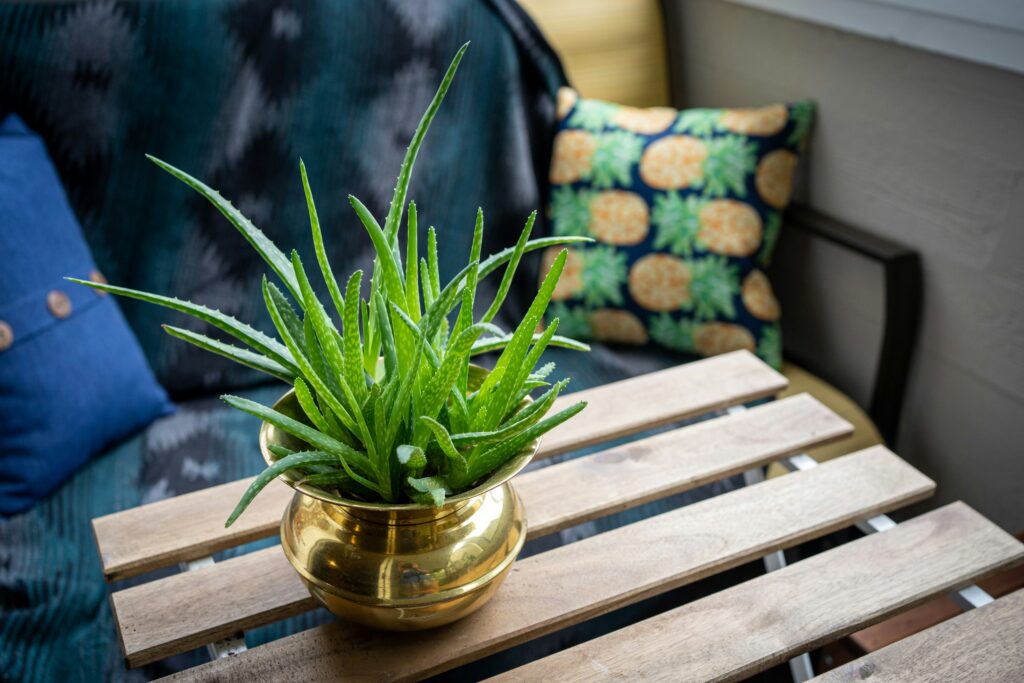
13. Aloe Vera
Aloe remains one of the most practical plants for beginners.
Sunlight: Bright light
Water: Allow soil to dry between waterings
Feeding: Very little fertilizer needed
Yield: Mature leaves several times per year
14. Yarrow
Yarrow attracts pollinators and provides useful flowers.
Sunlight: Full sun
Water: Moderate
Feeding: Minimal compost
Yield: Multiple flower stems each season
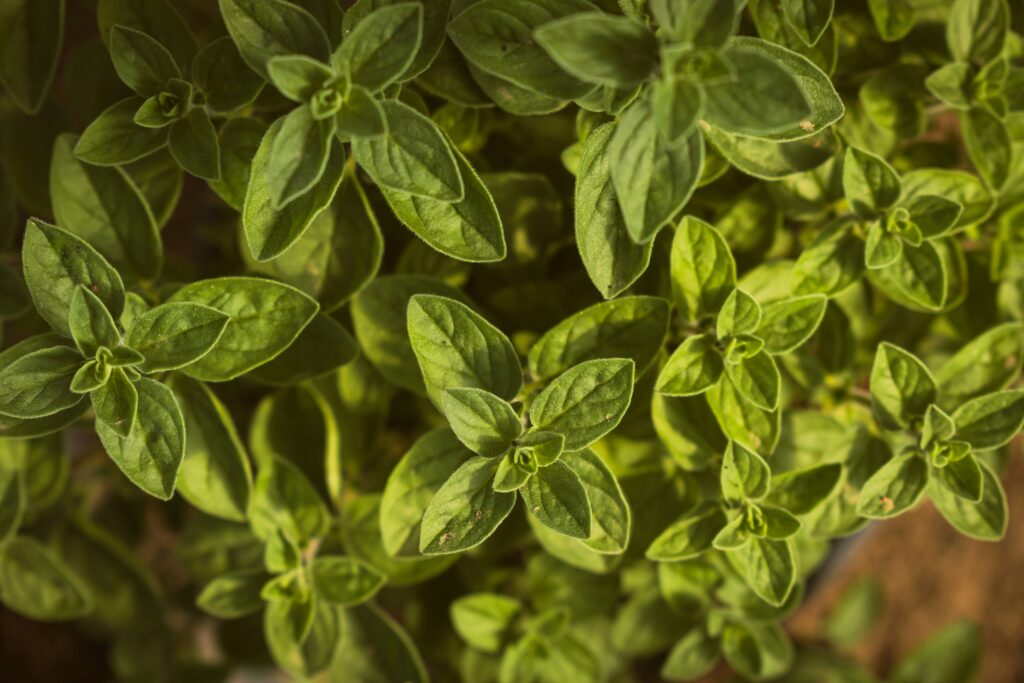
15. Oregano
Oregano produces abundant growth with little effort.
Sunlight: Full sun
Water: Moderate
Feeding: Monthly compost
Yield: Regular harvests throughout the year
Which Plants Grow Well Together?
A simple medicinal herb garden layout often works best when you group plants by water needs.
Group 1: Dry-Loving Herbs
Plant these together:
- Lavender
- Rosemary
- Thyme
- Sage
- Oregano
These herbs enjoy similar conditions and require less water.
Group 2: Moisture-Loving Herbs
Plant these together:
- Tulsi
- Lemon balm
- Chamomile
- Calendula
These plants appreciate slightly more moisture.
Group 3: Container-Only Plants
Keep these separate:
- Mint
- Peppermint
- Lemon balm (if space is limited)
These herbs spread aggressively and can crowd out neighboring plants.
Also read: The Beginner’s Companion Planting Guide for Raised Beds (That Actually Works)
A Simple Medicinal Garden Layout for Small Spaces
If you only have a balcony or patio, try this setup:
Back row:
Rosemary, lavender, sage
Middle row:
Tulsi, calendula, chamomile
Front row:
Thyme, oregano
Separate containers:
Mint, lemon balm, aloe vera, ginger, turmeric
This arrangement allows taller plants to receive sunlight without shading smaller herbs.
Feeding Your Plants Without Spending Much
The most important part of feeding herbs is consistency rather than complexity. I have found that homemade compost handles most needs surprisingly well. You can create compost from:
- Vegetable scraps
- Fruit peels
- Coffee grounds
- Dry leaves
- Crushed eggshells
The USDA Composting Guide provides general composting information for home gardeners. Apply a thin layer of compost every four to six weeks during active growth.
Also read: Natural Fertilizer for Plants: A Beginner-Friendly Feeding Guide for a Healthier Organic Garden
Tools That Make Herb Gardening Easier
You do not need an expensive setup. A basic medicinal plant garden can thrive with:
- Hand trowel
- Pruning scissors
- Watering can
- Spray bottle
- 8 to 12-inch containers
- Compost bin or bucket
- Plant labels
These simple tools cover almost every task you will encounter.
Also read: Herb Garden Kit for Beginners: The Perfect Setup for Fresh Herbs Without Wasting Money
A Helpful Garden Trick
Keep one container filled with fast-growing herbs such as basil, mint, or lemon balm near your kitchen door. When harvesting becomes convenient, you tend to use herbs more often. I noticed my harvests increased significantly once I stopped treating the garden as a separate destination and made it part of my daily routine.
One Mistake That Causes Many Problems
Many gardeners overwater medicinal herbs because they worry about harming the plants. In reality, rosemary, thyme, sage, and lavender often suffer more from excess water than from slightly dry soil. Check soil moisture with your finger before watering. This simple habit prevents many common problems.
Also read: 10 Beginner Gardening Mistakes That Are Quietly Killing Your Plants (And How to Fix Them)
What Matters Most
If I had to choose one principle for a medicinal herb garden, it would be this: focus on plants you will actually use. A smaller collection of herbs that fit your cooking, tea-making, and daily routines often provides more value than a large collection that rarely gets harvested.
A well-planned medicinal herb garden does not require a large backyard or a large budget. By choosing herbs that match your space, grouping plants with similar needs, and using simple compost-based feeding, you can create a productive garden that supports everyday wellness. Start with a few reliable plants, learn their habits, and expand gradually as your confidence grows.
Featured image credit: Photo by Fernanda Arias on Unsplash
Leave a Reply