
Starting a herb garden sounds simple until you begin shopping. You search for supplies and suddenly find dozens of kits, tools, planters, grow lights, seed packs, fertilizers, labels, and accessories. Before long, a project that should cost very little starts looking surprisingly expensive.
I made the same mistake when I started growing herbs. I bought items because they looked useful, only to realize later that several never left the storage shelf. The truth is that most beginner herb gardens need far less equipment than marketing suggests.
A good herb garden kit should help you grow healthy plants, save space, and make daily care easier. It should not leave you with tools you never use. Whether you’re working with a small apartment balcony, a patio corner, or a sunny windowsill, this guide will help you build the perfect herb garden kit while avoiding unnecessary purchases.
What Should a Herb Garden Kit Actually Include?
Many pre-made kits focus on appearance rather than practicality. They often include decorative items while skipping essentials that affect plant health. A useful herb garden kit should cover five basic needs:
- Growing containers
- Quality soil
- Herb seeds or starter plants
- Watering tools
- Harvesting tools
Once these basics are covered, you can add optional items based on your space and budget. The goal is not to own more gardening equipment. The goal is to create a system that helps your herbs grow successfully with minimal effort.
Start With the Right Containers
Containers form the foundation of your herb garden layout. Many beginners buy pots based only on appearance. However, drainage matters much more than color or style. Look for containers that offer:
- Drainage holes
- Lightweight construction
- Easy cleaning
- Enough depth for root growth
For most herbs, containers between 6 and 12 inches deep work well. Popular options include:
- Plastic nursery pots
- Grow bags
- Window boxes
- Self-watering containers
- Stackable vertical planters
If you plan to include affiliate links later, self-watering planters and modular vertical systems are particularly popular because they solve common watering challenges in small spaces.
Choose Potting Mix Instead of Garden Soil
This is one area where spending a little more usually pays off.
Many new gardeners fill containers with soil from their backyard. Unfortunately, outdoor soil often compacts inside containers and reduces airflow around roots. A good herb garden kit should include:
- High-quality potting mix
- Compost or worm castings
- Perlite for drainage
Research from University of Minnesota Extension Herb Gardening Guide consistently recommends well-draining soil for culinary herbs because most herbs dislike constantly wet roots.
Healthy soil prevents many problems before they even begin.
Pick Herbs That Work Well Together
One mistake beginners often make is choosing herbs based only on recipes. A better herb garden design considers growing conditions too.
Moisture-Loving Group
These herbs enjoy similar watering schedules:
- Basil
- Parsley
- Cilantro
- Chives
These herbs usually grow comfortably together in the same area.
Drier-Loving Group
These herbs prefer less frequent watering:
- Oregano
- Thyme
- Rosemary
- Sage
Grouping herbs with similar needs simplifies maintenance and reduces watering mistakes.
Keep Mint Separate
Mint deserves its own container.
Its roots spread aggressively and can crowd neighboring herbs. Mint is incredibly productive, but it behaves more like an enthusiastic guest who starts rearranging your furniture.
Read more: Grow More With Less: The Best Herb Pairings That Actually Work (Even in Tiny Spaces)
The Ideal Beginner Herb Garden Kit
If someone asked me today what to buy for a first herb garden, I would recommend the following setup.
Essential Growing Supplies
- 6–8 containers with drainage holes
- Premium potting mix
- Small bag of compost
- Watering can with narrow spout
- Hand pruners or herb scissors
- Plant labels
Herb Selection
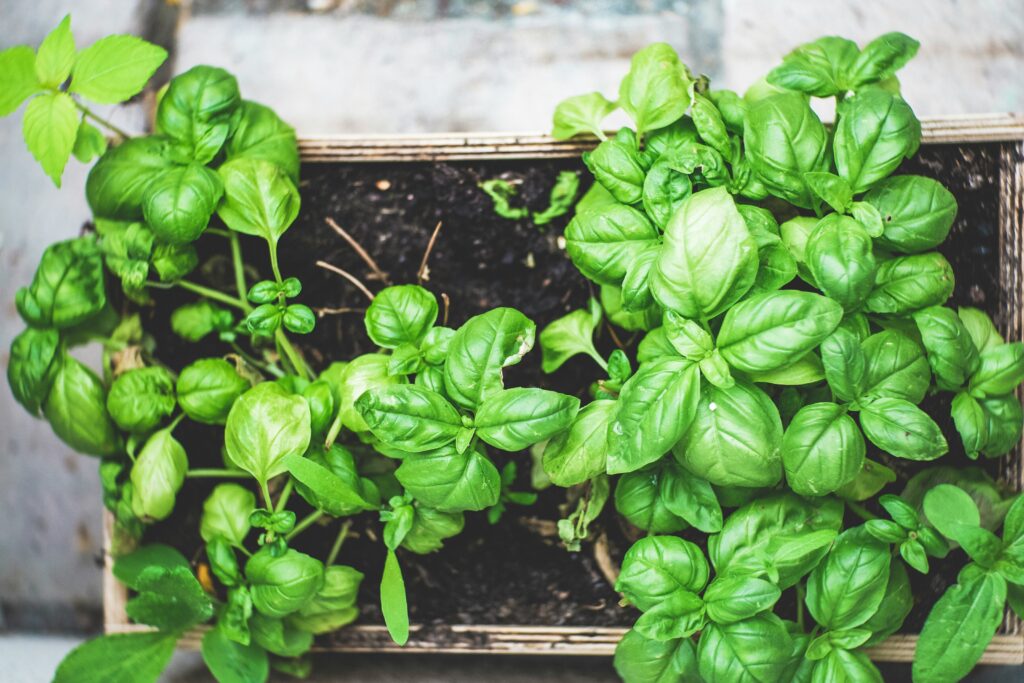
- Basil
- Parsley
- Chives
- Oregano
- Thyme
- Mint
This combination provides herbs for:
- Pasta dishes
- Salads
- Soups
- Tea
- Sandwiches
- Sauces
- Roasted vegetables
More importantly, these herbs offer different flavors without requiring highly specialized care.
Tools Worth Buying and Tools You Can Skip
When building a herb garden kit, some tools genuinely help while others create clutter.
Worth Buying
- Herb scissors
- Watering can
- Moisture meter
- Grow light if sunlight is limited
- Plant labels
These items simplify common gardening tasks.
Usually Optional
- Decorative gardening aprons
- Specialized seed dispensers
- Multiple fertilizer systems
- Large tool sets
- Fancy soil scoops
Most herb gardens do not require elaborate equipment.
In my experience, a pair of herb scissors gets used far more often than half the gadgets marketed to beginners.
How to Build Your Herb Garden Step by Step
Step 1: Evaluate Your Light
Most culinary herbs need at least six hours of sunlight. Observe your space for several days before buying anything. A south-facing window, balcony, or patio often works best.
Step 2: Choose Your Layout
For small spaces, consider:
- Window boxes
- Vertical shelves
- Tiered stands
- Balcony railing planters
These options maximize growing space without creating crowding.
Step 3: Fill Containers Properly
Add:
- Potting mix
- Compost
- Drainage material if necessary
Avoid overfilling. Leave space near the top for watering.
Step 4: Plant Herbs
Position herbs according to their watering needs. Keep mint separate. Label everything immediately. Many herbs look surprisingly similar when young.
Step 5: Create a Watering Routine
Most herb problems come from inconsistent watering rather than lack of fertilizer. Check soil moisture before watering. The top inch should feel slightly dry before adding more water.
Read details here: Indoor Herb Garden Ideas for Fresh Herbs All Year Long
How Much Food Can a Small Herb Garden Produce?
Many people underestimate how productive herbs can become. A kit containing:
- 2 basil plants
- 2 parsley plants
- 1 oregano plant
- 1 thyme plant
- 1 mint plant
- 1 chive plant
can often supply fresh herbs for a household of two to four people throughout much of the growing season.
Indoor gardeners frequently harvest enough basil and parsley for multiple meals each week once plants mature.
Of course, production varies based on sunlight, container size, and climate. However, herbs generally provide one of the highest yields relative to the space they occupy.
A Few Additions That Make Life Easier
As your garden grows, a few upgrades become worthwhile.
Self-Watering Planters
These reduce watering frequency and help during vacations.
LED Grow Lights
Useful for apartments with limited sunlight.
Vertical Plant Stands
Excellent for herb garden ideas outdoor spaces and balconies where floor space is limited.
Compost Container
Allows you to recycle kitchen scraps into plant food. Most gardeners do not need these upgrades immediately, but they become valuable as the garden expands.
Small Tricks That Save Time and Money
One of the best habits I developed was keeping herbs close to the kitchen. When herbs stay visible, you harvest them more often and notice problems sooner.
Another simple trick is planting succession herbs. Instead of planting all basil at once, plant a few seeds every few weeks. This creates a more consistent harvest and prevents all plants from aging at the same time.
A Few Mistakes That Can Slow You Down
Avoid buying every herb you enjoy cooking with during your first season. It is better to grow six herbs successfully than fifteen herbs inconsistently.
Also avoid oversized containers for tiny seedlings. Excess soil stays wet longer and can encourage root problems.
Finally, resist the urge to fertilize heavily. Most herbs grow best when conditions stay balanced rather than excessively rich.
Why Simplicity Usually Wins
If I had to choose between a large complicated herb garden and a smaller, organized one, I would choose the smaller setup every time.
Most successful herb gardeners follow surprisingly simple systems. They use quality soil, good drainage, appropriate containers, and a manageable number of plants.
That approach costs less, wastes less, and often produces better harvests than a collection of expensive gardening gadgets.
The best herb garden kit is not the one with the most tools. It is the one that gives you everything you need and nothing you do not. Start with good containers, quality soil, a handful of reliable herbs, and a simple watering routine. As your confidence grows, you can expand your herb garden ideas and experiment with new varieties. For most beginners, a thoughtful, practical setup will take you much further than an oversized shopping list.
Starting a new garden? Here’s an article to help you out, especially if you’re starting from scratch: Gardening for Beginners: How to Start Your First Garden (A Practical, Beginner-Friendly Guide That Actually Works)
Featured image credit: Photo by Markus Spiske on Unsplash
Leave a Reply