
When people first start gardening, feeding plants often becomes the most confusing part. You buy a healthy-looking plant, water it regularly, and then a few weeks later the leaves start turning yellow or growth slows down. Naturally, you assume the plant needs fertilizer. Then you search online and suddenly find dozens of powders, liquids, ratios, and conflicting advice.
That overload pushes many beginners toward expensive products they may not actually need.
The good news is that plants usually respond well to simple, steady care. In many home gardens, you can build a healthy feeding routine using natural fertilizer for plants that comes from kitchen scraps, compost, or low-cost organic materials.
This guide walks through practical options that beginner gardeners can actually use without turning gardening into a chemistry project. You do not need to use every method at once. Start with one or two, observe how your plants respond, and slowly build a system that feels manageable for your garden.
Why Natural Feeding Often Feels Easier for Beginners
One reason many gardeners prefer natural fertilizer for garden spaces is that organic feeding usually works more gradually. Fast chemical fertilizers can push sudden growth, but beginners sometimes overapply them and accidentally stress roots or burn leaves.
Natural feeding tends to support soil health alongside plant growth. That balance matters because healthy soil helps plants absorb nutrients more steadily over time.
Research from University of Minnesota Extension organic fertilizer guide explains that organic materials release nutrients slowly as they break down, which can improve long-term soil structure and microbial activity.
That slower pace may sound less exciting initially, but many home gardeners find it easier to manage consistently.
Also read: Organic Gardening for Beginners: The Complete Guide from Seed to Table
Begin With Compost Before Anything Else
If you only choose one natural fertilizer for vegetable garden spaces, compost is usually the best starting point.
Compost improves:
- soil texture
- moisture retention
- nutrient balance
- microbial life
You can buy finished compost or make a simple version at home using:
- vegetable scraps
- dry leaves
- cardboard
- fruit peels
- coffee grounds
To use compost:
- Add a thin layer around the plant base.
- Mix lightly into the topsoil.
- Water afterward.
I personally noticed that plants grown in compost-rich soil often recover from stress faster during heat or inconsistent watering.
One thing to avoid: adding large amounts of fresh food scraps directly into pots. They decompose slowly and may attract insects.
Banana Peel Water for Flowering and Fruiting Plants
Banana peels are one of the most common homemade fertilizers for flowering and fruiting plants because they contain potassium, which supports flowering and fruit production.
You can prepare banana peel water easily:
- Chop 1–2 banana peels.
- Soak them in water for 24–48 hours.
- Use the water around the soil base.
This works well for:
- tomatoes
- peppers
- flowering plants
- some fruit plants
However, avoid pouring concentrated mixtures too frequently. Once every couple of weeks is usually enough for most container gardens.
Rice Water for Gentle Feeding
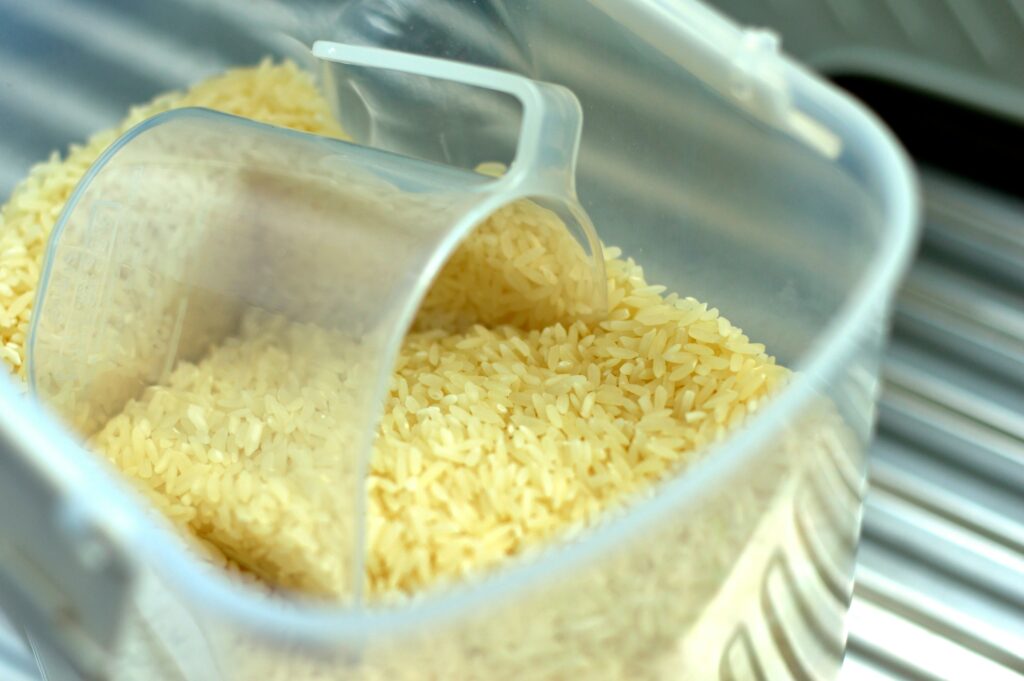
If you rinse rice before cooking, you already have access to a mild natural fertilizer for indoor plants and vegetables. Rice water contains trace minerals and starches that may support microbial activity in soil.
To use it:
- Save plain rice rinse water.
- Let it cool completely.
- Pour lightly into soil once every week or two.
Use unsalted and unseasoned water only.
This method works best as a light supplement rather than a complete fertilizer. Think of it as supportive feeding instead of heavy nutrition.
Eggshell Powder for Calcium Support
Many beginner gardeners struggle with weak stems or blossom-end rot in tomatoes and peppers. While several factors cause these problems, calcium imbalance often contributes.
Eggshells provide a slow source of calcium.
To prepare:
- Wash and dry eggshells.
- Crush them into powder.
- Mix lightly into soil or compost.
Finely crushed shells break down faster than large pieces.
One thing to keep in mind is that eggshells release nutrients slowly. They support long-term soil improvement more than immediate correction.
Coffee Grounds for Leafy Growth
Used coffee grounds contain nitrogen, which supports leafy growth.
You can:
- mix small amounts into compost
- sprinkle lightly into garden soil
- combine with mulch
This works especially well for leafy plants like spinach or herbs. At the same time, avoid adding thick layers directly into containers. Wet coffee grounds compact easily and may reduce airflow in small pots. Moderation matters more than quantity here.

Compost Tea for Tired Plants
Compost tea is one of the simplest ways to feed plants gently while improving soil biology.
To make it:
- Add finished compost to a bucket of water.
- Let it steep for 24–48 hours.
- Strain lightly if needed.
- Use the liquid around plant roots.
Many gardeners use compost tea when plants look stressed after heatwaves or transplant shock. The smell may become strong if left too long, so it helps to prepare small batches rather than storing large amounts.
Aquarium Water for Indoor and Balcony Plants
This is one of the more overlooked natural feeding methods.
Used freshwater aquarium water often contains:
- nitrogen
- beneficial organic matter
- trace nutrients
If you change aquarium water regularly, you can reuse it for:
- herbs
- leafy vegetables
- indoor plants
Just ensure:
- the water is from a freshwater tank
- no salt treatments or medications were recently added
This method works surprisingly well for container gardens because nutrients arrive diluted naturally.
Also read: Indoor Herb Garden Ideas for Fresh Herbs All Year Long
Weed Tea for Outdoor Gardens
Some gardeners prepare diluted weed tea using nutrient-rich weeds like nettles or soft green weeds.
Basic method:
- Fill a bucket with weeds.
- Cover with water.
- Let it steep for several days.
- Dilute before use.
This creates a nutrient-rich liquid feed for outdoor plants. The smell can become unpleasant, so many people keep containers away from sitting areas or balconies. I personally think this works best for backyard gardens rather than indoor or apartment setups.
Also read: The Beginner’s Companion Planting Guide for Raised Beds (That Actually Works)
Wood Ash for Potassium-Loving Plants
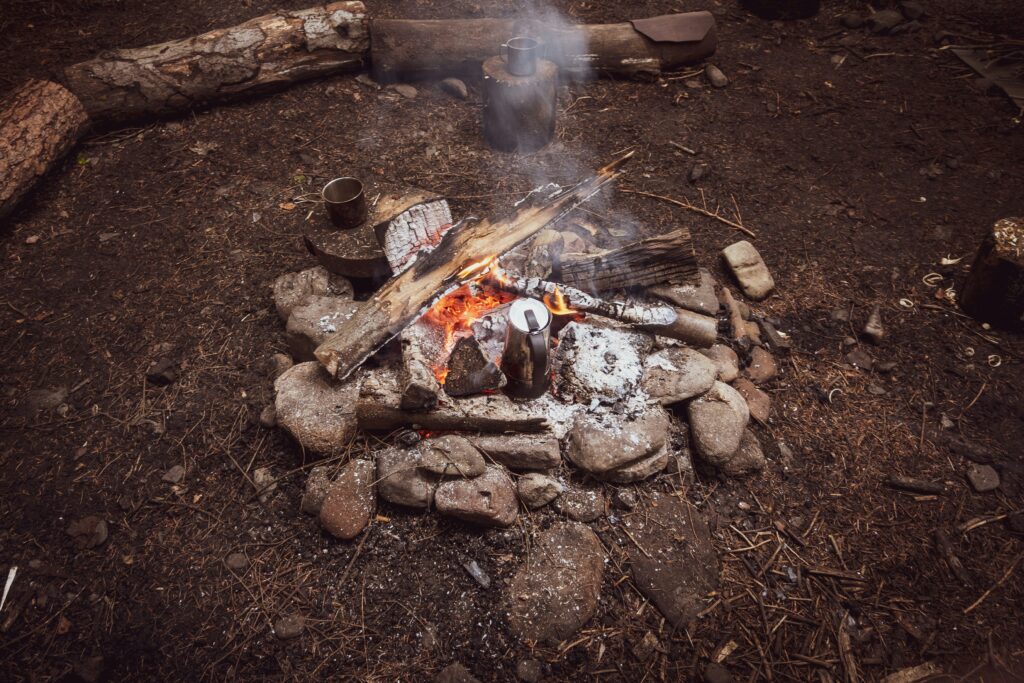
If you have access to clean fireplace ash or untreated wood ash, small amounts can support flowering and fruiting plants.
Wood ash contains potassium and raises soil pH slightly.
Use sparingly:
- sprinkle lightly into compost
- mix into outdoor soil occasionally
Avoid overusing it in containers because excess alkalinity can affect nutrient absorption. This method works better in acidic soils than already alkaline conditions.
Grass Clippings as Surface Feed
Fresh grass clippings contain nitrogen and help retain moisture.
You can:
- dry them slightly first
- spread a thin layer around plants
- use them as mulch
This slowly feeds soil while reducing water evaporation. However, avoid using grass treated with herbicides or pesticides. Residues may affect sensitive plants later.
Fish Tank or Vegetable Scrap Enzyme Solutions
Some gardeners prepare fermented vegetable scrap solutions for stronger feeding.
These mixtures usually involve:
- vegetable scraps
- brown sugar or molasses
- water
- fermentation time
They can work well, but beginners sometimes create overly concentrated solutions that stress plants. If you try fermented feeds, begin with very diluted mixtures and test them on a few plants first. Simple systems usually work better in the beginning than highly experimental ones.
A Few Feeding Habits Make a Big Difference
Most fertilizing problems come from inconsistency or overcorrection. A calmer routine often works better:
- feed lightly but regularly
- observe leaf color and growth speed
- water before applying stronger feeds
- reduce feeding during extreme heat
One thing I learned slowly is that healthy soil solves many feeding problems before they appear. Constantly switching fertilizers often creates more confusion than improvement.
Small Tricks That Make Organic Feeding Easier
You do not need a large compost station to start natural feeding. A few practical shortcuts help:
- freeze kitchen scraps until compost day to reduce smell
- dry banana peels in sunlight before storing
- keep a small covered compost bucket near the kitchen
- label homemade fertilizer jars clearly
One simple habit that saved me time was preparing diluted fertilizer water during regular kitchen cleanup instead of treating feeding like a separate gardening task. That small shift made the routine easier to maintain consistently.
What to Watch Carefully When Using Homemade Fertilizers
Natural does not always mean harmless in large amounts. Too much homemade fertilizer can still:
- damage roots
- attract pests
- create fungal problems
- imbalance soil nutrients
You should also avoid mixing many feeding methods together at once. If leaves suddenly yellow or curl, you will not know which change caused the issue. The most important part is steady observation, not perfect formulas.
Final Thoughts on Using Natural Fertilizer for Plants
Building an organic feeding routine takes a little patience in the beginning, especially when you are still learning how plants respond to water, sunlight, and nutrients together.
Start simple. Compost, rice water, or banana peel water alone can already support many beginner gardens surprisingly well.
Over time, you will notice which plants prefer heavier feeding and which grow happily with very little support. That understanding matters far more than buying complicated products or following strict schedules.
Featured image credit: Photo by Mukesh Sharma on Unsplash
Leave a Reply