
You clean the room, fold the blankets, and put things back where they belong. Yet somehow, the house still feels crowded a few days later. Many people experience this without understanding why. Usually, the problem is not large furniture or obvious mess. It is the tiny things to declutter that slowly pile up in drawers, corners, bags, and shelves.
These small items often escape attention because they seem harmless on their own. But together, they create visual noise and make your home harder to manage. I noticed this in my own home when I realized I kept reorganizing the same spaces without actually reducing what lived there.
According to research from the UCLA Center on Everyday Lives of Families, clutter can increase stress and mental overload, especially in shared family spaces. The good news is that small decluttering decisions usually create the fastest visible relief.
So instead of attempting a dramatic cleanout, begin with these tiny everyday items that quietly keep clutter coming back.
Tiny Things to Declutter in the Entryway
1. Old receipts
Receipts multiply quickly inside bags, pockets, and trays. Keep one small envelope for important receipts only. Recycle the rest immediately after checking them.
2. Unused reusable shopping bags
People often collect far more than they use. Choose a realistic number for your lifestyle and donate extras to local food drives or neighbors.
3. Empty delivery boxes
Boxes tend to stay around “just in case.” Break them down the same day you unpack items. This prevents slow pileups near doors or corners.
4. Shoes you avoid wearing
Most people wear the same few pairs repeatedly. Line up all your shoes and remove uncomfortable or damaged pairs first. Easy decisions build momentum.
5. Random keys
Mystery keys create clutter because nobody wants to throw away the wrong one. Test unidentified keys during one short session. Label important ones afterward with simple tags.
6. Expired coupons
These often hide inside drawers for months. Keep one small coupon pouch if you genuinely use them. Otherwise, recycle them weekly before they spread.
Also read: 10 Brilliant Entryway Organization Ideas for Small Spaces
Tiny Things to Declutter in the Kitchen
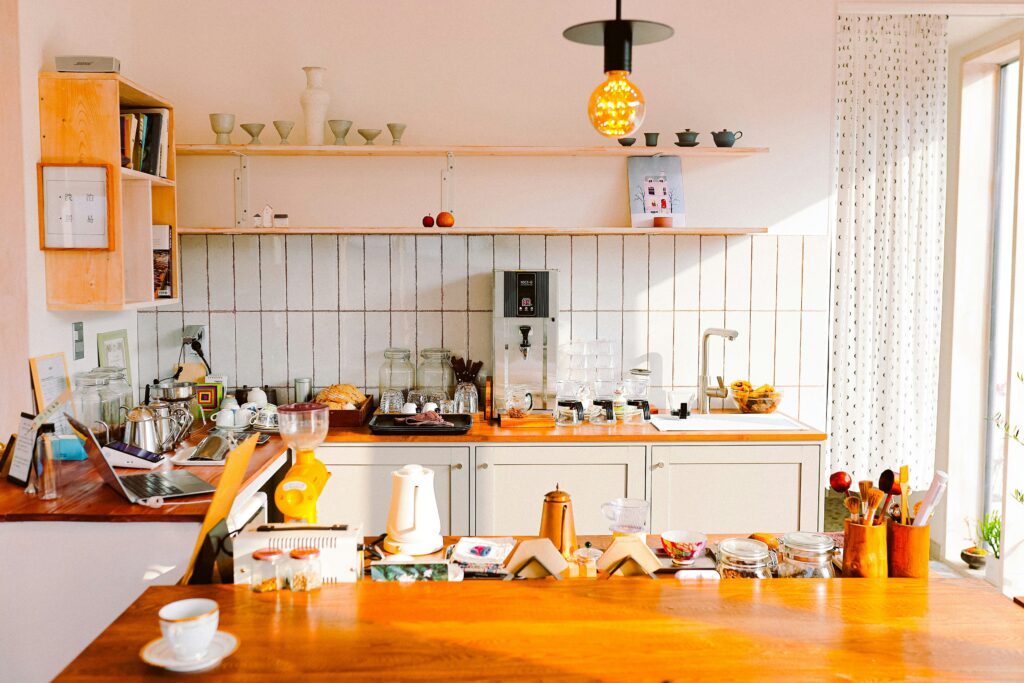
7. Duplicate mugs
Mugs seem small until cabinets stop closing properly. Keep favorites that you actually reach for. Store guest mugs separately if needed.
8. Sauce packets
Takeout packets quietly become drawer clutter. Place usable packets into one small container. Throw away expired or excessive amounts immediately.
9. Expired spices
Many kitchens hold spices nobody remembers buying. Check dates once every six months. If the smell is weak or stale, let it go.
10. Plastic containers without lids
This category wastes more time than people realize. Match lids and containers quickly. Recycle incomplete pieces instead of storing them “temporarily.”
11. Old grocery lists
Paper scraps gather on counters and refrigerators. Keep one notepad or digital list system. Remove outdated notes weekly.
12. Unused water bottles
People often collect promotional or backup bottles endlessly. Choose a small rotation you truly use and donate extras.
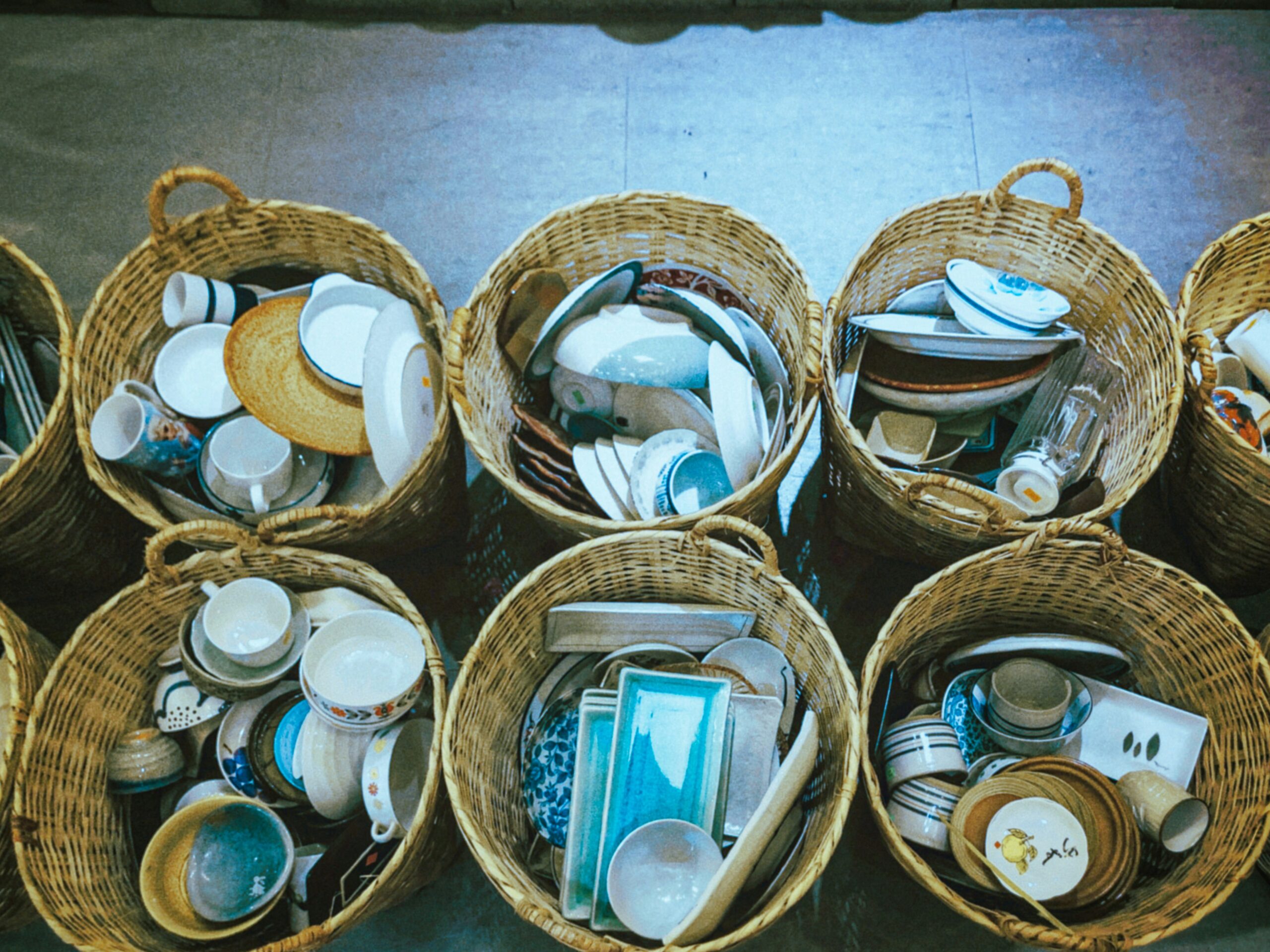
13. Chipped plates or bowls
Damaged dishes usually stay because they still function. However, chipped edges can worsen over time. Replace them gradually instead of storing unsafe pieces.
14. Single-use kitchen gadgets
Many specialty tools create cabinet stress. If you used something once in three years, consider whether it deserves permanent space.
15. Extra condiment bottles
Half-empty sauces quietly crowd refrigerators. Group similar items together before shopping. This helps you notice duplicates before buying more.
Also read: 15 Pantry Organization Hacks That Actually Work
Tiny Things to Declutter in the Living Room
16. Old magazines
Stacks grow slowly because reading feels productive. Keep only current or truly meaningful issues. Recycle the rest in one batch.
17. Remote controls that no longer work
Unused electronics create mental clutter too. Test remotes quickly and remove broken or outdated ones immediately.
18. Decorative items you no longer notice
Sometimes décor becomes visual background instead of intentional decoration. Remove a few smaller pieces and observe whether the room feels calmer afterward.
19. Tangled charging cables
This category appears in almost every home. Gather all cords in one place first. Label important ones and recycle damaged extras responsibly.
20. Old candles
Half-used candles often collect dust for years. Keep scents you genuinely enjoy. Discard dried-out or scentless candles.
21. Manuals for products you no longer own
These papers quietly fill drawers and baskets. Search online for digital manuals if needed, then recycle physical copies.
22. Random coins
Loose coins scatter across surfaces surprisingly fast. Place one small jar near the entryway or living room instead of letting coins spread.
Also read: 11 Cozy Minimalist Living Room Ideas for a Calm and Stylish Home

Tiny Things to Declutter in the Bathroom
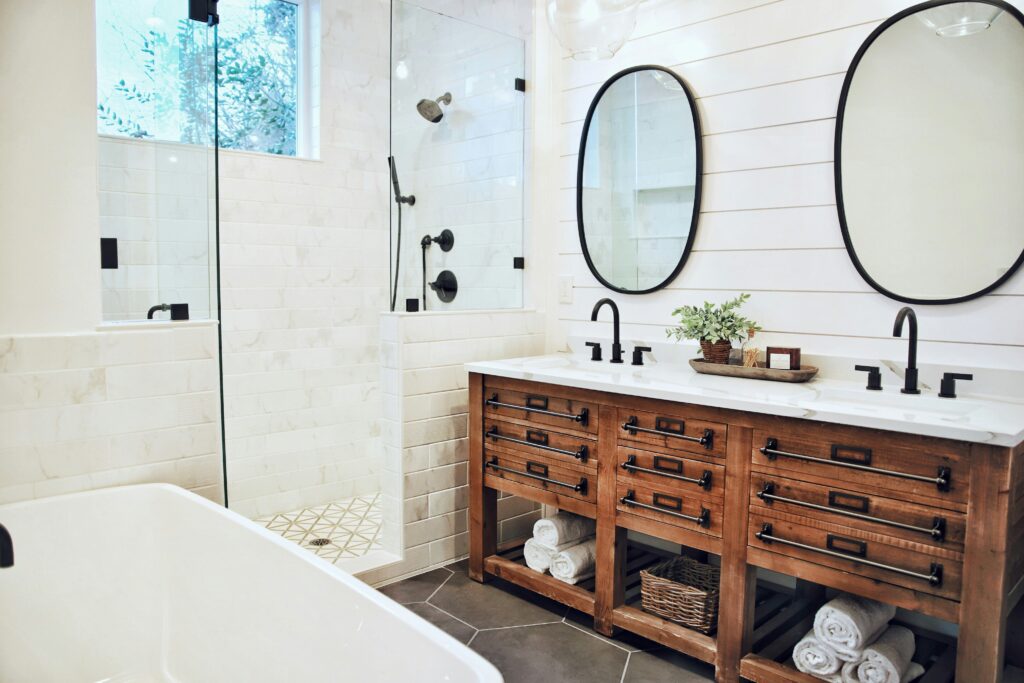
23. Expired skincare
Many people keep products hoping they will use them eventually. Check expiration dates carefully. Old skincare can irritate skin instead of helping it.
24. Empty shampoo bottles
These often stay in showers longer than expected. Remove empty containers immediately after finishing them to prevent buildup.
25. Hotel toiletries
Tiny bottles seem useful but multiply quickly. Keep a few for travel if you actually travel often. Donate unopened extras to shelters when possible.
26. Old makeup brushes
Damaged brushes stop working properly over time. Wash usable brushes regularly and replace ones shedding heavily.
27. Hair ties stretched beyond use
Small items create drawer clutter faster than large ones. Place working hair ties into one small container and toss worn-out ones during cleanup sessions.
28. Medicines past expiration dates
Expired medication should not sit forgotten in cabinets. Check local pharmacy disposal programs for safe removal options.
29. Nearly empty product bottles
People keep these because throwing them away feels wasteful. Choose one product to finish completely before opening another similar item.
Also read: 10 Bathroom Organization Ideas for a Spa-Like Space
Tiny Things to Declutter in the Bedroom
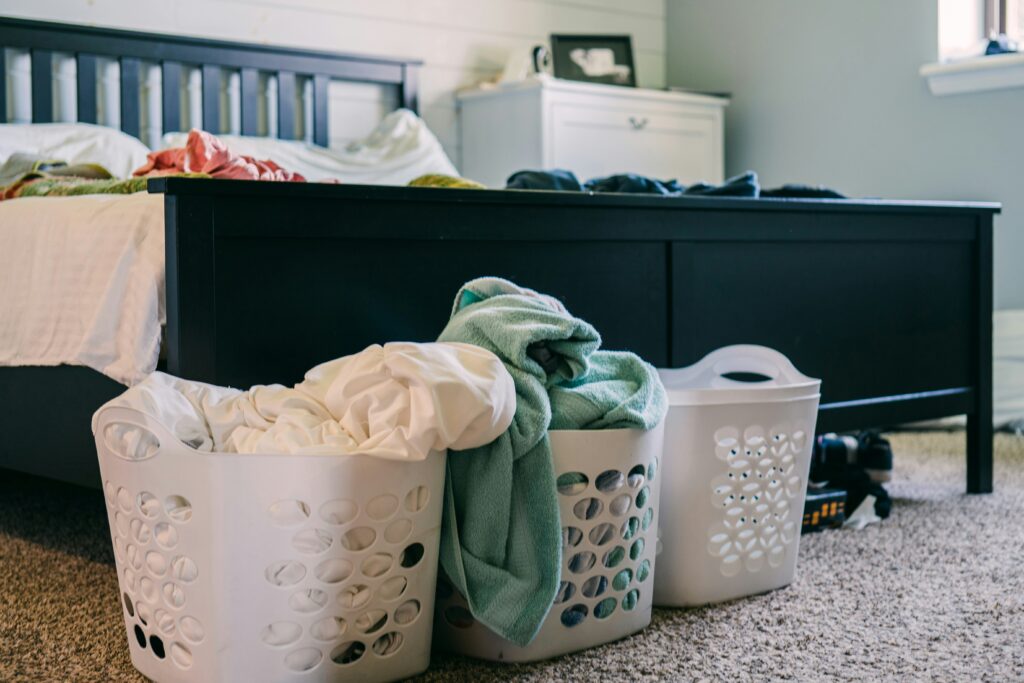
30. Socks without pairs
Single socks often survive longer than expected. Create a small “waiting basket” for unmatched socks. If no pair appears after one month, let them go.
31. Worn-out pajamas
Comfort matters, but some sleepwear quietly becomes unusable. Replace heavily stretched or damaged pieces gradually instead of storing backups endlessly.
32. Old hangers
Broken or mismatched hangers make closets harder to use. Choose one hanger style if possible. Even small consistency helps closets feel calmer.
33. Jewelry you never wear
Jewelry boxes often hold guilt purchases or gifts. Keep pieces connected to your actual lifestyle instead of imagined occasions.
34. Tote bags
Tote bags reproduce almost magically. Store a limited number folded inside one larger bag to prevent overflow.
35. Clothing tags and packaging
Tags from “maybe returns” often remain for months. Decide within a reasonable timeframe whether you will keep or return the item.
36. Old phone cases
People often store outdated accessories unnecessarily. Keep one backup if needed and recycle the rest responsibly.
37. Unused scarves or belts
Accessories become clutter when they stop supporting daily outfits. Choose versatile favorites and donate pieces untouched for years.
Also read: Minimalist Nightstand Organization: What to Keep & What to Toss
Tiny Things to Declutter in Home Offices or Study Areas
38. Dried pens and markers
Testing pens repeatedly wastes surprising amounts of time. Keep one container for working supplies only and test items during quick cleanup sessions.
39. Old notebooks
Half-used notebooks create guilt because blank pages remain. Tear out unused pages for scrap paper if practical, then recycle the rest.
40. Random paper clips and office supplies
Tiny desk items spread quickly across drawers. Use small divided containers instead of multiple loose piles.
41. Instruction sheets from old products
Many papers stay long after products disappear. Recycle outdated instructions and save only essential documents digitally.
42. Old planners
Past planners can become emotional clutter. You do not need to keep every yearly planner forever unless it holds truly meaningful records.
43. USB drives with unknown contents
People avoid sorting these because it feels tedious. Label each drive after checking contents once. Unknown storage creates unnecessary uncertainty.
Also read: Decluttering Paperwork: 6 Foolproof Systems That Work
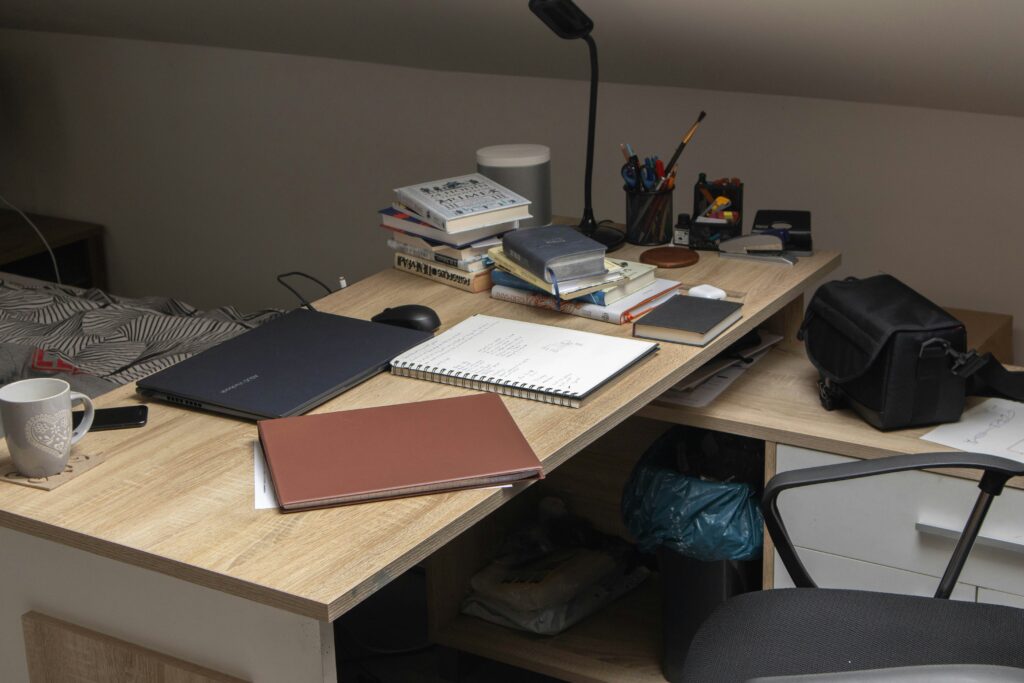
Tiny Things to Declutter in Storage Areas
44. Gift bags
Gift bags often multiply faster than expected. Keep a small folded stack in one container and donate excess bags seasonally.
45. Craft scraps
Tiny leftover materials create visual clutter quickly. Store only useful-sized pieces. Very small scraps usually stay unused indefinitely.
46. Broken holiday decorations
Damaged decorations often survive because of emotional attachment. Repair meaningful items soon or release them before they occupy another year of storage.
47. Old batteries
Loose batteries create both clutter and safety concerns. Place them in one labeled container and recycle them properly through local programs.
48. Duplicate tools
Many homes contain several versions of the same basic tool. Gather tools into one location before deciding what you actually need.
49. Empty storage bins
Ironically, storage containers themselves can become clutter. Keep bins that actively solve a problem instead of saving every container automatically.
50. “Maybe someday” items
This category quietly creates the most clutter of all. People keep unfinished projects, future plans, or random useful objects because letting go feels risky. The most helpful decluttering tips often involve separating realistic future needs from emotional postponement.
One helpful method is placing uncertain items into a sealed box with a date written on it. If you do not open the box within three to six months, you likely do not need most of what is inside.
Also read: 7 Space-Saving Shoe Storage Ideas for Any Home
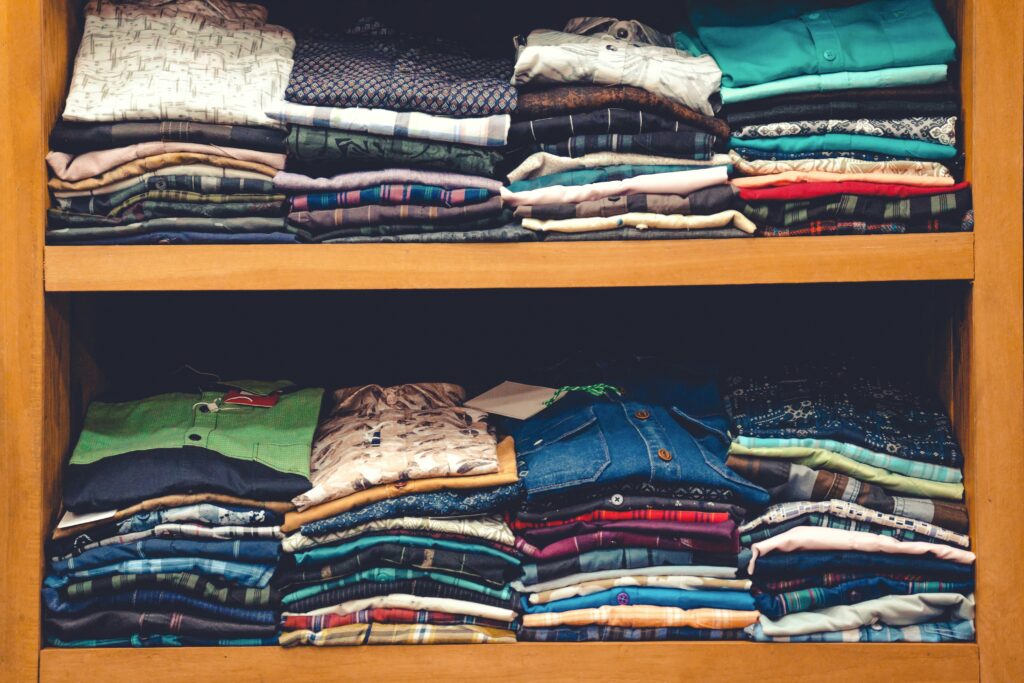
Small Decluttering Habits That Help More Than People Expect
Many decluttering hacks fail because they depend on constant motivation. Small repeatable systems usually work better.
Try creating one donation basket somewhere easy to reach. When you notice something you no longer use, place it there immediately instead of creating a future task.
Another helpful habit is doing “surface resets” every evening. Spend five minutes clearing visible surfaces before bed. This prevents tiny clutter from quietly becoming large clutter again.
I also strongly believe that removing items matters more than buying organizers at first. Many homes do not actually lack storage. They simply hold too many delayed decisions.
Also read: How to Declutter Your Home in 30 Days: A Realistic Plan That Actually Feels Manageable
A Few Things to Be Careful About
Tiny clutter can trick you into rushing decisions too quickly.
Some small items still deserve thoughtful attention, especially sentimental objects, important paperwork, or expensive tools. You do not need to force yourself into extreme minimalism to create a calmer home.
It also helps to avoid decluttering when emotionally exhausted. Stress often leads people to either keep everything or remove things they later regret losing.
Why Decluttering Tiny Things Matter So Much
Large clutter usually starts small. One extra receipt, one random cable, one forgotten bottle, or one “temporary” pile may not seem important alone. But together, these tiny items slowly make homes harder to clean, organize, and enjoy.
That is why tiny things to declutter often create the biggest visible difference. They reduce friction in everyday life. You spend less time searching, moving piles around, or feeling mentally crowded by unfinished decisions.
And most importantly, small decluttering steps feel manageable. You do not need a perfect weekend or unlimited energy to begin. One drawer, one shelf, or one small category is enough to start creating relief.
Leave a Reply