
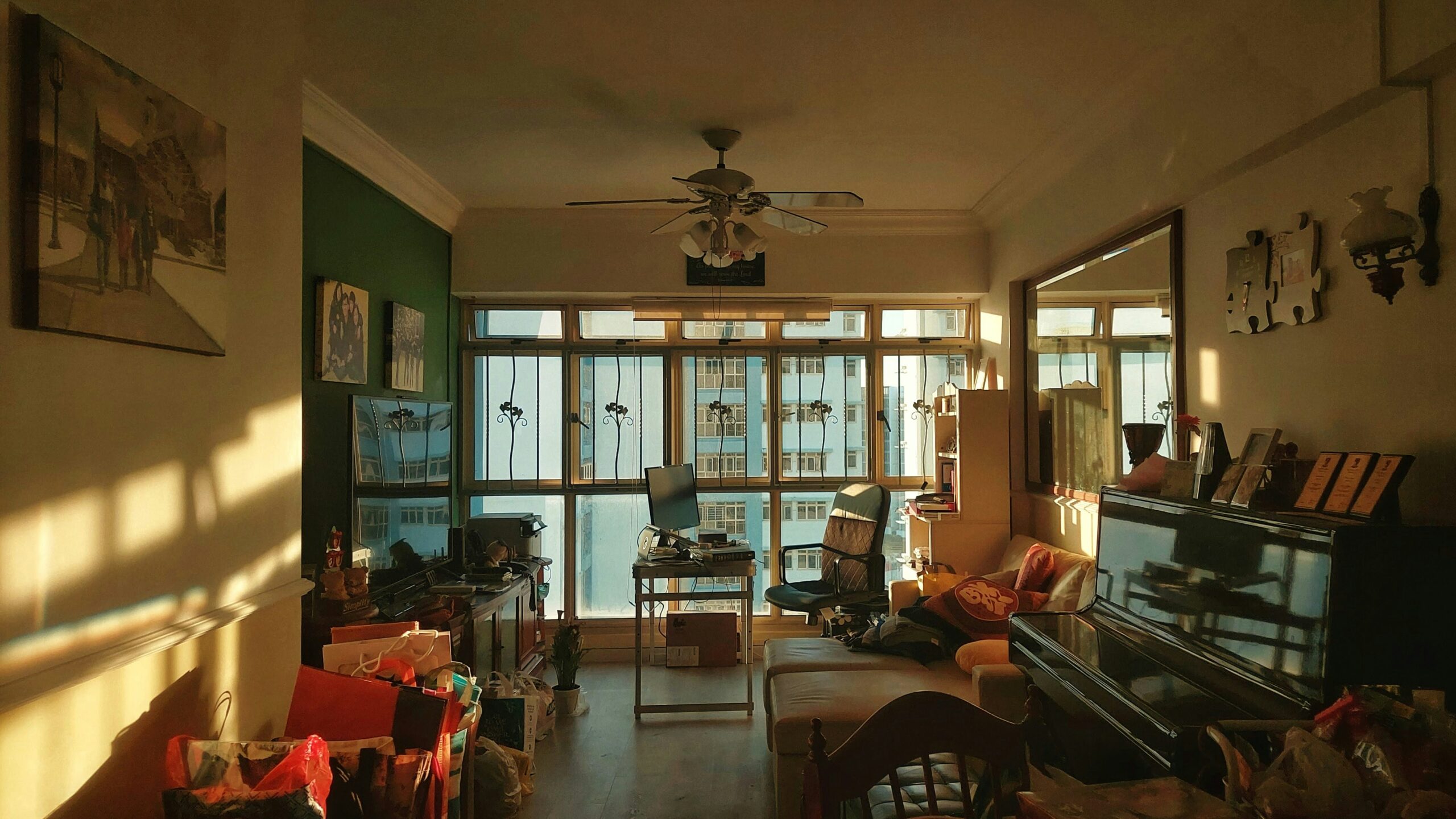
Some homes do not become cluttered overnight. Things build slowly. One busy week turns into several months of putting items “somewhere for now.” A drawer becomes difficult to close. A chair starts holding clothes instead of people. Eventually, even simple cleaning feels tiring because there is too much to move around first.
That emotional weight surprises many people. Clutter does not only affect the appearance of a room. It also affects how easily you rest, focus, and move through daily routines. According to research from the UCLA Center on Everyday Lives of Families, cluttered environments can increase stress levels, especially for women managing shared household spaces.
This is why a slow, structured approach often works better than intense weekend cleanouts. Instead of trying to transform your entire home in two exhausting days, this realistic 30-day plan helps you make steady progress without burning yourself out. You will focus on one space at a time, using practical decluttering tips that fit into normal life.
The goal is not a perfect home. The goal is a home that supports you instead of draining your energy every time you walk into a room.
Before You Begin, Make the Process Easier on Yourself
Before starting Day 1, gather a few simple supplies:
- trash bags
- donation boxes
- cleaning cloths
- sticky notes or labels
- a timer
You do not need expensive storage products yet. In fact, one of the biggest decluttering mistakes people make is buying organizers before reducing what they own. Storage should support your habits, not hide excess items.
Also, keep your daily sessions short. Most spaces in this plan should take between 20 and 45 minutes. If you have more energy, you can continue. If not, stop there. Consistency matters more than speed.
Another helpful rule is this: avoid pulling out everything from multiple rooms at once. Many people create larger messes because they lose focus halfway through. Finish one small area before moving to the next.
Also read: 5 Decluttering Methods Compared: Which One Works Best for You?
Week 1: Build Momentum With Easy Wins
The first week focuses on visible but lower-emotion spaces. These quick wins help you build confidence before handling more personal categories.
Day 1: Entryway or Front Door Area
Start where clutter first enters the home. Shoes, bags, unopened mail, receipts, and random items often collect here without notice. Remove anything that does not belong in the entryway. Then create simple zones for shoes, keys, and bags. Even one basket can reduce daily stress.
Also read: 10 Brilliant Entryway Organization Ideas for Small Spaces
Day 2: Kitchen Countertops
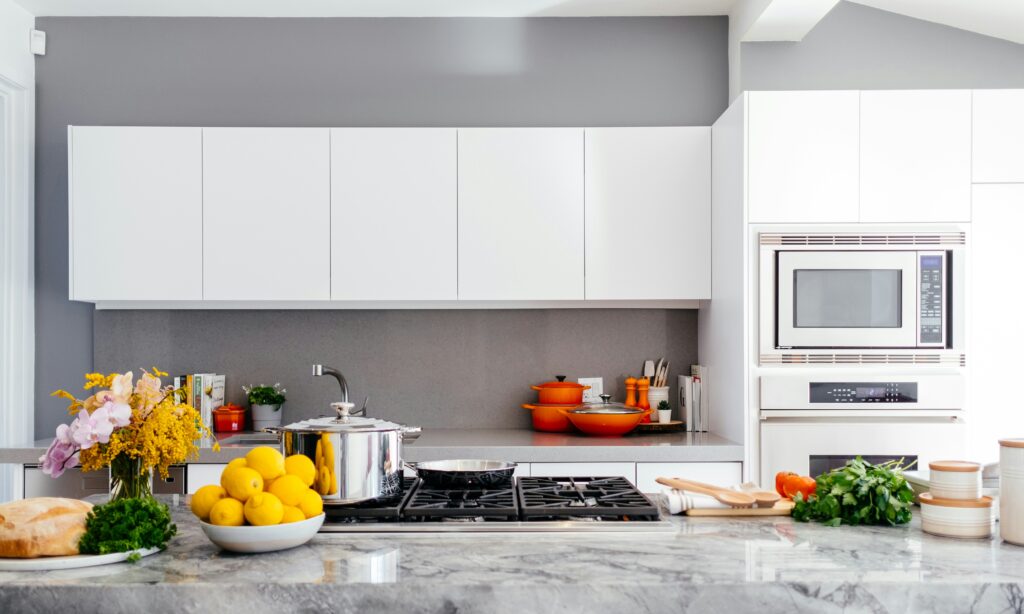
Kitchen counters attract clutter because they feel convenient. However, crowded counters make cooking feel harder than it actually is. Keep only frequently used items visible. Store rarely used appliances elsewhere. If you have decorative items taking up workspace, consider reducing them for now.
Day 3: Junk Drawer
Almost every home has one. The problem begins when one junk drawer quietly becomes three. Empty the drawer completely. Throw away expired coupons, dead batteries, dried pens, and mystery cords. Then group similar items together before returning them.
Day 4: Refrigerator
This task feels unpleasant for many people, which is exactly why it gets delayed. Check expiration dates first. Wipe shelves quickly afterward. You do not need a deep cleaning session today. The goal is simply to remove what no longer serves you.
Day 5: Pantry
Focus on duplicates, expired foods, and ingredients you realistically will not use. Many people keep items because they feel guilty wasting food. But storing unused ingredients for years does not solve that guilt. It only transfers the stress into your kitchen space.
Also read: 15 Pantry Organization Hacks That Actually Work
Day 6: Bathroom Cabinets
Old skincare products, empty bottles, expired makeup, and hotel samples tend to pile up quietly. Keep products you genuinely use in your current routine. If something has sat untouched for over a year, you probably do not need it anymore.
Also read: 10 Bathroom Organization Ideas for a Spa-Like Space
Day 7: Digital Declutter
Physical clutter often connects to digital overwhelm too. Delete blurry photos, unused apps, spam emails, and screenshots you forgot about. Even small digital cleanup sessions create mental breathing room. At the end of the first week, you may notice something important: your home probably does not need more space as much as it needs fewer delayed decisions.
Week 2: Focus on Daily Living Areas
This week addresses spaces you interact with every day. These areas affect your routines more than you realize.
Day 8: Living Room Surfaces
Clear coffee tables, side tables, and open shelves first. Many people decorate every visible surface, but slightly empty spaces often feel calmer and easier to maintain. Leave some breathing room intentionally.
Also read: 11 Cozy Minimalist Living Room Ideas for a Calm and Stylish Home
Day 9: TV Area and Cables
Untangle cords, remove broken electronics, and donate devices you no longer use. Keep one labeled pouch for chargers and adapters. Otherwise, random cables multiply like they pay rent.
Day 10: Books and Magazines
Books carry emotional weight because people connect them to identity, learning, or future goals. You do not need to keep every book you once intended to read. Focus on books you truly value, reference often, or plan to revisit realistically.
Day 11: Dining Area
Clear surfaces that have become temporary storage spaces. If your dining table constantly holds laundry, paperwork, or shopping bags, try restoring it fully today. A usable table changes how a home feels surprisingly quickly.
Day 12: Linen Closet
Check towels, bedsheets, and pillowcases. Keep complete matching sets when possible. Donate worn or excess linens you never reach for. Most households keep far more backup towels than they actually need.
Day 13: Cleaning Supplies
Gather all cleaning products into one area before sorting them. People often buy duplicates because they cannot find what they already own. Consolidating supplies saves both space and money over time.
Day 14: Catch-Up Day
Use this day gently. Finish anything incomplete from earlier in the week or simply rest. Realistic decluttering plans should leave room for normal life interruptions. That flexibility matters more than strict perfection.

Week 3: The More Emotional Spaces
By now, you have likely built some decision-making confidence. This helps when handling categories connected to guilt, identity, or memories.
Day 15: Everyday Clothing
Start with easy clothing decisions first. Remove damaged items, uncomfortable pieces, and clothes you constantly avoid wearing. Then group similar categories together so you can see what you truly own. A common pattern appears here: many people wear the same small group of clothes repeatedly while storing dozens of unused options.
Also read: Decluttering Tips: How to Declutter Your Closet in Just One Weekend
Day 16: Shoes
Line every pair up where you can see them. Check comfort, condition, and frequency of use. One useful question helps here: “Would I buy these again today?” That question often cuts through emotional hesitation quickly.
Also read: 7 Space-Saving Shoe Storage Ideas for Any Home
Day 17: Bags and Accessories
Purses, scarves, belts, and jewelry often stay hidden in multiple locations. Keep versatile items that support your current lifestyle. Let go of pieces tied only to guilt or imagined future occasions.
Day 18: Seasonal Clothing
This category requires honesty more than harshness.
You do not need to throw away every “just in case” item. However, keeping several sizes of clothing for many years usually creates emotional pressure instead of comfort. Store only what realistically serves you.
Day 19: Bedroom Surfaces
Nightstands and dressers quietly collect clutter because people empty pockets, water bottles, and random objects there daily. Clear these surfaces completely before returning only essential items. Bedrooms usually feel calmer very quickly after this step.
Also read: Small Room, Big Potential: Bedroom Organization Ideas That Cost Almost Nothing
Day 20: Under the Bed
This area often becomes long-term storage for forgotten things. If you cannot remember what is under your bed, there is a strong chance some of it no longer deserves space in your home.
Also read: Minimalist Nightstand Organization: What to Keep & What to Toss
Day 21: Sentimental Items
This day requires patience. Do not force yourself to make extreme decisions. Instead, focus on creating limits. Choose a memory box or container size first, then select the items that genuinely matter most. Photos can help preserve memories without storing every physical object forever.

Week 4: Systems That Help Clutter Stay Gone
Many people succeed at decluttering once but struggle to maintain results. This final week focuses on building simple systems that reduce future buildup.
Day 22: Paper Clutter
Sort papers into categories:
- important documents
- action items
- recycle or shred
Paper piles often create anxiety because unfinished tasks hide inside them. Start small and avoid trying to organize years of paperwork in one session.
Also read: Decluttering Paperwork: 6 Foolproof Systems That Work
Day 23: Mail and Receipts
Create one small system for incoming papers. A tray, folder, or basket near the entryway works well. The important part is giving paper a temporary home before it spreads across counters.
Day 24: Hobby Supplies
Craft materials, unfinished DIY projects, and hobby tools can become emotionally complicated. Keep hobbies that actively bring value to your life today. Release supplies tied only to guilt about hobbies you no longer enjoy. Interests change. That is normal.
Day 25: Storage Bins and Random Boxes
Many storage containers hold items people forgot they owned. Open each bin fully. Avoid relabeling mystery boxes without checking them first. Otherwise, clutter simply becomes more organized clutter.
Day 26: Laundry Area
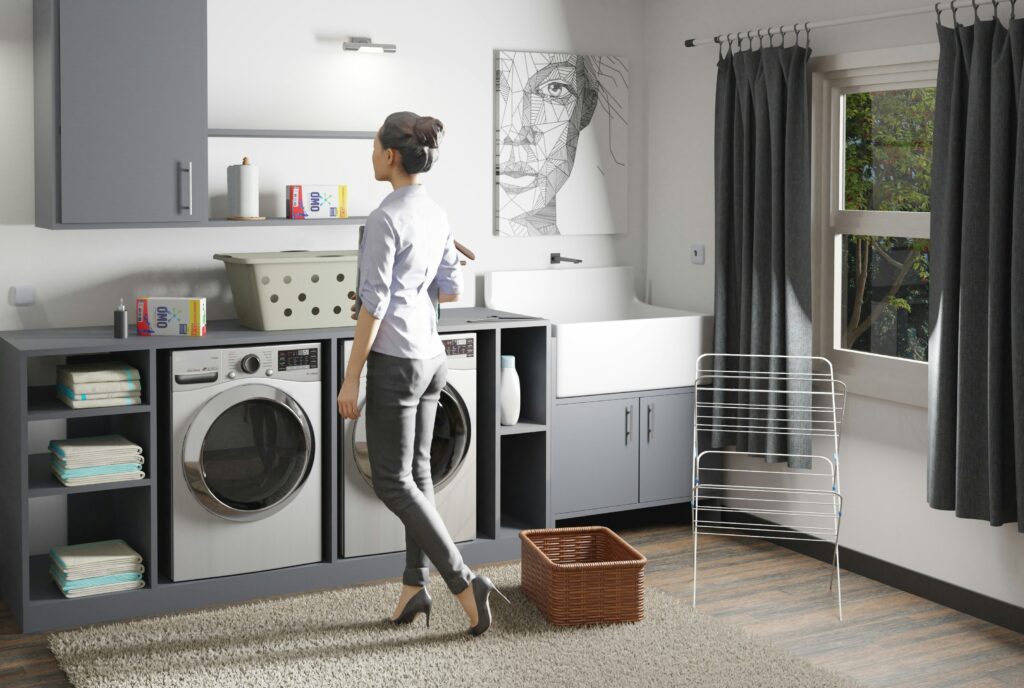
Clear empty detergent bottles, broken hangers, and expired products. Then simplify your laundry routine where possible. Fewer complicated systems often work better long term.
Day 27: Kitchen Cabinets
Focus on duplicates and rarely used tools today. Most kitchens contain specialty gadgets used once or twice. Keep what genuinely supports your cooking habits instead of your idealized cooking habits. That distinction matters more than people realize.
Day 28: Garage, Balcony, or Utility Space
These areas become “decision postponement zones” in many homes. Work in sections rather than trying to finish everything at once. Safety matters here too, so avoid stacking unstable piles while sorting.
Also read: Decluttering Garage: 10 Steps to Finally Take Back Your Space (Without Spending a Fortune)
Day 29: One Room Reset
Choose one room and walk through it slowly. Look for anything that drifted back into the space during the month. This step helps you notice habits, not just objects. Often, clutter returns through routines rather than laziness.
Day 30: Create Maintenance Habits
Today is less about removing items and more about protecting your progress.
Choose a few realistic habits:
- five-minute evening resets
- donation box in a closet
- monthly paper sorting
- one-in, one-out shopping rule
The most important part is sustainability. Homes stay manageable through small repeated actions, not occasional extreme cleanouts.
Decluttering Hacks That Quietly Make the Process Easier
Some decluttering ideas work well because they reduce emotional friction rather than increasing pressure. One helpful trick is using a “maybe box.” Place uncertain items inside, seal the box, and write the date on it. If you do not open it within three months, you likely do not need most of those items.
Another useful method is taking before-and-after photos. Progress often feels invisible while you are inside the process. Photos help you notice changes your brain quickly adjusts to. You can also set a timer before starting. Twenty focused minutes usually works better than waiting for an entire free day that never arrives.
Finally, avoid decluttering while emotionally overwhelmed. Stress can push people toward either keeping everything or throwing away too much too quickly.
A Few Things That Can Make the Experience Harder
One common problem during a 30-day decluttering challenge is trying to organize sentimental items too early. Emotional categories drain energy faster than practical ones.
Another issue is creating large donation piles without actually removing them from the home. If possible, schedule donation drop-offs weekly so clutter does not simply move rooms.
It also helps to avoid comparing your home to highly staged social media spaces. Real homes support real lives. They do not need to look empty or perfect to feel peaceful and functional.
Your Home Does Not Need to Change All at Once
Many people think decluttering succeeds through motivation alone. In reality, good systems matter more than motivation.
When you reduce visual noise, simplify storage, and create routines that match your actual life, your home gradually becomes easier to manage. Daily tasks take less energy. Cleaning feels lighter. Finding things becomes less frustrating.
That does not mean every room will stay perfect forever. Life still happens. Laundry piles return. Busy seasons interrupt routines. Some weeks will feel messier than others. Still, these decluttering tips help you build a home that recovers more easily from everyday chaos instead of constantly fighting against it.
And if you want extra structure while working through this process, a detailed declutter checklist can help break each day into even smaller steps. Sometimes the hardest part is not willingness. It is simply knowing where to begin next.
For now, focus on one space, one drawer, or one shelf at a time. Small decisions add up more quietly than people expect.
Featured image credit: Photo by Joylynn Goh on Unsplash
Leave a Reply