
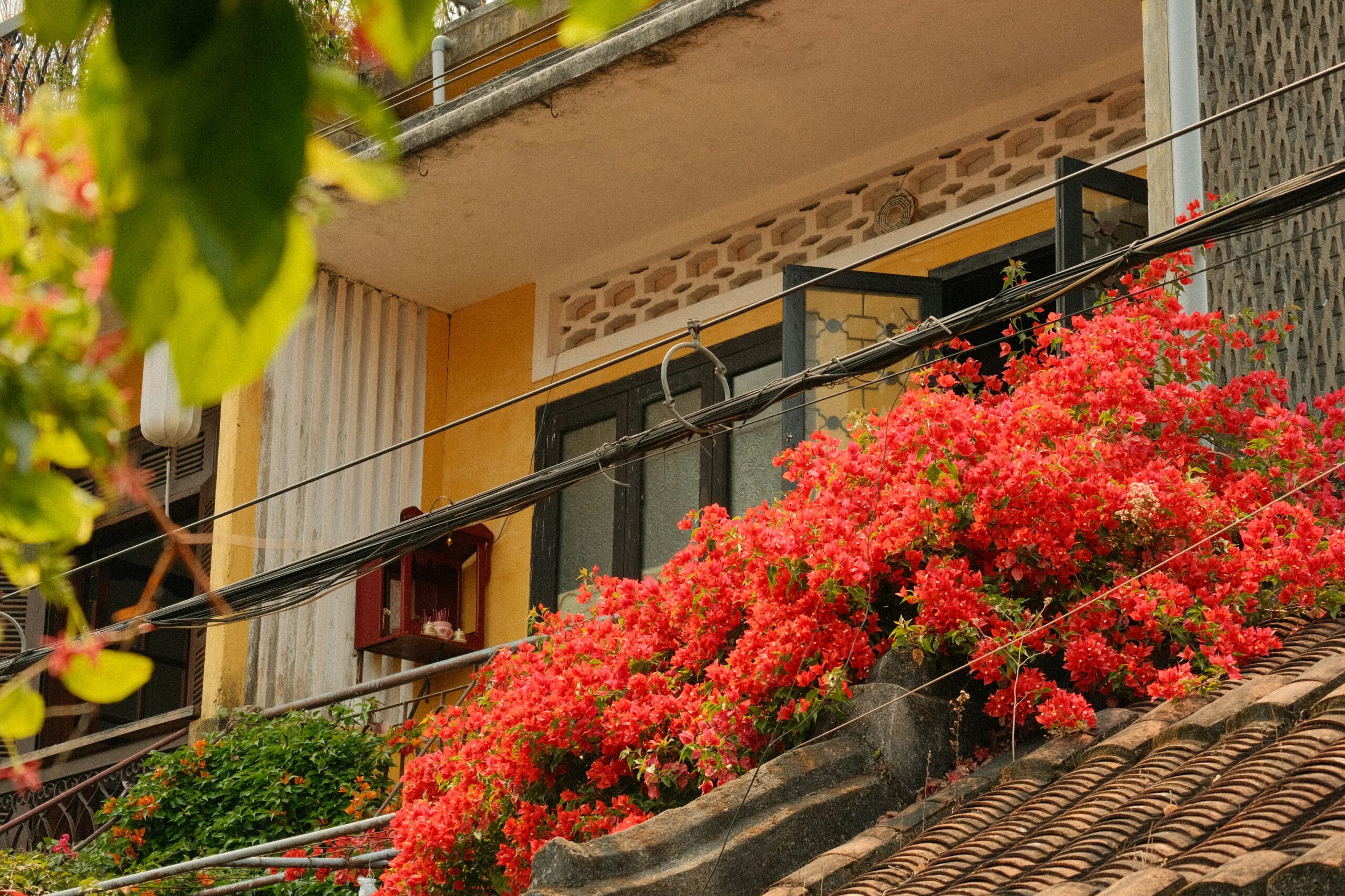
You want a yard full of color. Or maybe a bright little balcony. Or just one cheerful pot by the front door. Whatever got you here, you’re in the right place. Planting flowers at home is genuinely one of the most rewarding things you can do, and it is so much more approachable than most people think.
Here is something encouraging: according to a national gardening survey, 80% of American households took on at least one gardening project in a recent year. You are not starting from scratch in a world of experts. Most people are figuring it out as they go, just like you.
So let’s walk through everything, step by step, from picking the right flowers to keeping them alive and blooming all season long.
Step 1: Decide Where You Want to Plant
Before you buy a single seed or flower, look at your space honestly. This is the step most beginners skip, and it causes the most frustration later.
Ask yourself: How much sunlight does this spot get? Walk outside and observe. A location that gets 6 or more hours of direct sun daily is considered “full sun.” Four to six hours is “partial shade.” Less than four hours is “full shade.” Most flowering plants want sun, so this one factor determines almost everything else.
Also think about drainage. If water pools in a spot after rain, roots will rot. Raised beds and containers solve this problem quickly if your ground does not drain well.
Step 2: Choose Seeds or Starter Plants
This is where planting flowers for beginners gets a little exciting. You have two routes.
Starting from seeds is cheaper and more satisfying. You also get way more variety. Seeds like zinnias, sunflowers, marigolds, and nasturtiums are so easy that you can direct sow them right into the ground or a container after your last frost date. Check your USDA Hardiness Zone at the USDA Plant Hardiness Zone Map to find your last frost date.
Buying starter plants (also called transplants or starts) from a nursery or garden center is faster and more forgiving. You skip germination and get blooms sooner. If you are nervous, start here. Most nurseries carry ready-to-plant petunias, geraniums, marigolds, and begonias in spring.
Honestly, there is no wrong answer. Many experienced growers do both. They start easy bloomers from seed and fill gaps with nursery-bought starts.
Step 3: Prepare Your Soil
Good soil is the foundation of everything. Even if you are planting flowers in a container at home, this step matters.
For garden beds, loosen the soil to about 12 inches deep using a hand fork or garden spade. Mix in compost, about two to three inches worked into the top layer. Compost improves drainage in clay soil and water retention in sandy soil. It is the closest thing to a magic ingredient in gardening.
For containers, always use a fresh potting mix, not garden soil. Garden soil compacts in pots and suffocates roots. Look for a lightweight, well-draining potting mix at any hardware or garden store. Add a slow-release granular fertilizer into the mix before planting so your flowers have food from the start.
Step 4: Plant Your Flowers Correctly
Now for the hands-in-the-dirt part. Here is how to do it right.
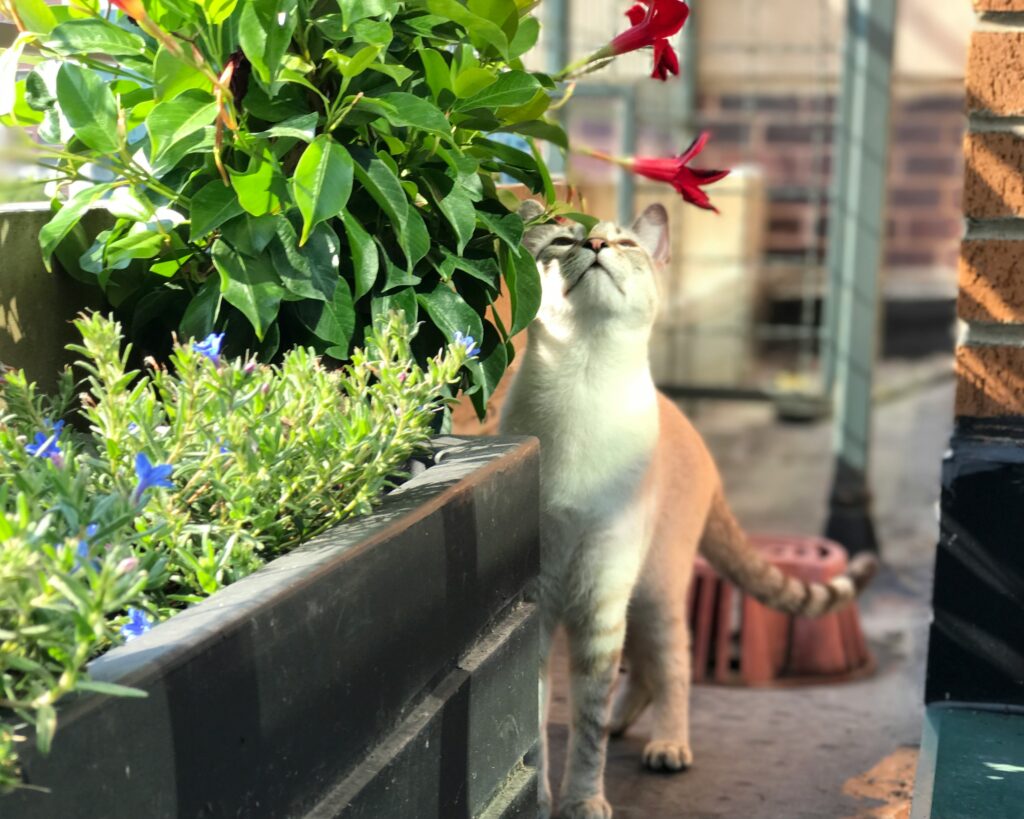
For starter plants, dig a hole just slightly wider and the same depth as the root ball. Gently remove the plant from its pot. Loosen the roots lightly with your fingers if they look tightly coiled. Place the plant so the top of the root ball sits level with the surrounding soil surface. Never bury the stem. Fill in around it, press down lightly, and water thoroughly right away.
For seeds, follow the packet instructions closely. Depth matters. Most small seeds, like zinnias and cosmos, get planted at about a quarter inch deep. Larger seeds, like sunflowers, go about an inch deep. Lightly cover, water gently with a misting setting to avoid washing them away, and keep the soil consistently moist until you see sprouts.
One common mistake in planting flowers in garden beds is overcrowding. Check the spacing recommendation on the label. It seems sparse at first, but flowers need airflow to stay disease-free and room to grow to their full size.
Also read: The Fastest Growing Fruit Trees You Can Start This Season
Step 5: Water the Right Way
Overwatering kills more flowers than underwatering does. So let’s get this right.
Most flowers want about one inch of water per week from rain or watering combined. The best method is deep, infrequent watering rather than a little bit every day. Deep watering encourages roots to grow downward, which makes plants more drought-resistant.
Water at the base of the plant, not on the leaves. Wet foliage in the evening leads to fungal disease. Morning watering is ideal because leaves dry out during the day.
For containers, check the soil by pressing your finger about an inch into the mix. If it still feels moist, wait. If it feels dry, water until it drains freely from the bottom holes. Containers dry out faster than garden beds, so they may need watering every one to two days in summer heat.
Step 6: Feed Your Flowers
Plants in garden beds with compost-rich soil may need very little extra fertilizer. However, most container flowers benefit from regular feeding because nutrients wash out with every watering.
Use a balanced liquid fertilizer, such as a 10-10-10 or bloom-boosting formula, every two weeks during the growing season. Follow the label exactly. More fertilizer is not better; it burns roots and actually reduces blooming.
For in-ground beds, a slow-release granular fertilizer worked into the soil at planting time is often enough for the whole season.
Step 7: Deadhead and Maintain
Deadheading sounds dramatic but it just means pinching or snipping off spent blooms before they form seeds. When a flower goes to seed, the plant thinks its job is done. It slows down blooming. So remove faded flowers regularly and the plant keeps producing new ones.
This single habit makes a huge difference in how long your garden looks beautiful.
Also watch for common problems. Yellow leaves often mean overwatering or lack of nutrients. Holes in leaves may mean caterpillars or beetles. Sticky, distorted growth usually means aphids. A strong spray of water from a hose knocks aphids off most plants. For fungal issues like powdery mildew, increase airflow between plants and avoid wetting leaves.
Easiest Flowers to Grow by Season
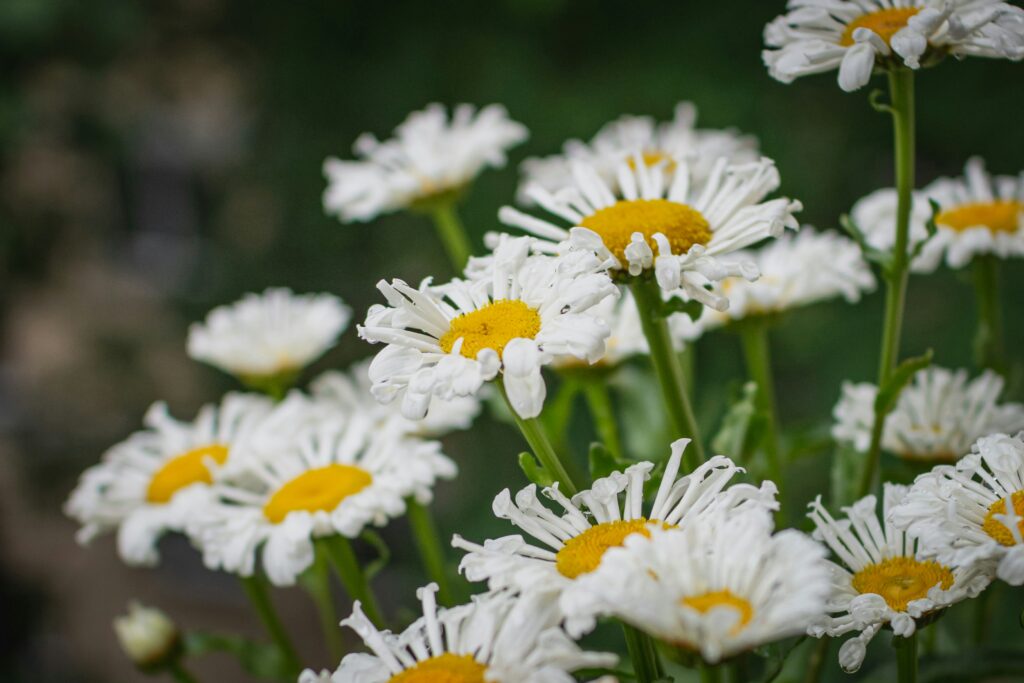
Not every flower suits every time of year. Here is a practical guide for planting flowers ideas that actually work.
Spring: Pansies, snapdragons, sweet alyssum, and daffodil bulbs (planted the previous fall). These all love cooler weather and will fade once summer heat arrives, so enjoy them while they last.
Summer: Zinnias, marigolds, cosmos, petunias, black-eyed Susans, and sunflowers are your best bets. These are heat-lovers that bloom heavily until the first frost. Zinnias in particular are practically foolproof from seed and bloom in stunning shades of red, orange, pink, and coral.
Fall: Asters bring rich purple and pink daisy-like blooms right when most other flowers are winding down. Pansies return as the weather cools again. Ornamental kale and mums add color through late October and November.
Year-round (indoors): African violets, peace lilies, and anthuriums bloom indoors with indirect light and consistent moisture. They are excellent choices for planting flowers at home in apartments or rooms with limited sun.
Also read: Gardening for Beginners: 10 Best Vegetables to Grow (That Actually Survive!)
Best Flowers for Outdoor Spaces: Patio, Balcony, and Terrace
Limited ground space is no reason to miss out on flowers. Containers, window boxes, and hanging baskets make it easy to add color anywhere.
For sunny patios and balconies, try petunias, geraniums, calibrachoa (also called million bells), lantana, and portulaca. These all thrive in heat and direct sun. They do beautifully in pots and hanging baskets. The trailing varieties of petunias spill over the edges of containers in a way that looks incredibly lush with very little effort.
For shaded terraces or north-facing balconies, impatiens, begonias, fuchsias, and astilbe perform beautifully in lower light. Impatiens are a classic choice: they stay colorful all season and need little fuss beyond regular watering.
For planting flowers in front of house, consider low-maintenance, high-impact choices like knockout roses, lavender, black-eyed Susans, and ornamental grasses paired with salvia. These look intentional and polished along walkways, borders, and mailboxes. Curb appeal really does matter, and according to recent surveys, improving front-yard plantings is the number one outdoor project American homeowners plan each year.
Best Flowers to Grow Completely Indoors
Some flowers do surprisingly well inside with just a bright windowsill.
African violets are probably the most forgiving indoor flowering plant. They bloom in purple, pink, and white, and they need only moderate indirect light and bottom watering (set the pot in a saucer of water for 30 minutes, then drain).
Peace lilies tolerate low light and bloom with elegant white spathes. They also clean indoor air as a bonus.
Anthuriums produce waxy, heart-shaped blooms in red, pink, or white and prefer bright indirect light with moderate humidity. They bloom for months at a time.
Kalanchoe is a cheerful little succulent-like plant that blooms in red, yellow, orange, and pink. It needs a sunny window and infrequent watering, making it one of the lowest-maintenance indoor flowering options available.

A Note for Anyone Who Has Struggled Before
If flowers have died on you in the past, please do not give up. Almost every experienced gardener has killed plants. It is part of the process. The most common reasons flowers fail are wrong sun placement, overwatering, and planting at the wrong time of year. Now that you know those three things, you are already ahead.
Start simple. Start with one container of marigolds or zinnias. Get comfortable with watering. Then expand from there. The Old Farmer’s Almanac gardening blog is one of the most trusted free resources online for beginner-friendly, zone-specific flower guides, and it is worth bookmarking.
Planting flowers ideas work best when they match your real life, your real space, and your real schedule. You do not need a big backyard. You do not need expensive tools. You need a little sunlight, decent soil, and the willingness to start.
The first bloom you grow yourself will feel genuinely wonderful. Trust that and go plant something.
Featured image credit: Photo by Quang Tran on Unsplash
Also read: 10 Beginner Gardening Mistakes That Are Quietly Killing Your Plants (And How to Fix Them)
Leave a Reply