
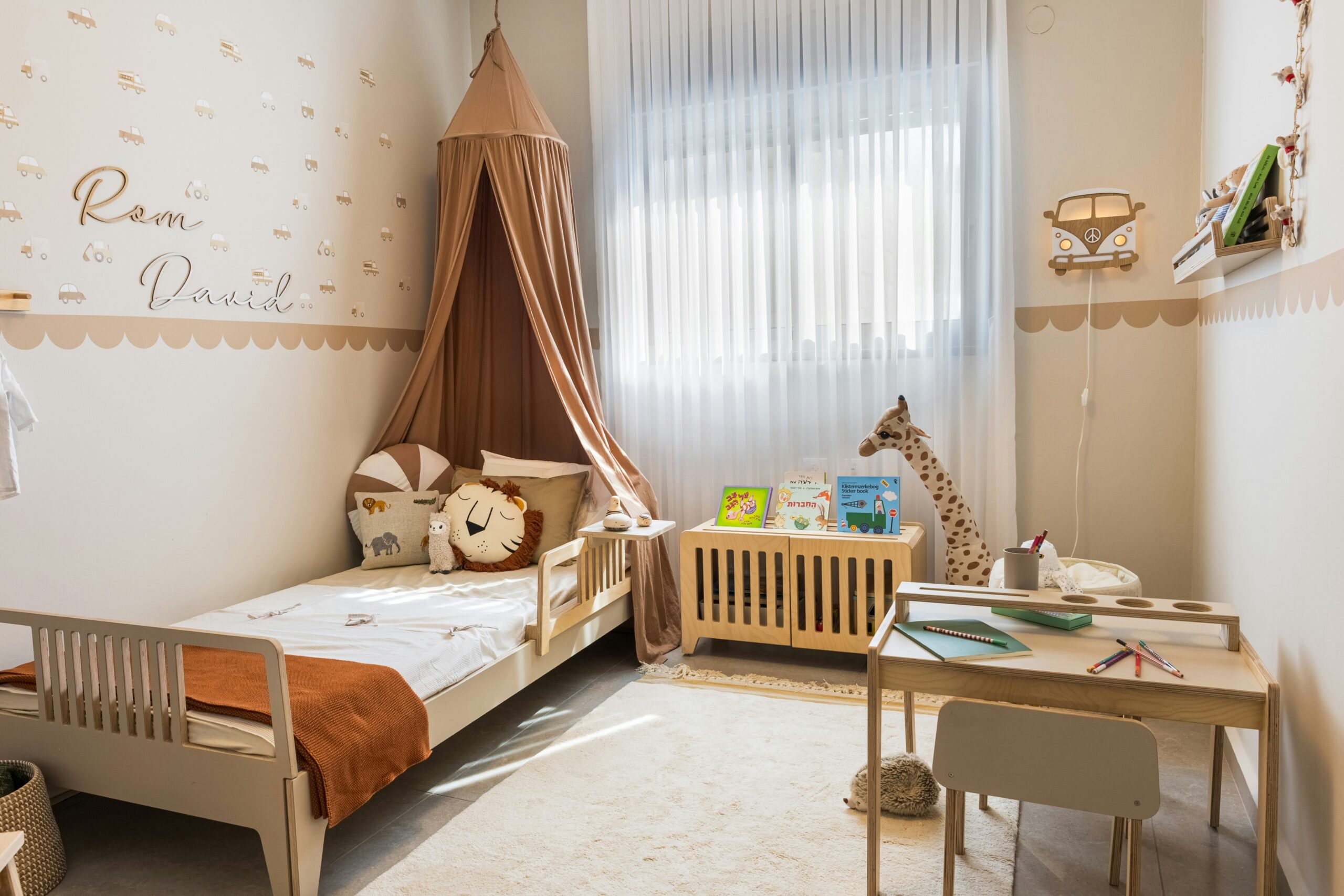
A kids’ room can look perfectly organized one evening and completely different the next morning. Toys move from bins to the floor, books gather beside the bed, and clothes somehow end up on chairs that were never meant to hold them. For many parents, the challenge is not cleaning the room once. The challenge is creating a system that keeps the room manageable after a busy week of work, school, and family life.
When I help organize spaces, I often notice the same pattern. Most families do not have a cleaning problem. They have a system problem. Too many items share the same space, storage does not match how children use the room, and cleanup becomes a bigger task than it needs to be.
The good news is that organizing kids room spaces does not require expensive furniture or picture-perfect storage solutions. A few thoughtful systems can make daily cleanup much easier. Let’s start with the foundation that makes every other organizing step work better.
Begin With a Simple Reset
Before organizing anything, clear the room as much as possible. Gather toys, books, clothes, crafts, and miscellaneous items into separate groups. Seeing everything together helps you understand what is actually in the room. Many parents discover duplicate toys, forgotten books, broken items, or clothes their child has already outgrown.
At this stage, focus on four categories:
- Keep
- Donate
- Store elsewhere
- Discard
This step matters because storage works best when it holds items your child actually uses. Organizing excess items often creates more work rather than less.
Also read: How to Declutter Your Home in 30 Days: A Realistic Plan That Actually Feels Manageable
Create Zones Instead of Storing Everything Everywhere
One of the most common reasons kids’ rooms become messy is that every activity happens in every corner of the room.
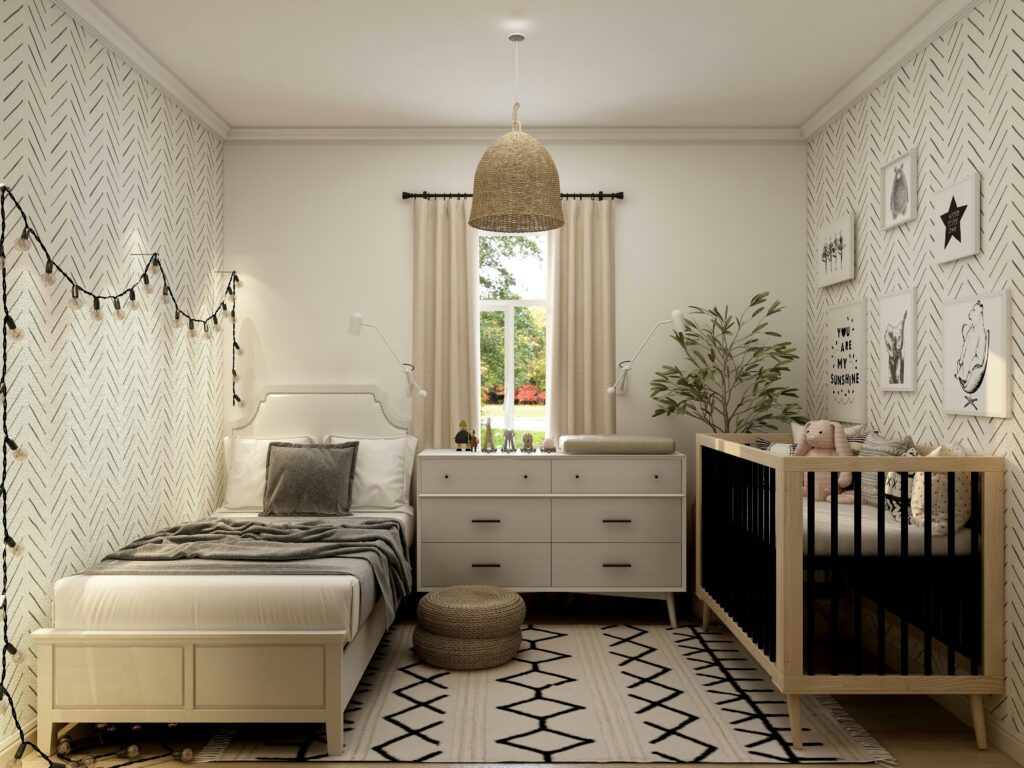
Instead, divide the room into simple zones:
Sleep Zone
Keep beds, nightstands, and bedtime items here.
Reading Zone
Place books, cushions, and reading materials together.
Play Zone
Store toys and games in one dedicated area.
Creative Zone
Keep craft supplies, coloring books, and activity materials together.
When each activity has a home, cleanup becomes much easier because your child only has to return items to the correct zone instead of searching for storage locations throughout the room.
Make Toy Storage Easy Enough for a Child to Use
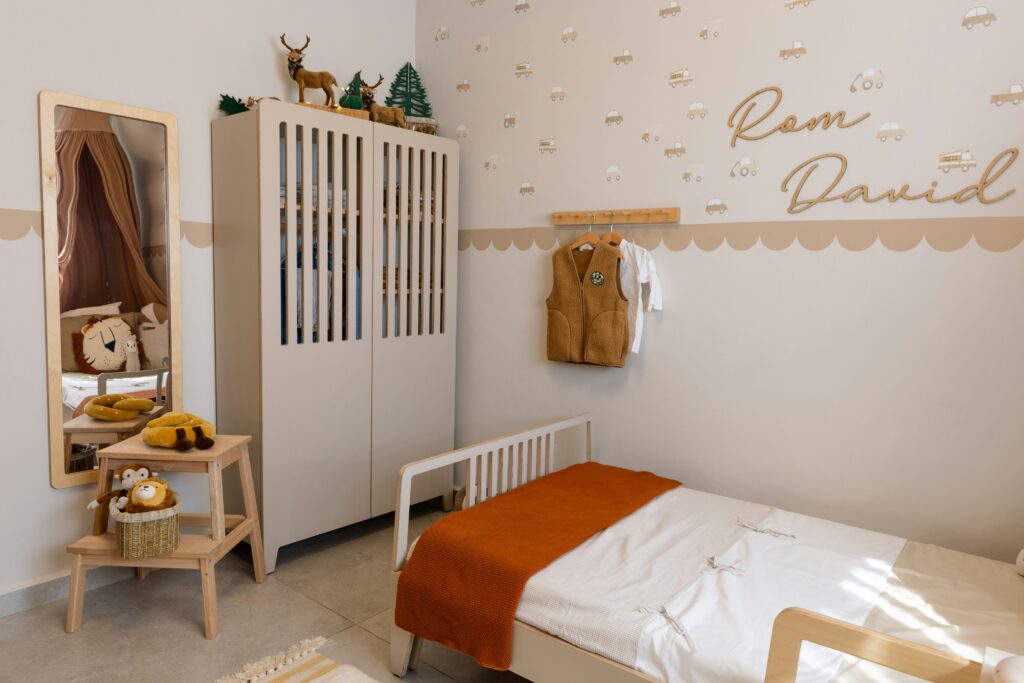
Many toy storage systems are designed for adults rather than children. Large bins filled with mixed toys often create frustration. Children may dump everything out to find one item, creating another mess immediately.
Instead, separate toys by category:
- Building toys
- Dolls and figures
- Vehicles
- Puzzles
- Pretend play items
Use open bins with picture labels if your child is young. When organizing kids toys, accessibility matters more than appearance. If children can easily put items away, they are more likely to participate in cleanup.
Organize Books Like a Small Library
Books often migrate throughout the house because they do not have a clear storage system. Place a bookshelf within your child’s reach. Then sort books into broad categories such as:
- Picture books
- Early readers
- Educational books
- Favorite bedtime stories
You do not need a perfect library system. You simply need enough structure that books can return to their shelf quickly. A study from the American Academy of Pediatrics highlights the importance of easy access to books for children’s literacy development, which makes a dedicated reading area worth considering.
Build a Closet Around Real Life, Not Perfect Folding
Closets often become difficult because storage systems focus on looking neat rather than being practical. When organizing kids clothes, place frequently worn items where children can reach them easily.
Consider using:
- Low hanging rods
- Clearly labeled drawers
- Open baskets for socks
- Separate bins for seasonal clothing
I find that simple systems usually last longer than elaborate folding methods. Children grow quickly, and their clothing changes frequently, so flexibility matters.
Also read: Decluttering Tips: How to Declutter Your Closet in Just One Weekend
Give Craft Supplies Their Own Home
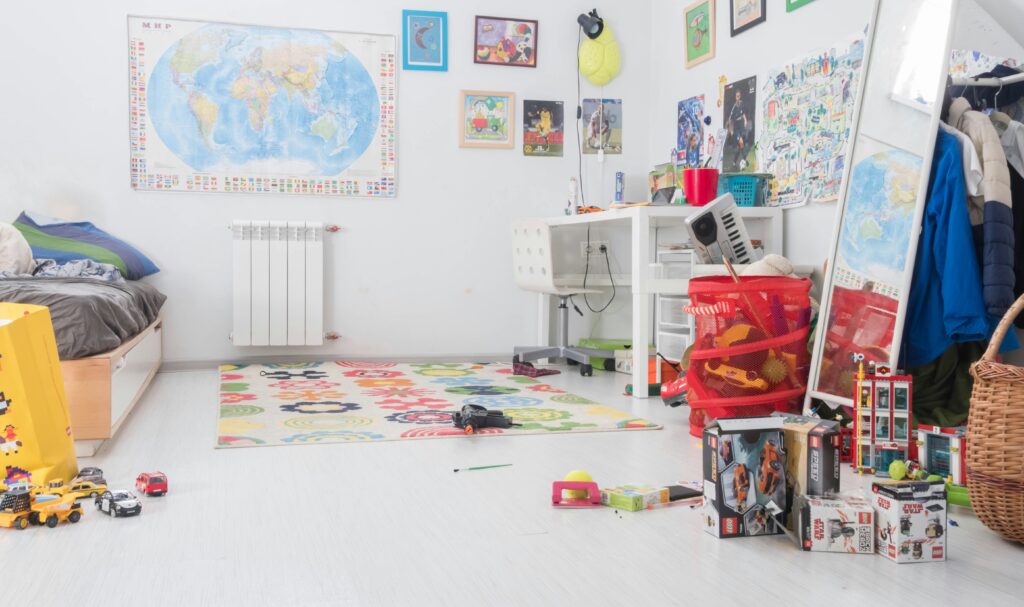
Art supplies tend to spread faster than almost anything else in a child’s room. For organizing kids crafts, sort supplies into categories:
- Markers and crayons
- Paint supplies
- Paper
- Stickers
- Glue and scissors
Use clear containers whenever possible. Children can see what they have without opening every box. If space allows, keep craft materials near a table or desk where projects usually happen. This reduces the temptation to carry supplies throughout the room.
Create a Home for School Items
School papers often become one of the biggest sources of clutter. Designate one location for:
- Homework supplies
- School projects
- Backpacks
- Permission slips
A simple wall organizer or document holder works well.
The goal is not to keep every paper forever. Instead, create a temporary holding area where important items stay visible until you decide what to keep.
Store Sentimental Items Separately
Many parents struggle with artwork, special projects, and keepsakes. Rather than mixing these items with daily-use belongings, create a dedicated memory box. Choose a container for each child and add items periodically. This keeps meaningful items protected while preventing storage areas from becoming overcrowded.
Not every drawing needs permanent storage, but many families appreciate having a system for preserving a few favorites.
Think Carefully About Shared Bedrooms
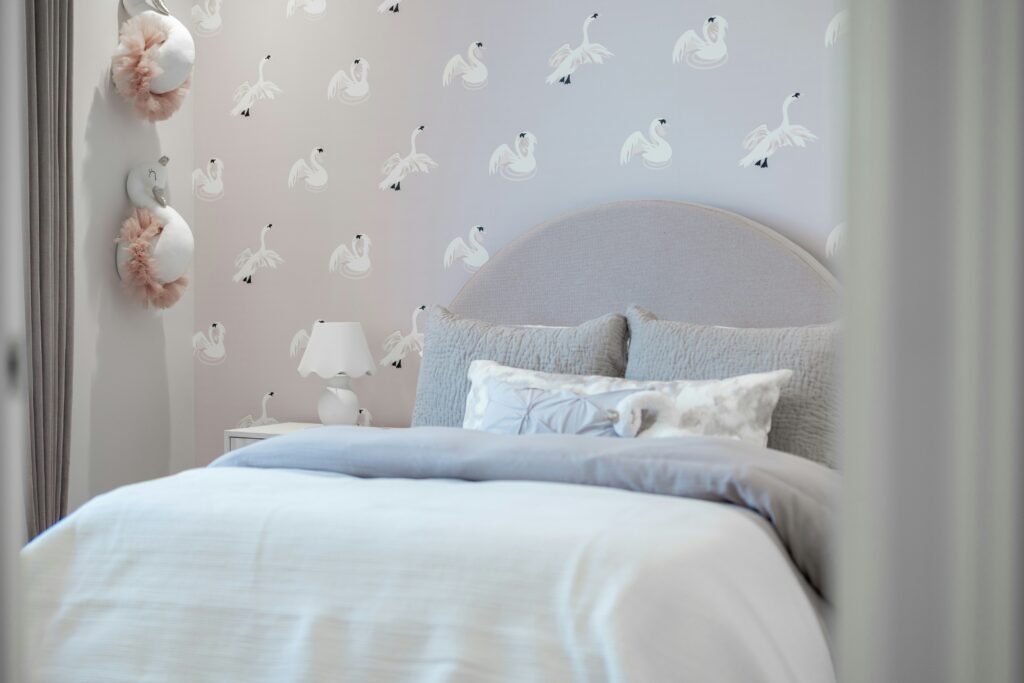
If siblings share a room, storage needs become more important. Give each child individual ownership of specific areas whenever possible.
This might include:
- Separate toy bins
- Individual shelves
- Personal drawers
- Dedicated storage baskets
Even small distinctions can reduce arguments and confusion during cleanup. Of course, some families have limited space. In those situations, shared storage can still work well as long as categories remain clearly defined.
If You Have a Separate Playroom, Keep Systems Consistent
Some families use a separate playroom in addition to a bedroom. That is perfectly fine, but try not to create completely different organizing systems. For example, if building toys live in labeled bins in the playroom, use similar categories elsewhere in the house.
Consistency helps children learn where things belong. It also makes cleanup faster because the same rules apply in multiple spaces. A dedicated playroom deserves its own discussion because it introduces different storage and activity challenges, but the same organizing principles still apply.
Build a Cleanup Routine That Takes Five Minutes
The most important part of organizing kids room spaces is maintenance. A simple five-minute reset often works better than occasional deep cleaning sessions. At the end of the day, encourage a quick routine:
- Return toys to bins.
- Place books on shelves.
- Put dirty clothes in the hamper.
- Clear craft supplies.
- Reset surfaces.
The goal is not perfection. The goal is preventing small messes from becoming overwhelming.
Also read: 50 Tiny Things to Declutter That Quietly Make Your Home Feel Messy
A Small Trick That Makes Cleanup Easier
One trick I often recommend is rotating toys rather than displaying everything at once. Store part of the collection in a separate container and switch items every few weeks. Children often become interested in “new” toys again, and the room stays easier to manage because fewer items remain available at one time.
What Often Creates More Mess Than Expected
Many families buy storage containers before understanding what needs storage. This usually leads to bins filled with mixed items and categories that make little sense over time.
Start by sorting belongings first. Then choose storage that supports the categories you created. The container should follow the system, not the other way around.
One Thought That Matters More Than Perfect Organization
The most successful kids’ rooms are not always the neatest rooms. They are the rooms where children can find what they need, use the space comfortably, and help maintain it themselves.
A room that looks beautiful but requires constant adult intervention rarely stays organized for long.
Organizing kids room spaces becomes easier when you focus on simple systems rather than constant cleaning. Create clear zones, organize toys and clothes by category, give everyday items an obvious home, and maintain a short daily reset routine. Over time, these small systems help the room stay functional, easier to clean, and more enjoyable for both children and parents.
Featured image credit: Photo by Shoham Avisrur on Unsplash





Leave a Reply