

The colder season can make a home feel crowded very quickly. Heavy coats appear in the entryway, blankets move onto every sofa, holiday decorations come out of storage, and the kitchen suddenly needs space for more cooking and entertaining. Before long, you’re moving things around just to make room for the things you actually need.
I used to think winter preparation meant cleaning the house from top to bottom. In practice, I found that a more focused approach works better. Winter decluttering is really about making room for colder-weather routines, preparing for Christmas and holiday activities, and handling small maintenance jobs before they become inconvenient. This winter decluttering checklist follows that order so you can work through your home without spending an entire weekend moving things from one pile to another.
Why Winter Decluttering Needs a Different Approach
Winter brings several changes at the same time. You may spend more time indoors, use heavier bedding and clothing, cook more frequently, and bring seasonal decorations into rooms that already contain everyday belongings.
Christmas adds another layer because decorations, wrapping supplies, gifts, entertaining items, and extra food temporarily enter the home.
That means I don’t approach winter preparation like spring cleaning. Instead, I focus on making space before bringing more things in.
This is particularly important before decorating. If you bring several boxes of holiday decorations into an already crowded room, you will probably end up moving existing belongings around repeatedly. Clearing the obvious clutter first makes everything that follows much easier.
Also read: 50 Tiny Things to Declutter That Quietly Make Your Home Feel Messy
How to Start Your Winter Home Reset
Before you begin, collect a few inexpensive supplies: sturdy trash bags, a donation bag, a laundry basket, reusable storage bins, labels, and a marker.
Use the laundry basket as a temporary “belongs elsewhere” container. If you find a summer item in the bedroom that belongs in storage, put it in the basket rather than stopping your work to carry it away.
Then work through the house in a fixed order. I usually start with the entryway, move through bedrooms and living spaces, then finish with the kitchen, bathrooms, utility areas, and storage.
This prevents the familiar problem of having six half-finished rooms and no clear idea what you accomplished.
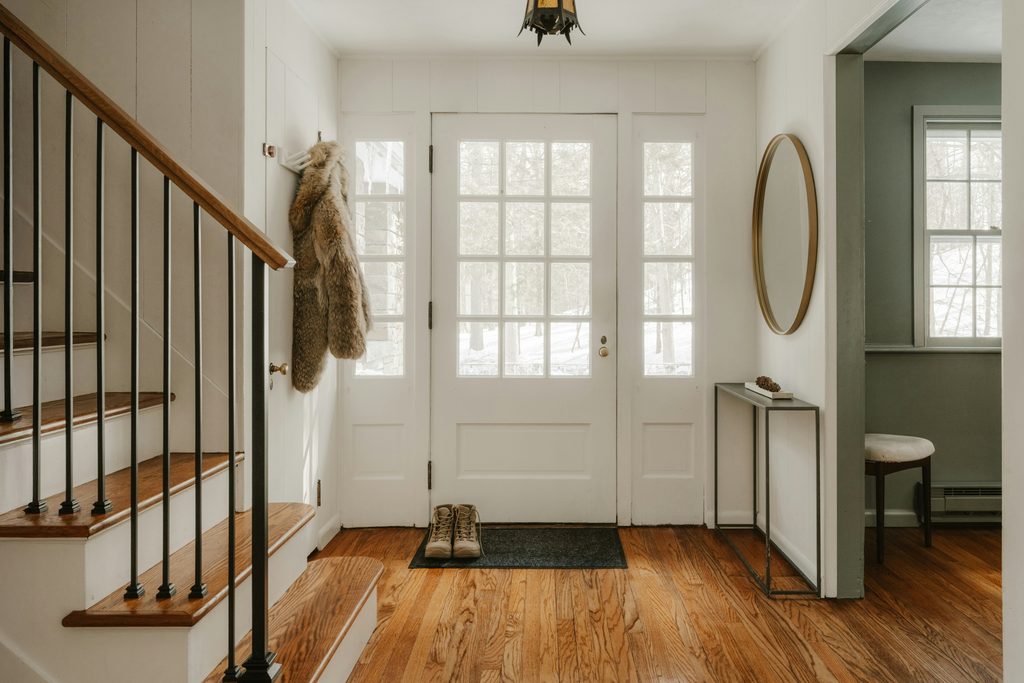
1. Prepare the Entryway for Winter
The entryway usually becomes one of the hardest-working areas of the house during winter.
Start by removing summer shoes, lightweight accessories, outdoor items, and anything that doesn’t belong near the entrance. You don’t need to make decisions about every possession. Simply create room for the items you’ll actually use.
Then bring forward coats, boots, umbrellas, scarves, hats, and gloves.
If your entryway storage is already full, look at what occupies the easiest-to-reach spaces. You may find that rarely used bags or shoes are taking the places that winter essentials need.
A small basket for gloves, hats, and scarves can prevent those items from spreading across a bench or console. A boot tray can also contain wet or muddy footwear and make winter cleanup easier.
Also read: 10 Brilliant Entryway Organization Ideas for Small Spaces
Check Doors and Windows While You’re There
Before colder weather arrives, check exterior doors and windows for obvious drafts, damaged seals, or gaps.
You can handle appropriate minor weather-stripping or caulking yourself, but don’t treat significant structural, electrical, gas, or moisture problems as decluttering tasks. Those need the right professional assessment.
The U.S. Department of Energy recommends sealing appropriate air leaks around windows and doors as part of home weatherization.
2. Declutter and Prepare Winter Clothing
Winter clothing takes considerably more space than summer clothing, so your closet needs to accommodate that change.
Start with the clothes you’re bringing forward. Wash or clean stored sweaters, coats, scarves, and other items according to their care instructions before putting them into regular rotation.
Then look at your summer clothing. Move genuinely seasonal pieces into labeled storage rather than leaving them mixed with winter clothes.
This is also a good moment to separate clothing that needs repair. If a winter coat needs a new button or a sweater needs mending, put it in one clearly marked repair bag. Don’t return it to the closet where you’ll forget about it.
You don’t need to conduct a complete wardrobe declutter at the same time. If you’ve already created a separate closet or bedroom decluttering system, this seasonal process can stay focused on accessibility.
Also read: Closet Organization Ideas: The Easy System That Makes Finding Clothes Faster
Make Room Before Christmas Shopping Starts
Holiday gifts often add clothing to the household. If you expect that to happen, don’t wait until after Christmas to discover that drawers and closets have no spare capacity.
You don’t need to empty an entire closet. Simply identify where new items could reasonably go and make that space now.
That small bit of preparation can prevent new belongings from sitting on chairs, beds, or floors while you’re trying to figure out where they belong.
3. Reset the Bedroom for Colder Weather
Once the clothing is handled, move to bedding.
Bring heavier blankets, comforters, flannel sheets, or other cold-weather bedding into rotation if you use them. At the same time, wash and store lighter seasonal bedding properly.
Use breathable storage for textiles that need airflow, and label containers clearly so you can find them again when the weather changes.
Then look around the bedroom.
Are there summer fans, travel bags, outdoor accessories, or miscellaneous items occupying useful floor or closet space? Move them to their proper storage areas before adding more winter items.
A clear bedroom becomes especially useful during the holidays because guest bedding, luggage, gifts, and extra blankets may temporarily need space.
Also read: Small Room, Big Potential: Bedroom Organization Ideas That Cost Almost Nothing

4. Prepare the Living Room Before Holiday Decorations Arrive
This is where I think people often make winter decluttering harder than it needs to be.
They open the holiday decoration boxes first.
Instead, clear the living room first.
Remove objects that have accumulated on coffee tables, shelves, side tables, and floors. Return books, toys, paperwork, and miscellaneous items to their normal homes.
Then decide where seasonal decorations can go.
You don’t need to remove every everyday decoration. You simply want enough clear space that holiday items don’t make the room difficult to use.
If you have several boxes of Christmas decorations, bring out only the boxes you expect to use. Leaving every decoration in the house just because you own it can create unnecessary work.
Also read: 11 Cozy Minimalist Living Room Ideas for a Calm and Stylish Home
Before You Decorate, Check Your Holiday Storage
As you take decorations out, don’t automatically keep damaged or unusable pieces.
Untangle lights and check them before storing or using them. Look for broken ornaments, damaged artificial greenery, empty packaging, and decorations you no longer use.
If you find something that needs repair, keep it in one clearly labeled container rather than putting it back randomly.
This makes decluttering holiday decorations much simpler because you’re making decisions while the items are already in your hands.
5. Prepare the Kitchen for Christmas and Winter Cooking
The kitchen deserves attention before holiday shopping begins.
Start with the refrigerator, freezer, and pantry. Remove expired food and anything you know you will not use. Then check what you already have before buying additional ingredients.
This prevents the common situation where three bags of flour, several jars of the same sauce, or multiple boxes of baking ingredients appear because nobody knew what was already in the cupboard.
Next, look at holiday cooking equipment.
Bring frequently used baking dishes, roasting pans, serving dishes, and small appliances into accessible storage. Move less-used summer equipment elsewhere if you need the room.
Don’t reorganize every cabinet. Focus on the areas that will support your winter and Christmas routines.
Also read: Kitchen Organization Ideas That Make Everyday Cooking Feel Easier
Create Space for Holiday Food
If you expect to host meals, designate one temporary area for unopened holiday ingredients and supplies.
A couple of inexpensive stackable bins can keep specialty ingredients together without permanently changing your pantry.
Once the holidays end, return the remaining items to their normal storage or incorporate them into your regular meal planning.
6. Check the Bathroom and Linen Storage
Winter often means using more towels, heavier bath mats, skincare products, and personal-care items.
Start with the bathroom cabinets. Remove empty products and anything you no longer use.
Then check your linen storage. Group towels, sheets, blankets, and guest linens so you can find them without pulling everything out.
If you expect guests during Christmas, make sure guest towels and spare bedding have a clearly identified location.
A labeled fabric bin can be useful here, particularly if your linen closet doesn’t have enough shelves to keep everything separated.
Also read: 10 Bathroom Organization Ideas for a Spa-Like Space

7. Work Through the Laundry and Utility Areas
These spaces become more important during winter because you may wash heavier clothing and use the dryer more frequently.
Clear empty detergent containers and products you no longer use. Check around and behind appliances for accumulated lint, dust, or items that have fallen into inaccessible spaces.
Clean the dryer’s lint filter according to the manufacturer’s instructions and pay attention to the dryer venting system as recommended for your appliance.
If you notice damaged electrical cords, unusual smells, poor ventilation, or other safety concerns, stop treating the problem as ordinary cleaning and have it assessed appropriately.
Also read: Laundry Room Organization Ideas: Simple Ways to Create a Calm, Functional Space
8. Check Heating and Winter Equipment
Before you need your heating system every day, check the basics.
Replace or clean HVAC filters according to the manufacturer’s instructions. Make sure vents, radiators, or other heating outlets aren’t blocked by furniture, boxes, or stored belongings.
If your heating system requires professional seasonal servicing, arrange it before the coldest period.
Also check flashlights, batteries, emergency supplies, and other items your household may need during a power outage or severe weather.
Keep these supplies somewhere accessible. Emergency equipment doesn’t help much if you have to search through five storage boxes to find it.
9. Prepare for Christmas Before the House Fills Up
Holiday decluttering doesn’t stop when the decorations come out.
Think about the temporary things that will enter your home: gifts, wrapping paper, greeting cards, food, packaging, guest belongings, and entertaining supplies.
Choose one location for wrapping supplies before you need them. A lidded plastic container can keep tape, scissors, ribbons, and paper together.
Similarly, designate a temporary location for incoming gifts so they don’t spread across bedrooms and living spaces.
This isn’t about creating a permanent holiday organization system. It’s about giving temporary items somewhere to go.
Also read: 4 Inspiring Christmas Tree Decoration Ideas for Your Family

10. Do a Quick Safety and Maintenance Walk-Through
Before winter is fully underway, walk through the house with maintenance in mind.
Test smoke and carbon monoxide alarms according to the manufacturer’s instructions. Check batteries where applicable and replace alarms according to the manufacturer’s recommended schedule.
If you use a fireplace, wood stove, gas appliance, or other combustion equipment, follow the appropriate inspection and maintenance guidance.
Also look for obvious plumbing leaks, dripping faucets, damaged hoses, or moisture problems.
A decluttering session can help you notice these issues because you’re finally looking behind furniture and inside areas that normally stay untouched.
A Winter Decluttering Trick That Saves Me Time
I keep one large “winter transition basket” nearby while working.
Anything that needs to move elsewhere goes into it. When the basket fills, I make one trip through the house and return everything to its proper location.
I also photograph the contents of holiday storage boxes before closing them. Next year, I can quickly see which box contains lights, ornaments, wrapping supplies, or table decorations without opening every container.
Don’t Turn Winter Decluttering Into a Decorating Project
It’s tempting to combine decluttering with a complete winter or Christmas decorating makeover, but I find that this usually makes the work longer.
First clear the unnecessary items. Then handle maintenance. Then bring out seasonal belongings.
You can decorate afterward.
That order matters because you’re preparing the house for the season rather than simply adding more things to it.
Also read: How to Declutter Your Home in 30 Days: A Realistic Plan That Actually Feels Manageable
What to Do After Christmas
The post-holiday period deserves its own short reset.
As you put decorations away, check them before returning them to storage. Discard broken items, repair anything worth keeping, and group similar decorations together.
Instead of writing “Christmas stuff” on a container, label it specifically: “Tree ornaments,” “Outdoor lights,” “Wrapping supplies,” or “Table decorations.”
This makes next year’s holiday decluttering much easier because you won’t have to rediscover what each box contains.
Don’t feel pressured to make major decluttering decisions while you’re exhausted after the holidays. Handle obvious damage and unnecessary items, then leave more complicated decisions for another time.
Also read: Seasonal Declutter: The Easy 4-Season Home Reset for a More Organized House

A Few Winter Decluttering Hacks
Use one small container as your “holiday exit box.” Throughout the season, place decorations, packaging, or seasonal items you realize you no longer need inside it. When the holidays finish, you already have a starting point for your post-holiday declutter.
For winter clothing, place a small laundry basket near the closet while you transition wardrobes. It can hold summer pieces until you finish moving everything into storage, preventing clothes from forming temporary piles on the bed.
One Thing That Can Make This Process Worse
Don’t buy storage containers before you know what you actually need to store.
Measure shelves, closets, and storage areas first. Otherwise, you can end up with containers that don’t fit or encourage you to keep things simply because you bought somewhere to put them.
Storage should solve a specific problem, not create another category of clutter.
Your Final Winter Walk-Through
When you’ve finished, walk through the house once without cleaning anything.
Ask yourself whether you can easily find winter clothing, bedding, holiday supplies, cooking equipment, and emergency items.
Check whether anything is blocking vents, heating equipment, doors, or walkways.
Then write down maintenance jobs that require attention rather than starting another project immediately.
The purpose of this final walk-through is simply to make sure the home is ready for the season you are entering.
A Few Last Words
This winter decluttering checklist is less about making your home look perfect and more about preparing it for how you’ll actually live during winter and Christmas. Clear space before bringing seasonal items inside, check the parts of the house that need maintenance, and deal with holiday belongings as you use them. A little preparation now can make the colder, busier season much easier to manage.
Featured image credit: Photo by Clay Banks on Unsplash
Leave a Reply