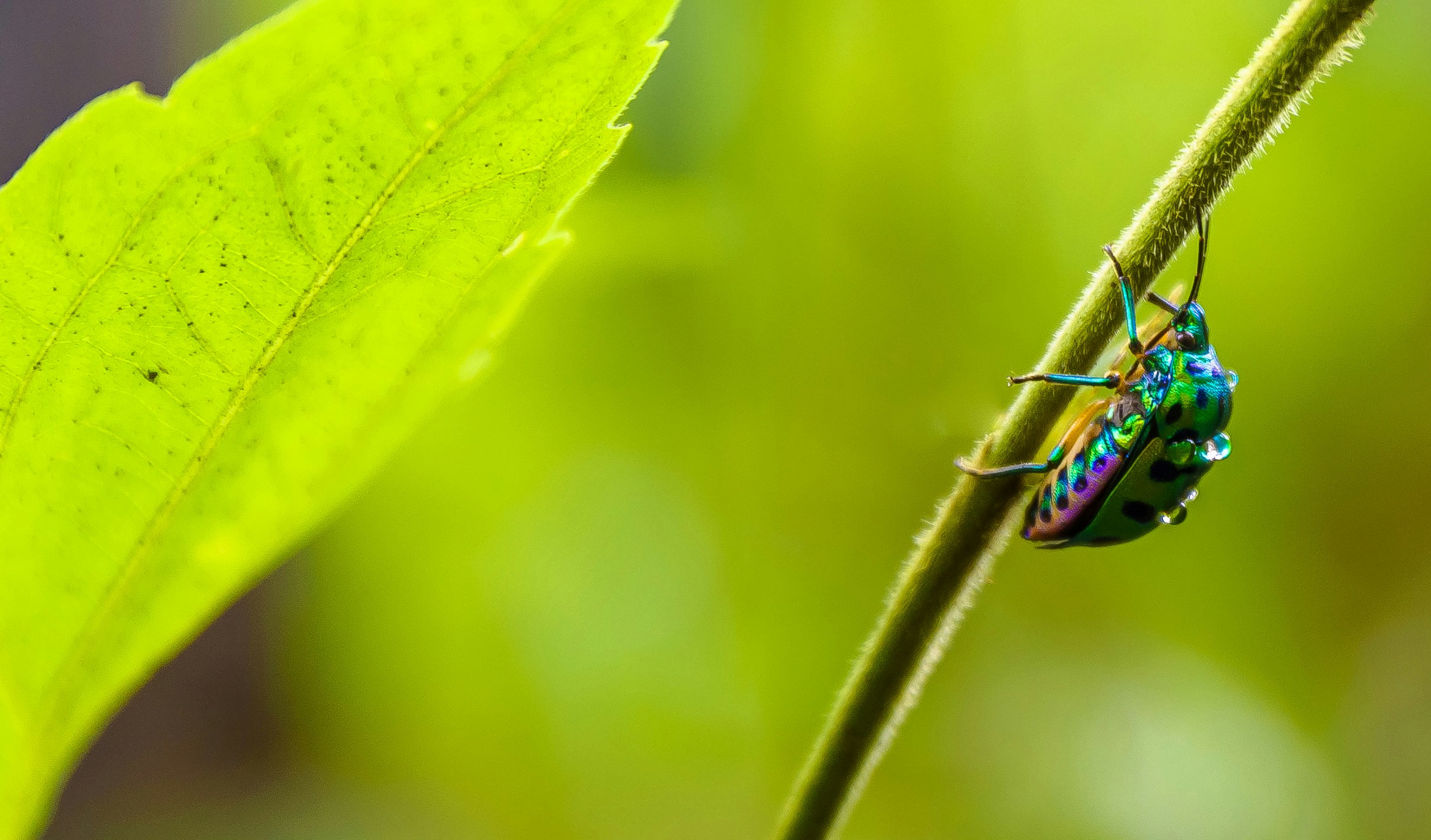
You finally set up your garden or patio, only to find yourself swatting mosquitoes every evening. Instead of enjoying your plants, you end up rushing indoors because the bugs arrive before you can relax. If this sounds familiar, you’re not alone. Many gardeners look for natural ways to reduce insects before reaching for sprays or chemical repellents.
Growing bug repellent plants won’t eliminate every mosquito or garden pest, but they can become an important part of a healthier outdoor space. Many of these plants produce essential oils and aromatic compounds that insects dislike while still attracting helpful pollinators. I have found that placing them near seating areas, walkways, and entrances works far better than scattering them randomly around the yard. Once you understand which plants do what, you can build a garden that is both beautiful and more comfortable to spend time in.
Why Bug Repellent Plants Actually Work
Many mosquito and insect repelling plants contain natural compounds such as citronellal, linalool, eugenol, thymol, or menthol. These strong scents can interfere with how mosquitoes locate people or discourage certain garden pests from feeding nearby.
Research suggests these plants work best when you place them close to where you spend time, especially in containers around patios, balconies, and outdoor seating. However, most experts agree that growing the plant alone will not provide the same protection as properly formulated repellents because the natural oils stay mostly inside the leaves until they are brushed, crushed, or released by heat. Think of these plants as one helpful layer of protection rather than a complete solution.
Also read: Medicinal Herb Garden Ideas: 15 Useful Plants You Can Grow at Home Without Spending Much
11 Bug Repellent Plants Worth Growing
1. Citronella Grass
Citronella grass is probably the first plant people think of when discussing mosquito control. It contains citronellal, the same compound commonly used in citronella candles. I like placing large pots of citronella near patios because moving them around is easier than planting them permanently. This plant is generally considered non-toxic to pets, although eating large amounts may upset their stomach. It grows best with plenty of space and sunlight, so avoid crowding smaller herbs around it. If you divide the clumps every few years with a simple garden spade, the plant stays healthier and more productive.
2. Lavender
Lavender contains linalool and linalyl acetate, fragrant compounds that mosquitoes, moths, and some flies dislike. It also attracts bees and butterflies, making it useful in a balanced bug repellent garden. Lavender is toxic to cats if consumed in significant amounts, so keep curious pets away. Since lavender prefers dry soil, avoid planting it beside moisture-loving plants like mint. A moisture meter helps prevent overwatering, which is one of the fastest ways to damage lavender.
3. Basil
Basil contains eugenol, an aromatic oil that helps discourage mosquitoes and houseflies. It also makes an excellent companion plant for tomatoes. Basil is considered pet-friendly, although eating large amounts may cause mild digestive upset. Avoid planting basil beside herbs that prefer very dry soil because basil enjoys more consistent moisture. Regular harvesting encourages fuller growth, so keep a pair of pruning scissors nearby.
4. Rosemary
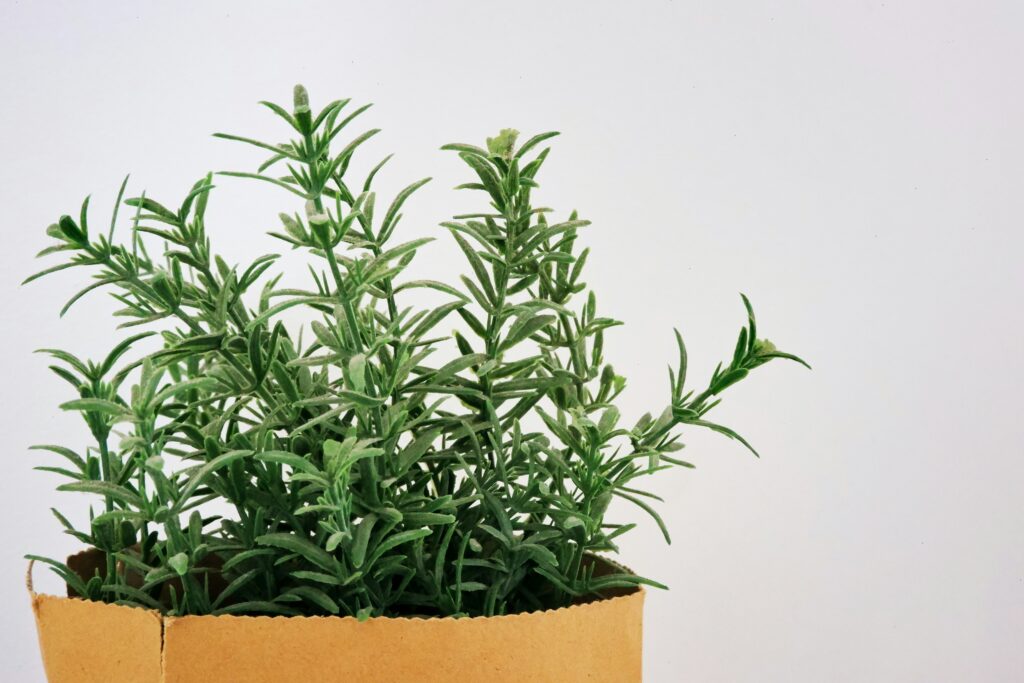
Rosemary releases strong aromatic oils that help discourage mosquitoes and some cabbage moths. I often grow rosemary in containers because it works well as one of my favorite mosquito repelling plants for patios. It is mildly toxic to pets if consumed in large quantities. Rosemary dislikes wet soil, so keep it away from thirsty vegetables that require frequent watering. A terracotta pot with excellent drainage usually solves this problem.
5. Catnip
Catnip contains nepetalactone, a natural compound that researchers have found can repel mosquitoes under certain conditions. It is completely safe and enjoyable for most cats, although they may roll around in it until the plant looks exhausted. If you do not want every neighborhood cat visiting your garden, consider growing it in a raised planter. Catnip spreads quickly, so avoid planting it beside slow-growing herbs.
6. Marigolds
Marigolds contain pyrethrins, natural compounds that insects dislike. They also help attract beneficial insects while discouraging some aphids and whiteflies. Marigolds are mildly toxic to pets if eaten and may irritate sensitive skin during pruning. They fit well around vegetable beds but should not completely shade shorter crops. Garden edging keeps them neatly contained.
7. Mint
Mint contains menthol, which many insects dislike. Fresh mint also smells wonderful when planted in mosquito repelling container gardens near outdoor seating. However, mint spreads aggressively through underground runners. I always recommend growing it in pots instead of directly in the garden because it can quickly overtake nearby vegetables. Mint is generally safe for pets, although some ornamental mint varieties differ, so identify your variety before planting.
8. Lemongrass
Lemongrass also contains citronellal and produces a fresh citrus scent. It works well in large decorative containers around patios and entryways. Lemongrass is generally non-toxic to dogs but may cause stomach upset if eaten in large amounts. It forms large clumps, so give it enough room instead of squeezing it between small annual flowers. A slow-release organic fertilizer keeps it growing steadily throughout summer.
9. Bee Balm
Bee balm contains thymol, which has mild insect-repelling properties while attracting bees, butterflies, and hummingbirds. It is generally considered safe for pets. Since bee balm can develop powdery mildew in humid weather, avoid planting it too closely with other dense perennials. Good spacing and occasional pruning improve airflow considerably.
10. Sage
Sage produces strong aromatic oils that discourage mosquitoes and certain beetles. Burning dried sage leaves outdoors has also been a traditional method for reducing mosquitoes around campfires. Culinary sage is generally safe in small amounts but concentrated essential oils are not suitable for pets. Sage dislikes soggy soil, so pair it with rosemary and lavender instead of moisture-loving herbs.
11. Thyme
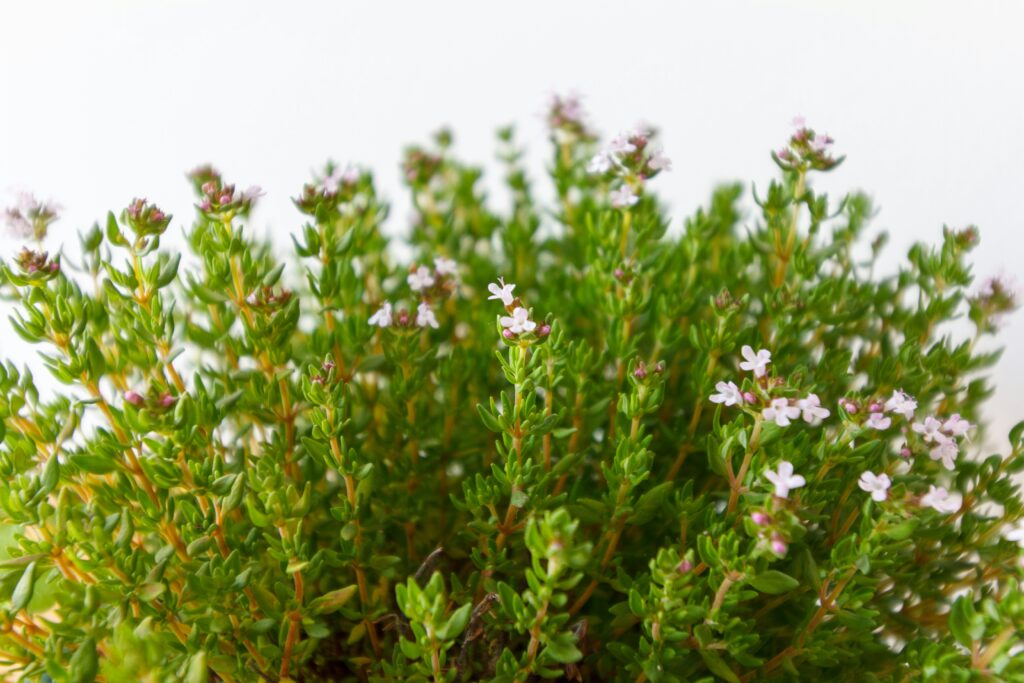
Thyme contains thymol, another natural aromatic compound that insects often avoid. Creeping thyme also makes an attractive ground cover between stepping stones. It is generally pet-friendly in small amounts, although essential oils remain much stronger than fresh leaves.
Thyme grows best with excellent drainage and should not compete with aggressive plants like mint. A gravel mulch around the base helps prevent excess moisture.
How to Build a More Effective Mosquito-Repelling Garden
Instead of relying on a single plant, combine several species in the areas where people spend the most time.
- Place containers of citronella, basil, rosemary, and lemongrass near patios, balconies, or doors.
- Add marigolds around vegetable beds and flower borders.
- Grow mint only in containers to prevent spreading.
- Keep standing water out of the garden because mosquitoes breed there.
- Prune aromatic herbs regularly to encourage fresh growth.
- Water early in the morning so foliage dries before evening.
Affordable tools like self-watering containers, moisture meters, pruning snips, and rolling plant caddies make maintaining these plants much easier.
Many gardeners agree that combining bug repellent plants with practical mosquito control methods gives the best results. Removing standing water, improving airflow, and keeping the garden tidy usually has a greater impact than depending on plants alone.
One exception is that very windy gardens may reduce the effect of aromatic plants because the scent disperses quickly. In those spaces, grouping several containers together often works better than scattering individual plants across the yard.
Also read: 12 Smart Herb Garden Layout Ideas That Make Growing More Herbs Easier
A Simple Trick That Helps
Place aromatic plants where people brush against them naturally, such as beside garden paths or patio chairs. Gently brushing the leaves releases more of their natural oils into the air without harming the plant.
One Mistake to Avoid
Do not assume these plants make your garden mosquito-proof. If you leave buckets, clogged gutters, or birdbaths full of stagnant water nearby, mosquitoes will continue breeding regardless of how many aromatic herbs you plant.
A Few Last Words
The best bug repellent plants combine beauty, fragrance, and practical benefits in one garden. While they cannot replace good mosquito control habits, they can help reduce insect activity around your home when you place them thoughtfully.
Start with a few reliable choices like citronella, basil, rosemary, and marigolds, then expand your collection as your garden grows. Your outdoor space can become both more attractive and more enjoyable throughout the growing season.
Featured image credit: Photo by Sagar Patil on Unsplash