
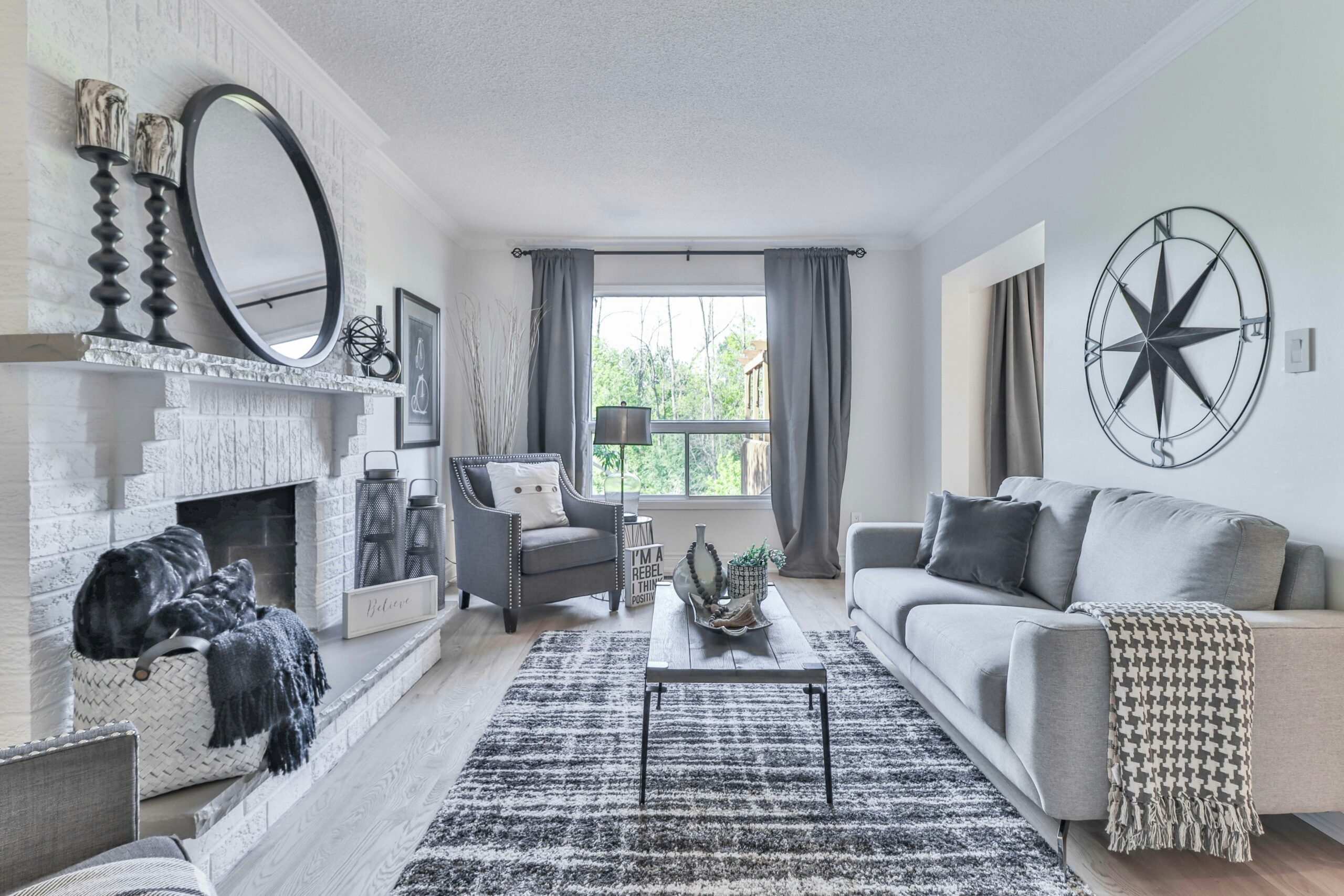
A living room often carries quiet pressure. It is the space people see first, where you sit after a long day, and sometimes where guests form an immediate impression. Many people try to make it look “finished,” but still feel something is missing. The shelves feel empty or too crowded, the sofa looks plain, or everything looks bought but not connected.
When I work through living room decor decisions, I notice this confusion is very common. It is not about lack of taste. It is usually about not knowing which accessories create balance instead of clutter. The goal is not to fill the room. The goal is to let a few well-chosen pieces shape the mood.
Let’s walk through simple living room accessories that can quietly shift a space into something more modern, calm, and visually cohesive.
Start by Understanding What “Modern and Cultured” Actually Feels Like
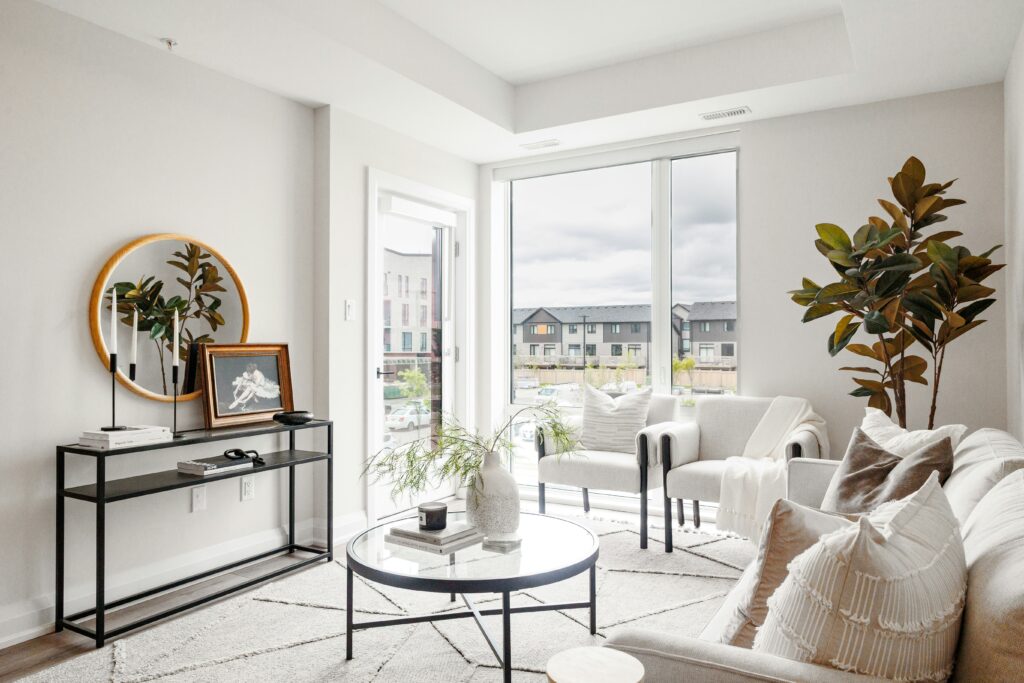
Before adding anything, it helps to define the direction. Modern living rooms usually feel clean, but not empty. Cultured spaces feel intentional, but not over-decorated.
In practical terms, this means:
- Fewer items, but better chosen ones
- Repeated materials (wood, glass, ceramic, metal)
- Soft contrast instead of many competing colors
- Objects that feel meaningful or functional
This is where many living room decor ideas go wrong. People add too many decorative pieces without a unifying tone, which makes the space feel visually noisy. A calmer approach often creates a more expensive-looking result even with affordable items.
Also read: 11 Cozy Minimalist Living Room Ideas for a Calm and Stylish Home
1. Layered Lighting That Softens the Entire Room
Lighting changes a room faster than any other accessory.
Instead of relying only on ceiling lights, consider adding:
- A warm table lamp near seating
- A floor lamp in a corner
- A small accent light on a shelf
Warm lighting makes even simple furniture feel more refined. I often notice that rooms feel “flat” not because of decor, but because of harsh or single-source lighting.
A small shift here creates depth, which is a core part of modern living room aesthetics.
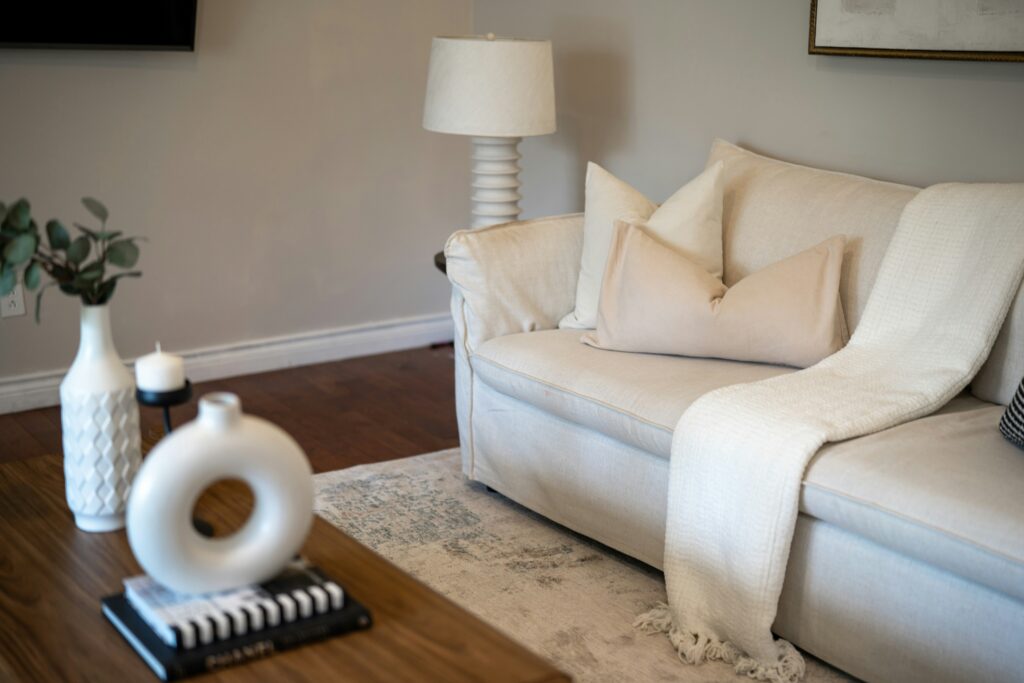
2. Neutral Throw Pillows with Quiet Texture
Throw pillows are often overused, but when chosen carefully, they create structure.
Instead of bold prints, consider:
- Linen covers
- Soft cotton textures
- Muted tones like beige, olive, soft grey
The idea is not to decorate loudly but to add softness. Mixing textures rather than colors gives the sofa a layered look without visual clutter.
This is one of the simplest living room accessories ideas that instantly changes how “finished” a space feels.
3. A Single Statement Art Piece Instead of Many Small Frames
A common mistake is filling walls with too many small frames that do not relate to each other.
A more grounded approach is to choose:
- One large artwork above the sofa
- Or a clean pair of coordinated frames
Abstract art, line drawings, or muted landscapes work well for a modern feel.
This approach creates focus. The eye knows where to rest instead of moving across many small visual points.
4. Ceramic and Stone Objects for a Subtle “Curated” Look
Small decorative objects often define whether a room feels basic or thoughtfully styled.
Simple items like:
- Ceramic vases
- Stone bowls
- Matte-finish sculptures
can quietly elevate shelves or tables.
I usually suggest limiting these objects to small clusters. One vase alone feels empty, but three well-chosen pieces together feel intentional.
These details often define strong living room interior styling without requiring large investments.
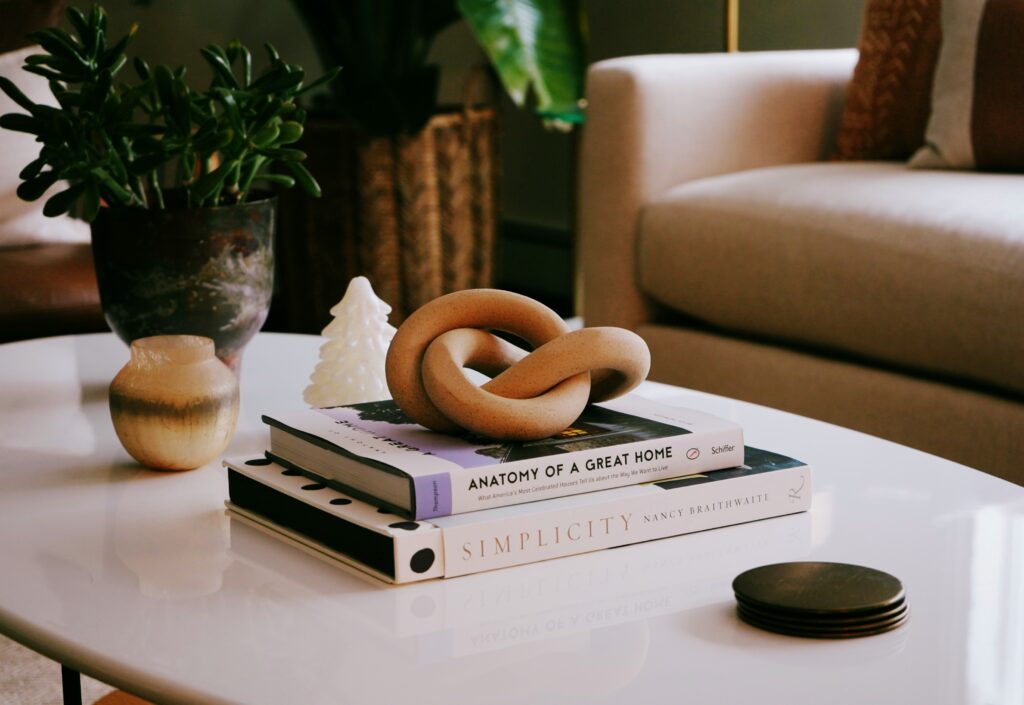
5. A Carefully Styled Coffee Table
The coffee table often becomes a catch-all surface, which weakens the entire room visually.
A simple structure works better:
- One tray to anchor items
- A book or magazine stack
- One natural element like a plant or flower
This balance keeps the table functional while still styled.
Even in busy households, keeping the coffee table lightly organized changes how the entire room feels.
6. Indoor Plants for Controlled Softness
Plants add life, but they work best when placed with restraint.
Instead of filling every corner, choose:
- One medium plant in a corner
- Or two small plants on shelves
Snake plants, pothos, or rubber plants are commonly used because they are low maintenance and visually steady.
A single plant placed thoughtfully often looks more elegant than many scattered ones.
7. Rugs That Define Space Without Overpowering It
A rug is not just decoration. It defines how the seating area is structured.
For a modern look:
- Choose solid or lightly textured rugs
- Avoid heavy patterns in small rooms
- Ensure the rug is large enough to anchor furniture
A well-sized rug makes even simple furniture feel intentional and complete.
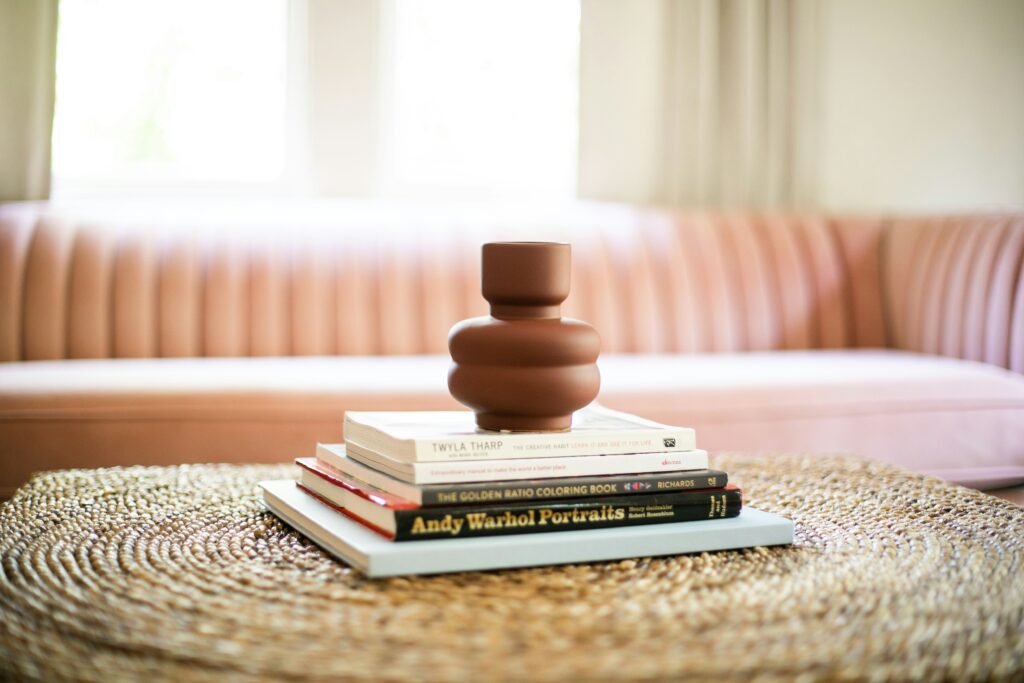
8. Books as Quiet Decorative Elements
Books add personality when used intentionally.
Instead of stacking them randomly, try:
- Horizontal stacks on coffee tables
- Vertical rows with space between colors
- A small curated selection on shelves
Books create a sense of lived-in culture without feeling staged.
This is one of the most overlooked parts of living room decor, yet it often brings the most natural depth.
9. Mirrors That Expand Light and Space
Mirrors do more than reflect. They shape how open a room feels.
Place mirrors where they can:
- Reflect natural light
- Open up a narrow wall
- Balance darker corners
A simple framed mirror often replaces the need for additional decor on a wall, which helps maintain visual calm.
10. Storage That Looks Like Decor
Clutter often ruins even well-designed rooms. But storage does not have to look purely functional.
Consider:
- Woven baskets
- Wooden storage boxes
- Minimal cabinets with clean lines
These items keep the room usable while still fitting the aesthetic. When storage blends into decor, the room stays visually steady without constant effort.
A Simple Way to Put Everything Together
If I had to simplify the process, I would suggest this order:
- Set lighting first
- Add rugs and large anchors
- Place furniture focus points
- Add textiles like pillows
- Layer decor objects slowly
- Finish with plants and personal items
This order matters more than the individual items. It prevents over-decorating, which is the most common issue I see when people try to improve their space.
A Small Adjustment That Makes a Big Difference
One useful habit is to decorate in “stages,” not in one attempt. Add a few items, then pause for a day or two. This helps you see what the room actually needs instead of filling empty space too quickly.
Most overly decorated rooms are not the result of bad taste, but of adding everything at once.
A Gentle Caution
It is easy to treat accessories as the main solution, but they only work when the base of the room is calm. If furniture placement is chaotic or storage is missing, accessories alone will not fix the feeling of imbalance. Start simple, then build slowly. Otherwise, even beautiful items lose their effect.
A Small Limitation to Keep in Mind
Not every living room will respond the same way to styling. Lighting, room size, and existing furniture all influence how accessories look. This means results vary, even when the same items are used. Small adjustments over time often work better than trying to achieve a final look immediately.
Thoughtful living room decor is less about collecting beautiful objects and more about choosing a few pieces that work together quietly. When you focus on lighting, texture, balance, and simplicity, the room begins to feel more modern and cultured without effort. You do not need to overload the space. You only need to guide it gently into clarity, one layer at a time.
Also read: 10 Modern Living Room Decor Ideas to Elevate Your Space
Featured image credit: Photo by Lotus Design N Print on Unsplash
Leave a Reply