
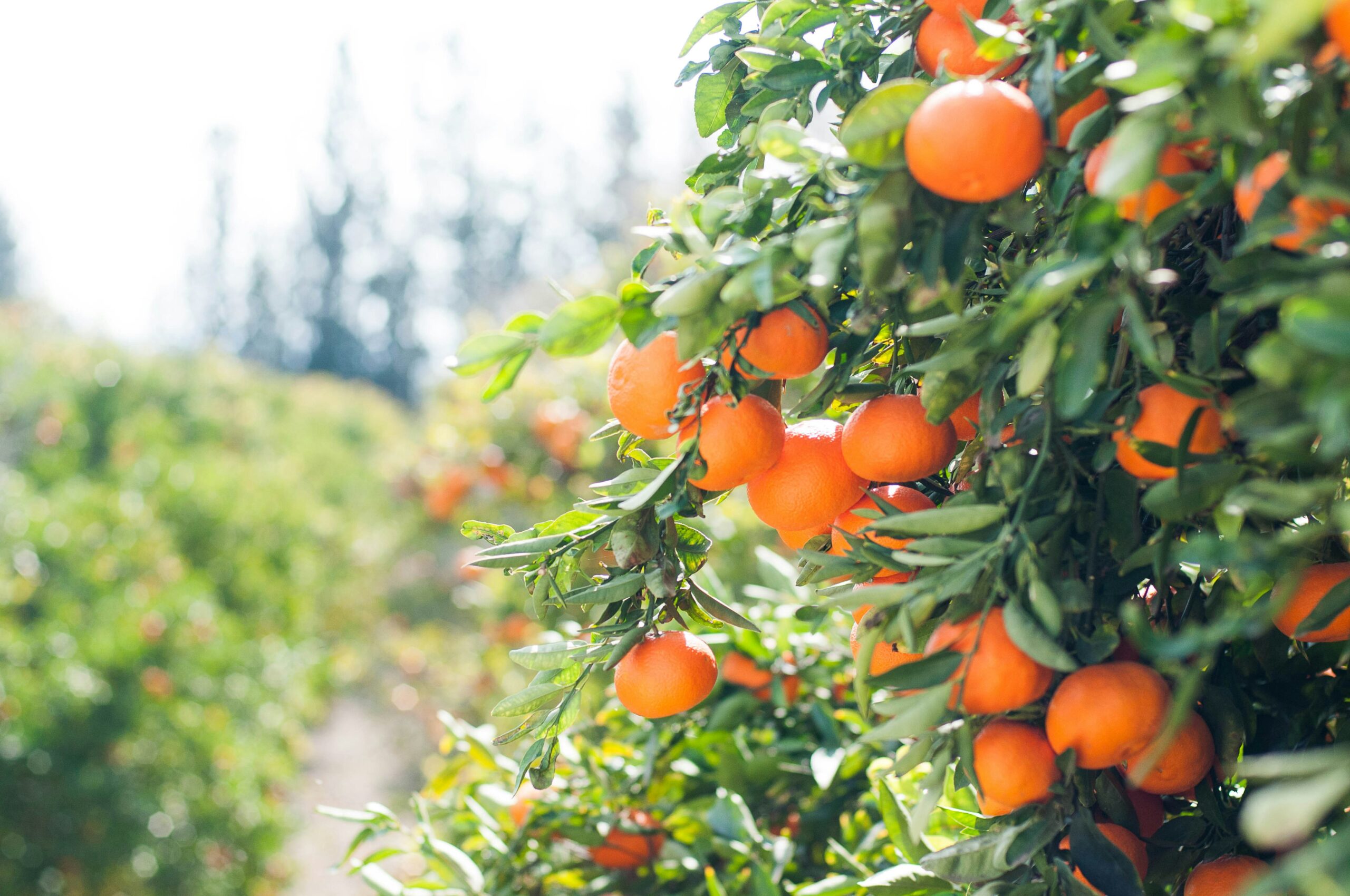
If you’ve ever stood in a grocery store staring at sad, flavorless fruit and thought “I could grow better than this at home,” you’re not alone. Millions of Americans feel exactly that way. The only thing holding most people back is the fear that growing fruit takes forever. Here’s the good news: it doesn’t have to. Whether you have a backyard, a balcony, or just a sunny window ledge, there are plenty of fastest growing fruit trees and plants that will reward your patience quickly. And by quickly, I mean months, not decades.
This guide walks you through eight of the best fruits to grow in your garden or in pots, starting from the absolute fastest and moving to ones that still qualify as impressively quick. For each one, I’ll tell you everything a beginner actually needs to know, because when I first started growing fruit at home, I wished someone had just told me the real stuff plainly.
Also read: Gardening for Beginners: 10 Best Vegetables to Grow (That Actually Survive!)
1. Fig Tree — Harvest in 1 to 2 Years
Fig trees are, in my experience, one of the most underrated fastest growing fruit trees you can plant. Most people think figs are exotic and difficult. They are neither. A young fig tree bought from a nursery can produce fruit within its very first or second year. That’s remarkable for a tree.
Plant your fig tree in spring, after the last frost has passed. For container gardeners — and this is one of the best fruits to grow in pots — start with a 10 to 15 gallon pot with good drainage holes. The popular Gardening Know How blog has a helpful piece on growing figs in containers worth bookmarking. Go for varieties like Brown Turkey, Chicago Hardy, or the dwarf Little Miss Figgy if you’re tight on space. Skip growing from seed entirely; buy a young tree or take a cutting from a friend’s healthy tree.
Figs love full sun, ideally six to eight hours a day. Use well-draining, slightly acidic to neutral potting soil with some perlite mixed in for aeration. Water when the top two inches of soil feel dry. They’re fairly drought-tolerant once established, but container figs dry out faster, so check every few days in summer. Feed with a balanced slow-release fertilizer like 10-10-10 in spring and fall. Prune in late winter while the tree is dormant, cutting back about one-third of last year’s growth. This keeps it compact and productive.
A quick pest tip: watch for root-knot nematodes if you’re in the South, and use netting to protect ripening fruit from birds and squirrels. One useful hack: a slight droop or bend in the fig’s neck is your signal that it’s ready to pick. Harvest in late summer through early fall. Figs are loaded with fiber, calcium, and antioxidants, and a single fresh fig is only around 50 calories. If you’re in USDA zones 7 through 10, plant in the ground. Below zone 7, keep it in a pot and roll it into a garage before winter hits.
2. Mulberry Tree — Harvest in 1 to 2 Years
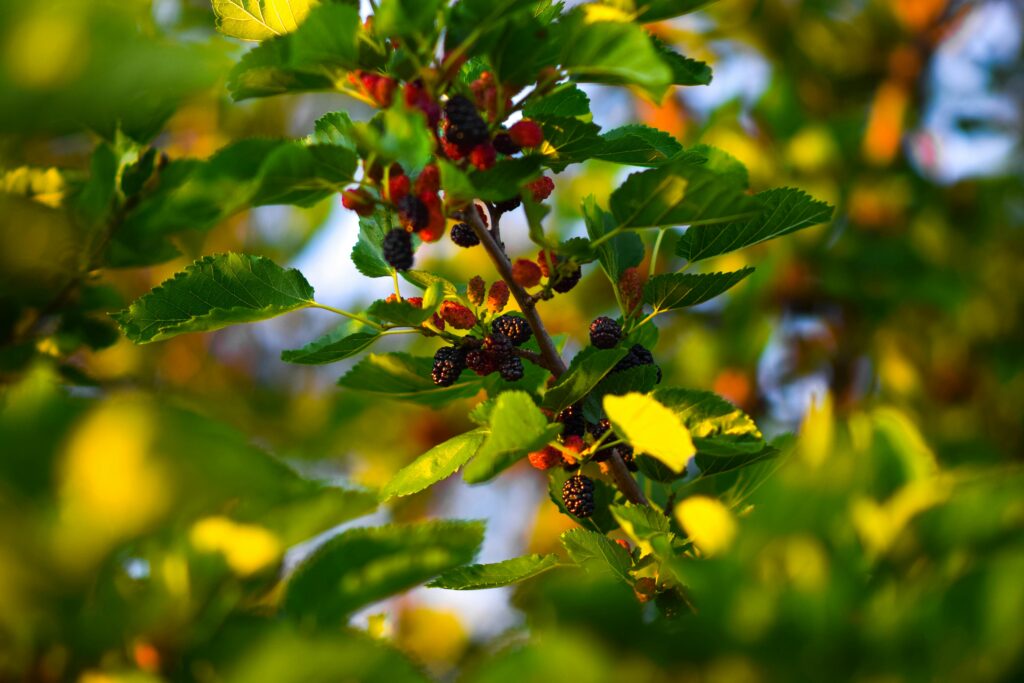
If you want fast and low-effort, mulberry belongs near the top of your list. Among the fastest growing plants in the fruit category, mulberries can grow several feet in a single season. Some gardeners in warmer zones report fruit in the very first year from a young nursery tree.
Plant mulberries in spring in full sun. They tolerate a wide range of soils but prefer well-draining, loamy ground. They’re genuinely one of the easiest fruits to grow in your garden because they ask for very little. Water consistently during the first year while the tree establishes itself, then back off; mature mulberries are drought tolerant. You don’t need to fertilize heavily. A light application of compost around the base each spring is enough.
The Illinois Everbearing and Pakistan Mulberry are popular US varieties. They’re self-fertile, so one tree is all you need. Harvest runs from late spring to midsummer depending on your zone (USDA 5 through 9 works well). The berries stain everything they touch, so harvest over a tarp or old sheet. Pest-wise, birds love mulberries too, so consider netting in the final weeks before ripening. Mulberries are rich in vitamin C, iron, and resveratrol. One friendly hack: mulberries don’t ship well commercially, which is exactly why homegrown ones are so much better than anything you’d find in a store.
3. Peach Tree — Harvest in 2 to 4 Years
Peaches feel luxurious. Growing your own means you get them warm, fragrant, and genuinely ripe — something a grocery store peach almost never is. Peach trees are among the fastest growing fruit trees available to US home growers, with some dwarf varieties producing fruit in as little as two years.
Plant in spring in full sun with well-draining soil. Peaches hate wet feet, so avoid low spots in your yard. They grow well in USDA zones 5 through 9. In terms of varieties, ‘Early Elberta’ and ‘Bonanza’ (a true dwarf great for containers) are reliable fast producers. Buy a one to two year old tree from a nursery rather than starting from a pit, which can take years and may not produce true-to-type fruit.
Peaches need regular watering, especially in their first two years. A consistent deep soak once a week works better than frequent shallow watering. Use a balanced fertilizer in early spring. One critical care tip: peach trees absolutely need thinning. When small fruits form, remove some so the remaining ones grow large and sweet. Without thinning, you’ll get dozens of tiny, disappointing peaches.
Prune each year to maintain an open center shape, which improves airflow and reduces fungal disease. Watch for peach leaf curl, a common fungal issue; a copper-based spray in late winter prevents most problems. Peaches are loaded with vitamins A and C, potassium, and antioxidants. Harvest in midsummer when the fruit gives slightly to pressure and comes off the branch with a gentle twist.
4. Banana — Harvest in 9 to 15 Months
Banana is technically not a tree but a giant herbaceous plant, and it is one of the fastest growing plants you can add to a US garden if you’re in the right climate. In warm zones (USDA 8 through 11), a banana plant can produce its first bunch in under 15 months. In cooler areas, it makes a dramatic container plant that you bring indoors for winter.
Plant banana rhizomes or pups (the small offshoots from a parent plant) in spring. They need rich, well-draining soil with plenty of organic matter. Compost is a banana’s best friend; work in generous amounts before planting and top-dress with it every couple of months. Bananas are heavy feeders, so a high-nitrogen fertilizer every four to six weeks during the growing season keeps them thriving. They need consistent moisture but cannot tolerate waterlogged soil.
Full sun is non-negotiable. At least six hours, ideally more. They’re also fast-growing plants that add serious tropical drama to any space. Dwarf Cavendish is the most popular container variety in the US and stays manageable at around five feet. Harvest when the fingers plump up and the skin turns slightly yellow. Bananas are an excellent source of potassium, magnesium, and vitamin B6. A key hack: after a banana plant fruits, cut the main stalk down to the ground. The pups that grow up around it will produce the next harvest, so you get a continuous cycle if you manage them well. One common problem is wind damage to the large leaves; a sheltered spot helps considerably.
5. Dwarf Citrus (Lemon, Lime, Mandarin) — Harvest in 1 to 3 Years from Nursery Tree
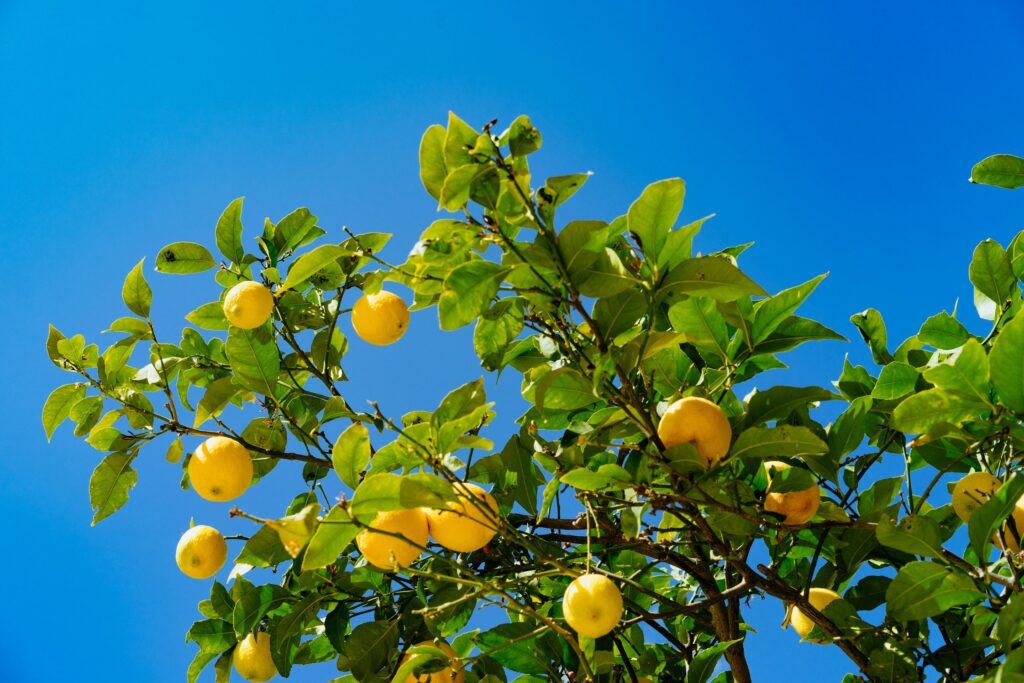
If you’re specifically looking for fruits to grow in pots, dwarf citrus might be the single best option available. Meyer lemon, Improved Meyer lemon, Kieffer lime, and Clementine mandarin are all compact, productive, and genuinely beautiful as container plants. Buy a two to three year old grafted tree from a nursery, and you could have fruit in your first season.
Citrus thrives in USDA zones 9 through 11 outdoors, but container growing opens them up to nearly every American home. Use a well-draining potting mix formulated for citrus or cactus. Plant in a pot with excellent drainage, at least 12 inches wide to start. Move it to a sunny south-facing window or outdoors on a patio during warm months. Citrus needs at least eight hours of direct sunlight. Fertilize with a citrus-specific fertilizer every six to eight weeks during the growing season. Water thoroughly, then let the top inch of soil dry before watering again.
A common mistake beginners make is overwatering citrus, which leads to yellowing leaves and root rot. If your leaves are pale yellow, the fix is usually either fertilizer (especially nitrogen or iron) or better drainage, not more water. Watch for spider mites and scale insects; a neem oil spray handles both effectively. Harvest timing depends on the variety, but most home citrus is ready from late fall through spring. Citrus fruits are among the most vitamin C-rich foods available and support immune health, skin, and iron absorption. The hack worth knowing: citrus fruit stays fresh on the tree for weeks after ripening, so you can harvest gradually rather than all at once.
6. Apricot Tree — Harvest in 2 to 4 Years
Apricots are often overlooked, but they are genuinely fast producers and some of the best fruits to grow in your garden if you want something both ornamental and edible. The trees bloom beautifully in early spring with pink or white flowers, and the fruit follows in early summer, usually between late June and August depending on your region.
Apricot trees grow well in USDA zones 4 through 9 and prefer full sun with well-draining soil rich in organic matter. Work compost into the planting hole before you put the tree in. Buy a one or two year old grafted nursery tree. Popular varieties for US home gardens include ‘Goldcot’ for cooler northern climates and ‘Moorpark’ for warmer zones. Water consistently but not excessively, especially in the first two years. Once established, apricots are fairly drought tolerant. Use a balanced fertilizer in early spring before new growth appears.
Apricots are somewhat vulnerable to late frost because they bloom early. If you’re in a zone with unpredictable late frosts, plant on a south-facing slope or close to a building that retains heat. Brown rot is the most common disease issue; thinning the canopy with annual pruning and avoiding overhead watering reduces the risk significantly. Harvest when fruit feels slightly soft and comes off the branch easily without force.
Apricots are among the fastest growing fruit trees in their class, sometimes growing two feet or more in a single season. They’re rich in beta-carotene, vitamin A, and fiber. A useful hack: dried homegrown apricots taste completely different from commercial ones. If you get a big harvest, slice and dry them in your oven at low heat for a healthy snack that lasts months.
7. Blueberry Bush — Harvest in 2 to 3 Years
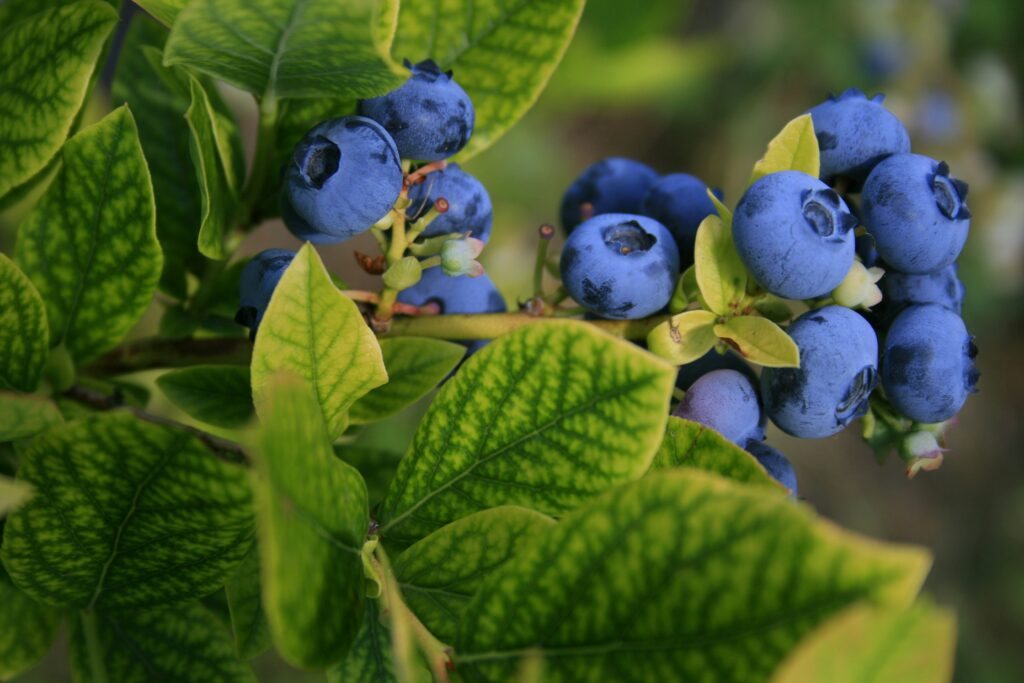
Blueberries technically aren’t trees, but they absolutely belong on any list of the fastest growing fruit trees and shrubs a US home gardener should consider. They’re also among the most beginner-friendly fruits to grow in pots or in the ground. A two year old nursery plant will start producing a real harvest by year three, and the bush will keep producing for decades.
The biggest thing to know about blueberries: they need acidic soil. We’re talking a pH of 4.5 to 5.5. Most regular garden soil is too alkaline. The easy fix for container growers is to use a dedicated azalea or blueberry potting mix. For in-ground planting, mix in sulfur or acidic peat moss to lower your soil pH before planting. Blueberries also prefer full sun, at least six hours a day, and consistent moisture. A drip irrigation setup or a regular deep watering schedule works well.
Plant at least two different varieties for better pollination and bigger yields. Rabbiteye and Highbush varieties are the most popular in the US. Highbush works across most of the country in USDA zones 4 through 7, while Rabbiteye thrives in the South. Fertilize with an acid-specific fertilizer in early spring. Avoid regular garden fertilizers, which can actually harm blueberries. Mulch heavily around the base with pine bark or pine needles to retain moisture and maintain acidity. Watch for spotted wing drosophila, a small fruit fly; cover ripening berries with fine mesh netting to protect them.
The harvest runs from late June through August. Blueberries are one of the most antioxidant-rich foods on earth, packed with vitamins C and K, fiber, and manganese. They’re linked to improved brain health, heart function, and blood sugar regulation. The hack that every blueberry grower learns eventually: let the berries stay on the bush a few extra days after they turn blue. Truly ripe blueberries are sweeter and fall off with almost no pressure. Rushing the harvest is one of the most common beginner mistakes.
8. Dwarf Apple Tree (dwarf variety) — Harvest in 2 to 4 Years
Apple trees have a reputation for being slow, and standard-sized trees absolutely can be. But dwarf and semi-dwarf apple varieties are genuinely among the fastest growing fruit trees worth planting for a home gardener. With the right variety and care, a dwarf apple can fruit by year two or three.
Look for grafted dwarf varieties like ‘Honeycrisp,’ ‘Fuji,’ or ‘Anna’ from a nursery. ‘Anna’ is particularly well-suited to warmer Southern climates since it needs fewer chill hours. ‘Dorsett Golden’ is another fast-producing option that works well in mild winters. Plant in early spring in full sun with well-draining, fertile soil. Dwarf apples also work as fruits to grow in pots; use a minimum 15 to 20 gallon container and repot every few years as the tree grows.
Apples generally need two different varieties for cross-pollination and the best yields, though some self-fertile types exist. Water deeply and consistently, especially in the first year. Apply a balanced fertilizer in early spring. Thin the fruit aggressively in early summer, leaving one apple every six inches along each branch. This feels wasteful but produces much bigger, better fruit. Prune each year during dormancy to maintain an open shape with good airflow.
The most common pest issue is apple scab, a fungal disease; choose disease-resistant varieties where possible and apply copper fungicide in early spring if needed. Codling moths are another concern; pheromone traps help monitor and reduce populations. Harvest runs from late summer through fall depending on the variety. Apples are rich in quercetin, fiber, and vitamin C. The old saying about an apple a day has actual merit, as regular apple consumption is linked to improved gut health and reduced risk of type 2 diabetes.
A quick hack: scratch the skin of an apple with your thumbnail. If the flesh underneath is juicy and the color is right for your variety, it’s ready. Don’t rely on color alone since some varieties stay green when fully ripe.
Also read: 8 Gardening Hacks That Save Busy People Real Time and Money
A Few Final Tips for Every Fruit on This List
No matter which of these fastest growing fruit trees or plants you start with, a few principles apply across the board. First, always start with a nursery plant rather than seeds if you want fruit fast. Second, compost is your best investment. Work it into your soil before planting and top-dress with it every spring. Third, drainage matters more than most beginners realize. Waterlogged roots kill fruit plants faster than almost anything else. Fourth, be patient with yourself. Even the fastest growing plants have off years, and that’s completely normal.
You don’t need a lot of space. You don’t need to be an expert. You just need a good start, the right information, and a willingness to pay a little attention to what your plants are telling you. Start with one or two of these, get comfortable, and keep adding. A few years from now, you’ll be the person your neighbors ask for fruit recommendations.
Happy growing.
Leave a Reply