
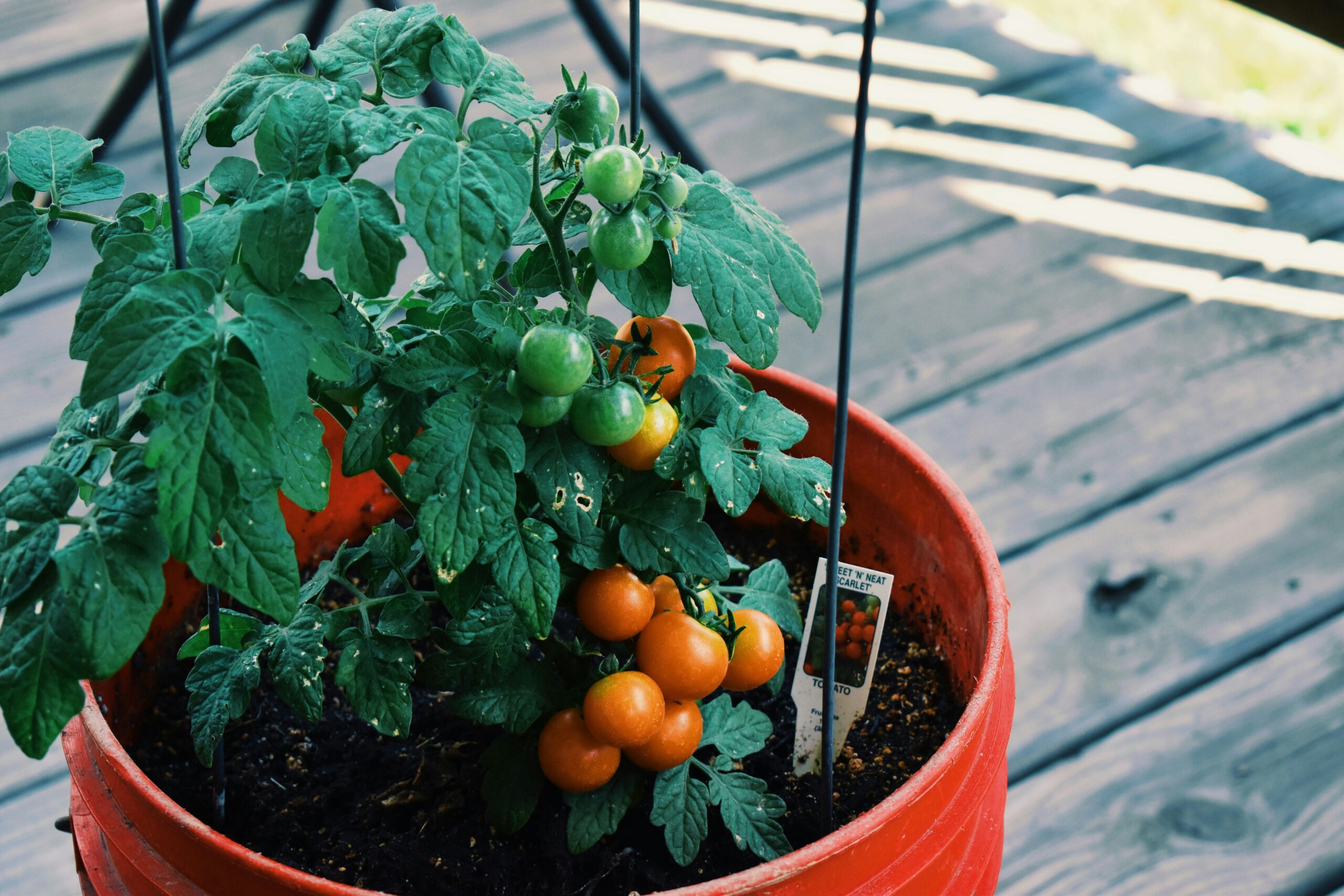
If you’ve been dreaming about growing your own food but feel stuck because you live in an apartment, a small house, or just don’t have a proper yard, here is some good news. A simple 5 gallon bucket is genuinely all the space you need to grow fresh, healthy produce right on your balcony, porch, or even a sunny windowsill. I started my first 5 gallon bucket garden on a tiny apartment balcony, and I won’t lie, it was one of the most rewarding things I have ever done. So if you are feeling overwhelmed or unsure where to begin, take a breath, and let’s talk about 20 foods to grow in 5 gallon buckets!
First, Let’s Set Up Your Bucket the Right Way
The Bucket: Before you plant a single seed, you need to prep your bucket. This part is quick and important, so don’t skip it. First, grab a drill and make 4 to 6 drainage holes in the bottom of each bucket. Without these, your plants will sit in waterlogged soil and rot. If you are buying new buckets, look for food-grade ones, which are usually marked with the numbers 1, 2, 4, or 5 on the bottom. Avoid buckets that stored chemicals or paint.
The Soil: Next, fill your bucket with a high-quality potting mix, not regular garden soil. Garden soil is too heavy and compacts quickly in containers. A good potting mix keeps things light, drains well, and holds enough moisture for roots to thrive. Here is a solid gardening hack: mix one part compost into every three parts potting mix before filling your bucket. This gives your plants a slow, steady source of nutrients and cuts back on how often you need to fertilize. For a 5 gallon bucket, you will need roughly half a bag of standard 2-cubic-foot potting mix. One bag typically fills about three buckets, so plan accordingly.
Watering: For watering, most container vegetables need about 1 to 2 gallons of water per bucket every 1 to 2 days, depending on the heat and the plant. A simple 5 gallon bucket garden watering system you can set up at home is to take an old plastic bottle, poke small holes in the cap, fill it with water, and push it upside down into the soil. This drip-feeds your plant slowly while you are busy. Another option is self-watering inserts that sit inside the bucket and wick moisture up from a reservoir. Both work really well for busy gardeners.
Bucket Color: Finally, color matters more than you think. Light-colored buckets reflect heat, while dark ones absorb it. In hot climates, go lighter. In cooler regions, darker buckets can actually extend your growing season by warming the soil a little faster in spring.
Also read: From Balcony to Bowl: 10 Vegetables to Grow in Containers (Even If You Have Zero Garden Space)
The 20 Foods to Grow in 5 Gallon Buckets
1. Cherry Tomatoes
Cherry tomatoes are probably the most popular 5 gallon bucket garden vegetable for a reason. They are forgiving, fast, and incredibly productive. Start seeds indoors 6 to 8 weeks before your last frost date, or simply buy a small sapling from a nursery. One plant per bucket is the rule. Place the bucket where it gets at least 6 to 8 hours of direct sunlight daily because tomatoes are sun-lovers. Water deeply every 1 to 2 days, letting the top inch of soil dry out slightly between waterings.
The plant will grow 2 to 4 feet tall, so stick a simple bamboo stake in the bucket when it reaches about 12 inches. Expect your first harvest in roughly 60 days after transplanting, and then enjoy continuous picking for weeks. Watch out for aphids, which love clustering on new growth. A strong spray of water or a little diluted neem oil handles them quickly. One healthy cherry tomato plant in a 5 gallon bucket can yield anywhere from 3 to 10 pounds of fruit over the season.
2. Bell Peppers
Bell peppers are brilliant for 5 gallon bucket gardening because they stay fairly compact, usually reaching 2 to 3 feet tall. Start seeds indoors 8 to 10 weeks before the last frost, or buy a seedling when temperatures consistently stay above 60°F. They need full sun, ideally 6 to 8 hours a day. Water regularly but do not overwater. Keeping the soil evenly moist is key. Green peppers are ready in about 70 days; if you wait a little longer, they turn red, yellow, or orange and become sweeter. One plant per bucket typically gives you 6 to 10 peppers per season.
Compact varieties like Redskin or Mini Belle are perfect for containers. Spider mites can be a problem in dry, hot weather, so mist the leaves occasionally and use neem oil if you spot any fine webbing on the undersides.
3. Cucumbers
Cucumbers are fast-growing and incredibly rewarding to harvest fresh. Choose bush varieties rather than vining ones for your 5 gallon bucket planter idea. Bush Pickle or Spacemaster are great options. Start seeds directly in the bucket after the last frost, or transplant seedlings when soil is warm. Cucumbers need 6 to 8 hours of sun and consistent watering, about 1 gallon every day in warm weather.
Even though bush types are more compact, adding a small trellis or a few stakes for support helps them grow better. Plants typically reach about 2 feet tall and wide. You can expect your first cucumber in about 50 to 60 days and get a continuous harvest of 10 or more fruits per plant if you pick regularly. The more you pick, the more they produce.
Keep an eye out for cucumber beetles, small yellow-green insects that chew on leaves. Row cover fabric placed over young plants early in the season is one of the best gardening hacks for keeping them away.
4. Spinach
Spinach is one of the easiest vegetables to grow and one of the fastest to harvest, making it ideal for gardening for beginners. It actually prefers cooler weather, so start seeds directly in your bucket in early spring or fall, about 4 to 6 weeks before the last frost. Spinach tolerates partial shade better than most vegetables, needing just 3 to 4 hours of sunlight, which is great if your space is a bit dim. Plant 6 to 8 seeds per bucket, thin them to about 3 inches apart once they sprout, and water every other day.
You can begin harvesting outer leaves in as little as 30 to 40 days. Since it bolts quickly in summer heat, grow it as a cool-season crop and replace it with something heat-loving when summer hits. Aphids occasionally show up on spinach. Rinse them off with water and check regularly. One bucket can give you multiple handfuls of fresh baby spinach per week.
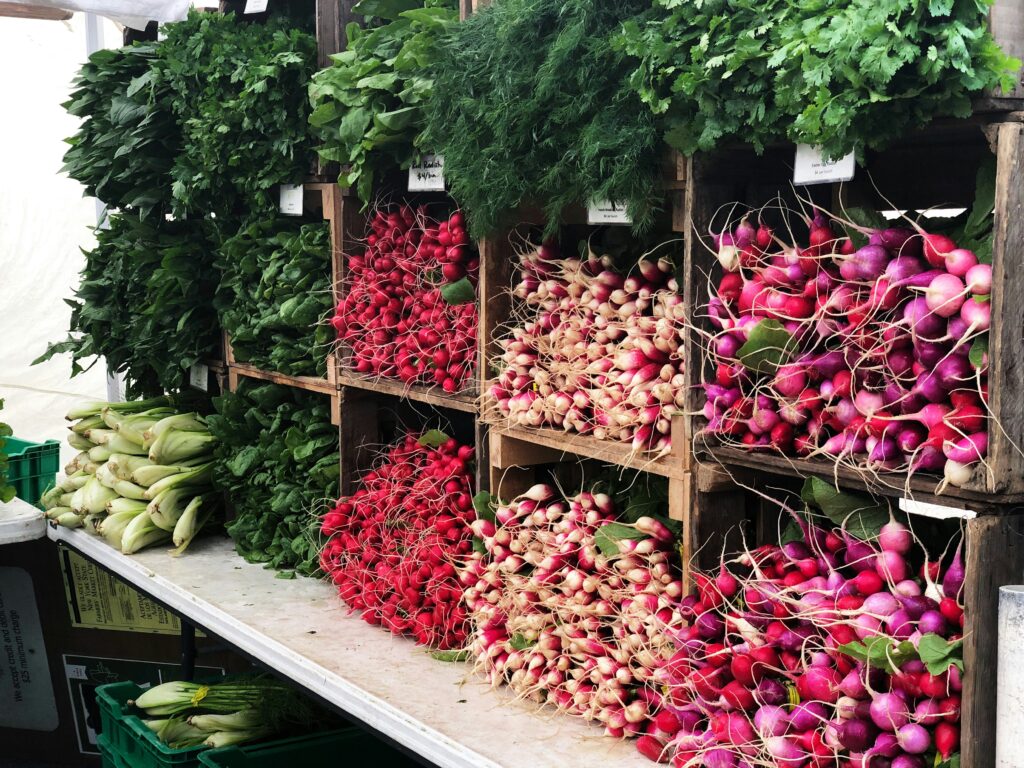
5. Radishes
If you want a win fast, grow radishes. They are genuinely the speediest vegetable you can grow in a 5 gallon bucket garden, ready in as little as 25 days. Sow seeds directly in the bucket in early spring or fall, scattering about 15 seeds per bucket and thinning them to 2 inches apart. They like 4 to 6 hours of sun and regular watering, about every other day. There is not much that bothers radishes pest-wise, which is another reason they are wonderful for beginners. Harvest them before they get too large, or they become pithy and bitter. Succession planting every two weeks gives you a constant supply through the season.
6. Lettuce
Lettuce is one of the best examples of smart container gardening because you can grow multiple plants in a single bucket and harvest the outer leaves over and over. Sow seeds directly in spring or fall, just pressing them lightly into moist soil. Lettuce needs only 4 to 6 hours of sun, so it works beautifully in partially shaded spots. Water every 1 to 2 days to keep the soil consistently moist.
You can start cutting outer leaves in about 30 days and keep the plant going for weeks. In hot weather, lettuce bolts and turns bitter, so it is best treated as a cool-season crop. You can fit about 6 to 8 lettuce plants comfortably per bucket. Slugs can be a problem in damp conditions. A small ring of crushed eggshells around the base of your plants discourages them naturally.
Also read: The Beginner’s Companion Planting Guide for Raised Beds (That Actually Works)
7. Kale
Kale is a powerhouse vegetable and genuinely tough. It handles cold, light frost, and inconsistent watering far better than most vegetables. Start seeds indoors 4 to 6 weeks before the last frost or direct sow in fall. Plant one or two plants per 5 gallon bucket. Kale needs 4 to 6 hours of sunlight. Water every 1 to 2 days and feed with a diluted liquid fertilizer every few weeks since kale is a hungry plant. Leaves are harvestable in about 55 to 75 days, and like lettuce, you pick outer leaves and the plant keeps producing.
Cabbage worms and aphids are the main pests. Check under leaves regularly and handpick caterpillars. Neem oil spray works for aphids. One bucket can produce a steady supply of nutritious greens all season.
8. Green Beans (Bush Variety)
Bush beans are low-maintenance, produce abundantly, and do not need staking like pole beans. Plant seeds directly in the bucket after your last frost, placing about 4 seeds per bucket and thinning to 2 to 3 plants. They need full sun and moderate watering, roughly every other day. Plants stay compact at about 18 to 24 inches tall and start producing beans in around 50 to 55 days.
Harvest when pods are firm and snap cleanly. Regular picking keeps the plant producing. Expect several pounds of beans per bucket over the season. Mexican bean beetles can occasionally appear. Hand-picking the beetles and their yellow egg clusters from leaf undersides is the most effective control.
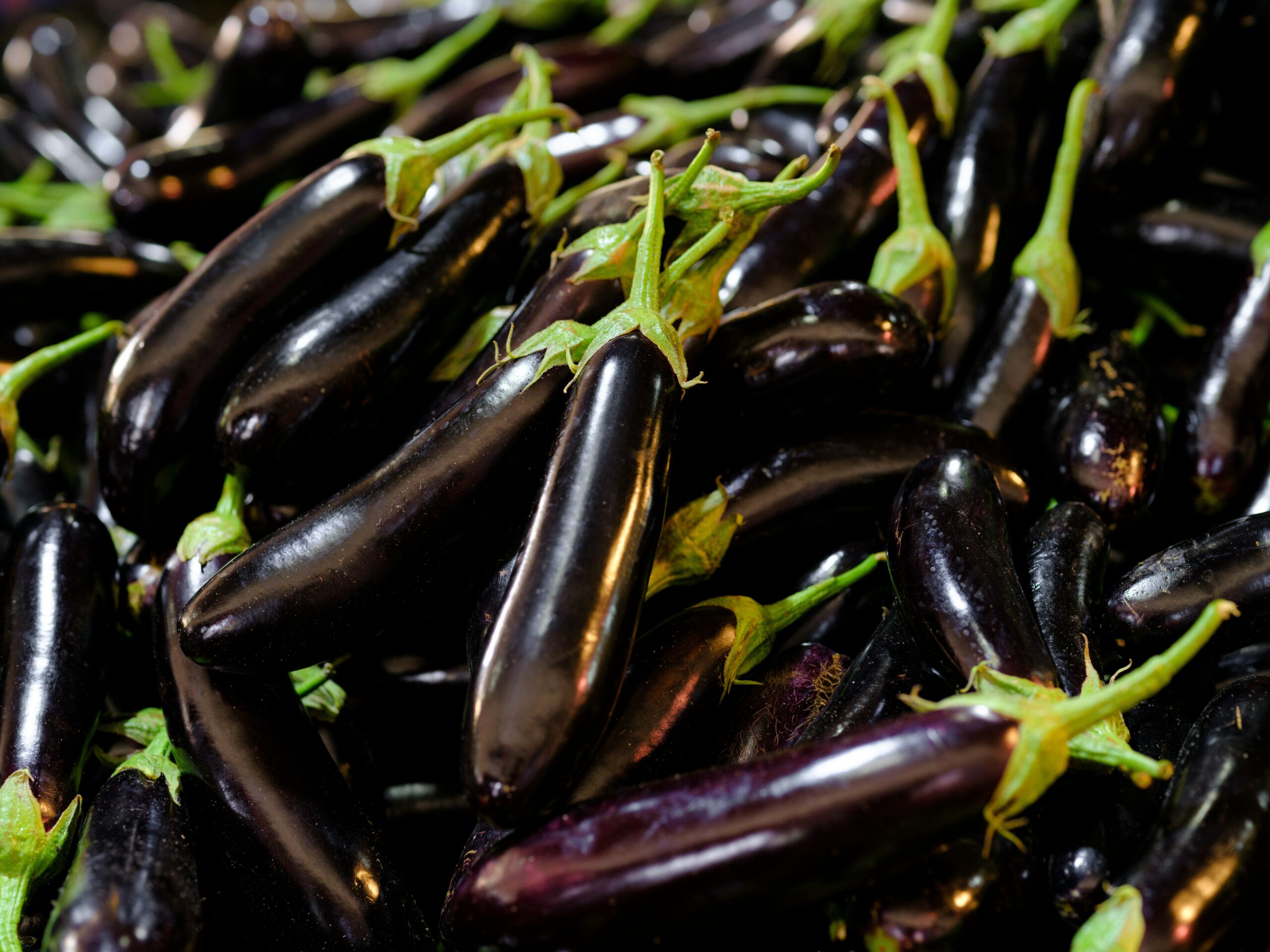
9. Eggplant
Eggplant thrives in heat and fits beautifully into a 5 gallon bucket. Start seeds indoors 8 to 10 weeks before the last frost, or buy a seedling. One plant per bucket. It needs 6 to 8 hours of full sun and warm temperatures, so do not rush transplanting outdoors until nights are consistently above 50°F. Water every 1 to 2 days. Plants grow 2 to 4 feet tall and benefit from staking. Expect the first fruits in about 70 to 80 days. One plant typically yields 4 to 6 eggplants per season.
Flea beetles are the most common pest, leaving tiny holes in the leaves. Floating row cover early in the season is a smart preventative measure, and neem oil helps once beetles appear.
10. Carrots
Carrots are very doable in a 5 gallon bucket as long as you choose shorter varieties. Danvers Half Long, Short ‘n Sweet, or Chantenay all work beautifully. Sow seeds directly in the bucket in early spring or fall, scattering them thinly and covering lightly with soil. Thin them to about 2 to 3 inches apart once they sprout.
They need 4 to 6 hours of sun and consistent moisture since erratic watering causes carrots to crack. Avoid overwatering, aim for moist but not soggy soil. Harvest in about 70 to 80 days. You can fit roughly 8 to 10 carrots per bucket. Carrot rust flies can be a problem. Covering the bucket with fine mesh netting right after sowing helps keep them off.
11. Strawberries
Strawberries are one of the most delightful fruits you can grow in a 5 gallon bucket planter. Day-neutral varieties like Albion or Seascape produce fruit all season long, unlike June-bearing types that produce only once. Buy bare-root plants or small seedlings in early spring. Plant 3 to 4 plants per bucket. They need 6 to 8 hours of sun and regular watering, about 1 to 1.5 gallons every 1 to 2 days. Keep the soil consistently moist but never waterlogged.
Each plant can produce a pint or more of berries per season. Slugs and birds are the biggest threats. A layer of straw mulch on the soil surface discourages slugs, and a light netting over the bucket keeps birds away from your berries.
12. Blueberries
Blueberries are one of the most rewarding long-term investments in 5 gallon bucket gardening. They actually thrive in containers because they require acidic soil, and you have full control over soil pH in a bucket. Aim for a pH around 4.5 to 5.5 by using an ericaceous potting mix. Buy a 2-year-old plant from a nursery for faster fruiting. One plant per bucket.
They need full sun, 6 to 8 hours daily. Water every 1 to 2 days, keeping soil consistently moist. The plant grows to about 2 to 4 feet tall. You may get a small harvest the first year, but yields increase significantly by year 2 and 3. Birds adore blueberries, so netting is essential once berries start to form. A healthy bucket-grown blueberry plant can produce 1 to 2 pounds of fruit per season.
13. Dwarf Lemon Tree
A dwarf lemon tree in a 5 gallon bucket is one of the most beautiful and practical 5 gallon bucket planter ideas you can try. Meyer Lemon is the most popular variety for containers because it stays compact, usually 2 to 4 feet when managed, and produces sweet, thin-skinned lemons. Buy a grafted sapling from a nursery for best results. It needs 6 to 8 hours of full sun, ideally next to a south-facing wall.
Water deeply but infrequently, allowing the top 2 inches of soil to dry out between waterings. Fertilize with a citrus-specific fertilizer every 6 to 8 weeks during the growing season. Indoors in winter, place it near your brightest window. Scale insects and spider mites are common; neem oil handles both. Expect your first lemons in the second or third year, and once established, a healthy tree can produce 20 to 30 lemons per season.
14. Figs
Figs are surprisingly container-friendly, and here’s something interesting: they actually fruit better when their roots are slightly restricted, which makes a 5 gallon bucket almost ideal. Buy a small Brown Turkey or Celeste variety sapling. One plant per bucket. Place in full sun, 6 to 8 hours minimum. Water when the top inch of soil is dry. Figs are drought-tolerant compared to many other fruits, so do not overwater.
The plant can grow vigorously but you can prune it to keep it manageable. In colder climates, move the bucket indoors or to a garage in winter. Expect small fruits by year 2 and a more generous harvest by year 3. Fruit flies and birds are the main pests at harvest time. Pick figs when they are soft, hang slightly, and change color.
15. Hot Peppers (Chili)
If you enjoy spicy food, hot peppers are among the easiest things to grow in a 5 gallon bucket. Varieties like Cayenne, Jalapeño, or Thai Chili are compact and super productive. Start seeds indoors 8 to 10 weeks before the last frost, or buy seedlings. One plant per bucket. They love full sun and warm temperatures. Water regularly but let the top inch of soil dry between waterings. Plants grow 1 to 3 feet tall. Expect first peppers in about 70 days.
Hot peppers tend to be more pest-resistant than sweet peppers. One plant can yield well over 50 individual peppers in a good season. If you want even more heat, slightly stressing the plant by reducing water as peppers mature increases their capsaicin levels, which is the compound that makes them hot.
16. Dwarf Cucumber (Pickling Type)
Pickling cucumbers like National Pickling or Bush Pickle grow even more compactly than slicing types and are excellent for small-space gardening. All the same care as bush cucumbers above applies. Their smaller fruit size also means faster harvests and more picks per season. These are a practical and genuinely fun addition to your 5 gallon bucket garden, especially if you enjoy making quick refrigerator pickles at home.
17. Swiss Chard
Swiss chard is beautiful, easy, and incredibly nutritious. It looks lovely in a bucket with its rainbow-colored stems. Start seeds directly in the bucket in early spring or fall, planting about 3 to 4 per bucket. It needs 4 to 6 hours of sun and moderate watering. Harvest outer leaves starting at about 50 to 60 days. Like kale and spinach, the more you harvest the outer leaves, the more the plant produces.
Swiss chard handles both cool and warm temperatures better than spinach, giving it a longer growing window. Leaf miners can occasionally tunnel through the leaves, leaving pale, squiggly trails. Remove and dispose of affected leaves right away to limit the spread.
18. Potatoes
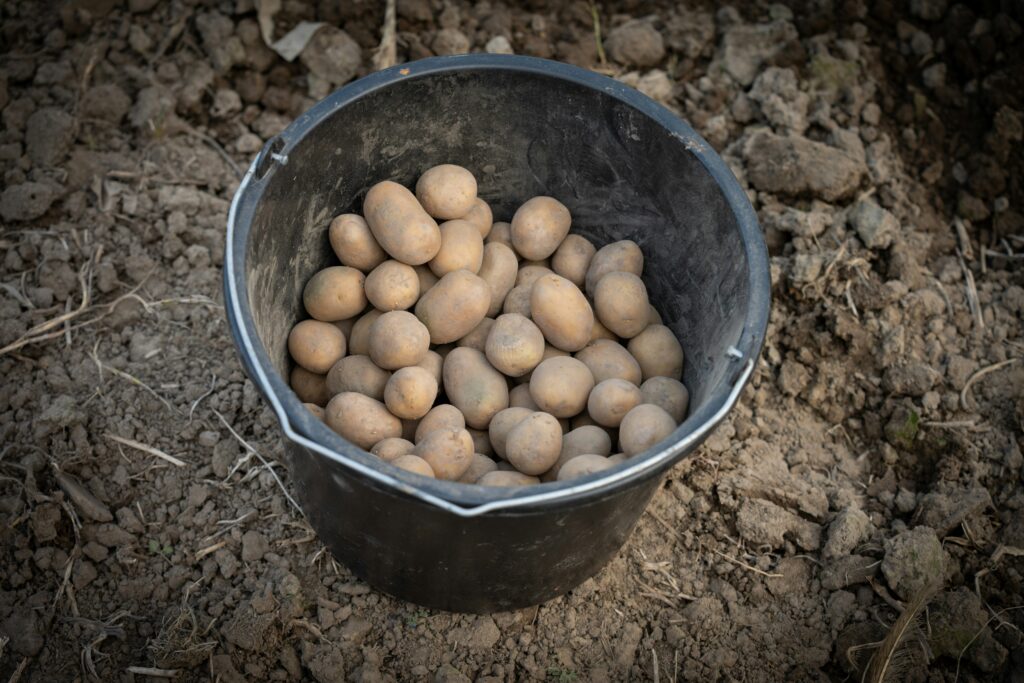
This one surprises a lot of people, but yes, you absolutely can grow potatoes in a 5 gallon bucket. As the team atRural Sprout points out, buckets are ideal because you can simply tip one over to harvest, making it practically mess-free. Plant 2 seed potato pieces per bucket in early spring. Fill the bucket only one-third full of soil at first, then keep adding soil as the green shoots emerge, eventually filling the bucket to within 2 inches of the top. This process of “hilling” encourages more potato formation along the buried stem.
They need 6 to 8 hours of sun and consistent moisture. In about 70 to 80 days, once the plant starts to flower, you can begin carefully digging out new potatoes. One bucket can yield about 2 to 3 pounds of potatoes. Colorado potato beetles are the main pest. Check daily and hand-pick any orange-and-black striped beetles or their orange egg clusters under leaves.
19. Beets
Beets offer you two harvests in one: the roots and the greens, both edible and delicious. Sow seeds directly in the bucket in early spring or fall. Plant about 8 to 10 seeds per bucket and thin to 3 inches apart after sprouting. They need 4 to 6 hours of sun and regular, consistent watering. Beets are ready in about 50 to 70 days, depending on size preferred. Baby beets at 45 days are especially tender. Choose smaller heritage varieties like Chioggia or Detroit Dark Red for best container results. Leaf miners are occasionally a nuisance, similar to Swiss chard. Removing affected leaves promptly keeps them in check.
20. Dwarf Watermelon or Compact Cantaloupe
If you want to impress yourself, try a compact melon variety in a 5 gallon bucket. Sugar Baby watermelon and Minnesota Midget cantaloupe are both bred to stay small. Start seeds indoors 3 to 4 weeks before the last frost and transplant when warm. They need full sun, 8 hours minimum, and a larger-than-average amount of water, up to 2 gallons daily in peak summer.
Use a sling made from an old t-shirt or pantyhose to support the developing fruit by tying it to a nearby railing or stake. Each plant typically produces 1 to 3 small melons. Powdery mildew on leaves is common in humid conditions. Improve air circulation around the bucket and apply diluted neem oil at the first sign of white, powdery patches.
A Quick Word on Composting for Your Buckets
Compost is the secret ingredient that makes container gardens thrive. You do not need a huge pile or a fancy bin. A small worm composter, a simple kitchen compost bucket, or even a repurposed 5 gallon bucket with holes drilled in the sides can work. For each planting bucket, add roughly 1 to 2 cups of finished compost to your potting mix at the start. Then top-dress with another half cup every 4 to 6 weeks during the growing season by sprinkling it on the soil surface and watering it in. This slowly releases nutrients right where your plant needs them.
Compost also dramatically improves how well your soil holds moisture, which means less frequent watering overall. If you are composting kitchen scraps, vegetable peels, coffee grounds, and crushed eggshells are all excellent additions.
You Are Ready to Start
The beauty of 5 gallon bucket gardening is that it meets you exactly where you are. No big yard. No expensive tools. No previous experience required. You can start with just one or two buckets, get comfortable with the rhythm of watering and watching things grow, and expand from there. The gardening tips and gardening hacks shared here are things that genuinely work, tested by real gardeners in real small spaces. Start simple, stay consistent, and enjoy the process. There is something deeply satisfying about eating food you grew yourself, even if it started in a humble plastic bucket on a balcony. Happy growing!
Featured image credit: Photo by Alexis Polidoro on Unsplash
Leave a Reply