

You open your medicine cabinet looking for a headache tablet, only to find half-empty bottles, expired medicines, and packages stacked on top of each other. What should take a few seconds turns into a frustrating search.
A cluttered cabinet is more than an inconvenience. It can lead to wasted money, duplicate purchases, and confusion during moments when you need something quickly. If you have a small bathroom or limited storage space, the challenge can feel even bigger.
The good news is that organizing medicines does not require a large cabinet or expensive storage products. With a simple system, you can create a space that is easy to maintain, easy to navigate, and much safer for everyone in the household.
These medicine cabinet organization ideas will help you build a storage system that works long after the initial clean-up.
Why Most Medicine Cabinets Become Difficult to Manage
In my experience, most medicine cabinets become messy because people store items wherever they fit instead of creating categories.
Over time, cold medicine sits beside skincare products, first-aid supplies get buried behind vitamins, and expired products stay hidden for months. As more items enter the cabinet, the system breaks down.
The most important part of medicine organization is not buying containers. It is creating clear zones that make finding and returning items easy.
1. Empty Everything Before You Organize
Start by removing every item from the cabinet. Place everything on a counter, table, or towel where you can see it clearly. This gives you a complete picture of what you own.
As you sort, throw away expired medicines, damaged packaging, and products you no longer use. According to the U.S. Food & Drug Administration, medications should not be used beyond their expiration dates because effectiveness and safety may change over time. FDA guidance on expired medications
You cannot organize clutter effectively. Removing unnecessary items first makes every later step easier.
2. Sort Everything Into Simple Categories
Before placing anything back, group similar items together.
Common categories include:
- Pain relief
- Cold and flu medicine
- Allergy medication
- Digestive remedies
- First-aid supplies
- Vitamins and supplements
- Prescription medication
- Children’s medicine
- Daily-use healthcare items
This step creates the foundation for all future medicine organization. When someone needs something quickly, they can go directly to the correct category instead of searching shelf by shelf.
3. Create Zones Based on Frequency of Use
Once you have categories, assign locations based on how often you use them. Store frequently used items at eye level. These might include pain relievers, daily prescriptions, or allergy medications.
Place occasional-use products on higher or lower shelves. This follows a simple organizational principle often used in kitchens and workspaces: keep high-frequency items within easy reach and store less-used items farther away.
4. Use Clear Bins Instead of Loose Items
One of the best medicine storage ideas is using clear containers. Small transparent bins prevent products from spreading across shelves. They also allow you to pull out an entire category at once.
For example:
- One bin for cold medicine
- One bin for first aid
- One bin for digestive remedies
- One bin for children’s products
Because you can see through the containers, you spend less time searching and more time finding.
5. Label Every Category
Even if you think you will remember where everything belongs, labels help maintain the system. Use simple labels such as:
- Pain Relief
- Cough & Cold
- First Aid
- Daily Medications
- Vitamins
Labels reduce decision fatigue. Everyone in the household knows where items belong, making it much easier to keep the cabinet organized over time.
Also read: Decluttering Tips: How to Declutter Your Closet in Just One Weekend
6. Separate Daily Medicines From Emergency Supplies
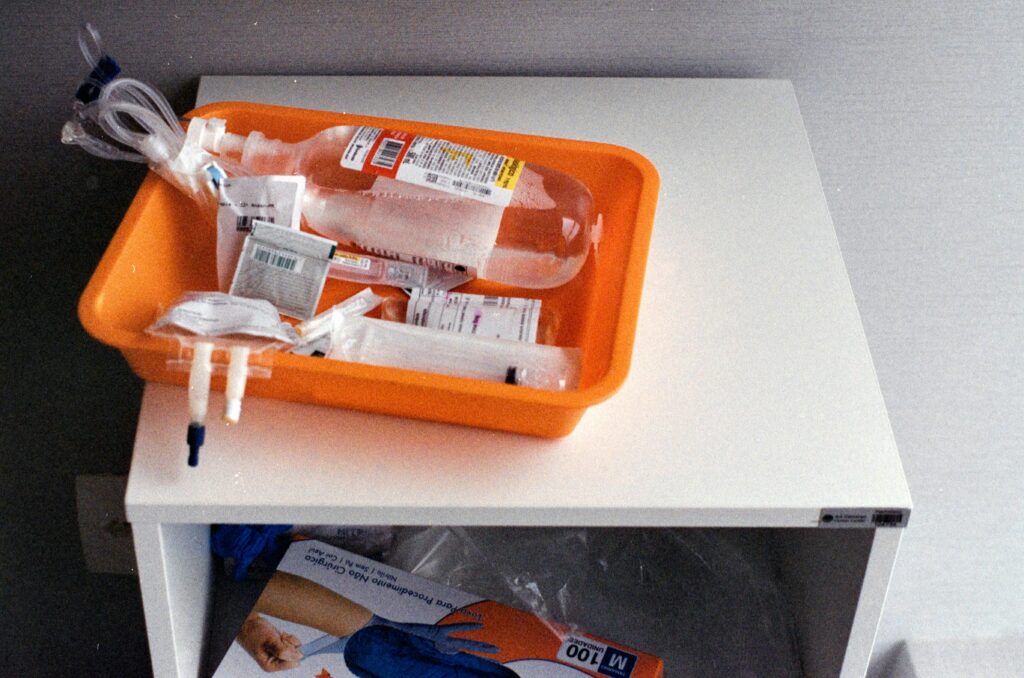
This is one medicine cabinet organization idea that many people overlook. Daily medications and emergency supplies serve different purposes. Store regularly used prescriptions and supplements in a dedicated section. Keep emergency items such as bandages, antiseptic cream, and thermometers together in another area.
When categories serve different needs, keeping them separate prevents confusion during stressful moments.
7. Store Children’s Medicines in Their Own Section
If you have children in the household, create a dedicated area for their medications. Children’s dosage instructions differ from adult products, so mixing them together can increase the risk of mistakes.
A separate labeled bin makes identification faster and safer. If possible, place children’s medications in a secure location that remains inaccessible to young children.
The American Academy of Pediatrics recommends storing medicines up and away, out of children’s reach and sight. American Academy of Pediatrics medication safety guidance
8. Make Expiration Dates Easy to See
One reason expired medicines remain in cabinets is because people cannot see the dates. When returning items to storage, position labels and expiration dates toward the front whenever possible.
Some people also place a small removable sticker showing the expiration year on top of containers. This takes only a few extra seconds but makes future checks much faster.
9. Reserve One Shelf for First-Aid Supplies
First-aid items often get mixed into medicine categories, which makes them harder to locate. Consider creating a dedicated shelf or container for:
- Adhesive bandages
- Gauze
- Medical tape
- Antiseptic wipes
- Burn cream
- Thermometers
- Tweezers
Keeping these supplies together creates a mini first-aid station inside your medicine cabinet.
10. Use Vertical Space Wisely
Many medicine cabinets have unused vertical space. Instead of stacking products directly on shelves, consider storage tools such as:
- Tiered shelf risers
- Stackable acrylic organizers
- Small drawer units
- Narrow storage baskets
These accessories help you see products in the back without constantly moving items in the front. If you plan to include affiliate recommendations later, this section naturally creates opportunities for medicine cabinet organizer products and shelf accessories.
Also read: 15 Pantry Organization Hacks That Actually Work
11. Schedule Quick Monthly Reviews
The easiest medicine cabinet to maintain is one that receives small, regular checkups. Once a month, spend five minutes:
- Checking expiration dates
- Returning misplaced items
- Removing empty packaging
- Restocking commonly used products
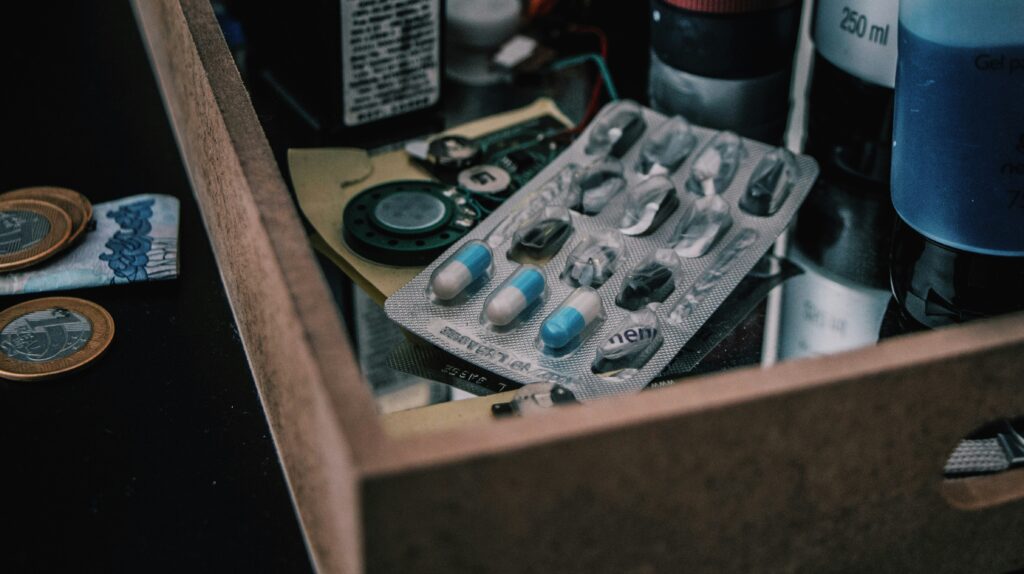
Small maintenance sessions prevent the cabinet from returning to its original cluttered state. In my experience, a five-minute monthly review saves hours of reorganization later.
A Simple Layout That Works for Most Cabinets
If you are unsure where everything should go, this arrangement works well for most medicine cabinet storage ideas:
Top Shelf
- Backup supplies
- Less-used medications
- Seasonal products
Middle Shelf
- Daily medications
- Frequently used healthcare items
Lower Shelf
- First-aid supplies
- Children’s medications
- Larger containers
Cabinet Door Storage
- Thermometers
- Small ointments
- Travel-size products
The goal is not perfection. The goal is visibility and easy access.
A Small Trick That Makes a Big Difference
Try placing a small inventory card inside the cabinet door. List important items such as pain relievers, allergy medicine, bandages, and thermometers. When something runs low, mark it immediately.
This simple habit reduces duplicate purchases and helps you stay prepared without needing to search through the cabinet every time.
Also read: 10 Bathroom Organization Ideas for a Spa-Like Space
One Thing to Watch Out For
Many people store medicines in bathroom cabinets because it seems convenient. However, bathrooms often experience heat and humidity from showers.
Whenever possible, follow storage instructions on medication labels. Some medicines stay more stable in cool, dry locations rather than humid environments. If your bathroom becomes very warm or damp, consider using a dedicated storage cabinet elsewhere in the home.
A Thought on What Matters Most
Many organization guides focus on making medicine cabinets look attractive. While appearance helps, function matters more.
A beautifully arranged cabinet is not useful if you cannot quickly find what you need. Prioritize clear categories, visibility, and safety first. The neat appearance will follow naturally.
These medicine cabinet organization ideas work best when they create a system you can maintain, not just admire for a few days. Start by sorting, categorizing, and creating clear zones. Then support the system with simple organizers and quick monthly reviews. With a little structure, your medicine cabinet can become a space that saves time, reduces stress, and helps you find what you need when it matters most.
Featured image credit: Photo by Laurynas Me on Unsplash










Leave a Reply